
Bogotá
A city in the clouds full of history, gold, and green parks 🚠🏙️
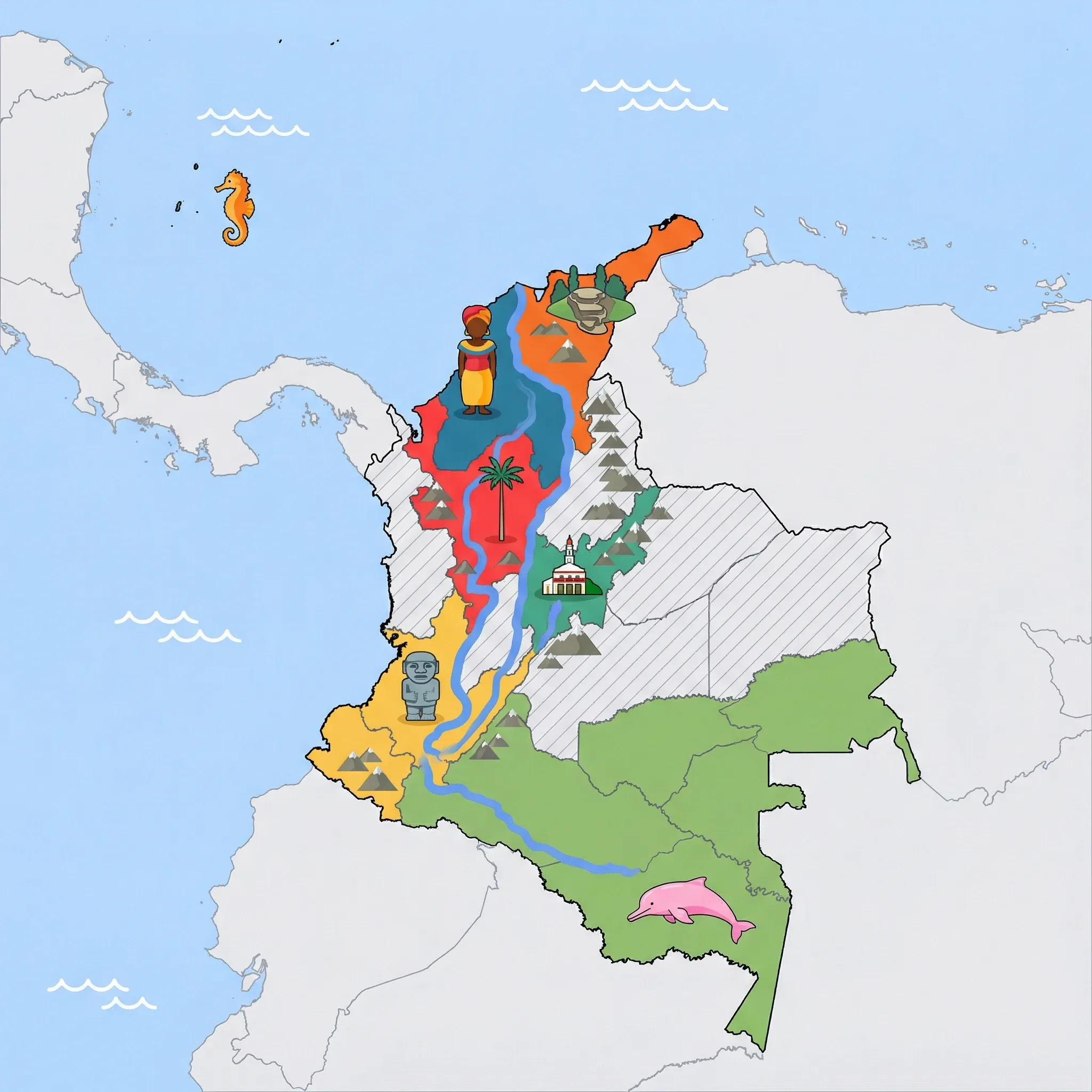
Click a region to explore
Bogotá is a sprawling, energetic metropolis that defies the typical "tropical Colombia" stereotype with its crisp mountain air and often misty mornings. For families, it offers a wealth of cultural and educational experiences that are hard to match elsewhere in the country. The city is a mix of the colonial past—evident in the cobbled streets of La Candelaria—and a modern, forward-thinking urban center. While the traffic is infamous, the rewards for patience are high: world-class museums, expansive green spaces, and a restaurant scene that caters to every possible taste. The altitude (2,640m) means the weather is eternally spring-like or autumnal, so carrying layers is part of the daily routine. It feels cozy, bustling, and intellectual.
Families will find Bogotá surprisingly kid-friendly if they stick to the right zones. Sunday is a particularly special day due to the "Ciclovía," where major roads are closed to cars and taken over by cyclists, skaters, and walkers. It’s a festive atmosphere where the city feels safest and most communal. The north of the city offers modern shopping malls and parks, while the center holds the history. Security has improved significantly, but standard big-city precautions apply; stick to tourist zones and use app-based transport.
Key Attractions
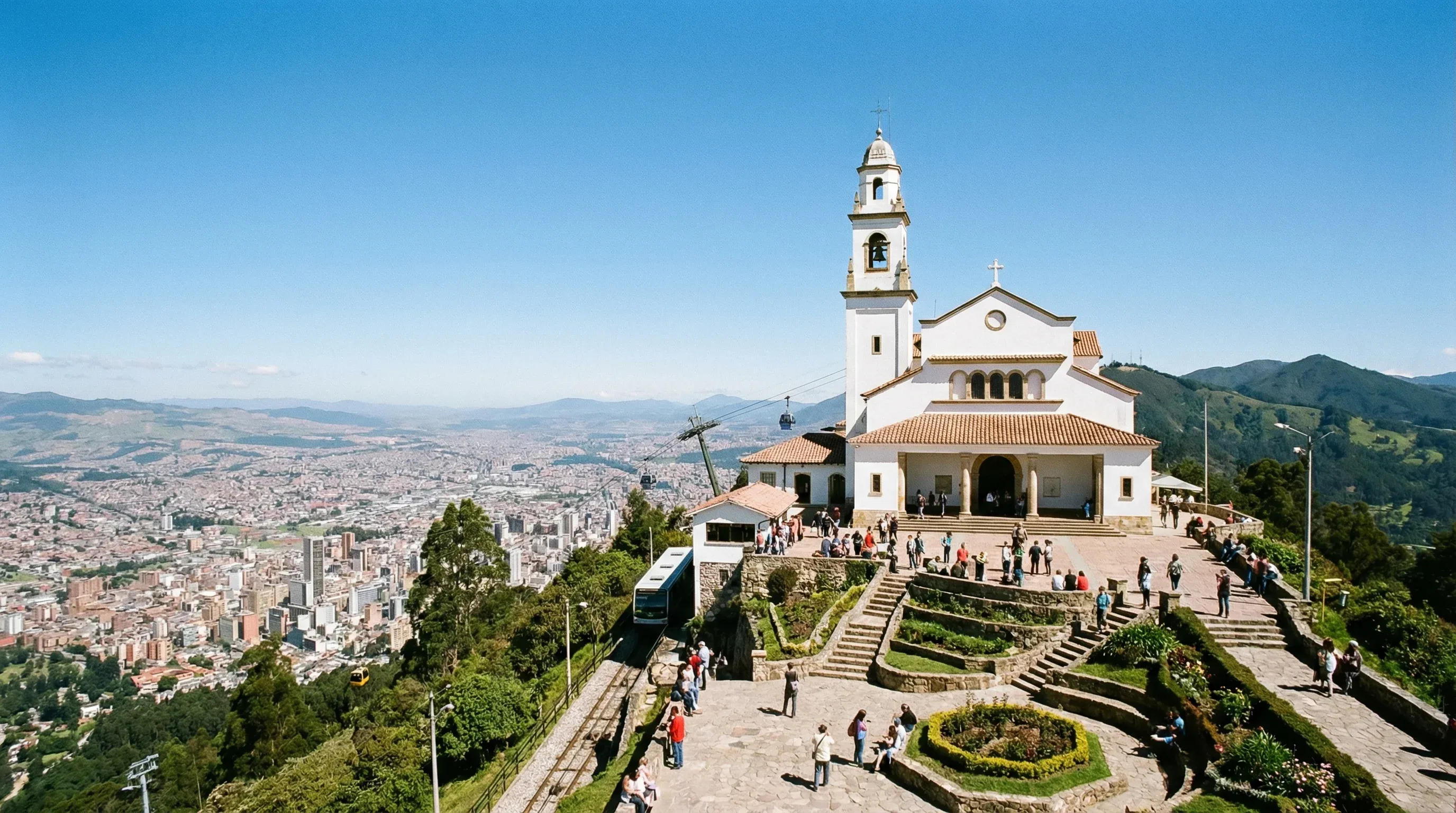
No trip to Bogotá is complete without ascending Mount Monserrate. Families can take the funicular railway or the cable car—both exciting for kids—to reach the Monserrate Sanctuary at the top, offering breathtaking views of the sprawling city below. Back at street level, the Gold Museum (Museo del Oro) is magical; the sheer volume of shiny ancient artifacts captures the imagination of children, especially the "raft" legend associated with El Dorado.
For a day of pure fun, Maloka Interactive Center is a top-tier science museum with an underground architecture and hands-on experiments perfect for curious minds. If your children prefer outdoor thrills, Salitre Mágico is a large amusement park with roller coasters and rides for all ages. Just outside the city, the Salt Cathedral of Zipaquirá is an architectural marvel built inside a salt mine; walking through the dark, lit-up tunnels is an adventure that feels like journeying to the center of the earth.
Practical Advice
The altitude can affect children; take it easy for the first 24 hours and stay hydrated. The best time to visit is during the drier months (December to March or July to August), though rain is possible any day. Strollers are difficult in the cobbled La Candelaria district but fine in the northern neighborhoods.
Food & Drink
Typical meal times: Lunch is 12:30 pm to 2:30 pm. Dinner is eaten later, typically 7:00 pm to 9:00 pm.
Typical meal costs: Lunch specials (corrientazo) are 15,000–25,000 COP (approx. $4–6.50 USD / €3.50–5.50 EUR). Mid-range dinner: 40,000–80,000 COP (approx. $10–20 USD / €9–18 EUR) per person.
Dietary requirements: Excellent. Bogotá is cosmopolitan, with ample vegetarian, vegan, and gluten-free options in areas like Chapinero and Usaquén.
Signature dishes:
- Ajiaco – A hearty chicken and potato soup made with three types of local potatoes and the herb guasca. It comes with cream, capers, and corn—comfort food defined.
- Chocolate con Queso – Hot chocolate served with a slice of mild, salty cheese. You drop the cheese into the chocolate to melt it. Kids usually find this hilarious and tasty.
- Obleas – Large, thin wafers sandwiched with arequipe (caramel), jam, or cheese, sold by street vendors everywhere.
Why this score?
The experience is predominantly urban and cultural, featuring well-paved streets, public transport, and guided walking tours. While the high altitude (2,640m) adds a physical challenge, most tourist activities like the Monserrate funicular are highly developed and accessible.
Why this score?
Bogotá is home to world-class hospitals such as Fundación Santa Fe, which frequently treat international patients and have many English-speaking specialists. The city offers the highest standard of healthcare in the country with advanced emergency services and insurance acceptance.
Why this score?
As the primary international gateway, Bogotá receives millions of business and leisure travelers annually visiting sites like the Gold Museum and Monserrate. It is a well-established urban destination with a high density of international hotel chains and tour operators.

Bogotá fits a wide range of budgets. Luxury hotels in the north are expensive, but comfortable family apartments can be found for 200,000–350,000 COP (approx. $50–90 USD / €45–80 EUR) per night. Public transport is cheap (approx. 3,000 COP / $0.75 USD), but taxis add up due to traffic. Museum entry fees are generally low, often free for small children or on Sundays.
Family Travel Notice
When visiting Medellin with minors, ensure children carry original identification documents or clear passport copies at all times to comply with local safety regulations.

Getting Here & Around
Getting Here
- Airports – El Dorado International Airport (BOG) is the main gateway to Colombia, with direct flights from the US, Europe, and across Latin America.
- Bus – The Terminal de Transporte connects to every major city, though distances in the Andes make bus travel very slow.
Getting Around
- Taxi / Rideshare – Uber, Cabify, and Didi are the safest and most convenient ways for families to move around. Avoid hailing taxis on the street at night.
- TransMilenio – The rapid bus system is extensive but often extremely crowded and not recommended for families with small children or luggage during rush hour.
- Funicular – Essential for visiting the Monserrate Sanctuary.
Nearby Airports (2 airports)
El Dorado International Airport
BOGBogota
Rondon Airport
RONRondon
View full flight map for Colombia →
Official Links

Packing List
Rain showers in Bogotá are sudden, frequent, and can happen even on sunny days.
It gets surprisingly cold (down to 7°C/45°F) at night; this is not tropical weather.
High altitude means UV radiation is much stronger than the cool temperature suggests.
The thin mountain air is very dry and can chap skin quickly.
Mandatory for entry to Amazon, Tayrona Park, and other jungle reserves; you may be denied entry without it.
Essential for boat transfers to Rosario Islands or Amazon trips where luggage often gets splashed.
Bogotá and Andean towns are high-altitude (2,600m+) and get surprisingly cold, especially at night.
Roads in the Andes are incredibly winding; essential for kids on bus transfers or car trips.
Peace of mind in crowded city centers and markets where pickpocketing can occur.

Activities & Best Times

Urban tourism, museums, historical sites, architecture
Bogotá is the cultural heart of Colombia, featuring world-class institutions like the Botero and Gold Museums alongside the historic La Candelaria district. Peak months coincide with the drier seasons, providing ideal conditions for exploring historic squares and vibrant street markets, while heavy rains in April and October can hinder walking tours.

Sport tourism, fitness activities, active recreation
The region is a global hotspot for cycling, with the iconic Alto de Patios climb and extensive trail networks at Quebrada La Vieja. Cyclists and active families favor the dry months for safe road and trail conditions, avoiding the high precipitation periods when mountain routes become hazardous.

Hiking, wildlife, outdoor exploration, ecotourism
While Monserrate and Chicaque offer quality experiences, 'very_good' adventure_nature should be reserved for regions with multi-day wilderness immersion (like Patagonia, Nepal). Bogotá's nature is primarily day-trip urban hiking - downgrade to 'good'.

Learning experiences, scientific sites, historical education
The Maloka Interactive Center and the Bogotá Botanical Garden offer destination-level scientific and ecological learning experiences for families. While mostly indoor, peak visiting aligns with international and local holiday periods; off-season months see lower demand and some seasonal maintenance.

Events, celebrations, seasonal attractions
The Ibero-American Theater Festival is one of Latin America's largest cultural events. 'Marginal' undersells this - upgrade to 'good' to reflect significant international festival presence.

Scenic drives, countryside tours, route-based travel
The scenic 'Salt Route' to Zipaquirá and the drive to the Tominé Reservoir offer well-established touring routes through the Andean highlands. Optimal driving visibility and accessibility are found in the dry months, while heavy rain in April and October can affect road safety in the mountain passes.

Amusement parks, family entertainment venues
Major parks like Mundo Aventura and Salitre Mágico provide solid entertainment options for families, though they are regionally focused. Peak demand aligns with school holidays in December-January and mid-year, with the rainy seasons being unsuitable for primarily outdoor-based attractions.

Spa retreats, wellness centers, peaceful getaways
Thermal bath complexes like Santa Mónica provide authentic restorative experiences but lack the infrastructure of global luxury wellness hubs. Visitation is most popular during clear, cooler dry months when the hot springs offer a refreshing contrast to the Andean air.

Attractions (18 total)



Public Holidays & Calendar Next 12 months
Public holidays, festivals, cultural celebrations, and seasonal natural phenomena coming up in Bogotá over the next 12 months.
Loading holidays and events...

Travel Advisory
The majority of international agencies recommend exercising a high degree of caution. While tourism is active, significant risks from crime and terrorism exist, and many regions—particularly borders—are subject to severe travel restrictions.
Safety Topics
Traveller Advice (4 groups)

It is strongly recommended to avoid traveling solo or walking alone at night. Be cautious in social settings and do not accept drinks or food from strangers.

All visitors should obtain comprehensive medical insurance that includes evacuation. Complete the Check-Mig registration form within 72 hours of travel and prioritize air travel over long-distance bus journeys through rural areas.

Personnel working in the oil, mining, and energy sectors should be aware of a heightened risk of kidnapping for ransom by illegal armed groups.

When visiting Medellin with minors, ensure children carry original identification documents or clear passport copies at all times to comply with local safety regulations.
Agency Summaries
While general travel is possible, the government warns against visiting several departments and border zones. Risks include internal conflict, terrorism, and potential insurance invalidation if entering restricted areas.
High levels of caution are required nationwide due to the threat of violent crime and terrorism. Significant areas along the borders with Venezuela and Ecuador are designated as 'Do Not Travel' zones.
Travelers are urged to rethink their plans due to widespread violent crime, terrorism, and kidnapping. U.S. government personnel face severe travel restrictions, and emergency services are limited in high-risk zones.
The security situation remains volatile across many regions. Travelers should avoid large gatherings and border regions, while remaining aware of health risks such as dengue fever and yellow fever.
Heightened security concerns exist throughout the country, particularly regarding violent crime and kidnapping. Travel is safest on main routes during daylight hours, with air travel preferred between major cities.
Visitors should maintain significant vigilance due to prevalent crime. There are strict warnings to avoid all travel to border regions and specific departments where kidnapping and violence from illegal armed groups are highly likely.
Information is provided for general guidance only and does not constitute travel, safety, medical, or legal advice. Conditions may change. Users are responsible for independently verifying information before travel.