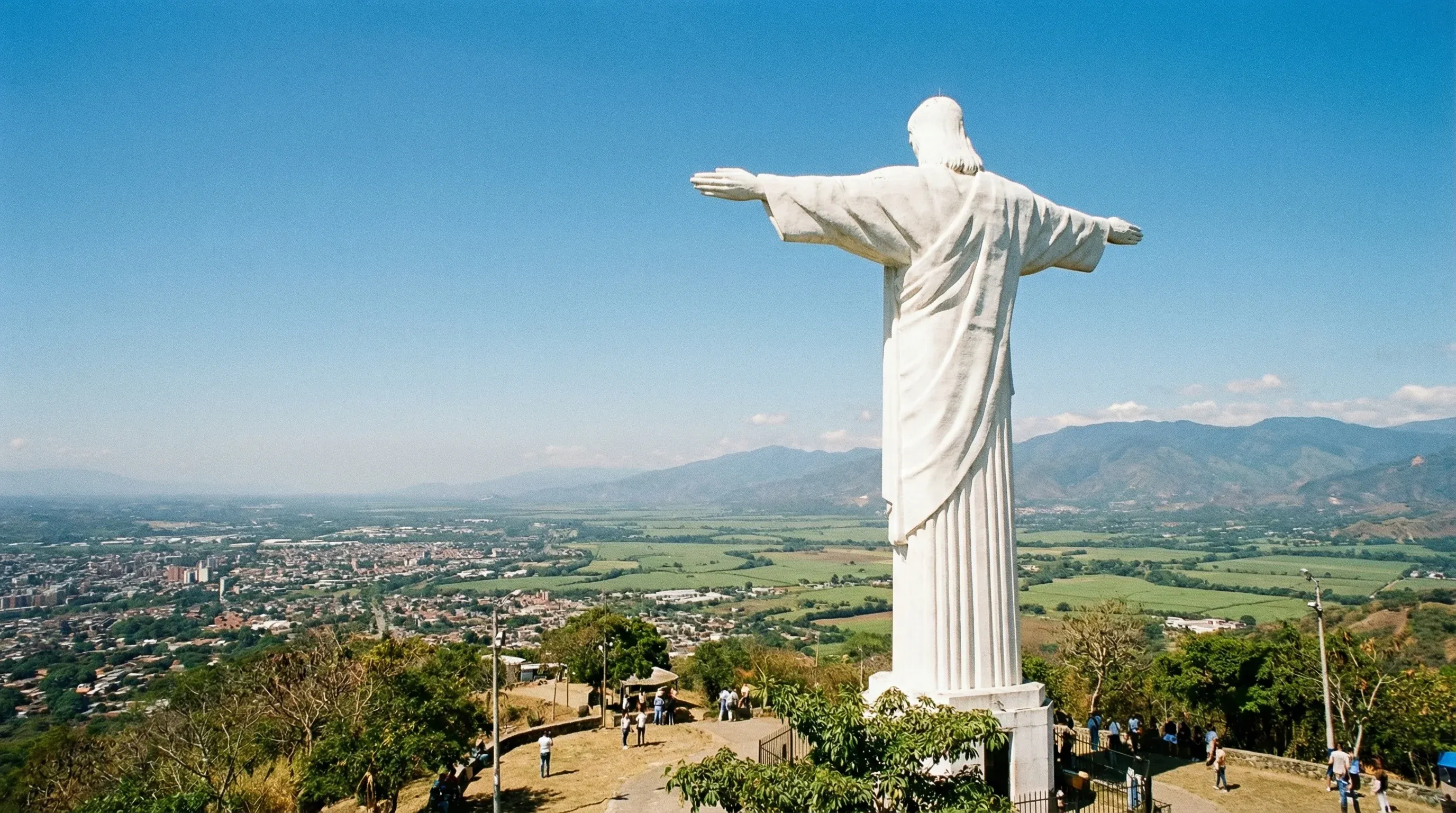

Cali & Southwest
The salsa capital where warm breezes and rivers meet 💃🏽☀️
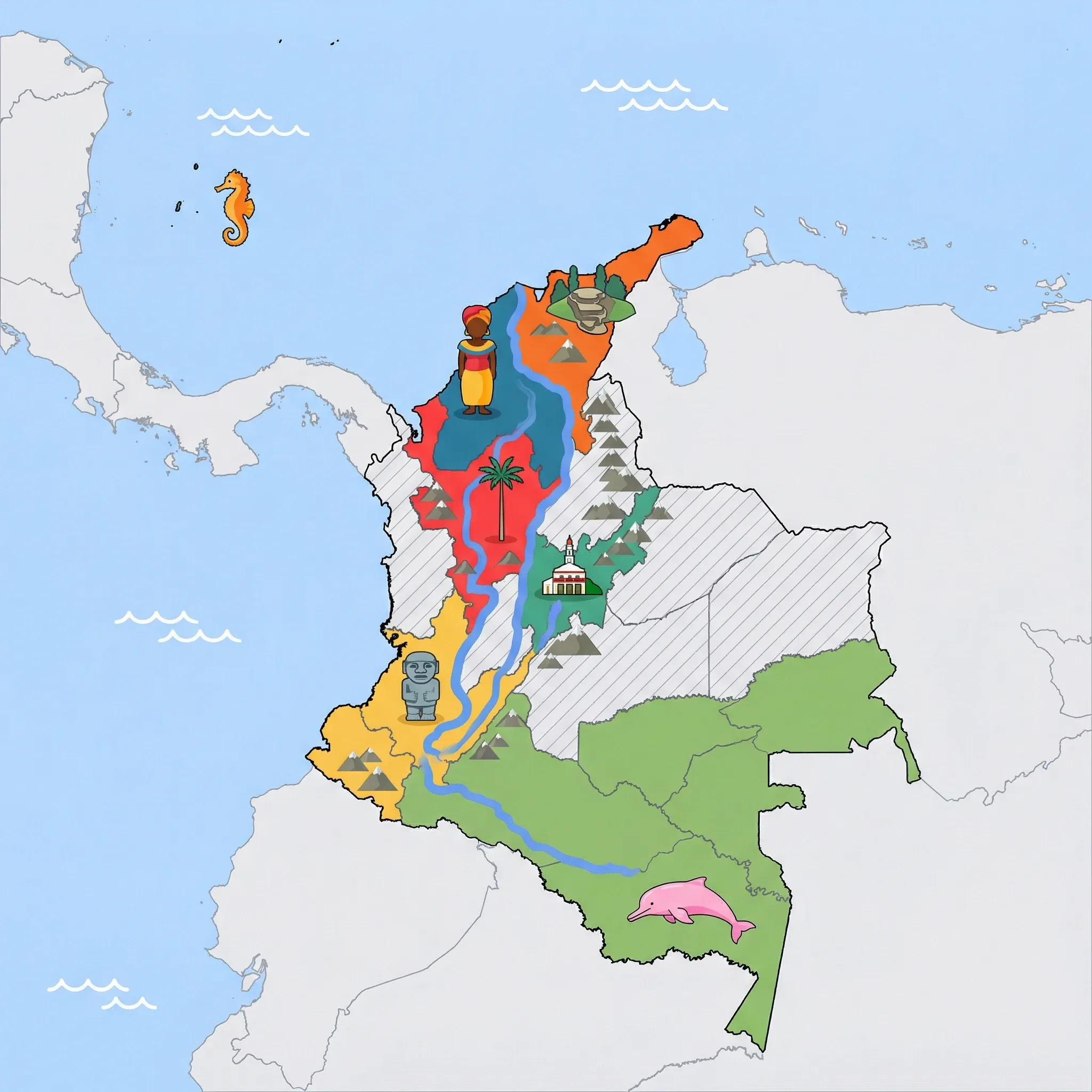
Click a region to explore
⚠️ SAFETY WARNING: Due to higher rates of crime and presence of illegal armed groups in rural areas, government agencies (including CA, USA, UK, and AU) advise travelers to exercise a high degree of caution or reconsider travel to this region. The city of Cali requires vigilance, and rural areas of Cauca and Nariño are generally classified as 'Do Not Travel' zones. Families are strongly urged to consult their own government's official travel advisory before considering a trip, as circumstances and risk assessments vary.
Cali and the Southwest offer a travel experience defined by warmth—both in the weather and the people. Known as the "Branch of Heaven," Cali is famous globally for its Salsa culture, but for families, the appeal lies in its eternal summer climate and abundance of nature-based activities within the city limits. The vibe here is distinctly more Caribbean-influenced and relaxed than Bogotá or Medellín, with a constant breeze blowing through the valley in the late afternoons. While the city has a gritty edge, the tourist zones are full of life, music, and excellent food. It is a place where you can watch hummingbirds in the morning and seeing world-class dancers in the evening.
The region is geographically stunning, sitting in a flat valley surrounded by towering green mountains. This geography creates the perfect environment for river activities, which are a staple of local family life. On weekends, Caleños flock to the rivers to swim and cook sancocho (soup) on the banks. The culture is inclusive and joyful; children are welcome everywhere, and the noise level is generally high and happy. While caution is needed regarding security, staying in recommended zones like San Antonio allows families to experience the charm of colonial architecture and artisan ice cream shops safely.
Key Attractions
The crown jewel for families is the Cali Zoo. Set within a tropical forest along the river, it feels more like a nature reserve than a traditional zoo. The enclosures are open and lush, and the leaf-cutter ant exhibit is fascinating for kids. For a cultural afternoon, the San Antonio Neighborhood is a must. Its colorful colonial houses, park, and hill-top chapel offer space for kids to run while parents enjoy the view and crafts.
To cool off, a trip to the Rio Pance is a classic local experience. The cold, clear water is refreshing, and the surrounding eco-parks offer safe hiking trails. For adventurous families willing to travel a bit further, Lago Calima offers water sports and windy weather perfect for kite-flying and boat rides, set against a backdrop of Swiss-looking chalets and green hills.
Practical Advice
It is hot during the day. Plan activities for the morning or late afternoon (after 4:00 pm). Mid-day is for lunch and siesta. use app-based taxis (Uber/Cabify) rather than hailing on the street. Avoid wearing flashy jewelry or using phones openly on street corners.
Food & Drink
Typical meal times: Lunch is sacred and long, from 12:00 pm to 2:00 pm. Dinner is usually 7:00 pm to 9:00 pm.
Typical meal costs: Very affordable. A hearty lunch runs 15,000–25,000 COP (approx. $4–6.50 USD / €3.50–5.50 EUR). Dinner in a nice San Antonio restaurant: 35,000–60,000 COP (approx. $9–15 USD / €8–13.50 EUR).
Dietary requirements: Vegetarian options are growing in San Antonio and Granada neighborhoods but can be scarce in traditional lunch spots. There is a heavy reliance on fried foods and pork.
Signature dishes:
- Lulada – A refreshing drink made from lulo (a tart, citrus-like fruit), lime juice, water, and sugar, served with chunks of fruit and ice.
- Cholado – A dessert-drink hybrid perfect for kids. Shaved ice topped with fruit syrup, condensed milk, wafers, and chopped fresh fruit. A sugar rush in a cup.
- Pandebono – A warm, cheesy bread ring made with cassava flour. It is gluten-free by nature and impossibly delicious when fresh from the oven.
Why this score?
The region offers moderate adventure through the Pance River area and the Farallones de Cali National Park, which involve hiking and river activities. It strikes a balance between urban salsa dancing and accessible nature in the surrounding sugar cane valley.
Why this score?
Cali is recognized as one of Latin America's top medical hubs, specifically at institutions like Valle del Lili and Imbanaco. These facilities provide excellent care for foreigners, often surpassing the quality found in many European or North American secondary cities.
Why this score?
The region is a major hub for domestic tourism and niche international travelers interested in salsa culture and the Cali Fair. However, it lacks the massive international pull of Cartagena or the Coffee Region, resulting in fewer foreign-oriented services.

Cali is generally cheaper than Bogotá or Cartagena. High-end dining is surprisingly affordable. A family suite in a boutique hotel in San Antonio costs around 200,000–350,000 COP (approx. $50–90 USD / €45–80 EUR). Taxi rides across town rarely exceed 20,000 COP (approx. $5 USD / €4.50 EUR).
Family Travel Notice
When visiting Medellin with minors, ensure children carry original identification documents or clear passport copies at all times to comply with local safety regulations.

Getting Here & Around
Getting Here
- Airports – Alfonso Bonilla Aragón International Airport (CLO) serves Cali with connections to Bogotá, Panama, and Miami. It is located in Palmira, about 30-40 minutes from Cali.
- Bus – The Terminal de Transportes connects to the Coffee Region (3-4 hours) and Bogotá (10+ hours).
Getting Around
- Taxi / Rideshare – The safest and most efficient method. Distances can be long as the city is spread out.
- MIO – The mass transit bus system. It covers the city well but can be confusing for tourists and very crowded.
- Walking – Pleasant in San Antonio and the Peñón area, but not recommended for moving between neighborhoods.
Nearby Airports (8 airports)
Gerardo Tobar Lopez
BUNBuenaventura
Alfonso Bonilla Aragon International
CLOCali
Guapi
GPIGuapi
San Luis
IPIIpiales
Benito Salas
NVANeiva
Guillermo Leon Valencia
PPNPopayan
Antonio Narino
PSOPasto
Pitalito Airport
PTXPitalito
View full flight map for Colombia →
Official Links

Packing List
Mosquitoes are active day and night in the warm valley climate.
The afternoon heat can be stifling; portable fans help keep kids cool.
River beds (Pance) are rocky; shoes protect little feet from slipping and sharp stones.
Mandatory for entry to Amazon, Tayrona Park, and other jungle reserves; you may be denied entry without it.
Essential for boat transfers to Rosario Islands or Amazon trips where luggage often gets splashed.
Bogotá and Andean towns are high-altitude (2,600m+) and get surprisingly cold, especially at night.
Roads in the Andes are incredibly winding; essential for kids on bus transfers or car trips.
Peace of mind in crowded city centers and markets where pickpocketing can occur.

Activities & Best Times

Hiking, wildlife, outdoor exploration, ecotourism
Features unique biodiversity in the Farallones de Cali and the distinct San Cipriano jungle reserve with its famous 'brujitas' rail-carts. Peak months align with the drier windows which ensure safe hiking conditions and better visibility in the cloud forests.

Urban tourism, museums, historical sites, architecture
Cali is the global capital of Salsa, offering deep cultural immersion through dance schools and the historic San Antonio district. The atmosphere is most vibrant during the December Feria and August festivals, while heavy tropical rains in the off-season can dampen the street-life experience.

Events, celebrations, seasonal attractions
Home to world-class events like the Feria de Cali (December) and the Petronio Álvarez Pacific Music Festival (August), alongside the humpback whale migration in Bahía Málaga. These events are primary motivators for international travel to the region.

Sport tourism, fitness activities, active recreation
Lago Calima provides world-class wind conditions for kitesurfing and windsurfing, while the region's mountain roads are iconic for serious cycling. Peak months offer the most consistent trade winds and dry asphalt for active sports pursuit.

Learning experiences, scientific sites, historical education
The Cali Zoo is internationally recognized for its conservation work and immersion exhibits, paired with unique museums like the Sugar Cane Museum. These offer high-quality learning for families, best visited during holiday periods when extra programming is available.

Scenic drives, countryside tours, route-based travel
Scenic drives like the Vía al Mar and the Sugar Cane Route offer dramatic landscape transitions from Andean peaks to tropical valleys. Travel is best during drier months to avoid the heavy rain and mist that can frequent mountain passes during the two rainy seasons.

Beach resorts, marine activities: diving, snorkelling, kite surfing, wind surfing, sailing
The Pacific coast offers raw, authentic beauty and whale watching in Bahía Málaga, though it lacks high-end resort infrastructure found in the Caribbean. July to October is the definitive peak for marine life, while extreme precipitation in April and November makes coastal travel difficult.

Spa retreats, wellness centers, peaceful getaways
Local thermal springs in the foothills provide a rustic wellness experience for families seeking authentic relaxation. These sites are best visited during drier windows when outdoor bathing is most comfortable.

Amusement parks, family entertainment venues
Regional water parks like Acuaparque de la Caña provide local family entertainment but do not meet international destination-level standards. They are most enjoyable during the hot, dry holiday months of January and July.

Attractions (19 total)



Public Holidays & Calendar Next 12 months
Public holidays, festivals, cultural celebrations, and seasonal natural phenomena coming up in Cali & Southwest over the next 12 months.
Loading holidays and events...

Travel Advisory
The majority of international agencies recommend exercising a high degree of caution. While tourism is active, significant risks from crime and terrorism exist, and many regions—particularly borders—are subject to severe travel restrictions.
Safety Topics
Traveller Advice (4 groups)

It is strongly recommended to avoid traveling solo or walking alone at night. Be cautious in social settings and do not accept drinks or food from strangers.

All visitors should obtain comprehensive medical insurance that includes evacuation. Complete the Check-Mig registration form within 72 hours of travel and prioritize air travel over long-distance bus journeys through rural areas.

Personnel working in the oil, mining, and energy sectors should be aware of a heightened risk of kidnapping for ransom by illegal armed groups.

When visiting Medellin with minors, ensure children carry original identification documents or clear passport copies at all times to comply with local safety regulations.
Agency Summaries
While general travel is possible, the government warns against visiting several departments and border zones. Risks include internal conflict, terrorism, and potential insurance invalidation if entering restricted areas.
High levels of caution are required nationwide due to the threat of violent crime and terrorism. Significant areas along the borders with Venezuela and Ecuador are designated as 'Do Not Travel' zones.
Travelers are urged to rethink their plans due to widespread violent crime, terrorism, and kidnapping. U.S. government personnel face severe travel restrictions, and emergency services are limited in high-risk zones.
The security situation remains volatile across many regions. Travelers should avoid large gatherings and border regions, while remaining aware of health risks such as dengue fever and yellow fever.
Heightened security concerns exist throughout the country, particularly regarding violent crime and kidnapping. Travel is safest on main routes during daylight hours, with air travel preferred between major cities.
Visitors should maintain significant vigilance due to prevalent crime. There are strict warnings to avoid all travel to border regions and specific departments where kidnapping and violence from illegal armed groups are highly likely.
Information is provided for general guidance only and does not constitute travel, safety, medical, or legal advice. Conditions may change. Users are responsible for independently verifying information before travel.