
Cartagena & Caribbean Coast
Pirate fortresses, cobbled streets, and Caribbean islands 🏴☠️🌴
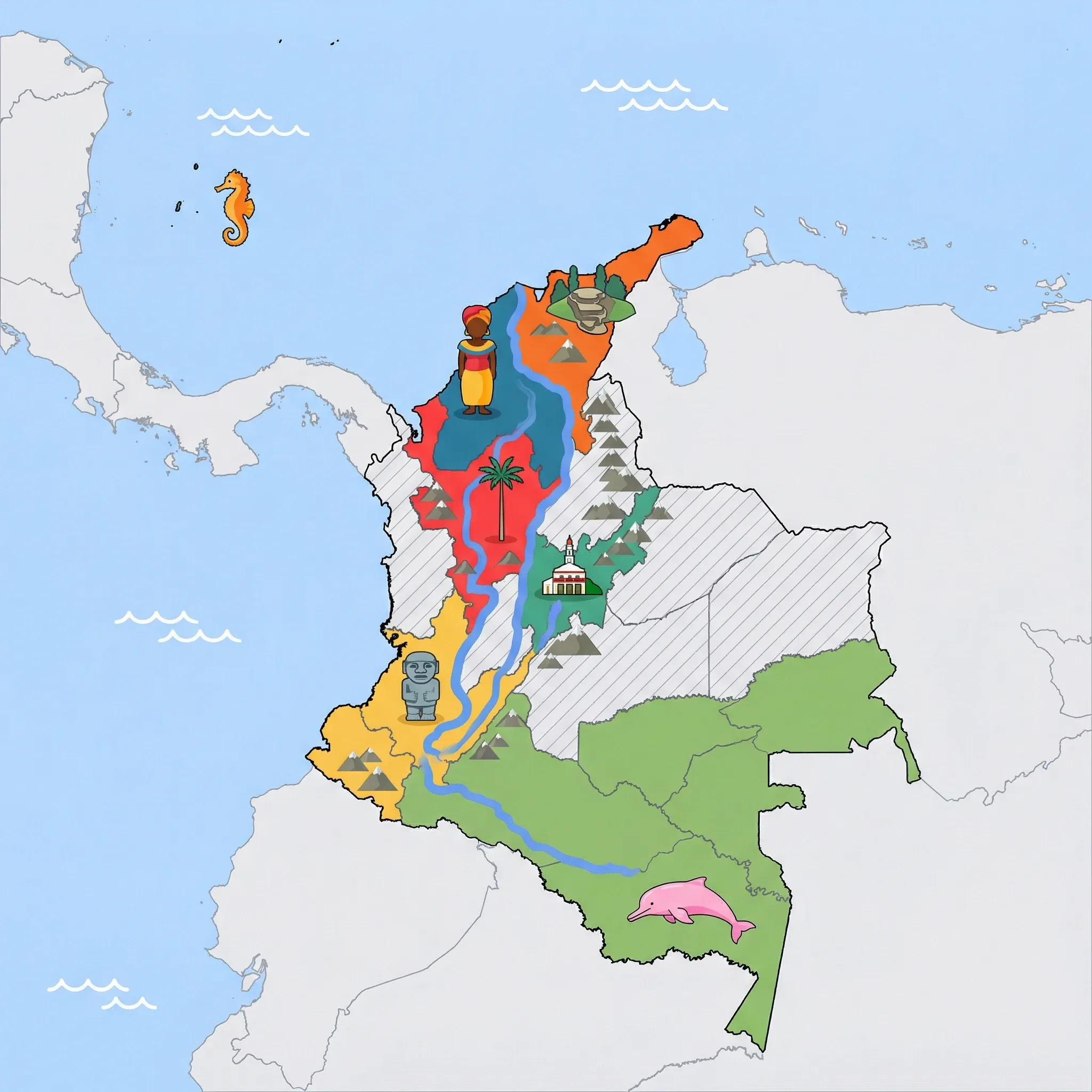
Click a region to explore
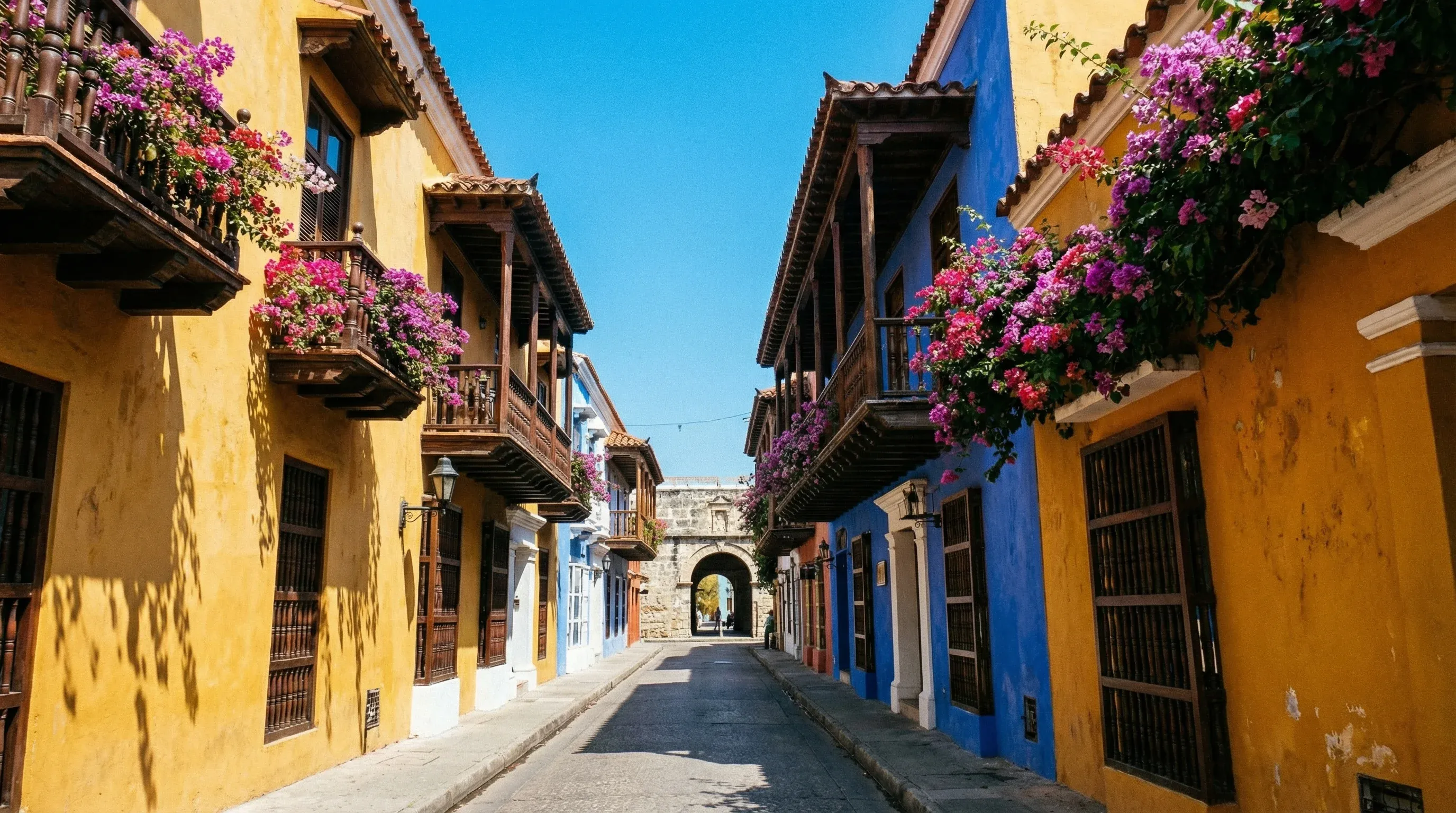
Cartagena and the Caribbean Coast is Colombia's most iconic tourism destination, and for good reason. For families, it offers a dual experience: the magic of a preserved colonial city and the relaxation of a Caribbean beach holiday. The Old City (Ciudad Amurallada) feels like a movie set, with horse-drawn carriages, flower-filled balconies, and street performers that entertain children in the plazas. The atmosphere is festive, hot, and humid. History comes alive here not through textbooks, but through the massive stone walls and cannons that once defended the city from pirates like Francis Drake. Walking the walls at sunset is a ritual that parents and kids alike enjoy, with the ocean on one side and the cupolas of ancient churches on the other.
However, the city beaches are volcanic (grey sand) and busy. The true Caribbean paradise lies offshore in the islands, where white sand and turquoise water await. The region creates a vibrant, sensory-rich environment—music is everywhere, the heat is intense, and the colors are bright. Families should be prepared for street vendors who can be persistent, but a polite "no, gracias" usually works. It is a place to wear your brightest clothes, eat fresh fruit, and let the slow Caribbean rhythm take over.
Key Attractions
The number one adventure for kids is exploring the Castillo de San Felipe de Barajas. This massive fortress is a maze of tunnels and ramparts. The tunnels are lit and safe to walk through, allowing children to play at being soldiers defending the city. It is best visited early morning to avoid the heat.
For beach time, skip the city shore and take a boat to the Islas del Rosario or specifically the Corales del Rosario National Natural Park. Here, the Oceanarium (within the park) is a hit, offering educational shows with dolphins and sharks in their natural open-water enclosures. Back in the city, simply walking through the Puerta del Reloj (Clock Tower gate) into the the Plaza de los Coches allows you to buy traditional local sweets from the "Portal de los Dulces," a row of stalls that has existed for a century.
Practical Advice
The heat and humidity are extreme. Plan activities for 8:00 am to 11:00 am and after 4:00 pm. Mid-day is for pools or air-conditioning. Hydration is critical for children. The best time to visit is December to April (breezy and dry). October and November can see heavy rains and flooding in streets.
Food & Drink
Typical meal times: Lunch 12:30 pm to 2:30 pm. Dinner 7:00 pm to 10:00 pm (people eat late here).
Typical meal costs: More expensive than the interior. Main dishes in the Old City cost 50,000–90,000 COP (approx. $13–23 USD / €11–20 EUR). Street food is cheaper: 5,000–10,000 COP (approx. $1.25–2.50 USD / €1.10–2.20 EUR).
Dietary requirements: Seafood is king, but international tourism means pizza, pasta, and vegetarian options are easy to find in the Walled City. Coconut rice is a delicious vegan staple.
Signature dishes:
- Arepa de Huevo – A yellow corn arepa fried, split open, filled with an egg (and often ground meat), and fried again. The ultimate breakfast comfort food.
- Posta Cartagenera – Beef eye of round slow-cooked in a dark, sweet-and-savory sauce made with panela (cane sugar) and kola. Tender and kid-friendly.
- Coconut Rice (Arroz con Coco) – Sweet, brown, and raisins-flecked. It accompanies almost every fish dish and is often a favorite for children.
Why this score?
Tourism here is largely focused on colonial history, luxury hotels, and beach resorts, offering very little in terms of ruggedness. Most 'adventures' consist of organized boat tours to nearby islands or walking through the manicured historic center.
Why this score?
The city has several modern private clinics and hospitals that are accustomed to treating international tourists and cruise passengers. While highly capable for most emergencies, the very most complex cases might still be referred to Bogotá for specialized equipment.
Why this score?
Cartagena is Colombia's premier international destination, serving as a major cruise port and a UNESCO World Heritage site with massive global recognition. The city walls and Rosario Islands attract a constant flow of foreign tourists year-round, comparable to top-tier Caribbean spots.

Cartagena is the most expensive city in Colombia for tourists. A boutique hotel room in the Walled City can easily cost 600,000–1,200,000 COP (approx. $150–300 USD / €135–270 EUR). Boat trips to the islands are pricey, often 200,000–300,000 COP (approx. $50–75 USD / €45–68 EUR) per person. Save money by staying in Getsemaní or eating street food.
Family Travel Notice
When visiting Medellin with minors, ensure children carry original identification documents or clear passport copies at all times to comply with local safety regulations.

Getting Here & Around
Getting Here
- Airports – Rafael Núñez International Airport (CTG) is inside the city, just 15 minutes from the historic center.
- Bus – Connections to Santa Marta (4-5 hours) and Barranquilla (2 hours) via services like Berlinas or Marsol.
Getting Around
- Walking – The Walled City and Getsemaní are best explored on foot.
- Taxi – Yellow taxis are plentiful. Always agree on the price before getting in, as they lack meters.
- Boat – Essential for reaching Bocagrande Beach (via taxi) or the Islas del Rosario (via speedboat from the Muelle de la Bodeguita).
Nearby Airports (5 airports)
Ernesto Cortissoz
BAQBarranquilla
Las Brujas
CZUCorozal
Montelibano Airport
MTBMontelibano
Los Garzones
MTRMonteria
Golfo de Morrosquillo Airport
TLUTolu
View full flight map for Colombia →
Official Links

Packing List
The humidity is oppressive; a wet cooling towel on a child's neck can prevent heat exhaustion.
Boat rides to islands are wet and splashy; essential for protecting electronics.
The Caribbean sun is intense; sunscreen washes off, but a shirt provides constant protection.
Strong coastal breezes (especially Dec-April) will blow loose hats into the sea.
Mandatory for entry to Amazon, Tayrona Park, and other jungle reserves; you may be denied entry without it.
Essential for boat transfers to Rosario Islands or Amazon trips where luggage often gets splashed.
Bogotá and Andean towns are high-altitude (2,600m+) and get surprisingly cold, especially at night.
Roads in the Andes are incredibly winding; essential for kids on bus transfers or car trips.
Peace of mind in crowded city centers and markets where pickpocketing can occur.

Activities & Best Times

Urban tourism, museums, historical sites, architecture
A UNESCO World Heritage site featuring world-class colonial architecture and iconic fortifications that offer an authentic Caribbean-Spanish heritage experience. Peak months coincide with the dry season and major school holiday periods when the city's vibrant street life is at its most energetic.

Hiking, wildlife, outdoor exploration, ecotourism
Home to the world-class National Aviary of Colombia and significant marine biodiversity in the Rosario Islands archipelago. The dry season provides optimal conditions for island exploration and wildlife viewing, while peak rainy months in autumn can hinder access to nature trails.

Beach resorts, marine activities: diving, snorkelling, kite surfing, wind surfing, sailing
Rosario Islands offer crystal-clear Caribbean waters with white-sand beaches comparable to other Caribbean destinations. Rating should be 'very_good' to reflect internationally competitive beach quality.

Learning experiences, scientific sites, historical education
Provides high-quality learning experiences at the Oceanarium of the Rosario Islands and the Naval Museum of the Caribbean. These sites are most accessible during peak tourism months, though indoor facilities remain a viable shoulder-season option for families seeking cultural engagement.

Sport tourism, fitness activities, active recreation
Features established infrastructure for sailing and island cycling routes around Barú and Tierra Bomba. Trade winds are most consistent from December to February for nautical sports, whereas heavy rains in the off-season disrupt cycling and outdoor activity schedules.

Events, celebrations, seasonal attractions
Anchored by the world-renowned Carnival of Barranquilla in February and the Hay Festival in January, attracting an international elite. These events are highly seasonal, making early-year visits essential for families seeking world-class cultural celebrations.

Spa retreats, wellness centers, peaceful getaways
Centered around the unique but rustic Totumo Mud Volcano, offering a distinctive natural therapeutic experience. While authentic and memorable, the facilities lack the world-class luxury standards of international spa destinations, and accessibility is best during the dry months.

Scenic drives, countryside tours, route-based travel
Includes scenic coastal drives along the Vía al Mar, offering beautiful views of the Caribbean coastline. While scenic, the route network is limited compared to global benchmarks, and travel is significantly more pleasant when roads are dry and visibility is high.

Amusement parks, family entertainment venues
Features regionally significant attractions like the Aviario Nacional which function as educational theme parks for families. While offering high-quality animal encounters, they do not match the scale of global amusement parks, and visits are best planned outside the heavy rain season.

Attractions (16 total)



Public Holidays & Calendar Next 12 months
Public holidays, festivals, cultural celebrations, and seasonal natural phenomena coming up in Cartagena & Caribbean Coast over the next 12 months.
Loading holidays and events...

Travel Advisory
The majority of international agencies recommend exercising a high degree of caution. While tourism is active, significant risks from crime and terrorism exist, and many regions—particularly borders—are subject to severe travel restrictions.
Safety Topics
Traveller Advice (4 groups)

It is strongly recommended to avoid traveling solo or walking alone at night. Be cautious in social settings and do not accept drinks or food from strangers.

All visitors should obtain comprehensive medical insurance that includes evacuation. Complete the Check-Mig registration form within 72 hours of travel and prioritize air travel over long-distance bus journeys through rural areas.

Personnel working in the oil, mining, and energy sectors should be aware of a heightened risk of kidnapping for ransom by illegal armed groups.

When visiting Medellin with minors, ensure children carry original identification documents or clear passport copies at all times to comply with local safety regulations.
Agency Summaries
While general travel is possible, the government warns against visiting several departments and border zones. Risks include internal conflict, terrorism, and potential insurance invalidation if entering restricted areas.
High levels of caution are required nationwide due to the threat of violent crime and terrorism. Significant areas along the borders with Venezuela and Ecuador are designated as 'Do Not Travel' zones.
Travelers are urged to rethink their plans due to widespread violent crime, terrorism, and kidnapping. U.S. government personnel face severe travel restrictions, and emergency services are limited in high-risk zones.
The security situation remains volatile across many regions. Travelers should avoid large gatherings and border regions, while remaining aware of health risks such as dengue fever and yellow fever.
Heightened security concerns exist throughout the country, particularly regarding violent crime and kidnapping. Travel is safest on main routes during daylight hours, with air travel preferred between major cities.
Visitors should maintain significant vigilance due to prevalent crime. There are strict warnings to avoid all travel to border regions and specific departments where kidnapping and violence from illegal armed groups are highly likely.
Information is provided for general guidance only and does not constitute travel, safety, medical, or legal advice. Conditions may change. Users are responsible for independently verifying information before travel.