
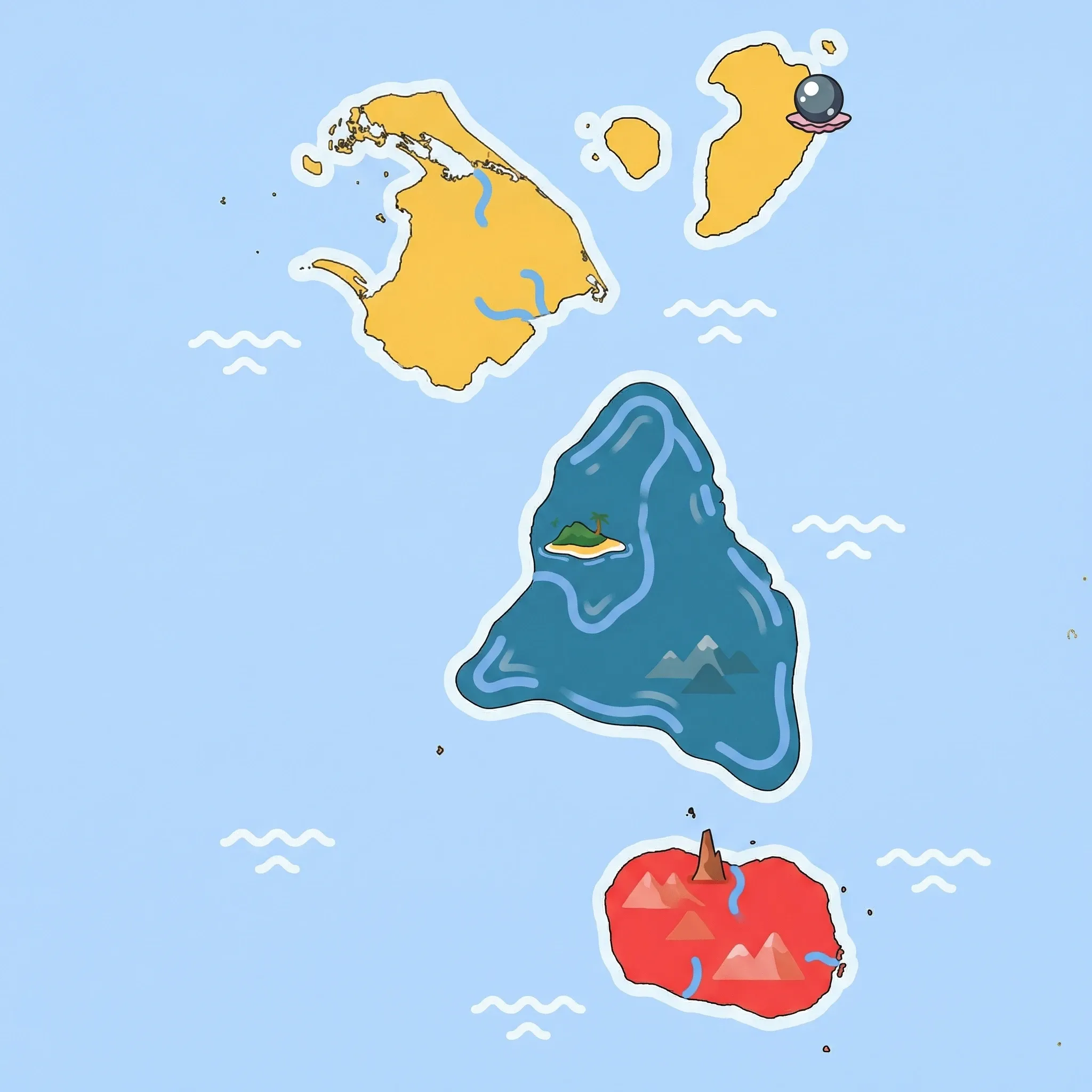
Click a region to explore
Rarotonga is the perfect entry point for families visiting the South Pacific. It is small enough to drive around in 45 minutes yet diverse enough to keep children entertained for weeks. The island is dominated by a dramatic mountainous interior, draped in lush rainforest, while the coast is ringed by white sand beaches and a protective coral reef. This geography creates a natural swimming pool around the island—the lagoon—where the water is warm, shallow, and free of dangerous currents, making it ideal for young swimmers.
The atmosphere is incredibly family-friendly. Locals adore children, and the 'island time' philosophy means stress melts away the moment you arrive. Unlike many tropical destinations, there are no poisonous snakes or dangerous wild animals on land, and the main road is easy to navigate. Families can explore local markets, watch cultural drumming shows, or simply hunt for hermit crabs on the beach at sunset.
Key Attractions
For a day of water-based fun, Muri Lagoon is the island's hub. Here, you can rent kayaks, paddleboards, or take a glass-bottom boat tour to see giant trevally and colorful reef fish without getting wet. The water is shallow enough to stand in for hundreds of meters out. At night, the area comes alive with the Muri Night Markets, offering a feast of local foods.
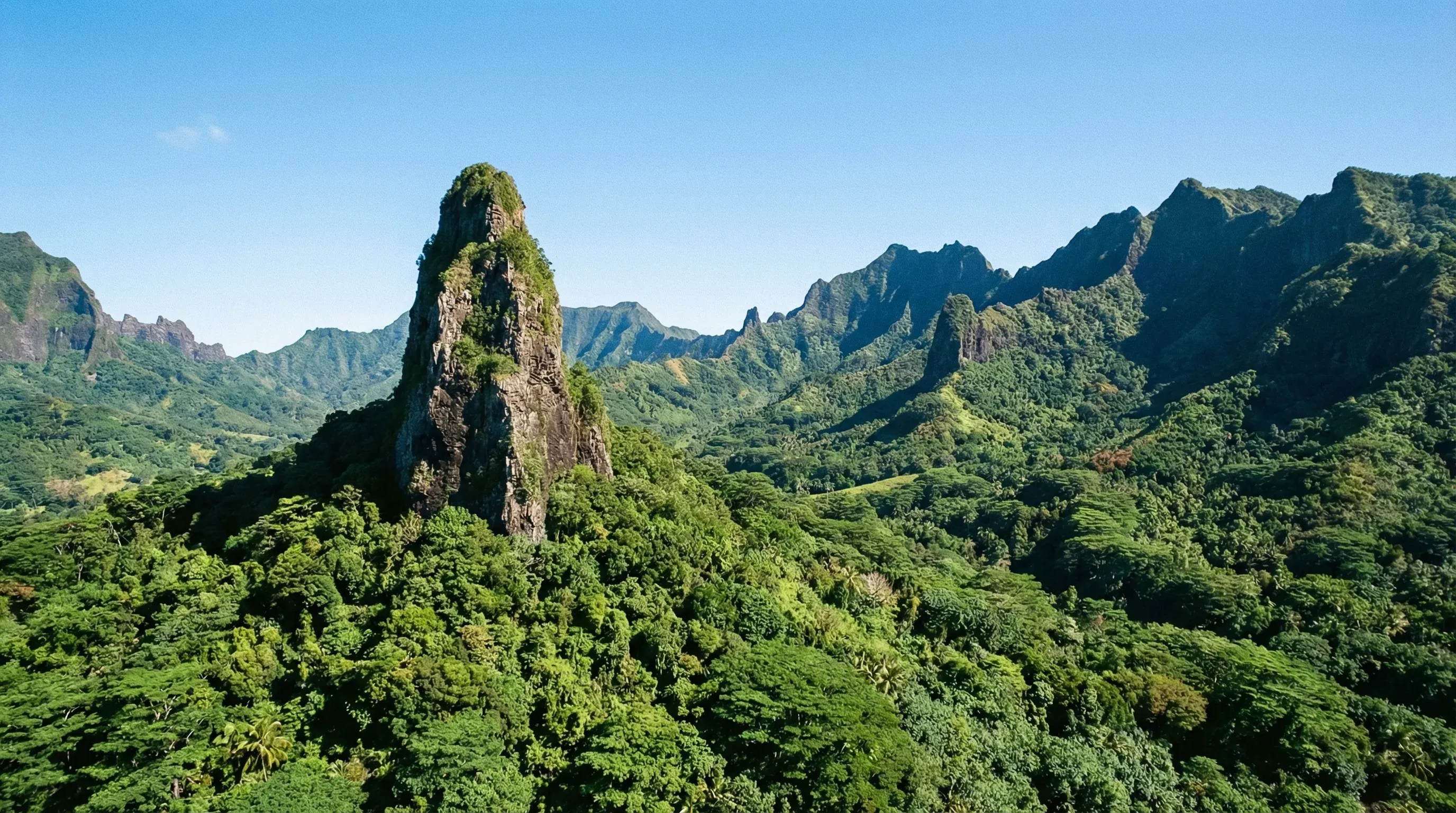
For families with energetic teenagers, the Cross-Island Track (Te Rua Manga) offers a genuine adventure. This hike cuts through the dense interior rainforest and passes the base of 'The Needle', a spectacular rock formation. It requires a moderate level of fitness and sturdy shoes, but the view from the top is unforgettable. It's a great way to introduce kids to the island's volcanic origins.
Practical Advice
Rarotonga is a year-round destination, but the shoulder seasons (April-May and September-October) offer the best balance of warm weather and fewer crowds. Tap water is generally treated but many visitors prefer bottled or filtered water. Sun protection is critical; the UV index is very high even on cloudy days.
Food & Drink
Typical meal times: Cafes open early around 7:30 am. Lunch is 12:00 pm to 2:00 pm. Dinner service usually starts at 6:00 pm, with kitchens closing by 9:00 pm.
Typical meal costs: A burger or fish and chips takeaway costs NZD 15–25 (approx. $9–15 USD / €8–14 EUR). A main course at a nice restaurant is NZD 30–45 (approx. $18–27 USD / €17–25 EUR).
Dietary requirements: Vegetarian, vegan, and gluten-free options are widely available in Avarua and Muri. Most cafes are very allergen-aware compared to other Pacific islands.
Signature dishes:
- Rukau – Young taro leaves cooked in coconut cream, often with caramelized onions. It has a spinach-like texture but a richer, nuttier flavor.
- Ika Mata – Fresh raw tuna marinated in lime and coconut cream, served everywhere from markets to high-end restaurants.
- Mayonnaise Salad – A local staple at BBQs and celebrations, made with potato, chow mein noodles, and beetroot.
Why this score?
The island features the rugged Cross-Island Track and jungle interior, but the well-developed ring road and accessible beaches make it very easy to navigate. Most visitors stay within the safe, developed coastal fringe where tourism infrastructure is highly concentrated.
Why this score?
Rarotonga Hospital in Avarua is the country's primary medical facility, offering basic surgical and inpatient services suitable for most tourist needs. However, for serious conditions or complex procedures, patients are routinely stabilized and flown to New Zealand.
Why this score?
As the international gateway and main population center, Rarotonga hosts the vast majority of the country's tourists and all of its major resorts. While it is the heart of Cook Islands tourism, its total annual visitor count is small compared to major global or even regional Pacific destinations like Fiji.

Rarotonga fits a mid-range budget well. Self-catering accommodation is plentiful and costs NZD 200–350 (approx. $120–215 USD / €110–200 EUR) per night for a family unit. Eating at night markets is cheap (NZD 15–20 per plate), while grocery prices are similar to New Zealand but with higher costs for fresh produce and dairy.

Getting Here & Around
Getting Here
- Airports – Rarotonga International Airport (RAR) is the main gateway, with direct flights from Auckland, Sydney, and Los Angeles.
- Transfers – Most hotels offer shuttle transfers, or you can pick up a rental car directly at the airport.
Getting Around
- Bus – The 'Clockwise' and 'Anti-Clockwise' buses circle the island every hour. It's a fun, cheap way for families to see the island. Drivers are friendly and will drop you anywhere safe.
- Car Hire – Recommended for families. A car allows you to carry beach gear and groceries easily. Driving is on the left.
- Scooter – Popular, but requires a local skills test if you don't have a motorcycle license from back home. Generally safer to rent a car with small children.
Nearby Airports (1 airport)
Rarotonga International
RARRarotonga
View full flight map for Cook Islands →
Official Links

Packing List
Coral cuts are common; essential for Muri Lagoon and snorkeling spots.
Rental gear is available but often doesn't fit small faces well; bring your own for kids.
Required to rent a car or scooter; you cannot rent without a valid physical license.
UV intensity is extreme; sunscreen washes off, but shirts provide all-day protection.
Crucial for protecting the fragile lagoon ecosystem while avoiding sunburn in the strong tropical UV.
Required to rent a car or to apply for a visitor scooter license at the police station; digital copies are often not accepted.
Mosquitoes can be active day and night, and dengue fever outbreaks do occur occasionally.
Highly useful for keeping cameras and phones dry during lagoon cruises, kayaking trips, or sudden tropical showers.

Activities & Best Times

Hiking, wildlife, outdoor exploration, ecotourism
The rugged interior, highlighted by the Cross-Island Track and Te Rua Manga, offers authentic tropical jungle exploration and dramatic volcanic landscapes. Hiking is best during the drier winter months when trails are safer and the heat is manageable for active families.

Urban tourism, museums, historical sites, architecture
Avarua provides a sophisticated yet intimate Polynesian cultural experience with its historic coral churches, botanical gardens, and vibrant local art scene. Visitation is ideal during the dry season when outdoor markets and cultural performances are most frequent and comfortable.

Sport tourism, fitness activities, active recreation
Established infrastructure for cycling, guided trekking, and lagoon sports caters well to families seeking an active holiday. The dry season (May-Oct) is critical for trail safety and to avoid the extreme humidity that can hinder strenuous physical activity.
Beach resorts, marine activities: diving, snorkelling, kite surfing, wind surfing, sailing
Muri Lagoon and Titikaveka offer exceptional, safe snorkeling in protected turquoise waters with high visibility. Peak season from June to October provides the lowest rainfall and humidity, ensuring calm lagoon conditions and optimal water clarity for families.

Learning experiences, scientific sites, historical education
Purpose-built facilities like the Discover Marine and Wildlife Centre offer high-quality, destination-specific ecological education for children. These centers are excellent indoor alternatives during shoulder months, though they align with the main tourism season for full programming.

Scenic drives, countryside tours, route-based travel
The island's two main roads, Ara Tapu and the ancient Ara Metua, provide a simple but charming self-drive loop through coastal and rural landscapes. Driving is most enjoyable during the clear-sky months when scenic vistas and roadside fruit stalls are most accessible.




Public Holidays & Calendar Next 12 months
Public holidays, festivals, cultural celebrations, and seasonal natural phenomena coming up in Rarotonga over the next 12 months.
Loading holidays and events...

Travel Advisory
All six major agencies agree on the lowest risk level for the Cook Islands, citing a stable security environment. Primary concerns are limited medical infrastructure and seasonal natural hazards rather than human-caused threats.
Safety Topics
Traveller Advice (3 groups)

Some official sources warn that same-sex acts are legally prohibited and social attitudes can be conservative, potentially leading to discrimination.

Visitors should dress modestly when in local villages and are advised not to leave bags or valuables unattended on public beaches.

Individuals participating in marine activities should be extremely cautious of strong currents in reef passages, which pose a significant risk to swimmers and divers.
Agency Summaries
A standard level of caution is recommended. Major considerations include opportunistic petty crime in tourist hubs and natural risks like tropical storms and tsunamis. Medical resources are particularly limited outside the main island.
The security landscape is largely comparable to that of New Zealand. Visitors should focus on protecting personal property from theft and remaining prepared for seasonal tropical storms and marine hazards.
The United States government suggests visitors maintain standard safety measures as the country is characterized by a stable security environment and low crime rates.
Travelers should maintain standard safety awareness. The country is generally secure, though visitors should be mindful of limited healthcare infrastructure and the potential for severe weather during the cyclone season. Same-sex relations are legally restricted.
No elevated safety warnings are currently active. Travelers are advised to ensure they have robust travel insurance that includes emergency medical flights to New Zealand, as local hospitals lack specialized equipment.
General safety measures are sufficient for Irish citizens. Short-term visitors typically enter without a visa. Assistance is provided via the Irish embassy located in New Zealand.
Information is provided for general guidance only and does not constitute travel, safety, medical, or legal advice. Conditions may change. Users are responsible for independently verifying information before travel.