
Guanacaste & Nicoya (Pacific northwest)
Sun, surf, and sabanero culture 🤠🌊
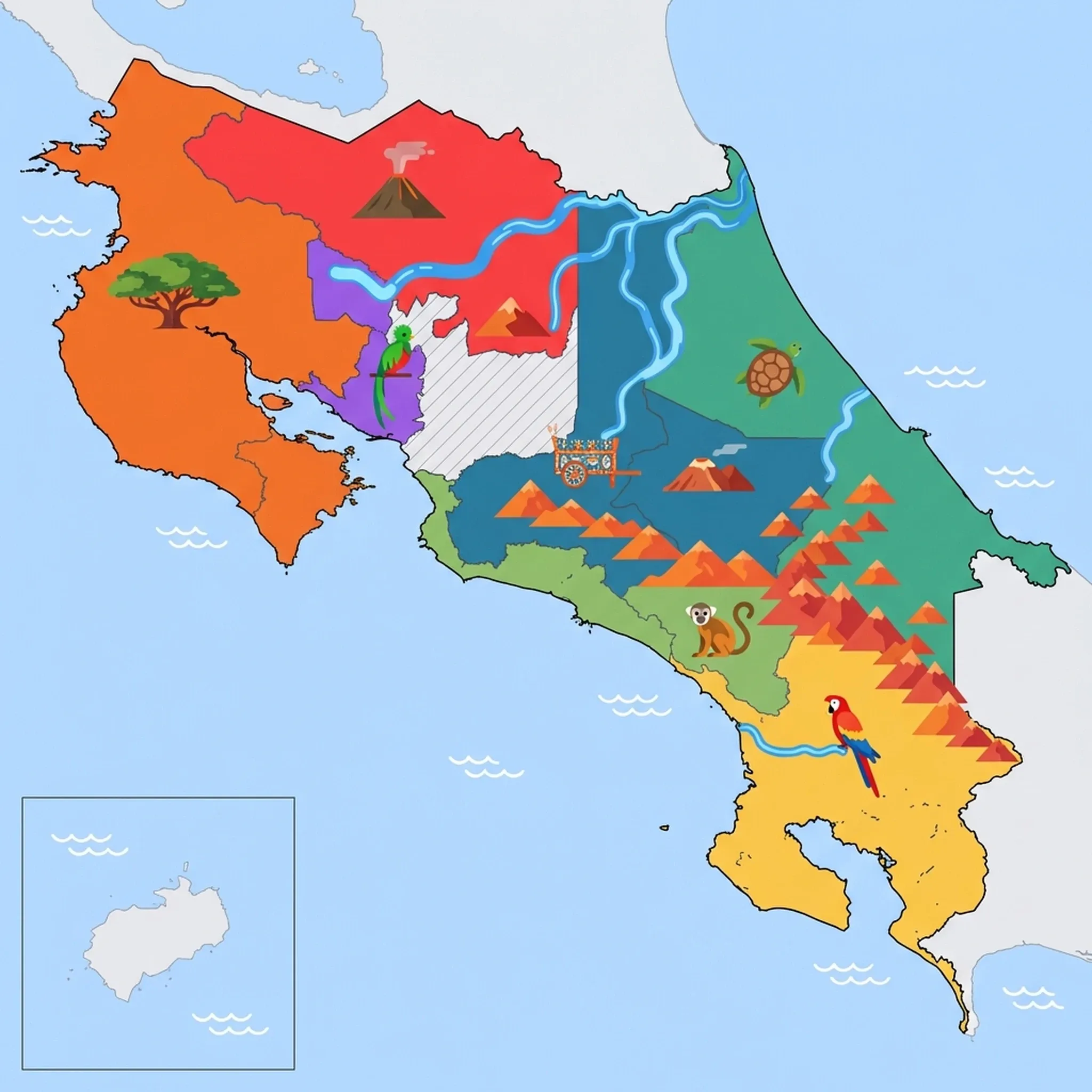
Click a region to explore
Overview
Guanacaste is the driest and sunniest province in Costa Rica, making it a reliable choice for families seeking beach time, even during the rainy season elsewhere. The landscape here is distinct—think golden savannas, flowering Cortez Amarillo trees, and cattle ranches, rather than dense rainforest. This is the land of the "Sabanero" (Costa Rican cowboy), and the local culture is rich with folklore, marimba music, and traditional horsemanship. For tourists, the coastline offers a string of diverse beaches, from the calm, family-friendly waters of Samara to the surfing hubs of Tamarindo and Nosara.
Beyond the beach, the region is geologically fascinating. The volcanic mountain range offers hiking trails that pass bubbling mud pots, fumaroles, and waterfalls. It is a region that encourages outdoor activity, whether it's zip-lining through a dry forest canyon, taking a surf lesson, or snorkeling in crystal-clear waters. The infrastructure is excellent, with the Daniel Oduber Quirós International Airport (LIR) in Liberia providing easy access to the coast, bypassing the traffic of San José entirely.
Key Attractions
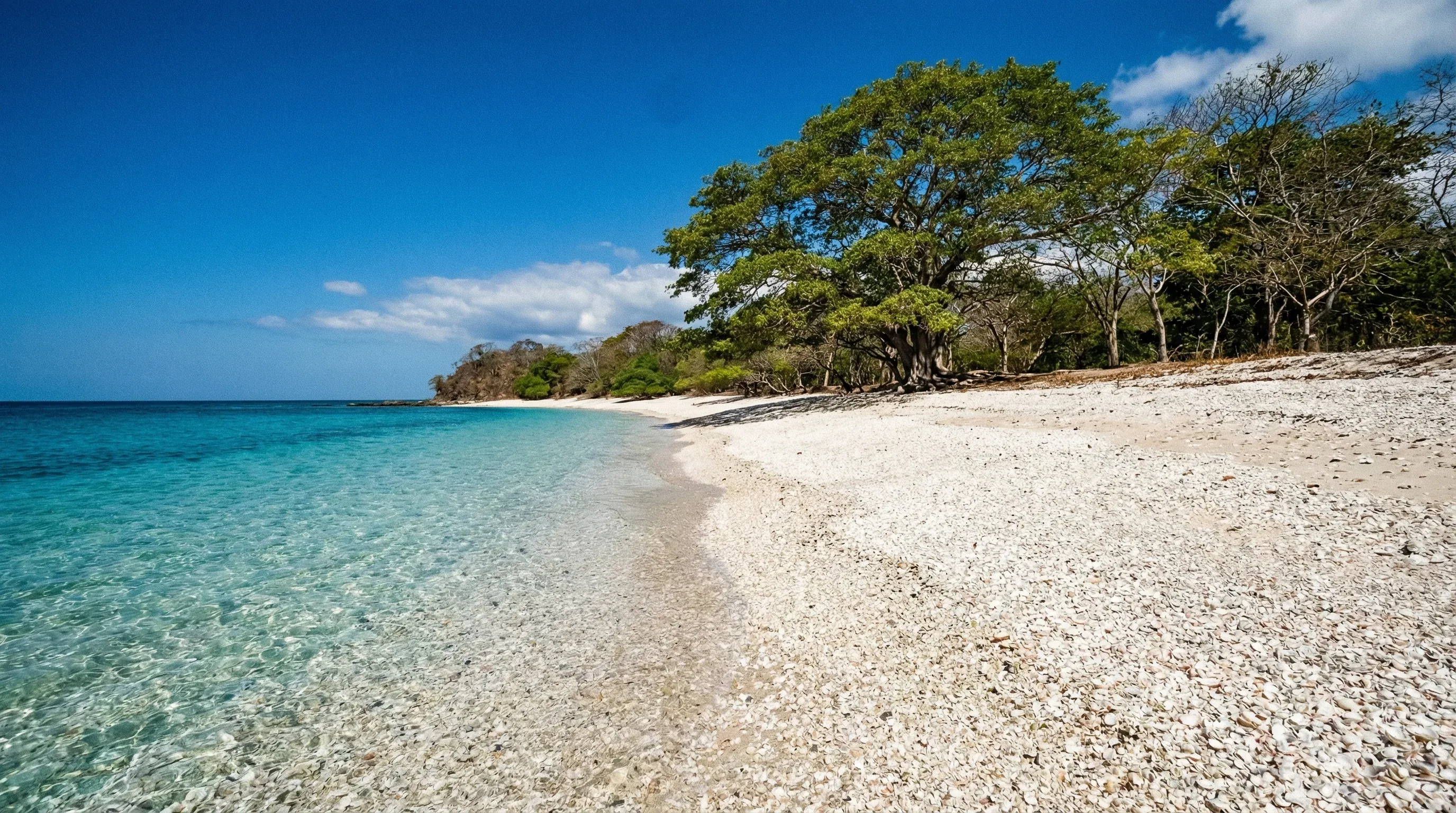
Beach hopping is the main activity here. Playa Conchal is unique for its "sand" made entirely of millions of crushed tiny shells, offering crystal clear turquoise water perfect for snorkeling. For active families, Playa Tamarindo is the surfing capital, with gentle waves ideal for children's first lessons and a bustling town full of restaurants. Further inland, Rincón de la Vieja National Park offers a "Jurassic Park" vibe where you can walk past boiling mud and steam vents without a strenuous hike—the Las Pailas loop is particularly kid-friendly.
History buffs should visit Santa Rosa National Park, home to the historic La Casona and the Santa Rosa National Park Museum, which commemorates a pivotal battle in Costa Rican history. It also protects one of the last remaining tropical dry forests in the world. For a day trip involving nature's magic, the Rio Celeste in Tenorio Volcano National Park is accessible from this region too.
Practical Advice
It gets very hot here (often 32°C/90°F+). Plan activities for early morning or late afternoon. Hydration is key. Renting a 4x4 is recommended if you plan to explore the Nicoya Peninsula (Nosara/Samara) as unpaved roads can be bumpy.
Food & Drink
Typical meal times: Lunch 12:00 pm to 2:00 pm; Dinner 6:00 pm to 9:00 pm.
Typical meal costs: Varies wildly. Local sodas: ₡4,000–6,000 (approx. $8–12 USD / €7–11 EUR). Tourist restaurants: ₡10,000–20,000 (approx. $19–38 USD / €18–36 EUR).
Dietary requirements: Very accommodating in tourist towns (Tamarindo/Nosara) with many vegan/organic cafes. Traditional food is corn-heavy and naturally gluten-friendly.
Signature dishes:
- Tortillas Guanacastecas – Large, thick handmade corn tortillas, often served with cheese (cuajada) for breakfast.
- Gallina Achiotada – Farm hen cooked with achiote (annatto) giving it a vibrant orange color and savory flavor.
- Arroz de Maíz – A savory yellow rice dish actually made from corn, not rice, cooked with chicken and spices.
Why this score?
The region offers a mix of dry forest exploration at Rincón de la Vieja and water-based adventure like surfing and snorkeling. While it has rugged volcanic areas and mountain bike trails at Las Catalinas, much of the tourism is centered around high-end resort comfort. It offers good outdoor recreation but lacks the deep-jungle isolation found in the southern or eastern regions.
Why this score?
Liberia serves as a regional medical hub with private hospitals like San Rafael Arcángel that offer high-quality care to foreigners. Many of the major resort areas have localized private clinics with English-speaking doctors to handle common tourist ailments. While not as comprehensive as San José, the medical infrastructure is robust enough to handle most non-critical situations efficiently.
Why this score?
This is Costa Rica's premier sun-and-sea destination, home to the Daniel Oduber Quirós International Airport (LIR) which brings in millions of tourists directly. The region is characterized by luxury resorts, golf courses, and famous beach towns like Tamarindo and Nosara. Its popularity is bolstered by a drier climate and world-class surfing, making it a major international draw comparable to top Caribbean destinations.

Guanacaste has a wide range. Luxury resorts on the Papagayo Peninsula can cost over ₡500,000 ($1,000 USD) a night, but family cabins in Samara or Coco can be found for ₡40,000–60,000 (approx. $78–115 USD / €72–108 EUR). Dining prices in Tamarindo are comparable to US/Europe prices; local towns are much cheaper.
Family Travel Notice
Minors who hold dual citizenship (Canadian and Costa Rican) require specific departure approval from Costa Rican immigration authorities to leave the country. This permission must be requested by both parents in advance.

Getting Here & Around
Getting Here
- Airports – Liberia International Airport (LIR) is the main hub, located just 1 hour from Playa Conchal and nearby beaches.
- Driving – The Inter-American Highway (Route 1) is excellent. Roads to major beaches like Playa Tamarindo are paved.
- Bus – Frequent public buses connect Liberia to the coastal towns and San José.
Getting Around
- Car – Highly recommended for beach hopping. While main roads are paved, exploring the Nicoya Peninsula often requires a vehicle with high clearance.
- Shuttle – Shared shuttles are a stress-free way to move between hotels and the airport or attractions like Rincón de la Vieja National Park.
- Walking – Beach towns are generally walkable, but distances between towns are significant.
Nearby Airports (3 airports)
Daniel Oduber Quiros International
LIRGuanacaste
Nosara Beach
NOBNosara Beach
Tamarindo Airport
TNOTamarindo
View full flight map for Costa Rica →
Official Links

Packing List
The sun is relentless here, and chemical sunscreens are damaging to the coral reefs.
Dry unpaved roads create lots of dust when driving or riding ATVs.
Dehydration happens fast in the dry heat; easy to mix into water bottles for kids.
Essential for surfing lessons to prevent board rash and sunburn.
High humidity can damage cameras and phones; keep these in your electronics bag to absorb moisture.
Essential for night walks and turtle watching tours to avoid disturbing wildlife with bright white light.
Protects gear during boat transfers (wet landings) and sudden tropical downpours.
Protect feet from sharp rocks and slipping during waterfall hikes; flip-flops often float away.
Sloths and monkeys are often high in the canopy; kids will miss them without their own pair.
Roads to Monteverde and the coast are notoriously winding and hilly.

Activities & Best Times

Hiking, wildlife, outdoor exploration, ecotourism
Home to globally significant dry forest ecosystems, active volcanoes like Rincón de la Vieja, and world-renowned wildlife corridors. The dry season ensures trail accessibility and optimal wildlife viewing, while September and October see extreme precipitation that can close park access.

Sport tourism, fitness activities, active recreation
Boasts world-class adventure infrastructure for zip-lining, mountain biking, and surfing centered around major hubs like Tamarindo and Papagayo. Conditions are most consistent during the sun-drenched dry months, with the wet season bringing mud that impacts trail sports and cycling.

Beach resorts, marine activities: diving, snorkelling, kite surfing, wind surfing, sailing
Offers high-quality coastal experiences at Playa Conchal and Tamarindo with excellent infrastructure for families. Dry months provide the calmest waters and best visibility for water activities, while the height of the monsoon season degrades sea conditions and beach access.

Urban tourism, museums, historical sites, architecture
Nicoya offers authentic colonial heritage, but it's a small town, not a major cultural destination. 'Very_good' should require density of globally significant cultural attractions (e.g., multiple UNESCO sites, major museums, historic districts). 'Good' appropriately recognizes colonial charm without international-level significance.

Spa retreats, wellness centers, peaceful getaways
Established wellness destination featuring unique volcanic hot springs and world-class retreat centers on the Nicoya Peninsula. While accessible year-round, the dry season is preferred by international travelers for outdoor yoga and thermal bathing, though the lush green season offers a more secluded vibe.

Scenic drives, countryside tours, route-based travel
Celebrated scenic routes like the Nicoya Highway offer spectacular coastal and mountain views through varied microclimates. Driving is safest and most enjoyable when roads are dry, as heavy rains in September and October can lead to washouts and challenging conditions on unpaved secondary routes.

Learning experiences, scientific sites, historical education
Provides niche learning opportunities through facilities like the Ad Astra Rocket Company and the Santa Rosa Museum. These sites serve as secondary activities during the peak tourism window, with accessibility occasionally hampered by seasonal weather extremes in the late wet season.

Amusement parks, family entertainment venues
Localized entertainment options like Dino Park and aquatic centers provide family diversion but lack the scale of global theme park destinations. Operational consistency and visitor comfort are highest during the dry months when outdoor attractions are fully accessible.

Attractions (18 total)



Public Holidays & Calendar Next 12 months
Public holidays, festivals, cultural celebrations, and seasonal natural phenomena coming up in Guanacaste & Nicoya (Pacific northwest) over the next 12 months.
Loading holidays and events...

Travel Advisory
Most major agencies recommend exercising increased vigilance or a high degree of caution primarily due to the risk of crime. While the country is generally stable, petty theft is pervasive and violent crime is a significant concern in certain urban and coastal regions.
Safety Topics
Traveller Advice (4 groups)

There has been an increase in reports of sexual harassment and assault targeting foreign visitors. Women should be particularly cautious in bars, avoid leaving drinks unattended, and refrain from walking alone in poorly lit or isolated areas at night.

Minors who hold dual citizenship (Canadian and Costa Rican) require specific departure approval from Costa Rican immigration authorities to leave the country. This permission must be requested by both parents in advance.

While Costa Rica is generally more progressive than some regional neighbors, travellers should still be mindful of local attitudes and consult specific safety guides regarding public displays of affection in less urbanized areas.

Adventure seekers should ensure their insurance covers medical evacuation. Be extremely cautious of dangerous rip currents on both coasts, as most beaches lack lifeguards. Check local alerts before visiting volcanic regions, particularly Poás Volcano.
Agency Summaries
Increased caution is advised due to the prevalence of crime. Both petty theft and violent incidents, such as armed robberies and sexual assaults, affect tourists. Staying alert in isolated areas and avoiding displays of wealth is recommended.
Vigilance is necessary due to the threat of violent crime. Criminals frequently target transit hubs and tourist resorts for robberies, carjackings, and 'express kidnappings.'
There are no specific restrictions against travel to any part of the country, but visitors should be aware of significant levels of mugging and theft, particularly on the Atlantic coast and in urban centers.
General safety awareness is required, with specific focus on risks from natural hazards like hurricanes and volcanic activity, as well as maintaining personal security against crime.
Travellers should be extremely vigilant because of high crime rates. Common issues include petty theft, vehicle break-ins, and passport theft, which are especially prevalent in San José and popular coastal provinces like Puntarenas.
Heightened security concerns exist compared to domestic safety standards. Violent crime, including home invasions and gang-related muggings, are notable risks alongside widespread petty theft.
Information is provided for general guidance only and does not constitute travel, safety, medical, or legal advice. Conditions may change. Users are responsible for independently verifying information before travel.