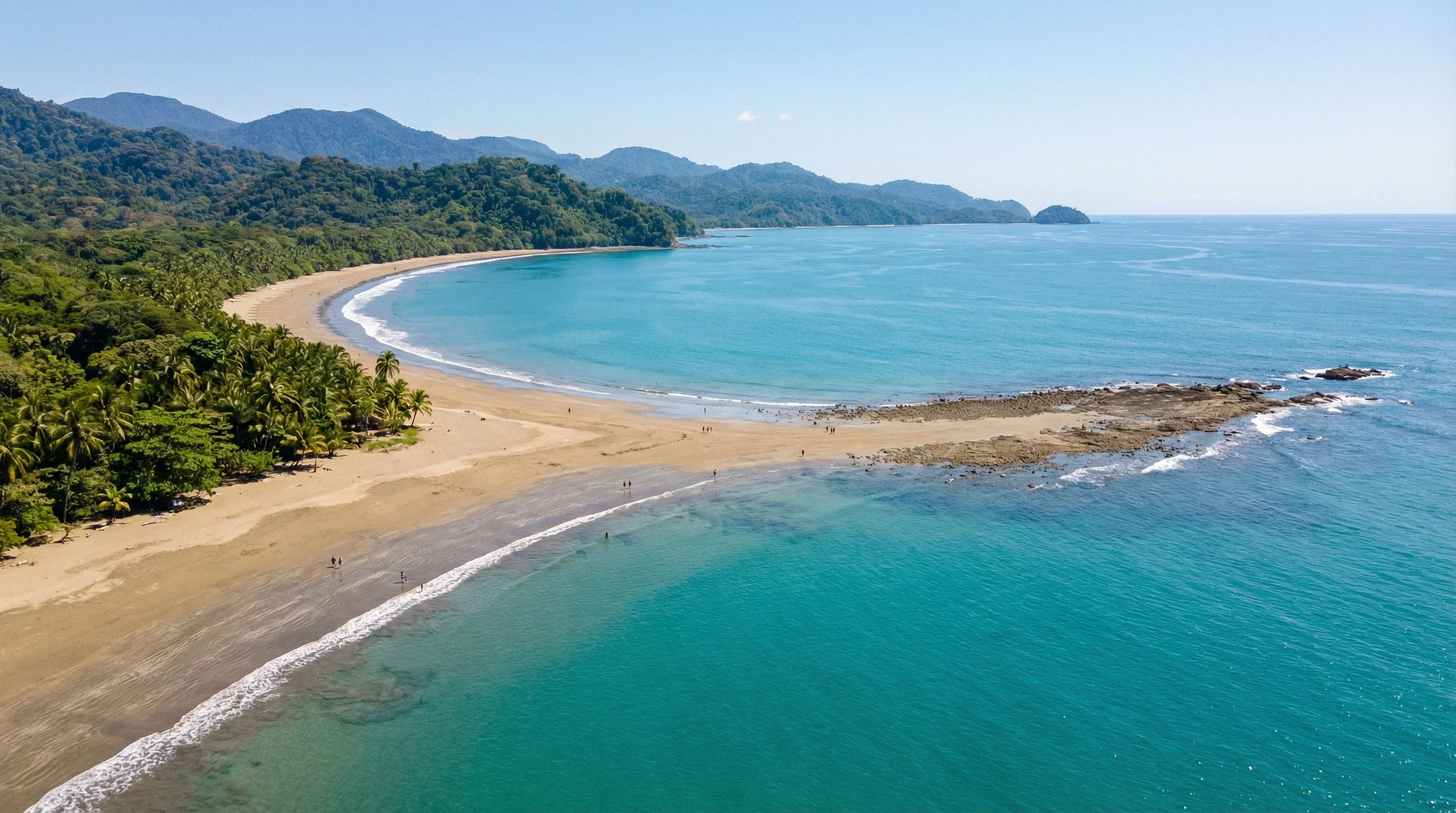

Osa Peninsula & Southern Pacific
The wild, beating heart of Costa Rica's biodiversity 🐋🌿
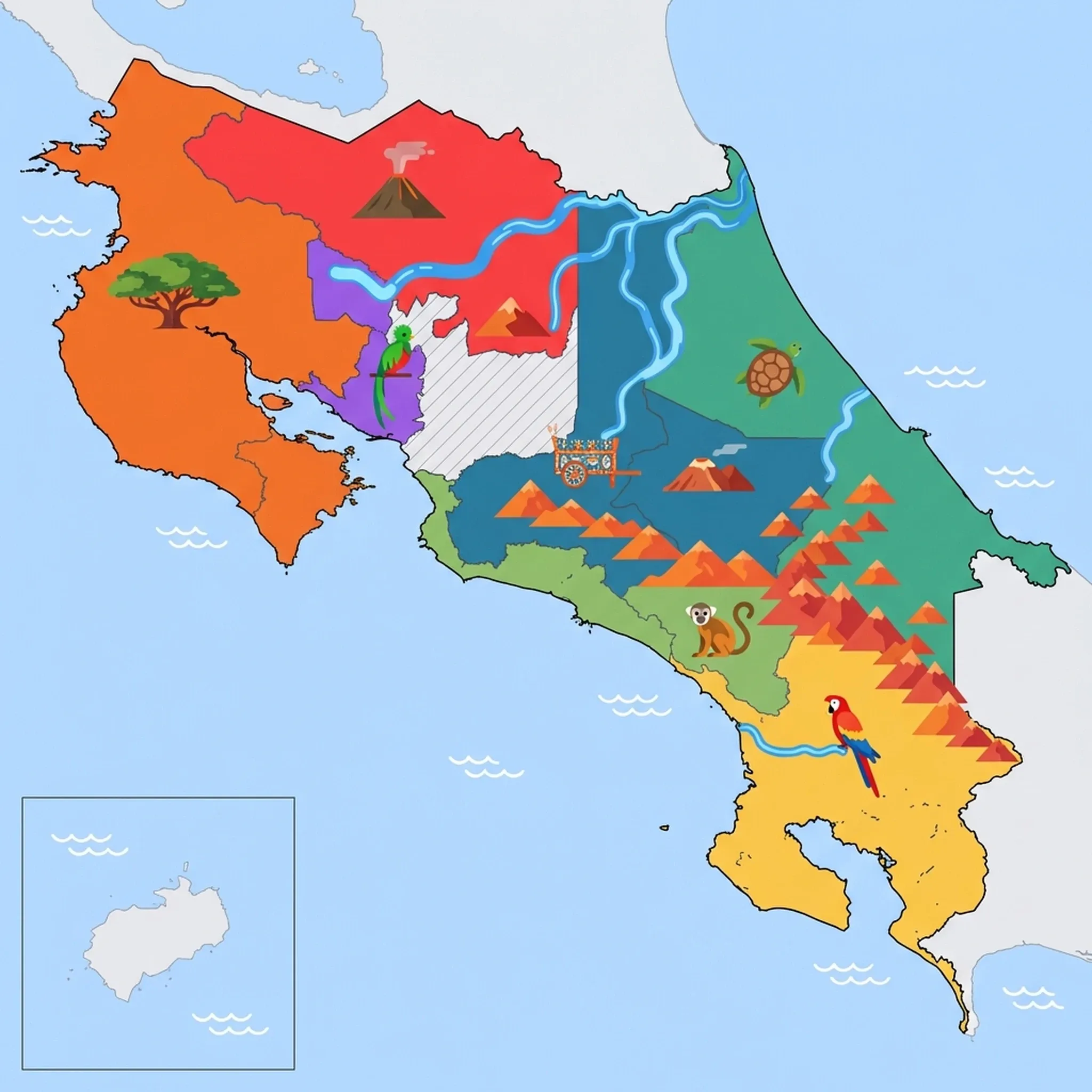
Click a region to explore
Overview
The Osa Peninsula and Southern Pacific zone is often described as the "final frontier" of Costa Rican tourism. National Geographic famously called it "the most biologically intense place on Earth." For adventurous families, this is paradise. The region encompasses the wild Corcovado National Park, the whale-watching hub of Uvita, and the surf town of Dominical. Unlike the north, the jungle here is dense, tall, and primary, often spilling right onto the beaches.
This is not a place for all-inclusive resorts; it is a place for eco-lodges, boat landings, and early bedtimes. The wildlife is spectacular—it is one of the few places to see all four of Costa Rica's monkey species, plus tapirs, anteaters, and sharks. The ocean is equally alive, with Marino Ballena National Park being a world-class site for spotting Humpback Whales (seasons: July–Oct and Dec–March). While the logistics are more challenging and the travel times longer, the reward is an uncrowded, deeply immersive nature experience.
Key Attractions
Adventure starts with the journey itself. Driving the Cerro de la Muerte - Inter-American Highway South offers breathtaking high-altitude views as you descend into the tropics. In the Dominical/Uvita area, the Nauyaca Waterfalls are a standout highlight. These two massive tiered waterfalls have a large swimming canyon at the bottom. Families can reach them by hiking (tough for small legs), horseback, or a 4x4 truck tour, making it accessible for various ages.
While not strictly in the provided table, the region's main draw is Corcovado National Park (best accessed via boat from Drake Bay or Sierpe) and the "Whale Tail" sandbar formation in Uvita. A boat tour through the Sierpe Mangroves is also a magical experience for children, allowing them to spot snakes, crocodiles, and monkeys from the safety of a boat.
Practical Advice
This region is remote. Hospitals and large pharmacies are scarce (Golfito or Cortes). ATMs can be empty on weekends. 4x4 vehicles are often necessary, especially in rainy season (May–Nov). The sun is extremely strong; hydration is critical.
Food & Drink
Typical meal times: Early. Lunch 11:30 am to 1:30 pm; Dinner 6:00 pm to 8:00 pm. Many lodges serve set meals at specific times.
Typical meal costs: Varies. Local sodas: ₡4,500 (approx. $9 USD / €8 EUR). Eco-lodges often include meals in the room rate because there are no nearby restaurants.
Dietary requirements: Eco-lodges are generally good at accommodating needs if warned in advance. In towns like Uvita, vegan options are common.
Signature dishes:
- Ceviche de Piangua – A distinct dark ceviche made from black ark clams harvested in the local mangroves.
- Pescado Entero – Whole fried red snapper, usually served with patacones (fried plantains) and lime.
- Exotic Fruits – The region grows mamón chino (rambutan), mangosteen, and snake fruit; try them at roadside stands.
Why this score?
This is Costa Rica's most rugged and wild region, featuring primary rainforests, remote boat-access lodges, and challenging hiking trails like the Sirena station routes. It is an expedition-style destination where tourists are fully immersed in a landscape with high heat, humidity, and intense wildlife activity. It represents the peak of adventure tourism in the country, far removed from the manicured trails of the north.
Why this score?
Medical infrastructure is extremely sparse, with only small public clinics in towns like Puerto Jiménez and Drake Bay. Serious medical emergencies often require expensive and weather-dependent air evacuations to San José. The lack of road access to many lodges in the Osa Peninsula makes this one of the most medically challenging regions for travelers with pre-existing conditions.
Why this score?
Despite its world-class biodiversity, the Osa Peninsula remains one of the least visited major regions due to its remote location and higher cost of travel. It caters to a niche market of serious nature lovers and adventurous families who are willing to forgo luxury for wildlife encounters. Visitor numbers are strictly limited in many areas, such as Corcovado, to preserve the delicate ecosystem.

Costs are polarized. You can backpack cheaply in Uvita (hostels ₡10,000 / $20 USD), or spend heavily on all-inclusive eco-lodges in Drake Bay ($300+ USD per person/night). Transport is a major cost factor here due to the distances and boat transfers required.
Family Travel Notice
Minors who hold dual citizenship (Canadian and Costa Rican) require specific departure approval from Costa Rican immigration authorities to leave the country. This permission must be requested by both parents in advance.

Getting Here & Around
Getting Here
- Driving – The drive from San José via the Cerro de la Muerte - Inter-American Highway South or the coastal Route 34 takes 4–6 hours depending on the destination (Uvita vs Puerto Jimenez).
- Air – Domestic flights to Drake Bay (DRK) or Puerto Jiménez (PJM) save hours of driving and offer spectacular views.
- Boat – Many visitors reach Drake Bay via a scenic hour-long boat ride from the town of Sierpe.
Getting Around
- 4x4 Car – Essential if you are driving. Many driveways and side roads to waterfalls like Nauyaca Waterfalls are steep and unpaved.
- Boat – In Drake Bay, boats are the primary taxi service to get to beaches and the national park.
- Taxi – Available in towns like Uvita and Puerto Jimenez, but expensive for long distances.
Nearby Airports (3 airports)
Drake Bay Airport
DRKDrake Bay
Golfito Airport
GLFGolfito
Puerto Jimenez Airport
PJMPuerto Jimenez
View full flight map for Costa Rica →
Official Links

Packing List
Standard footwear for hiking in Corcovado to protect against mud, ants, and snakes.
mosquitoes and sandflies (purrujas) can be fierce, especially at dusk.
Boat transfers to Drake Bay or Corcovado can be choppy.
Many small operators and remote lodges do not accept cards; ATMs are rare.
High humidity can damage cameras and phones; keep these in your electronics bag to absorb moisture.
Essential for night walks and turtle watching tours to avoid disturbing wildlife with bright white light.
Protects gear during boat transfers (wet landings) and sudden tropical downpours.
Protect feet from sharp rocks and slipping during waterfall hikes; flip-flops often float away.
Sloths and monkeys are often high in the canopy; kids will miss them without their own pair.
Roads to Monteverde and the coast are notoriously winding and hilly.

Activities & Best Times

Hiking, wildlife, outdoor exploration, ecotourism
Home to Corcovado National Park, this region offers globally unique biodiversity and primary rainforest immersion. Peak dry season (Dec-Apr) is essential for trail accessibility, as extreme rainfall in Oct-Nov often causes park station closures.

Sport tourism, fitness activities, active recreation
Renowned for world-class technical hiking and consistent surfing at Dominical. Optimal conditions coincide with the dry season, while the intense tropical rains of Sept-Nov make many jungle trails impassable and dangerous.

Beach resorts, marine activities: diving, snorkelling, kite surfing, wind surfing, sailing
Offers exceptional marine biodiversity at Caño Island Biological Reserve and rugged coastal scenery. The dry season (Dec-Mar) provides the necessary underwater visibility for world-class snorkeling and diving.

Urban tourism, museums, historical sites, architecture
Features the UNESCO-listed Diquis stone spheres at Finca 6 and significant botanical collections. Best visited in the drier months to explore outdoor archaeological sites and gardens without the disruption of heavy tropical downpours.

Scenic drives, countryside tours, route-based travel
The Costanera Sur provides a scenic gateway to the rugged Osa Peninsula, though road conditions require caution. Peak dry months ensure clear vistas and safe transit, while the peak rainy season carries high risks of landslides and washouts.

Events, celebrations, seasonal attractions
Centred on the biannual Humpback whale migrations and the Envision festival. Peak windows align specifically with whale sightings in Jan-Feb and Aug-Sept, despite the high rainfall during the latter period.

Spa retreats, wellness centers, peaceful getaways
Features rustic thermal springs and high-end eco-wellness retreats integrated into the jungle. The drier months are preferred to fully enjoy the open-air pavilion style of local wellness architecture.




Public Holidays & Calendar Next 12 months
Public holidays, festivals, cultural celebrations, and seasonal natural phenomena coming up in Osa Peninsula & Southern Pacific over the next 12 months.
Loading holidays and events...

Travel Advisory
Most major agencies recommend exercising increased vigilance or a high degree of caution primarily due to the risk of crime. While the country is generally stable, petty theft is pervasive and violent crime is a significant concern in certain urban and coastal regions.
Safety Topics
Traveller Advice (4 groups)

There has been an increase in reports of sexual harassment and assault targeting foreign visitors. Women should be particularly cautious in bars, avoid leaving drinks unattended, and refrain from walking alone in poorly lit or isolated areas at night.

Minors who hold dual citizenship (Canadian and Costa Rican) require specific departure approval from Costa Rican immigration authorities to leave the country. This permission must be requested by both parents in advance.

While Costa Rica is generally more progressive than some regional neighbors, travellers should still be mindful of local attitudes and consult specific safety guides regarding public displays of affection in less urbanized areas.

Adventure seekers should ensure their insurance covers medical evacuation. Be extremely cautious of dangerous rip currents on both coasts, as most beaches lack lifeguards. Check local alerts before visiting volcanic regions, particularly Poás Volcano.
Agency Summaries
Increased caution is advised due to the prevalence of crime. Both petty theft and violent incidents, such as armed robberies and sexual assaults, affect tourists. Staying alert in isolated areas and avoiding displays of wealth is recommended.
Vigilance is necessary due to the threat of violent crime. Criminals frequently target transit hubs and tourist resorts for robberies, carjackings, and 'express kidnappings.'
There are no specific restrictions against travel to any part of the country, but visitors should be aware of significant levels of mugging and theft, particularly on the Atlantic coast and in urban centers.
General safety awareness is required, with specific focus on risks from natural hazards like hurricanes and volcanic activity, as well as maintaining personal security against crime.
Travellers should be extremely vigilant because of high crime rates. Common issues include petty theft, vehicle break-ins, and passport theft, which are especially prevalent in San José and popular coastal provinces like Puntarenas.
Heightened security concerns exist compared to domestic safety standards. Violent crime, including home invasions and gang-related muggings, are notable risks alongside widespread petty theft.
Information is provided for general guidance only and does not constitute travel, safety, medical, or legal advice. Conditions may change. Users are responsible for independently verifying information before travel.