
San José & Central Valley
Culture, craters, and coffee in the heart of the country 🌋☕
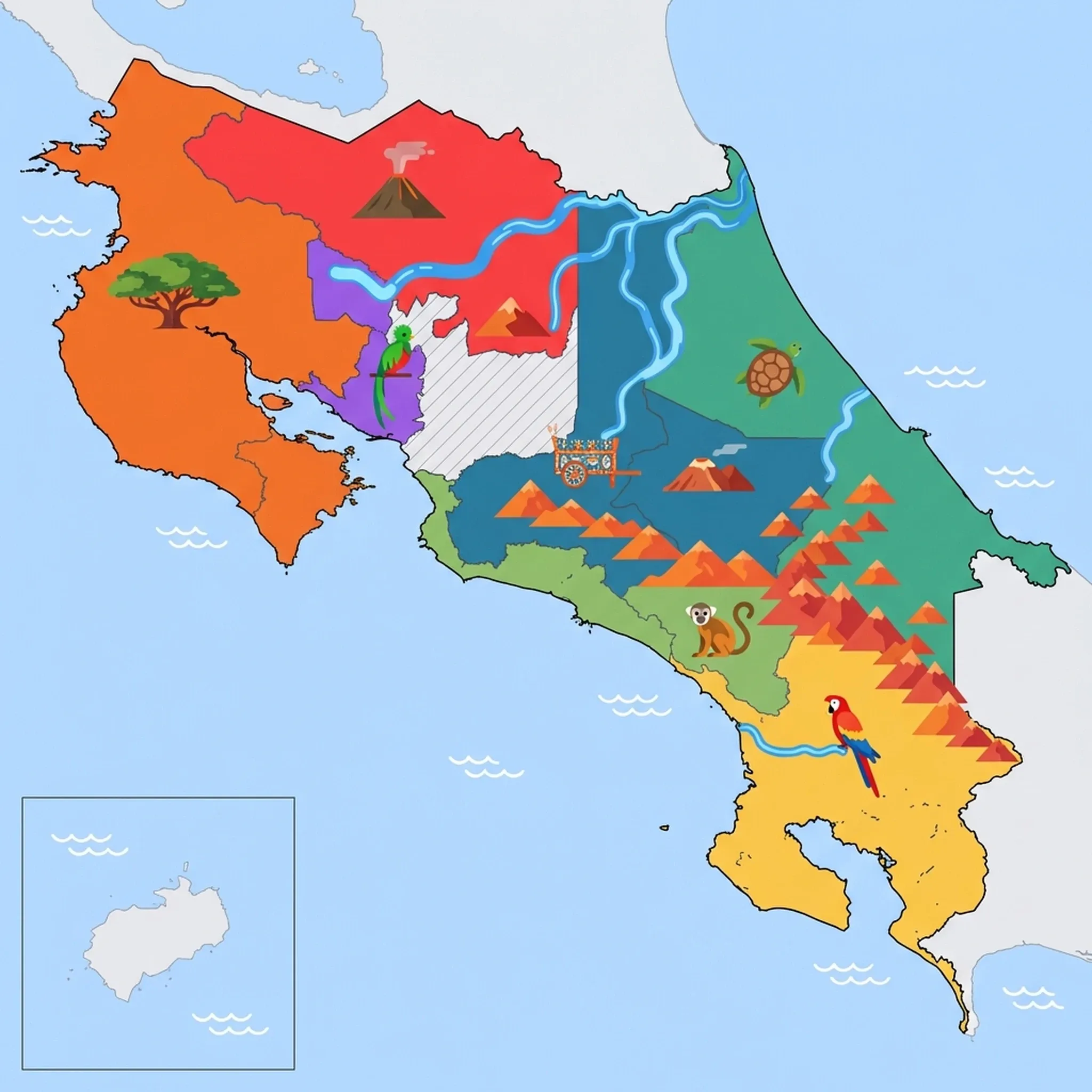
Click a region to explore
Overview
The Central Valley is where the vast majority of Costa Ricans live, and it serves as the cultural and logistical hub of the nation. While many tourists rush to the beaches, this region offers a wealth of family-friendly activities in a pleasant, "eternal spring" climate (20–25°C). It is surrounded by towering volcanoes and rolling coffee plantations. For families, this is the best place to introduce children to the country's history and culture before heading into the wild.
San José, the capital, can be chaotic, but it hides gems like world-class museums and historic theaters. Just outside the city, the landscape transforms into mist-covered mountains. The region is perfect for day trips: you can drive to the edge of an active volcano crater in the morning and visit a waterfall garden in the afternoon. It is also the safest bet for high-quality medical care and shopping if you need to stock up on supplies.
Key Attractions
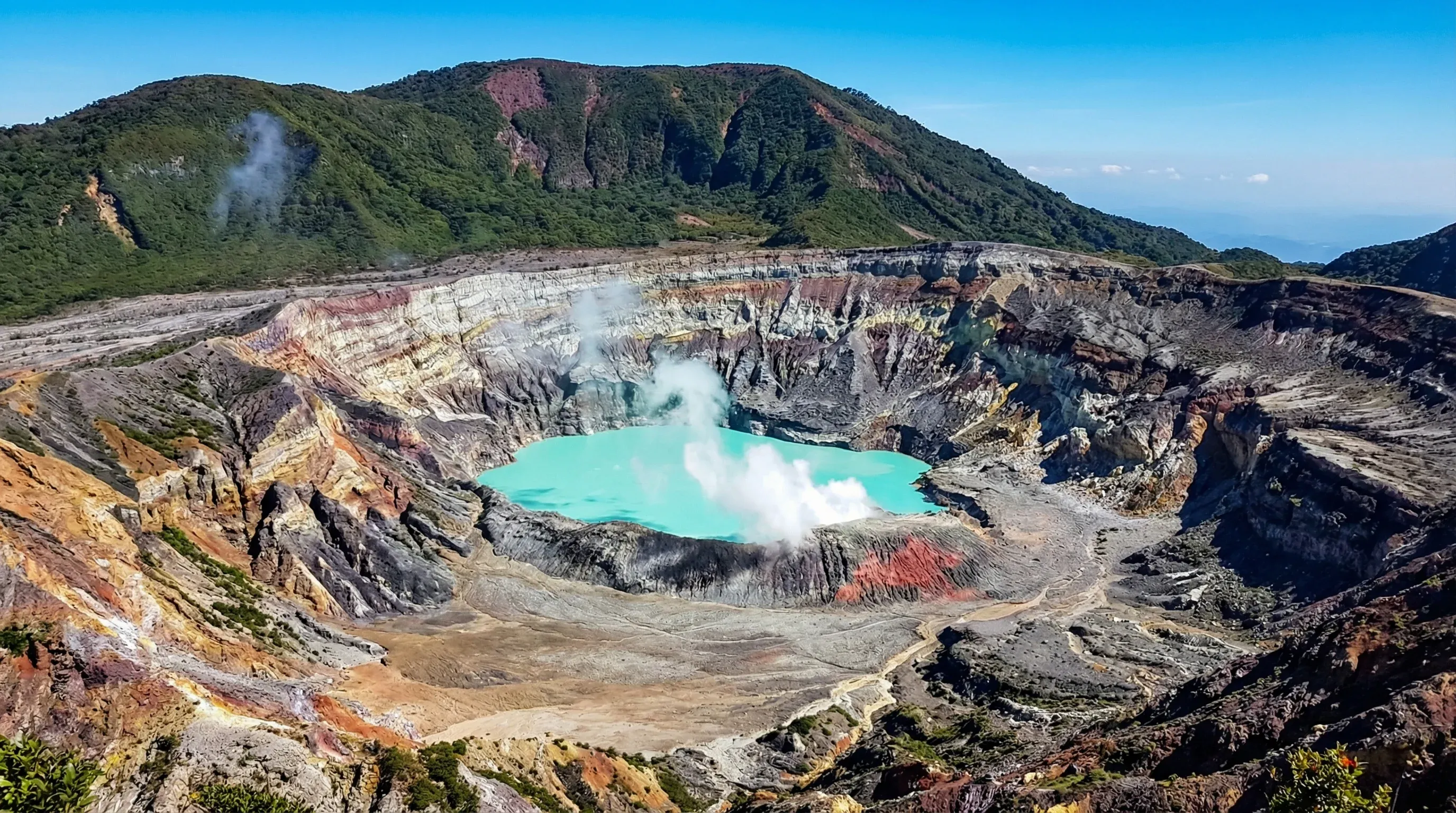
For young children, the Children's Museum (Museo de los Niños) in San José is fantastic—housed in a former prison, it is now a massive interactive science and culture center. Nature lovers should head to Poás Volcano National Park, which has one of the largest active craters in the world and is accessible via a paved path (wheelchair friendly!). Just nearby, La Paz Waterfall Gardens Nature Park is a private reserve with five waterfalls, a rescued jaguar habitat, and a hummingbird garden that kids adore.
Further east, the Irazú Volcano National Park offers a lunar-like landscape at high altitude. History is alive at the Guayabo National Monument, an ancient archaeological site, and the Basilica of Our Lady of the Angels in Cartago, the country's most important religious site. For a fun day out, the Parque Diversiones is a traditional amusement park with a charming "old town" replica section.
Practical Advice
Traffic in San José is notoriously bad; avoid driving during rush hour (7–9 am, 4–7 pm). Uber works well here. Poás Volcano requires online reservations made in advance. It can be chilly at the volcano summits—bring jackets.
Food & Drink
Typical meal times: Lunch 12:00 pm to 2:00 pm; Dinner 7:00 pm to 9:00 pm.
Typical meal costs: Wide range. ₡5,000–15,000 (approx. $10–29 USD / €9–27 EUR). High-end dining in Escazú can be pricey.
Dietary requirements: excellent. San José has a cosmopolitan food scene with vegan, gluten-free, and international options readily available.
Signature dishes:
- Chifrijo – A popular bar snack/meal involving a bowl of rice, beans, chicharrones (fried pork), and pico de gallo, served with tortilla chips.
- Olla de Carne – A rich beef and vegetable stew featuring yucca, plantain, corn, and chayote.
- Chorradas – Sweet corn pancakes served with natilla (sour cream), often found at roadside stands near the volcanoes.
Why this score?
While the surrounding volcanoes and coffee estates offer beautiful scenery, the region is primarily urban and suburban. Adventure here usually takes the form of day trips to Poás or Irazú, where visitors can drive almost to the crater rim on paved roads. It lacks the immersive, multi-day wilderness experiences found in the coastal or mountainous rainforest regions.
Why this score?
San José is the medical heart of Central America, home to JCI-accredited private hospitals like CIMA and Clínica Bíblica that cater specifically to international patients and medical tourists. These facilities offer world-class specialists, English-speaking staff, and modern technology comparable to North American standards. It is the only region in the country where complex surgeries and specialized emergency care are reliably available.
Why this score?
As the primary entry point for the country (SJO airport), nearly every visitor spends at least some time here, though many use it only as a transit hub. The region has significant cultural tourism, including museums and the National Theater, alongside natural draws like Poás Volcano. Its popularity score reflects a mix of business travelers, domestic tourists, and international visitors at the start or end of their trips.

The Central Valley offers options for all budgets. You can stay in luxury historic hotels for $150+ USD or simple family guesthouses for $50 USD. Dining can be very cheap in central markets (₡3,000 lunch) or expensive in the upscale suburbs of Escazú.
Family Travel Notice
Minors who hold dual citizenship (Canadian and Costa Rican) require specific departure approval from Costa Rican immigration authorities to leave the country. This permission must be requested by both parents in advance.

Getting Here & Around
Getting Here
- Airports – Juan Santamaría International Airport (SJO) is the country's main gateway, located in Alajuela (Central Valley).
- Driving – It is the hub of the road network. The Cerro de la Muerte (Inter-American Highway South) connects it to the south.
- Bus – All major bus lines to the rest of the country radiate from San José.
Getting Around
- Uber/Taxi – Uber is widely used, safe, and cheaper than taxis in the metro area.
- Car – Useful for day trips to Poás Volcano National Park, though traffic in the city center is stressful.
- Train – A limited commuter train connects San José, Heredia, and Cartago—fun for kids but limited schedule.
Nearby Airports (1 airport)
Juan Santamaria International
SJOSan Jose
View full flight map for Costa Rica →
Official Links

Packing List
San José is cooler than the coast; volcano summits like Irazu are genuinely cold (5-10°C).
Afternoon showers are very common in the Central Valley, even in dry season.
Locals in the city dress more formally than at the beach; shorts are less common for dinner.
City hotels can be noisy due to traffic and thin walls.
High humidity can damage cameras and phones; keep these in your electronics bag to absorb moisture.
Essential for night walks and turtle watching tours to avoid disturbing wildlife with bright white light.
Protects gear during boat transfers (wet landings) and sudden tropical downpours.
Protect feet from sharp rocks and slipping during waterfall hikes; flip-flops often float away.
Sloths and monkeys are often high in the canopy; kids will miss them without their own pair.
Roads to Monteverde and the coast are notoriously winding and hilly.

Activities & Best Times

Hiking, wildlife, outdoor exploration, ecotourism
Home to major volcanic national parks and waterfall gardens with high-quality ecological immersion and hiking infrastructure. Peak season aligns with the dry months (Dec-Apr) when trail accessibility and volcanic visibility are optimal, while Oct is avoided due to peak rainfall.

Sport tourism, fitness activities, active recreation
Excellent infrastructure for technical hiking and adventure sports, including the major 'El Camino de Costa Rica' route and professional adventure parks. While facilities are high-quality, heavy precipitation in the late wet season (Aug-Oct) can lead to trail closures and safety concerns for active pursuits.

Urban tourism, museums, historical sites, architecture
San José offers authentic museums, including the major Gold and National Museums, and historic architecture in the Barrio Amon district. Tropical rains from August to October can significantly disrupt walking tours and city exploration, making the drier months the preferred visiting window.

Learning experiences, scientific sites, historical education
Houses the Children's Museum and National Museum, which are destination-level attractions for families seeking cultural and scientific education. While these are primarily indoor facilities, the peak tourist season provides the most reliable logistical conditions for visiting multiple sites.

Spa retreats, wellness centers, peaceful getaways
The Orosi Valley contains authentic thermal spring complexes that offer a serene alternative to the more commercialized northern resorts. These facilities are best enjoyed when the surrounding mountain roads are safest and the weather is driest between December and April.

Scenic drives, countryside tours, route-based travel
Features iconic scenic drives like the Orosi Valley Loop and the high-altitude Cerro de la Muerte. Driving conditions are most predictable in the peak dry months; the late wet season presents risks of landslides and poor visibility on winding mountain passes.

Amusement parks, family entertainment venues
Features Parque Diversiones, a major regional amusement park, alongside several significant water parks. Peak visitation occurs during school holiday periods in December, January, and April, while the extreme rainfall of September and October limits the appeal of outdoor attractions.

Attractions (20 total)



Public Holidays & Calendar Next 12 months
Public holidays, festivals, cultural celebrations, and seasonal natural phenomena coming up in San José & Central Valley over the next 12 months.
Loading holidays and events...

Travel Advisory
Most major agencies recommend exercising increased vigilance or a high degree of caution primarily due to the risk of crime. While the country is generally stable, petty theft is pervasive and violent crime is a significant concern in certain urban and coastal regions.
Safety Topics
Traveller Advice (4 groups)

There has been an increase in reports of sexual harassment and assault targeting foreign visitors. Women should be particularly cautious in bars, avoid leaving drinks unattended, and refrain from walking alone in poorly lit or isolated areas at night.

Minors who hold dual citizenship (Canadian and Costa Rican) require specific departure approval from Costa Rican immigration authorities to leave the country. This permission must be requested by both parents in advance.

While Costa Rica is generally more progressive than some regional neighbors, travellers should still be mindful of local attitudes and consult specific safety guides regarding public displays of affection in less urbanized areas.

Adventure seekers should ensure their insurance covers medical evacuation. Be extremely cautious of dangerous rip currents on both coasts, as most beaches lack lifeguards. Check local alerts before visiting volcanic regions, particularly Poás Volcano.
Agency Summaries
Increased caution is advised due to the prevalence of crime. Both petty theft and violent incidents, such as armed robberies and sexual assaults, affect tourists. Staying alert in isolated areas and avoiding displays of wealth is recommended.
Vigilance is necessary due to the threat of violent crime. Criminals frequently target transit hubs and tourist resorts for robberies, carjackings, and 'express kidnappings.'
There are no specific restrictions against travel to any part of the country, but visitors should be aware of significant levels of mugging and theft, particularly on the Atlantic coast and in urban centers.
General safety awareness is required, with specific focus on risks from natural hazards like hurricanes and volcanic activity, as well as maintaining personal security against crime.
Travellers should be extremely vigilant because of high crime rates. Common issues include petty theft, vehicle break-ins, and passport theft, which are especially prevalent in San José and popular coastal provinces like Puntarenas.
Heightened security concerns exist compared to domestic safety standards. Violent crime, including home invasions and gang-related muggings, are notable risks alongside widespread petty theft.
Information is provided for general guidance only and does not constitute travel, safety, medical, or legal advice. Conditions may change. Users are responsible for independently verifying information before travel.