
Central Cuba & Colonial Heartland
Cobblestones, waterfalls, and Caribbean charm 🏰🌊
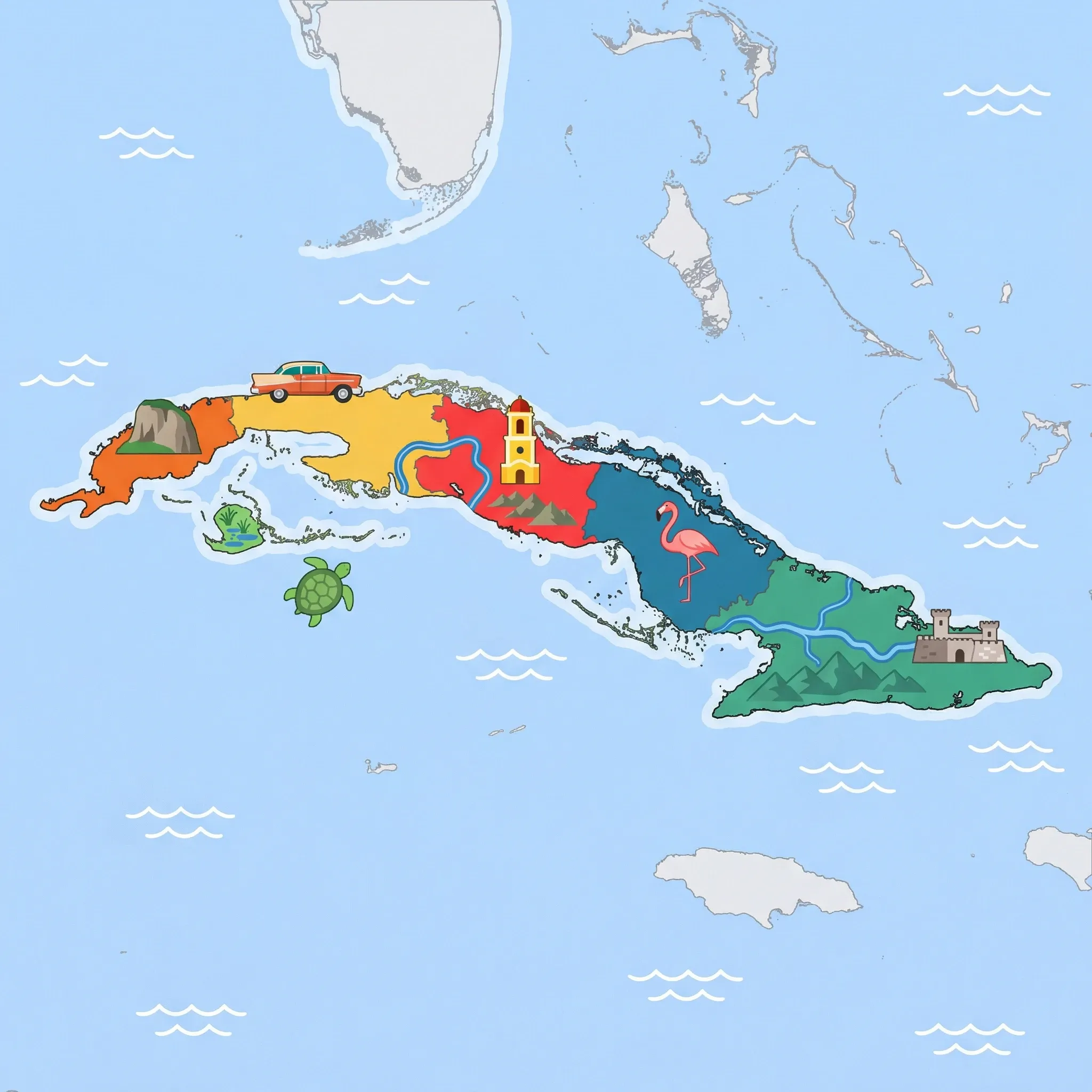
Click a region to explore
Overview
Important Travel Advisory: Cuba is currently experiencing significant shortages of food, fuel, and medicine. Families should bring a comprehensive medical kit, toiletries, and essential snacks. Power outages can occur, so pack portable chargers and battery-operated fans for children.
Central Cuba offers a perfect blend of culture and nature for adventurous families. The region is anchored by two UNESCO World Heritage cities that feel frozen in time, yet are vibrant with music and daily life. The landscape shifts dramatically from the turquoise waters of the coast to the lush, cool peaks of the Escambray Mountains. It is an educational playground where children can see how sugar shaped the Caribbean, ride steam trains, and spot hummingbirds in dense forests.
Unlike the pure resort areas, this region allows families to connect with real Cuban life. The pace is slower here than in Havana, making it easier to navigate with strollers or young children. Whether you are exploring the French-inspired architecture of Cienfuegos or climbing the bell towers in Trinidad, the atmosphere is welcoming and safe. The natural pools and waterfalls provide a refreshing break from historical sightseeing, ensuring that kids get plenty of time to splash and play.
Key Attractions
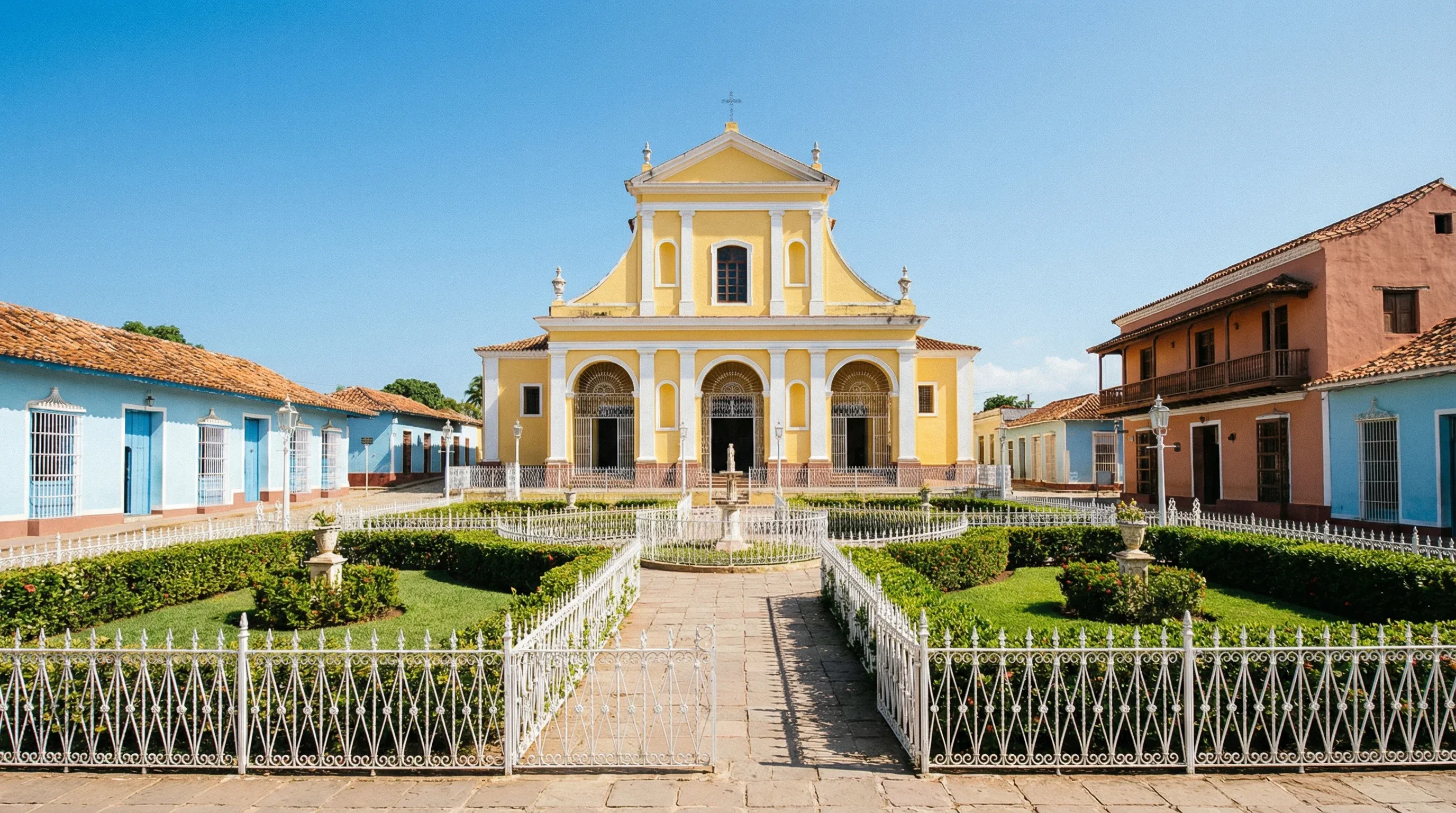
The crown jewel for families is the Trinidad Historic Center. Its car-free zone allows children to run safely through plazas while parents admire the pastel-colored mansions. Just outside the city, the Valle de los Ingenios offers a glimpse into history; kids particularly enjoy climbing the Manaca Iznaga Tower for panoramic views of the sugar fields. For a day of nature, El Nicho is unmissable—a series of waterfalls and natural pools hidden in the mountains that feels like a jungle paradise.
In Cienfuegos, the Cienfuegos Historic Center offers wide boulevards and a different architectural style. A visit to the Jardín Botánico de Cienfuegos lets children explore one of the largest collections of palms in the world. For beach time, Playa Ancón provides calm, shallow waters ideal for young swimmers, while the luxurious Cayo Santa María on the north coast offers all-inclusive relaxation.
Practical Advice
The best time to visit is from November to April when the weather is dry and temperatures are mild. Walking on Trinidad’s uneven cobblestones can be difficult with a stroller, so a baby carrier is recommended. Public restrooms are scarce and often lack paper, so always carry tissues and hand sanitizer.
Food & Drink
Typical meal times: Lunch is typically served from 12:00 pm to 3:00 pm, and dinner from 6:30 pm to 9:30 pm. Private restaurants (paladares) are more flexible than state-run venues.
Typical meal costs: A meal in a private restaurant costs between 1,500–3,500 CUP (approx. $5–12 USD / €4.50–11 EUR) per person. State-run places are cheaper but have less variety.
Dietary requirements: Vegetarian options are usually limited to rice, beans, omelets, and salad. Gluten-free travelers should stick to fresh grilled fish and viandas (root vegetables) but be wary of marinades; always ask if flour was used.
Signature dishes:
- Ropa Vieja – Shredded beef slow-cooked in a tomato-based criollo sauce with peppers and onions, the national dish.
- Cascos de Guayaba – Guava shells preserved in heavy syrup, often served with white cheese as a dessert.
- Canchánchara – A local Trinidadian drink made with honey, lemon, water, and aguardiente (rum), served in small clay pots (ask for a virgin version for kids).
Why this score?
The Escambray Mountains provide accessible hiking and swimming at spots like El Nicho, offering a moderate level of outdoor activity. Most adventures here are well-trodden and facilitated by local guides, making them suitable for families but less rugged than the eastern wilderness.
Why this score?
Cienfuegos and Santa Clara have respectable provincial hospitals, and the high tourist presence in Trinidad means local clinics are accustomed to foreign needs. However, specialized medical supplies can be scarce, and complex cases usually require transfer to Havana.
Why this score?
Trinidad is one of Cuba's most photographed and visited colonial towns, serving as a primary stop for almost every cultural tour of the island. While it lacks the massive room capacity of the northern cays, the high density of 'casas particulares' and the UNESCO status of Cienfuegos and the Valle de los Ingenios ensure a steady flow of international visitors.

While street food is cheap, tourist services are priced similarly to Europe. A private room (casa particular) costs 2,500–5,000 CUP (approx. $20–40 USD / €18–37 EUR) per night. Dinner at a nice paladar runs 2,000–3,800 CUP (approx. $7–13 USD / €6–12 EUR). Transportation is the highest cost.

Getting Here & Around
Getting Here
- Airports – The region is served by Abel Santamaría Airport (SNU) in Santa Clara and Jaime González Airport (CFG) in Cienfuegos.
- Bus – Viazul buses run daily routes connecting Havana to Cienfuegos Historic Center (approx. 4.5 hours) and Trinidad.
- Driving – Exploring via rental car allows flexibility to reach Topes de Collantes National Park, though signage can be poor.
Getting Around
- Walking – The best way to see the Trinidad Historic Center is on foot, though the cobblestones are uneven.
- Taxis – Vintage car taxis and bicitaxis (bicycle taxis) are fun for short trips to Playa Ancón.
- Car – Necessary for reaching remote nature spots like El Nicho efficiently.
Nearby Airports (2 airports)
Jaime Gonzalez
CFGCienfuegos
Abel Santamaria
SNUSanta Clara
View full flight map for Cuba →

Packing List
Bottled water shortages are common; a filter bottle ensures safe drinking water anywhere.
Rarely provided in public restrooms or even some museums/restaurants.
Essential for tipping and paying private drivers who may prefer foreign cash.
Dairy is extremely scarce; bring your own supply for children.
Bottled water shortages are common; a LifeStraw or Grayl bottle ensures you can drink tap water safely.
ATMs often fail or have poor rates; US cards don't work. Cash is essential for almost all payments.
Rarely provided in public restrooms or even some museums/restaurants due to chronic shortages.
Daily blackouts are frequent and can last hours; keeps phones and fans charged.
Food can be bland and condiments are often unavailable in restaurants due to supply chain issues.
Pharmacies are empty. Pack painkillers, antibiotics, antihistamines, and stomach meds.
Essential for sleeping during power outages when air conditioning cuts out in the tropical heat.
Internet is slow, expensive, and restricted to specific zones. Offline navigation is vital.

Activities & Best Times

Urban tourism, museums, historical sites, architecture
Home to UNESCO-listed Trinidad and Cienfuegos, the region offers remarkably preserved Spanish colonial architecture and authentic Caribbean street life. Peak months provide comfortable temperatures for walking tours, while the late summer is characterized by intense humidity and tropical storm risks.

Hiking, wildlife, outdoor exploration, ecotourism
Only 2 natural features listed (Escambray Mountains, Valle de los Ingenios). 'Excellent' requires world-class status like Patagonia or Alps. This is nationally significant but not internationally outstanding for adventure.

Sport tourism, fitness activities, active recreation
Features established hiking infrastructure in Topes de Collantes and unique canopy tours over colonial landscapes. Discerning families should visit in the cooler dry season to ensure safety and comfort, as extreme heat and heavy rains can impact outdoor facilities from August through October.

Beach resorts, marine activities: diving, snorkelling, kite surfing, wind surfing, sailing
Cayo Santa María and Playa Ancón offer high-quality coastal recreation with significant resort infrastructure and clear turquoise waters. The winter and spring months provide the best visibility for snorkeling and calmest seas, while the hurricane season carries the highest risk of weather-related disruption.

Events, celebrations, seasonal attractions
Las Parrandas de Remedios is described as 'one of Cuba's most [significant]' festivals in December. A nationally important festival warrants 'good' not 'marginal'.

Scenic drives, countryside tours, route-based travel
Iconic routes like the Circuito Sur and the Pedraplén de Caibarién offer spectacular views of the Caribbean and the mountains. Driving is most enjoyable during the dry season when visibility is high and rural roads are in their best condition, avoiding the washout risks of the late wet season.

Attractions (19 total)



Public Holidays & Calendar Next 12 months
Public holidays, festivals, cultural celebrations, and seasonal natural phenomena coming up in Central Cuba & Colonial Heartland over the next 12 months.
Loading holidays and events...

Travel Advisory
A majority of international agencies now advise against non-essential travel to Cuba. The country is facing a systemic collapse of infrastructure, including nationwide power outages, severe shortages of fuel, food, and medicine, and major disruptions to international aviation.
Safety Topics
Traveller Advice (4 groups)

Travellers should bring sufficient cash in small denominations as international cards are often unusable and banking systems are disrupted. Stock up on essential items like toilet paper, toiletries, and non-perishable food before arrival.
Individuals with chronic health conditions should reconsider travel due to the critical shortage of prescription medications and medical supplies. Power outages may also affect the storage of refrigerated medicines or the use of medical devices.

While recent legal changes have expanded rights, including the legalization of same-sex marriage, public displays of affection may still meet with conservative social reactions outside of major cosmopolitan areas like Havana.

Female visitors generally experience a safe environment but should remain aware that verbal harassment is common. It is advisable to avoid walking alone in poorly lit areas at night, particularly during scheduled power blackouts.
Agency Summaries
The British government discourages all travel except for critical needs due to the island's nearing paralysis. National power failures and a lack of aviation fuel are causing significant flight cancellations and service breakdowns.
Canadians are advised to skip non-essential trips to Cuba because of a severe and worsening crisis involving shortages of fuel, power, and basic goods like food and medicine. Infrastructure is unstable, and airlines have significantly reduced service.
Ireland has raised its warning level to discourage non-essential visits. The economic and humanitarian situation has deteriorated, leading to life-threatening risks associated with power outages and limited consular support.
Australian authorities suggest rethinking travel plans due to persistent fuel shortages that affect essential services and transport. There is also a noted threat from violent crime and a lack of clean drinking water.
New Zealanders should be extra vigilant due to infrastructure failures. Fuel shortages and regular electricity blackouts are impacting transport, while petty crime remains a concern in urban and tourist zones.
U.S. officials recommend heightened awareness due to crime and a failing power grid. Travellers must also comply with specific legal categories for travel, as pure tourism remains restricted under U.S. law.
Information is provided for general guidance only and does not constitute travel, safety, medical, or legal advice. Conditions may change. Users are responsible for independently verifying information before travel.