
Eastern Cuba & Sierra Maestra
Wild mountains and the rhythm of the Caribbean 🥁⛰️
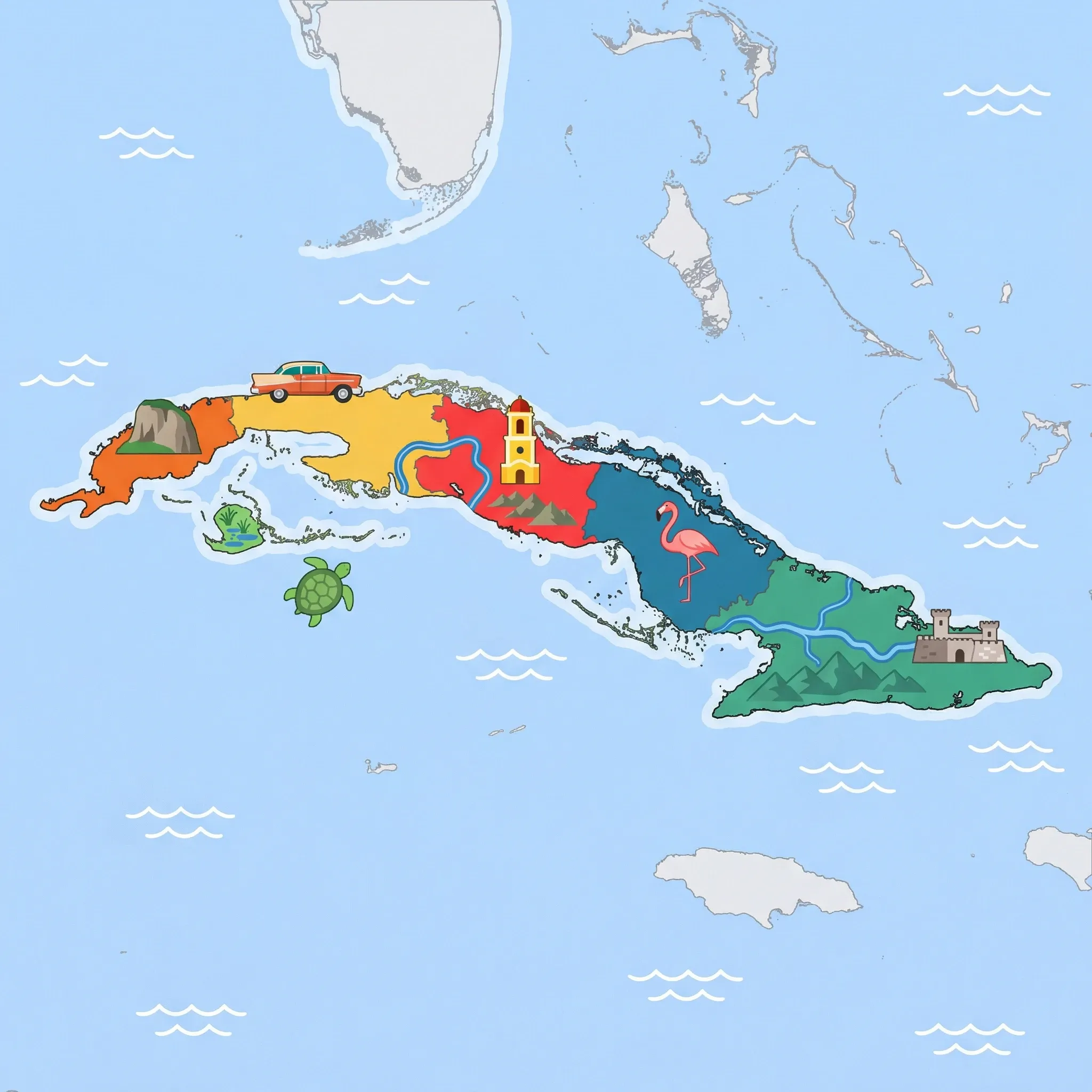
Click a region to explore
Overview
Important Travel Advisory: This region is remote, and shortages of food and fuel can be more acute here than in Havana. Medical facilities are basic. Bring all necessary medications, snacks, and hygiene products for your family.
Eastern Cuba is the island's untamed soul, hotter, greener, and culturally distinct. It is the birthplace of Cuban revolution and son music, offering a vibrant sensory experience for older children and teens. The landscape is dominated by the majestic Sierra Maestra mountains, which drop dramatically into the Caribbean Sea. For families who love the outdoors, this region provides opportunities to explore lush rainforests, cocoa plantations, and hidden river mouths that feel like true exploration.
The pace of life here is deeply Caribbean. Santiago de Cuba, the main city, is hilly and energetic, while the resort area of Holguín offers a softer landing with beautiful beaches. This region is less polished than the west, which is part of its charm. Families can learn about pirate history at massive coastal forts, spot colorful snails in Baracoa, or simply enjoy the warm hospitality of the people who are known for being the friendliest on the island.
Key Attractions
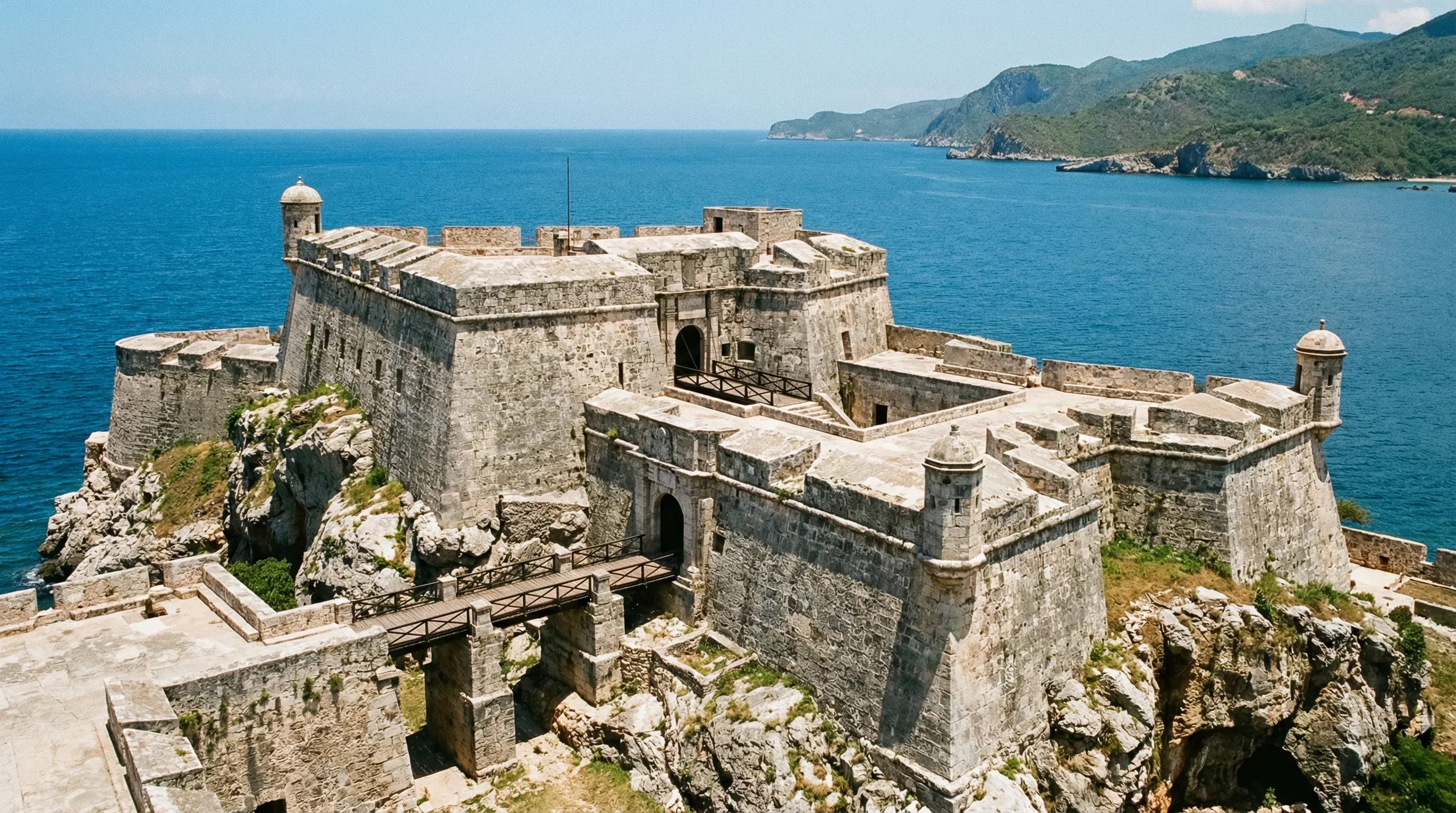
A must-visit for any family is the UNESCO-listed Castillo de San Pedro de la Roca. This massive fortress overlooks the bay and captures children's imaginations with its drawbridges, cannons, and pirate history. For beach lovers, Guardalavaca Beach offers turquoise waters that are calm enough for toddlers, surrounded by green hills rather than just flat sand.
Adventurous families might tackle parts of the Pico Turquino National Park, though the full summit hike is demanding. A more accessible nature experience is Cayo Saetía, a unique island game reserve where children can go on a safari to spot zebras, antelopes, and ostriches roaming free—a surreal experience in the Caribbean. In Santiago, the Museo Municipal Emilio Bacardí Moreau offers a eclectic mix of history and art including an Egyptian mummy that fascinates kids.
Practical Advice
The heat in Santiago can be intense; plan activities for early morning (before 10:00 am) or late afternoon. The distance between attractions is significant, so prepare for long car journeys. Baracoa is best reached by the scenic La Farola road, but be prepared for motion sickness on the winding turns.
Food & Drink
Typical meal times: Lunch 12:30 pm to 2:30 pm; Dinner 7:00 pm to 10:00 pm. Service is often slower ("island time"), so bring coloring books or games for the wait.
Typical meal costs: Meals are slightly cheaper than Havana. Expect to pay 1,200–2,800 CUP (approx. $4–10 USD / €3.50–9 EUR) per person in private restaurants.
Dietary requirements: Fresh fruit is more abundant here (mangoes, coconut, bananas) which is great for kids. Vegetarian options are limited to root vegetables, rice, and salad. Nut allergies are rare but coconut oil is widely used.
Signature dishes:
- Lechón Asado – Whole roast pork cooked over charcoal, famous in this region and often served at roadside stands.
- Cucurucho – A sweet treat from Baracoa made of coconut, honey, and fruit wrapped in a palm leaf—perfect natural candy for kids.
- Congrí – Rice and red beans cooked together with spices, differing from the "Moros y Cristianos" (black beans) found in Havana.
Why this score?
This is Cuba's most rugged region, featuring the Sierra Maestra mountains where hiking to Pico Turquino or Comandancia de la Plata involves steep, humid terrain. Baracoa's isolation and the dense rainforests of Alejandro de Humboldt National Park offer a level of wilderness rarely found elsewhere in the Caribbean.
Why this score?
While Santiago de Cuba has established medical schools and hospitals, the vast distances and poor road conditions in the surrounding mountains and Baracoa create significant delays in emergency care. Facilities in the remote eastern reaches are often basic and lack the English-speaking staff found in Havana's tourist clinics.
Why this score?
Santiago de Cuba is the nation's second-largest city and a major cultural hub, but its distance from Havana limits the number of casual tourists who make the journey. Baracoa remains a cult favorite for intrepid travelers, though it lacks the high-volume infrastructure found in the western half of the island.

Generally cheaper than Havana and the northern cays. A good meal can be found for 1,200–2,000 CUP (approx. $4–7 USD / €3.50–6.50 EUR). Entry to museums is nominal. Taxi fares between cities are the main expense, costing 12,000–25,000 CUP (approx. $40–85 USD / €37–78 EUR) for long inter-city trips.

Getting Here & Around
Getting Here
- Airports – Frank País Airport (HOG) in Holguín is the main gateway for resorts. Antonio Maceo Airport (SCU) serves Santiago de Cuba.
- Road – The La Farola viaduct is the only land route connecting Baracoa to the rest of Cuba and is a spectacular engineering marvel.
- Driving – The Carretera Granma (Circuito Sur de Oriente) is a stunning but rough coastal drive requiring a sturdy vehicle.
Getting Around
- Car Rental – Essential for exploring the La Farola route or reaching remote parks, though fuel shortages are a risk.
- Taxi – Private drivers are the most reliable way to get between Santiago and Guardalavaca Beach.
- Motorcycle Taxis – Common in Santiago but not recommended for families with small children due to safety.
Nearby Airports (2 airports)
Frank Pais
HOGHolguin
Antonio Maceo International
SCUSantiago
View full flight map for Cuba →

Packing List
Roads like La Farola are extremely winding and mountainous.
The eastern region is more tropical and humid; mosquitoes and sandflies are common.
Santiago is significantly hotter than Havana and air conditioning is not guaranteed.
Roadside food options are very limited during long drives between cities.
Bottled water shortages are common; a LifeStraw or Grayl bottle ensures you can drink tap water safely.
ATMs often fail or have poor rates; US cards don't work. Cash is essential for almost all payments.
Rarely provided in public restrooms or even some museums/restaurants due to chronic shortages.
Daily blackouts are frequent and can last hours; keeps phones and fans charged.
Food can be bland and condiments are often unavailable in restaurants due to supply chain issues.
Pharmacies are empty. Pack painkillers, antibiotics, antihistamines, and stomach meds.
Internet is slow, expensive, and restricted to specific zones. Offline navigation is vital.

Activities & Best Times

Hiking, wildlife, outdoor exploration, ecotourism
Home to Cuba's highest peak and the UNESCO-listed Alejandro de Humboldt National Park, offering world-class tropical biodiversity and rugged trekking. Peak months avoid the extreme humidity and heavy rains that make mountain trails difficult for families.

Urban tourism, museums, historical sites, architecture
Santiago de Cuba offers an unparalleled Afro-Cuban cultural experience and historic UNESCO sites like San Pedro de la Roca. July is a peak month despite the heat due to the culturally significant Carnival of Santiago.

Sport tourism, fitness activities, active recreation
Features iconic cycling routes like La Farola and challenging summit hikes on Pico Turquino that attract international outdoor enthusiasts. Summer months are designated off-season due to dangerously high heat indices for active sports.
Beach resorts, marine activities: diving, snorkelling, kite surfing, wind surfing, sailing
Offers pristine beaches in Guardalavaca and Pesquero with high-quality international resorts and clear Caribbean waters. Sept-Oct is avoided due to the peak of the Atlantic hurricane season and high storm surge risk.

Learning experiences, scientific sites, historical education
Rich in revolutionary history and natural science museums, including the remote Comandancia de la Plata. Best visited in the drier, cooler months when remote archaeological and historical sites are more accessible.

Events, celebrations, seasonal attractions
Santiago Carnival is described as a 'major international cultural event.' This is Cuba's most famous carnival and warrants 'good' rating minimum.

Scenic drives, countryside tours, route-based travel
The La Farola and Carretera Granma provide some of the Caribbean's most dramatic coastal and mountain driving scenery. Driving is least recommended in late summer/early autumn when heavy rains can cause landslides on mountain passes.
Amusement parks, family entertainment venues
Regional facilities like the Bahía de Naranjo Dolphinarium provide family entertainment but lack the scale of global theme park destinations. Operational consistency is highest during the primary winter and summer tourist windows.

Attractions (18 total)



Public Holidays & Calendar Next 12 months
Public holidays, festivals, cultural celebrations, and seasonal natural phenomena coming up in Eastern Cuba & Sierra Maestra over the next 12 months.
Loading holidays and events...

Travel Advisory
A majority of international agencies now advise against non-essential travel to Cuba. The country is facing a systemic collapse of infrastructure, including nationwide power outages, severe shortages of fuel, food, and medicine, and major disruptions to international aviation.
Safety Topics
Traveller Advice (4 groups)

Travellers should bring sufficient cash in small denominations as international cards are often unusable and banking systems are disrupted. Stock up on essential items like toilet paper, toiletries, and non-perishable food before arrival.
Individuals with chronic health conditions should reconsider travel due to the critical shortage of prescription medications and medical supplies. Power outages may also affect the storage of refrigerated medicines or the use of medical devices.

While recent legal changes have expanded rights, including the legalization of same-sex marriage, public displays of affection may still meet with conservative social reactions outside of major cosmopolitan areas like Havana.

Female visitors generally experience a safe environment but should remain aware that verbal harassment is common. It is advisable to avoid walking alone in poorly lit areas at night, particularly during scheduled power blackouts.
Agency Summaries
The British government discourages all travel except for critical needs due to the island's nearing paralysis. National power failures and a lack of aviation fuel are causing significant flight cancellations and service breakdowns.
Canadians are advised to skip non-essential trips to Cuba because of a severe and worsening crisis involving shortages of fuel, power, and basic goods like food and medicine. Infrastructure is unstable, and airlines have significantly reduced service.
Ireland has raised its warning level to discourage non-essential visits. The economic and humanitarian situation has deteriorated, leading to life-threatening risks associated with power outages and limited consular support.
Australian authorities suggest rethinking travel plans due to persistent fuel shortages that affect essential services and transport. There is also a noted threat from violent crime and a lack of clean drinking water.
New Zealanders should be extra vigilant due to infrastructure failures. Fuel shortages and regular electricity blackouts are impacting transport, while petty crime remains a concern in urban and tourist zones.
U.S. officials recommend heightened awareness due to crime and a failing power grid. Travellers must also comply with specific legal categories for travel, as pure tourism remains restricted under U.S. law.
Information is provided for general guidance only and does not constitute travel, safety, medical, or legal advice. Conditions may change. Users are responsible for independently verifying information before travel.