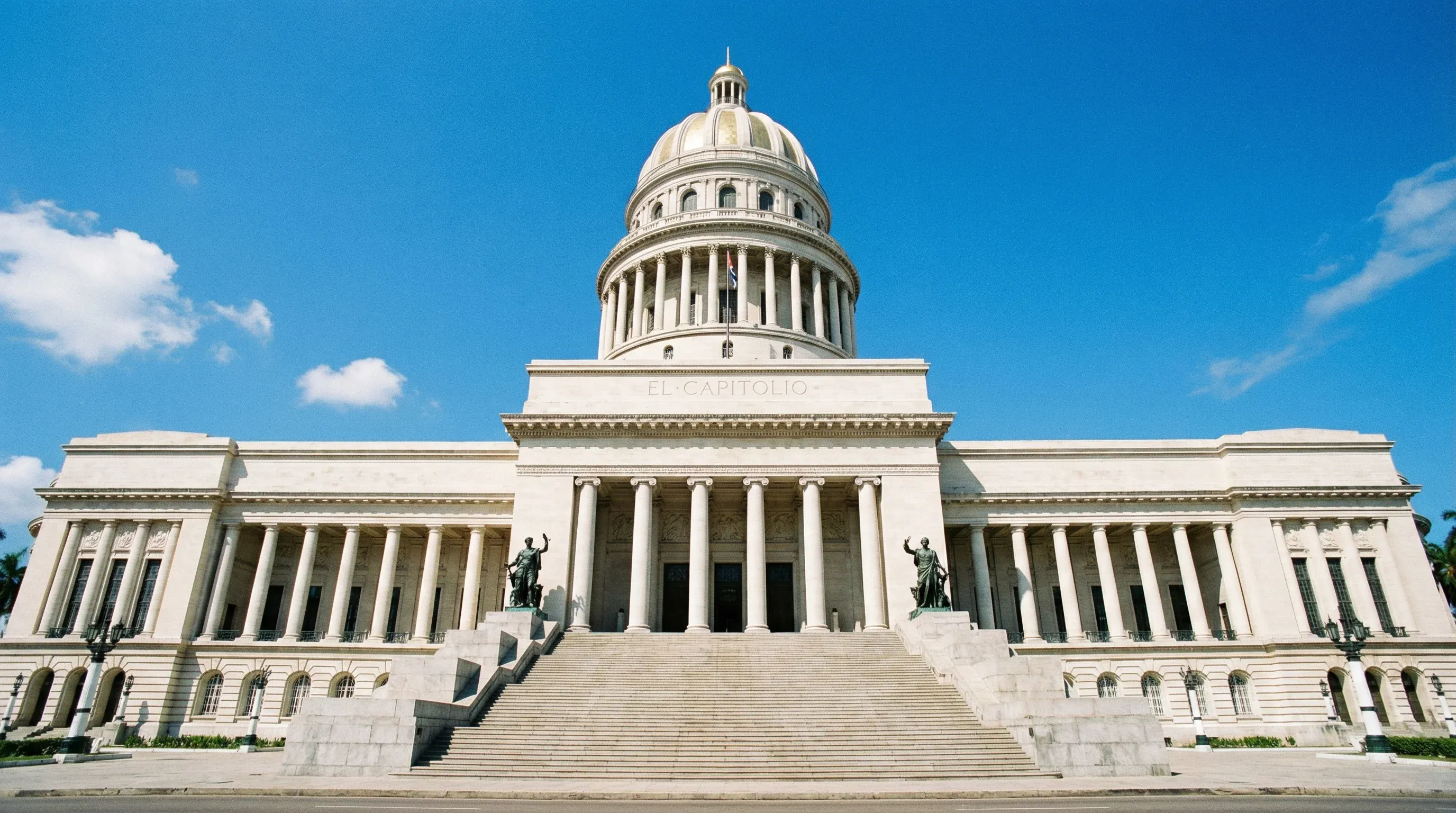

Havana & Western Cuba
Classic cars, Spanish forts, and vibrant street life 🚗🏰
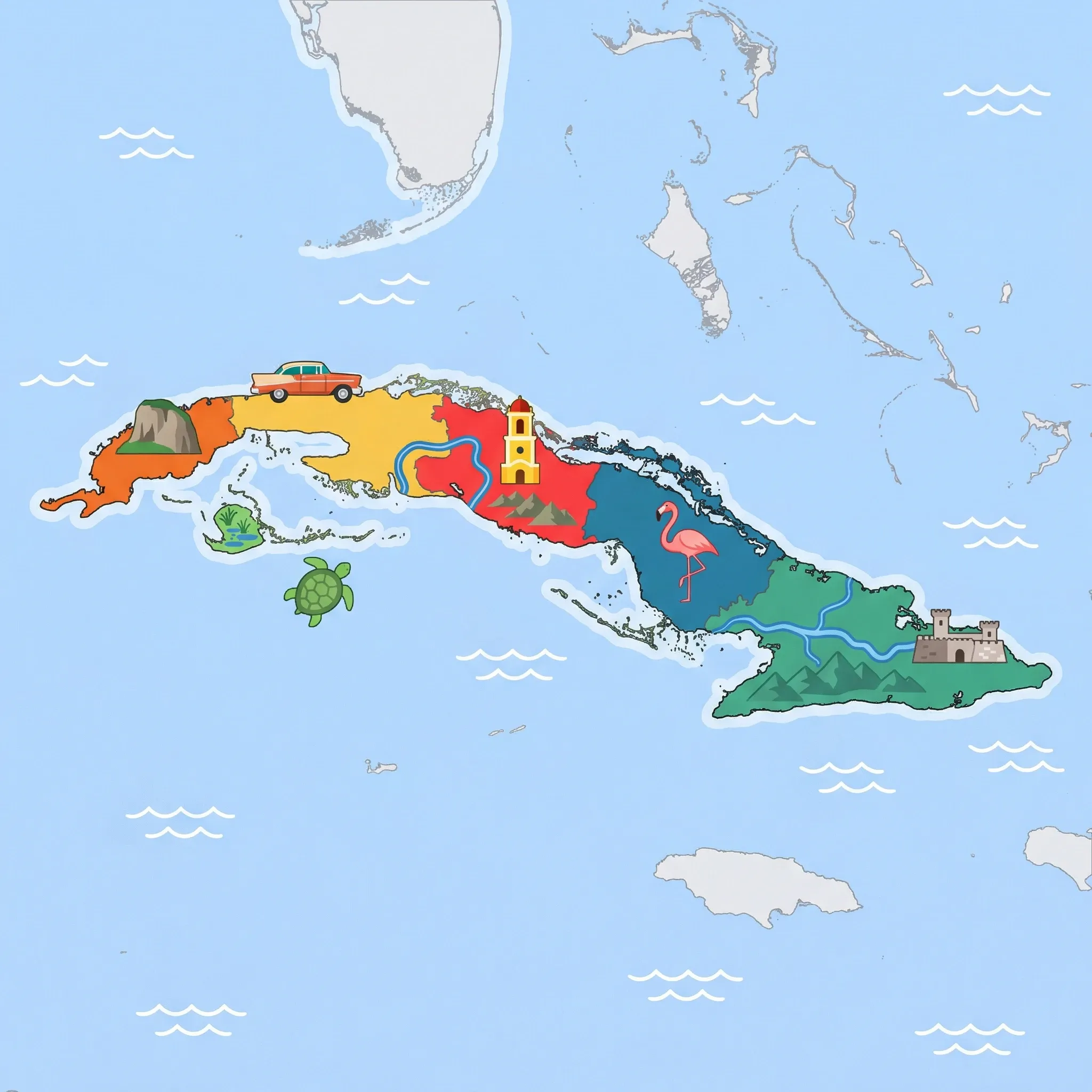
Click a region to explore
Overview
Important Travel Advisory: Visitors should expect resource scarcity. Shortages of bottled water, fuel, and basic medicines are common. Ensure you have travel insurance and pack a robust supply of toiletries, over-the-counter medicines, and snacks for children.
Havana is one of the most charismatic cities in the world, offering a visual feast that captivates children and adults alike. It is a city of layers, where 1950s American cars roll past 16th-century Spanish fortresses. For families, the capital offers a mix of urban exploration and coastal relaxation. The energy is infectious, with music spilling out of doorways and spontaneous games of baseball in the streets. While it can be gritty and noisy, it is also incredibly safe and welcoming to children, who are treated like royalty by locals.
Beyond the city center, the region offers breathing room. Just a short drive away are the Playas del Este, where locals go to swim, and the eco-community of Las Terrazas, perfect for a day of zip-lining and swimming in river pools. Havana serves as the cultural heart of the island, housing the best museums, the most impressive forts, and the most vibrant art scenes, making it an essential stop for any family trip to Cuba.
Key Attractions
Start your journey in Old Havana (Habana Vieja), a pedestrian-friendly district packed with history. Kids will love the Castillo de la Real Fuerza with its model ships, and the nightly cannon-firing ceremony at Fortaleza de San Carlos de la Cabaña is a thrilling tradition. For a splash of color, Fusterlandia is a must—a neighborhood transformed by artist José Fuster into a mosaic wonderland reminiscent of Gaudi, where children can climb and explore the art.
Nature lovers should head to the Jardín Botánico Nacional de Cuba, specifically the Japanese garden, or visit the National Aquarium of Cuba, though be aware facilities are aging. A walk along the sea wall, El Malecón, at sunset offers a quintessential Havana experience, watching the waves crash and the classic cars cruise by.
Practical Advice
Havana’s sidewalks can be narrow, broken, or non-existent, making strollers a challenge; a sturdy carrier is better. The midday sun is fierce—plan indoor activities like the National Museum of Fine Arts between 12:00 pm and 3:00 pm. Taxis are the easiest way to move around, but always negotiate the price before getting in.
Food & Drink
Typical meal times: Lunch 12:00 pm to 3:00 pm; Dinner 7:00 pm to 10:00 pm. Reservations are recommended for top-rated paladares.
Typical meal costs: Havana is the most expensive region. A meal in a good paladar costs 2,500–5,000 CUP (approx. $8–17 USD / €7–16 EUR) per person. Cocktails/mocktails are 500–1,000 CUP.
Dietary requirements: Havana has the most diverse food scene. Vegan options are increasingly available in trendy paladares in Vedado and Old Havana. Gluten-free pasta is rare, but rice and viandas are staples.
Signature dishes:
- Ropa Vieja – The classic shredded beef dish, widely available and generally kid-friendly as it's not spicy.
- Malanga Fritters – Deep-fried taro root balls, crispy on the outside and soft inside, a perfect snack for children.
- Helado deif Coppelia – Ice cream from the famous state-run parlor, though lines are long; try private gelaterias for faster service.
Why this score?
Tourism in this region is primarily urban and cultural, focused on historic architecture, vintage cars, and nightlife. While the Ciénaga de Zapata offers birdwatching and swamp exploration, the majority of the infrastructure is highly developed and caters to comfortable city exploration.
Why this score?
Havana is the center of Cuba's renowned medical system and hosts specialized international clinics like Cira García that cater specifically to foreigners and diplomats. These facilities offer the best access to English-speaking doctors and modern equipment in the country, though systemic shortages can still affect general care quality or pharmacy stock.
Why this score?
Havana is the primary gateway and most iconic destination in Cuba, drawing over a million visitors annually to its historic core and Malecón. When combined with the nearby beaches of Playas del Este and the logistics of the Matanzas province, it represents the highest concentration of international tourism on the island.

Havana has the widest price range. Street snacks can cost pennies, but a meal in a trendy private restaurant is comparable to US prices. Family accommodation in a high-end casa particular averages 3,500–7,000 CUP (approx. $30–60 USD / €28–55 EUR) per night. Classic car tours are a premium expense.

Getting Here & Around
Getting Here
- Airports – José Martí International Airport (HAV) is the country's main hub, located about 30 minutes from Old Havana (Habana Vieja).
- Bus – Viazul buses connect Havana to almost all provincial capitals, departing from the station near the Plaza de la Revolución.
- Ferry – A small passenger ferry crosses the harbor to Regla and Casablanca, near the Castillo de los Tres Reyes del Morro.
Getting Around
- Classic Car Taxis – A fun way to cruise along El Malecón, though expensive (approx. $30-50 USD/hour).
- Coco Taxis – Bright yellow, egg-shaped scooters that kids love; good for short hops in the city center.
- Walking – The best way to explore the plazas of Old Havana (Habana Vieja).
Nearby Airports (2 airports)
Jose Marti International
HAVHavana
Juan Gualberto Gomez International
VRAVaradero
View full flight map for Cuba →

Packing List
Sidewalks are often broken, narrow, or high-curbed, making strollers very difficult to use.
Internet access is spotty and expensive; offline maps are essential for navigation.
Pharmacies are often empty; bring Tylenol, ibuprofen, and rehydration salts.
Small items like pencils or coloring books are appreciated gifts for local children you meet.
Bottled water shortages are common; a LifeStraw or Grayl bottle ensures you can drink tap water safely.
ATMs often fail or have poor rates; US cards don't work. Cash is essential for almost all payments.
Rarely provided in public restrooms or even some museums/restaurants due to chronic shortages.
Daily blackouts are frequent and can last hours; keeps phones and fans charged.
Food can be bland and condiments are often unavailable in restaurants due to supply chain issues.
Pharmacies are empty. Pack painkillers, antibiotics, antihistamines, and stomach meds.
Essential for sleeping during power outages when air conditioning cuts out in the tropical heat.
Internet is slow, expensive, and restricted to specific zones. Offline navigation is vital.

Activities & Best Times

Urban tourism, museums, historical sites, architecture
Old Havana is a UNESCO-listed masterpiece of colonial architecture and vibrant street life, offering world-class music and historical depth. The cooler winter months are perfect for walking the historic quarters, while peak hurricane season in autumn can disrupt travel plans.

Hiking, wildlife, outdoor exploration, ecotourism
Features the Ciénaga de Zapata National Park and Las Terrazas Biosphere Reserve, offering exceptional birdwatching and eco-trails. Peak season aligns with the dry period when migratory birds are present and trails are most accessible; the wet season brings extreme heat and dense insect populations.

Learning experiences, scientific sites, historical education
Boasts internationally significant sites like the Pharmaceutical Museum and the National Museum of Natural History, offering deep dives into Caribbean science and history. Indoor facilities provide year-round learning, though the city is most pleasant for families during the dry, cooler months.

Sport tourism, fitness activities, active recreation
Las Terrazas features dedicated mountain biking circuits and canopy tours that meet high international standards for active families. Optimal conditions occur during the dry season to ensure trail safety and comfortable physical exertion.
Beach resorts, marine activities: diving, snorkelling, kite surfing, wind surfing, sailing
Home to Varadero, one of the Caribbean's most famous white-sand beaches, alongside the urban coastal charm of the Malecón and Playas del Este. The dry winter months offer ideal conditions, while the late summer carries significant hurricane risk and oppressive humidity.

Events, celebrations, seasonal attractions
Havana hosts prestigious international jazz and film festivals in December and January, attracting a global cultural elite. These events define the peak season, while the International Ballet Festival offers a strong shoulder-season draw in late autumn.

Scenic drives, countryside tours, route-based travel
The Vía Blanca provides a stunning coastal drive connecting Havana to Varadero, while the Sierra del Rosario offers scenic mountain routes. Dry season provides the safest driving conditions and best visibility for these iconic Cuban landscapes.
Amusement parks, family entertainment venues
The National Aquarium and Parque Lenin provide significant family entertainment options with unique local character. These facilities are best visited when temperatures are moderate during the dry season, avoiding the peak storm months of September and October.

Spa retreats, wellness centers, peaceful getaways
The historic thermal baths at Santa María del Rosario offer a traditional wellness experience, though specialized infrastructure is limited compared to global benchmarks. Cooler winter weather enhances the restorative experience of the natural springs.

Attractions (24 total)



Public Holidays & Calendar Next 12 months
Public holidays, festivals, cultural celebrations, and seasonal natural phenomena coming up in Havana & Western Cuba over the next 12 months.
Loading holidays and events...

Travel Advisory
A majority of international agencies now advise against non-essential travel to Cuba. The country is facing a systemic collapse of infrastructure, including nationwide power outages, severe shortages of fuel, food, and medicine, and major disruptions to international aviation.
Safety Topics
Traveller Advice (4 groups)

Travellers should bring sufficient cash in small denominations as international cards are often unusable and banking systems are disrupted. Stock up on essential items like toilet paper, toiletries, and non-perishable food before arrival.

Individuals with chronic health conditions should reconsider travel due to the critical shortage of prescription medications and medical supplies. Power outages may also affect the storage of refrigerated medicines or the use of medical devices.

While recent legal changes have expanded rights, including the legalization of same-sex marriage, public displays of affection may still meet with conservative social reactions outside of major cosmopolitan areas like Havana.

Female visitors generally experience a safe environment but should remain aware that verbal harassment is common. It is advisable to avoid walking alone in poorly lit areas at night, particularly during scheduled power blackouts.
Agency Summaries
The British government discourages all travel except for critical needs due to the island's nearing paralysis. National power failures and a lack of aviation fuel are causing significant flight cancellations and service breakdowns.
Canadians are advised to skip non-essential trips to Cuba because of a severe and worsening crisis involving shortages of fuel, power, and basic goods like food and medicine. Infrastructure is unstable, and airlines have significantly reduced service.
Ireland has raised its warning level to discourage non-essential visits. The economic and humanitarian situation has deteriorated, leading to life-threatening risks associated with power outages and limited consular support.
Australian authorities suggest rethinking travel plans due to persistent fuel shortages that affect essential services and transport. There is also a noted threat from violent crime and a lack of clean drinking water.
New Zealanders should be extra vigilant due to infrastructure failures. Fuel shortages and regular electricity blackouts are impacting transport, while petty crime remains a concern in urban and tourist zones.
U.S. officials recommend heightened awareness due to crime and a failing power grid. Travellers must also comply with specific legal categories for travel, as pure tourism remains restricted under U.S. law.
Information is provided for general guidance only and does not constitute travel, safety, medical, or legal advice. Conditions may change. Users are responsible for independently verifying information before travel.