
Island Cuba & Offshore Cays
Remote islands, sea turtles, and endless white sand 🐢🏝️
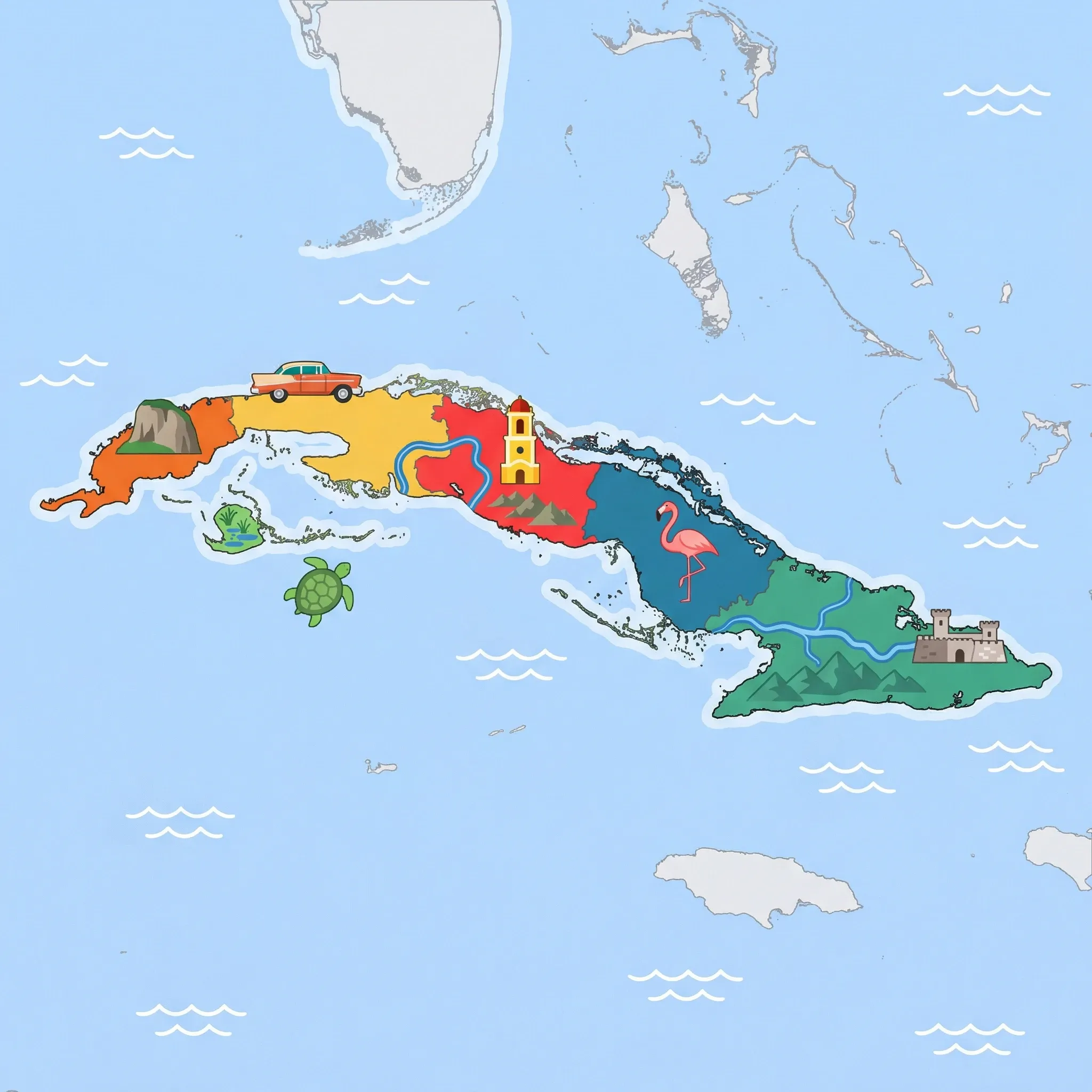
Click a region to explore
Overview
Important Travel Advisory: These islands are remote. Medical facilities are limited to basic clinics, and serious cases require evacuation to Havana. Bring all necessary prescription meds, sun protection, and baby supplies, as shops on the cays have very limited inventory.
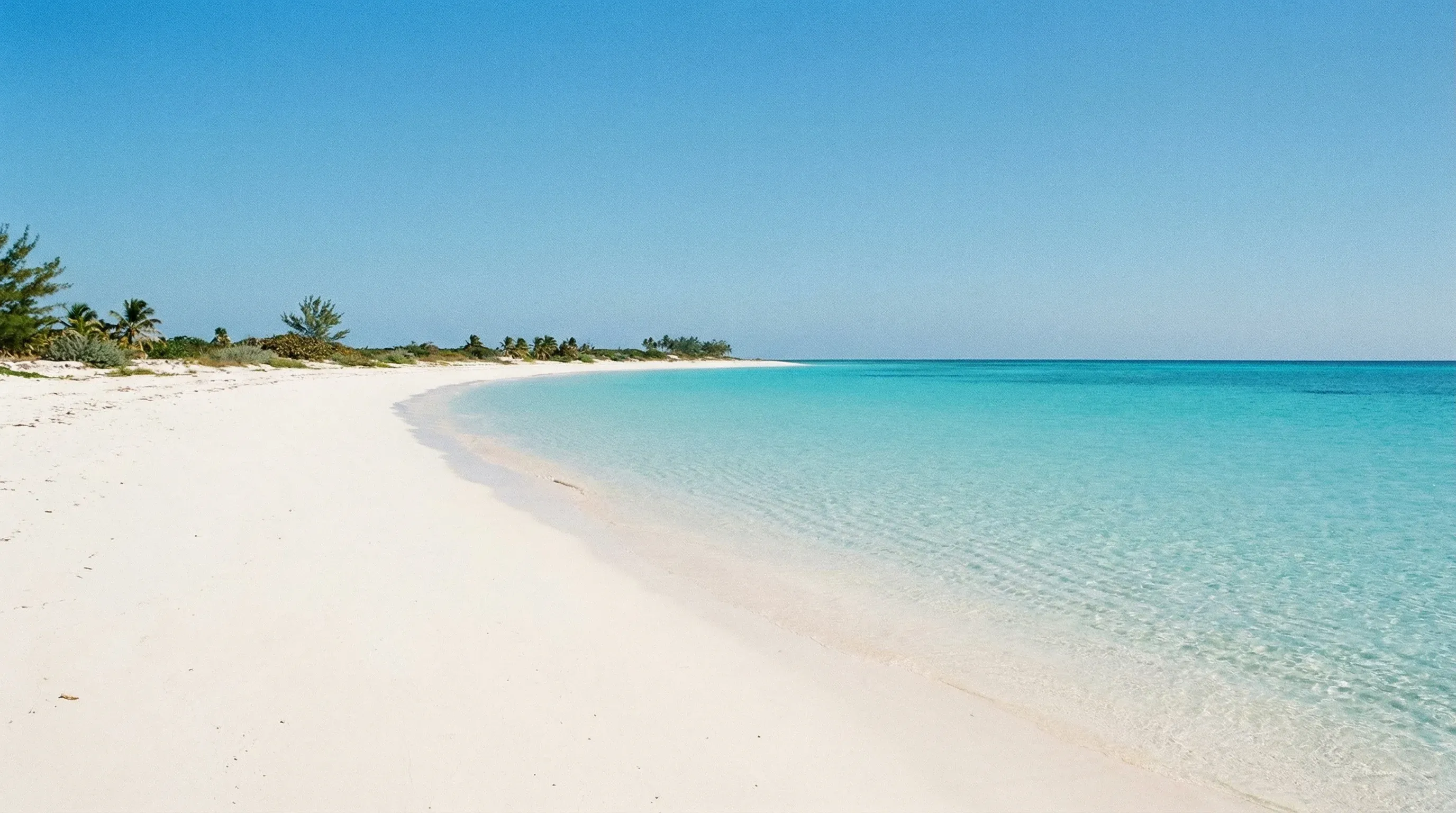
This region represents the 'desert island' dream of the Caribbean. Separated from the mainland, the pace here slows to a crawl, revolving entirely around the ocean. For families, the primary draw is Cayo Largo del Sur, a resort island known for having some of the finest beaches in the world. The sand is so white it stays cool even in the midday sun—perfect for tender feet. The water is gin-clear, shallow, and free of strong currents, creating a giant natural swimming pool for toddlers and young swimmers.
The Isle of Youth (Isla de la Juventud) offers a different experience, focused more on diving, history, and local life than luxury resorts. It is less visited and requires a bit more adventurous spirit to reach. However, for most families, the offshore cays are about disconnecting from the world and connecting with nature. Whether it is watching sea turtles lay eggs (season dependent) or spotting iguanas on the dunes, the wildlife here is the star attraction.
Key Attractions
Cayo Largo del Sur is the main destination for international travelers. Its beaches, such as Playa Sirena and Playa Paraíso, are legendary. Families can visit the Sea Turtle Rescue Center on Cayo Largo, where children can learn about conservation and, in the right season, even hold baby turtles before their release. The calm waters here are also excellent for beginner snorkeling.
On the Isla de la Juventud, the Presidio Modelo is a haunting historic panopticon prison (where Fidel Castro was held) that fascinates older teens interested in history. The Punta Frances Marine National Park offers world-class diving and snorkeling, though access is usually by boat excursion.
Practical Advice
Cayo Largo is a resort-only island; there is no local town, so you are dependent on your hotel for food and entertainment. Pack absolutely everything you need, including diapers, formula, and specialized snacks. The best time to visit is November to April. Mosquitoes and sandflies can be aggressive at dusk—bring strong repellent.
Food & Drink
Typical meal times: Resort dining follows standard times (Lunch 12:30 pm–2:30 pm, Dinner 6:30 pm–9:30 pm). Snack bars often operate between meals.
Typical meal costs: On Cayo Largo, food is usually included in All-Inclusive packages. Independent meals on Isla de la Juventud cost 800–1,800 CUP (approx. $3–7 USD / €2.50–6 EUR).
Dietary requirements: All-inclusive resorts can cater to basic diets (pasta, grilled meats, salads) but may struggle with specific allergies due to supply chain issues. Bring your own gluten-free snacks.
Signature dishes:
- Grilled Lobster – The region is famous for fresh lobster, often grilled simply with butter and garlic.
- Pescado a la Veracruzana – Fish cooked in a sauce of tomatoes, olives, and capers (common in resorts).
Why this score?
The adventure here is centered on marine exploration and the logistical challenge of reaching the islands. The Isle of Youth offers world-class, remote diving sites and a sense of isolation that feels significantly more 'off-the-beaten-path' than the mainland resorts.
Why this score?
Medical facilities on these islands are extremely limited, consisting mostly of small clinics for residents and basic first-aid stations at resorts. Any serious medical emergency or surgical requirement necessitates an expensive and potentially slow aeromedical evacuation to Havana.
Why this score?
Cayo Largo del Sur is a established but niche all-inclusive destination accessible mainly by charter flights, while the Isle of Youth sees very few international tourists outside of the diving community. These islands remain quiet compared to the mainland, as they require extra travel logistics and have limited accommodation options.

Cayo Largo is an exclusive tourist zone. Costs are driven by package holiday prices. Without a package, hotel rates are high, often $100–250 USD per night. On the Isle of Youth, costs are much lower, closer to the Cuban average, with meals around 1,000 CUP (approx. $4 USD / €3.50 EUR).

Getting Here & Around
Getting Here
- Airports – Vilo Acuña Airport (CYO) on Cayo Largo receives charter flights from Canada and Europe, plus domestic hops from Havana.
- Ferry – A ferry connects Batabanó (south of Havana) to Nueva Gerona on the Isle of Youth (approx. 3 hours), but schedules are unreliable.
- Plane – Domestic flights run from Havana to Nueva Gerona (GER), though cancellations are frequent.
Getting Around
- Shuttle Bus – On Cayo Largo, a tourist train/bus shuttles families between the hotels and the main beaches (Playa Sirena).
- Rental Jeep/Scooter – Available on Cayo Largo for exploring remote beaches independently.
- Taxi – The primary mode of transport on the Isle of Youth.
Nearby Airports (1 airport)
Cayo Largo Del Sur
CYOCayo Largo Del Sur
View full flight map for Cuba →

Packing List
Sun protection is expensive and hard to find on the islands; reef-safe formulas protect the marine life.
Resorts may not have them, or they may be broken. Essential for small kids in the calm water.
Keeps drinks cold in the heat and reduces single-use plastic cup waste at all-inclusive bars.
The sun is extremely strong and shade on the beaches can be scarce.
Bottled water shortages are common; a LifeStraw or Grayl bottle ensures you can drink tap water safely.
ATMs often fail or have poor rates; US cards don't work. Cash is essential for almost all payments.
Rarely provided in public restrooms or even some museums/restaurants due to chronic shortages.
Daily blackouts are frequent and can last hours; keeps phones and fans charged.
Food can be bland and condiments are often unavailable in restaurants due to supply chain issues.
Pharmacies are empty. Pack painkillers, antibiotics, antihistamines, and stomach meds.
Essential for sleeping during power outages when air conditioning cuts out in the tropical heat.
Internet is slow, expensive, and restricted to specific zones. Offline navigation is vital.

Activities & Best Times

Hiking, wildlife, outdoor exploration, ecotourism
Claims 'over ten significant natural attractions' but editorial list shows Viñales (which is actually in Pinar del Río region). Without clear evidence of 10+ world-class natural sites, 'excellent' is over-rated.

Urban tourism, museums, historical sites, architecture
Rich in heritage sites like the Presidio Modelo and Nueva Gerona's historic center, the region provides authentic cultural immersion for sophisticated families. Cooler months offer pleasant walking conditions, whereas the mid-summer period is often too hot and humid for urban exploration.

Beach resorts, marine activities: diving, snorkelling, kite surfing, wind surfing, sailing
Home to iconic beaches like Playa Paraíso and Playa Sirena, known for crystal-clear waters and pristine sands. Optimal conditions for sea visibility and comfort are found in the dry season, with late summer bringing a high risk of tropical storms.

Learning experiences, scientific sites, historical education
Features internationally significant conservation sites like the Sea Turtle Rescue Center, which offers engaging scientific learning for families. The general tourism peak provides the best facility access, though summer shoulder months align with local turtle nesting activity.

Sport tourism, fitness activities, active recreation
Centres like the International Diving Center El Colony and Marlin Marina provide robust infrastructure for world-class diving and sailing. Activities are best during the stable weather of Nov-Apr, while the peak hurricane season (Aug-Oct) poses safety risks for maritime sports.

Spa retreats, wellness centers, peaceful getaways
The presence of historic thermal baths like San Diego de los Baños offers a traditional, if limited, wellness experience for travelers. Visit during the cooler months to best enjoy the restorative properties of the springs without the discomfort of peak Caribbean heat.

Scenic drives, countryside tours, route-based travel
The Marble Coast Route and Nueva Gerona to Siguanea drive provide unique scenic vistas for families seeking self-guided exploration. Dry season months ensure safer road conditions and better visibility, while summer rains can make rural roads difficult to navigate.




Public Holidays & Calendar Next 12 months
Public holidays, festivals, cultural celebrations, and seasonal natural phenomena coming up in Island Cuba & Offshore Cays over the next 12 months.
Loading holidays and events...

Travel Advisory
A majority of international agencies now advise against non-essential travel to Cuba. The country is facing a systemic collapse of infrastructure, including nationwide power outages, severe shortages of fuel, food, and medicine, and major disruptions to international aviation.
Safety Topics
Traveller Advice (4 groups)

Travellers should bring sufficient cash in small denominations as international cards are often unusable and banking systems are disrupted. Stock up on essential items like toilet paper, toiletries, and non-perishable food before arrival.

Individuals with chronic health conditions should reconsider travel due to the critical shortage of prescription medications and medical supplies. Power outages may also affect the storage of refrigerated medicines or the use of medical devices.

While recent legal changes have expanded rights, including the legalization of same-sex marriage, public displays of affection may still meet with conservative social reactions outside of major cosmopolitan areas like Havana.

Female visitors generally experience a safe environment but should remain aware that verbal harassment is common. It is advisable to avoid walking alone in poorly lit areas at night, particularly during scheduled power blackouts.
Agency Summaries
The British government discourages all travel except for critical needs due to the island's nearing paralysis. National power failures and a lack of aviation fuel are causing significant flight cancellations and service breakdowns.
Canadians are advised to skip non-essential trips to Cuba because of a severe and worsening crisis involving shortages of fuel, power, and basic goods like food and medicine. Infrastructure is unstable, and airlines have significantly reduced service.
Ireland has raised its warning level to discourage non-essential visits. The economic and humanitarian situation has deteriorated, leading to life-threatening risks associated with power outages and limited consular support.
Australian authorities suggest rethinking travel plans due to persistent fuel shortages that affect essential services and transport. There is also a noted threat from violent crime and a lack of clean drinking water.
New Zealanders should be extra vigilant due to infrastructure failures. Fuel shortages and regular electricity blackouts are impacting transport, while petty crime remains a concern in urban and tourist zones.
U.S. officials recommend heightened awareness due to crime and a failing power grid. Travellers must also comply with specific legal categories for travel, as pure tourism remains restricted under U.S. law.
Information is provided for general guidance only and does not constitute travel, safety, medical, or legal advice. Conditions may change. Users are responsible for independently verifying information before travel.