
North Coast Resorts & Jardines del Rey
Flamingos, turquoise lagoons, and resort relaxation 🦩🍹
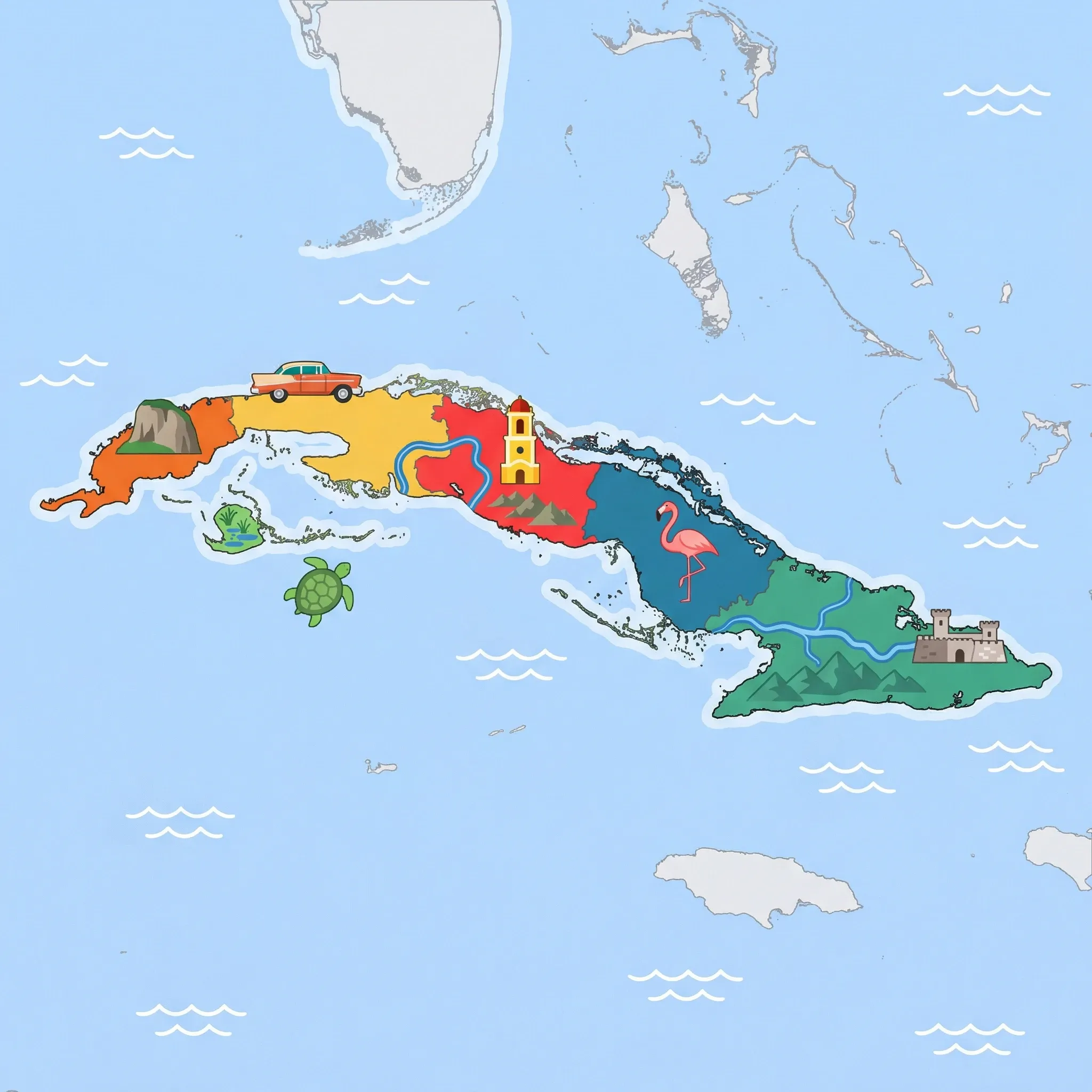
Click a region to explore
Overview
Important Travel Advisory: While resorts are generally well-stocked compared to the rest of the country, shortages can still affect food variety and available services. Pack specific medications, baby formula, and preferred snacks as local shops will not have them.
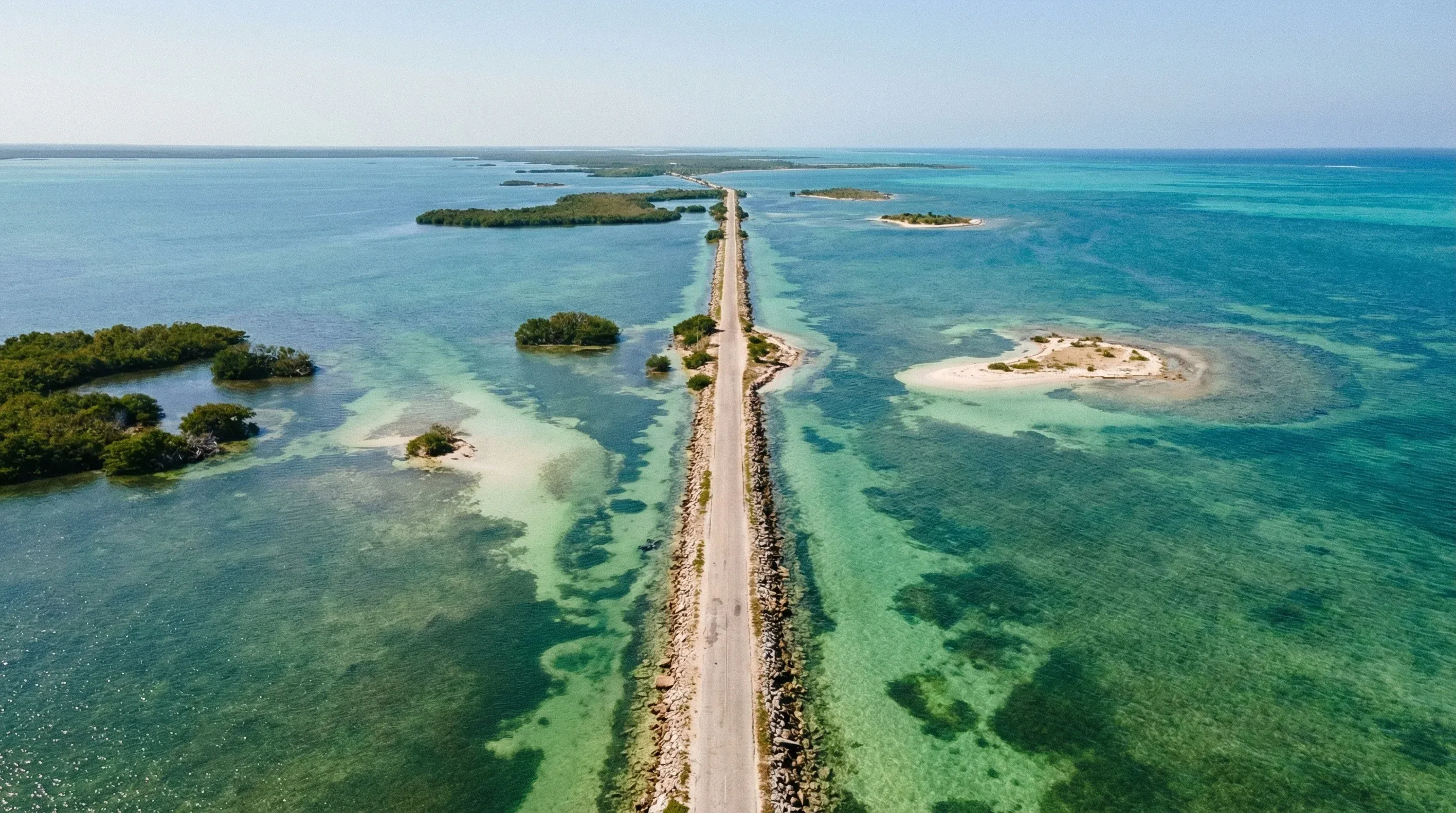
The Jardines del Rey (King’s Gardens) archipelago is designed for relaxation. For families, this is the easiest part of Cuba to visit. The area is dominated by large all-inclusive hotels that cater specifically to parents and children, with kids' clubs, shallow pools, and entertainment teams. The islands are famous for their colony of pink flamingos, which can often be seen wading in the lagoons as you drive across the causeways.
Unlike the hustle of Havana, this region is quiet and focused on the beach. The water here is incredibly calm and shallow, making it safe for even the youngest swimmers. While the cays themselves are purely for tourism, the nearby mainland offers a chance to see 'real' Cuba. A standout experience is visiting the colonial town of Remedios, one of the oldest settlements in Cuba, where children can run in the plaza while parents soak up the history, providing a nice contrast to the pool-side days.
Key Attractions
The primary attraction is the beach life on Cayo Coco and Cayo Guillermo. Playa Pilar on Cayo Guillermo is often voted one of the best beaches in the Caribbean, with towering dunes and transparent water. Wildlife is a major draw; families can take boat tours through the mangroves or visit the designated spots to watch thousands of wild flamingos.
For a cultural excursion, San Juan de los Remedios is essential. It is famous for its two churches on the main square (a rarity in Cuba) and its history of legends about demons and treasure which can captivate children's imaginations. The drive across the Pedraplén (causeway) to reach the cays is an attraction in itself, feeling like you are driving on top of the ocean.
Practical Advice
This is a resort-heavy area. If you want to explore outside your hotel, you will likely need to hire a taxi or rent a car. The sun is very strong due to the reflection off the white sand; high SPF and hats are non-negotiable. The best weather is December to May.
Food & Drink
Typical meal times: Resort buffets usually run: Breakfast 7:00 am–10:00 am, Lunch 12:30 pm–2:30 pm, Dinner 6:30 pm–9:30 pm.
Typical meal costs: Mostly All-Inclusive. Off-resort meals in mainland towns cost 1,000–2,000 CUP (approx. $3.50–7 USD / €3–6.50 EUR) per person.
Dietary requirements: Resorts handle common allergies better than local restaurants, but variety can be repetitive. Vegans will find plenty of fruit and salads but limited protein sources.
Signature dishes:
- Fresh Seafood – Lobster and snapper are staples in the resort a la carte restaurants.
- Grilled Chicken/Pork – Standard buffet fare, often cooked fresh at grill stations.
Why this score?
The environment is almost entirely composed of manicured resort grounds and pristine beaches connected by long, modern causeways. Activities are generally limited to organized watersports and catamaran tours, offering very little in the way of rugged or independent exploration.
Why this score?
Major resorts in the Jardines del Rey have 24-hour on-site medical staff and small clinics for guests, but for anything beyond basic ailments, patients must be transported to the mainland cities of Ciego de Ávila or Santa Clara. While these cities have adequate regional hospitals, they do not match the international standards found in Havana.
Why this score?
This region is home to several of Cuba's largest all-inclusive resort clusters, including Cayo Coco and Cayo Santa María, which are served by their own international airports. These destinations attract hundreds of thousands of Canadian and European sun-seekers annually, rivaling Havana in pure visitor volume if not in cultural recognition.

Prices are dictated by the all-inclusive market. Excursions (dolphin swimming, boat trips) are priced in foreign currency and can be expensive for families ($50–100 USD per person). Local costs on the mainland are 'Low', but tourists rarely access these prices without a guide.

Getting Here & Around
Getting Here
- Airports – Jardines del Rey Airport (CCC) on Cayo Coco receives direct international flights. Abel Santamaría Airport (SNU) serves the western cays.
- Driving – The cays are connected to the mainland by an impressive 27km causeway (pedraplén). Access requires a passport check.
- Taxi – Transfers from Havana are long (6+ hours) but possible; internal resort taxis are readily available.
Getting Around
- Hop-on Hop-off Bus – A double-decker tourist bus connects the hotels, shopping plazas, and beaches on Cayo Coco and Guillermo.
- Scooter/Car Rental – Available at most large hotels for exploring independent beaches like Playa Pilar.
- Taxi – The standard way to visit San Juan de los Remedios from the cays.
Nearby Airports (2 airports)
Jardines del Rey Airport
CCCCayo Coco
Ign Agramonte International Airport
CMWCamaguey
View full flight map for Cuba →

Packing List
Standard resort cups are small plastic thimbles; a big insulated mug keeps drinks cold and reduces waste.
Resort gear is often 'one size fits all' and may not fit small children faces properly.
Useful for sticky hands at buffets and beach picnics.
Mangrove areas near the resorts breed mosquitoes, especially active at sunset.
Bottled water shortages are common; a LifeStraw or Grayl bottle ensures you can drink tap water safely.
ATMs often fail or have poor rates; US cards don't work. Cash is essential for almost all payments.
Rarely provided in public restrooms or even some museums/restaurants due to chronic shortages.
Daily blackouts are frequent and can last hours; keeps phones and fans charged.
Food can be bland and condiments are often unavailable in restaurants due to supply chain issues.
Pharmacies are empty. Pack painkillers, antibiotics, antihistamines, and stomach meds.
Essential for sleeping during power outages when air conditioning cuts out in the tropical heat.
Internet is slow, expensive, and restricted to specific zones. Offline navigation is vital.

Activities & Best Times

Hiking, wildlife, outdoor exploration, ecotourism
Only 1 historic site in database (Camagüey). Claims 'extensive Jardines del Rey biosphere' but no nature reserves listed. Needs more evidence for 'excellent' rating.

Urban tourism, museums, historical sites, architecture
Centered on the authentic colonial heritage of Remedios and the engineering of the pedrapléns. Peak season aligns with the historic Parrandas festival and pleasant walking weather.

Sport tourism, fitness activities, active recreation
Features diverse infrastructure for climbing, cycling the causeways, and nautical adventures. The dry season offers the most comfortable temperatures and sea conditions for these active pursuits.

Beach resorts, marine activities: diving, snorkelling, kite surfing, wind surfing, sailing
Features high-quality white sand beaches like Playa Pilar and significant marine life in the archipelago. Peak months avoid the Atlantic hurricane season and high humidity of late summer.

Scenic drives, countryside tours, route-based travel
Celebrated for the unique experience of driving the lengthy pedraplén causeways across the sea. Peak season provides the best visibility and safest road conditions for scenic touring.

Learning experiences, scientific sites, historical education
Home to the major Cayo Guillermo aquarium focusing on marine biology and conservation. Peak months offer the most consistent access and comfortable visiting conditions for families.

Amusement parks, family entertainment venues
Includes specialized attractions like dolphinariums and cable skiing facilities. Visits are best during peak family travel windows when weather is most stable for outdoor entertainment.




Public Holidays & Calendar Next 12 months
Public holidays, festivals, cultural celebrations, and seasonal natural phenomena coming up in North Coast Resorts & Jardines del Rey over the next 12 months.
Loading holidays and events...

Travel Advisory
A majority of international agencies now advise against non-essential travel to Cuba. The country is facing a systemic collapse of infrastructure, including nationwide power outages, severe shortages of fuel, food, and medicine, and major disruptions to international aviation.
Safety Topics
Traveller Advice (4 groups)

Travellers should bring sufficient cash in small denominations as international cards are often unusable and banking systems are disrupted. Stock up on essential items like toilet paper, toiletries, and non-perishable food before arrival.

Individuals with chronic health conditions should reconsider travel due to the critical shortage of prescription medications and medical supplies. Power outages may also affect the storage of refrigerated medicines or the use of medical devices.

While recent legal changes have expanded rights, including the legalization of same-sex marriage, public displays of affection may still meet with conservative social reactions outside of major cosmopolitan areas like Havana.

Female visitors generally experience a safe environment but should remain aware that verbal harassment is common. It is advisable to avoid walking alone in poorly lit areas at night, particularly during scheduled power blackouts.
Agency Summaries
The British government discourages all travel except for critical needs due to the island's nearing paralysis. National power failures and a lack of aviation fuel are causing significant flight cancellations and service breakdowns.
Canadians are advised to skip non-essential trips to Cuba because of a severe and worsening crisis involving shortages of fuel, power, and basic goods like food and medicine. Infrastructure is unstable, and airlines have significantly reduced service.
Ireland has raised its warning level to discourage non-essential visits. The economic and humanitarian situation has deteriorated, leading to life-threatening risks associated with power outages and limited consular support.
Australian authorities suggest rethinking travel plans due to persistent fuel shortages that affect essential services and transport. There is also a noted threat from violent crime and a lack of clean drinking water.
New Zealanders should be extra vigilant due to infrastructure failures. Fuel shortages and regular electricity blackouts are impacting transport, while petty crime remains a concern in urban and tourist zones.
U.S. officials recommend heightened awareness due to crime and a failing power grid. Travellers must also comply with specific legal categories for travel, as pure tourism remains restricted under U.S. law.
Information is provided for general guidance only and does not constitute travel, safety, medical, or legal advice. Conditions may change. Users are responsible for independently verifying information before travel.