
Kinshasa
The electric capital of rumba and river views 🎶🏙️
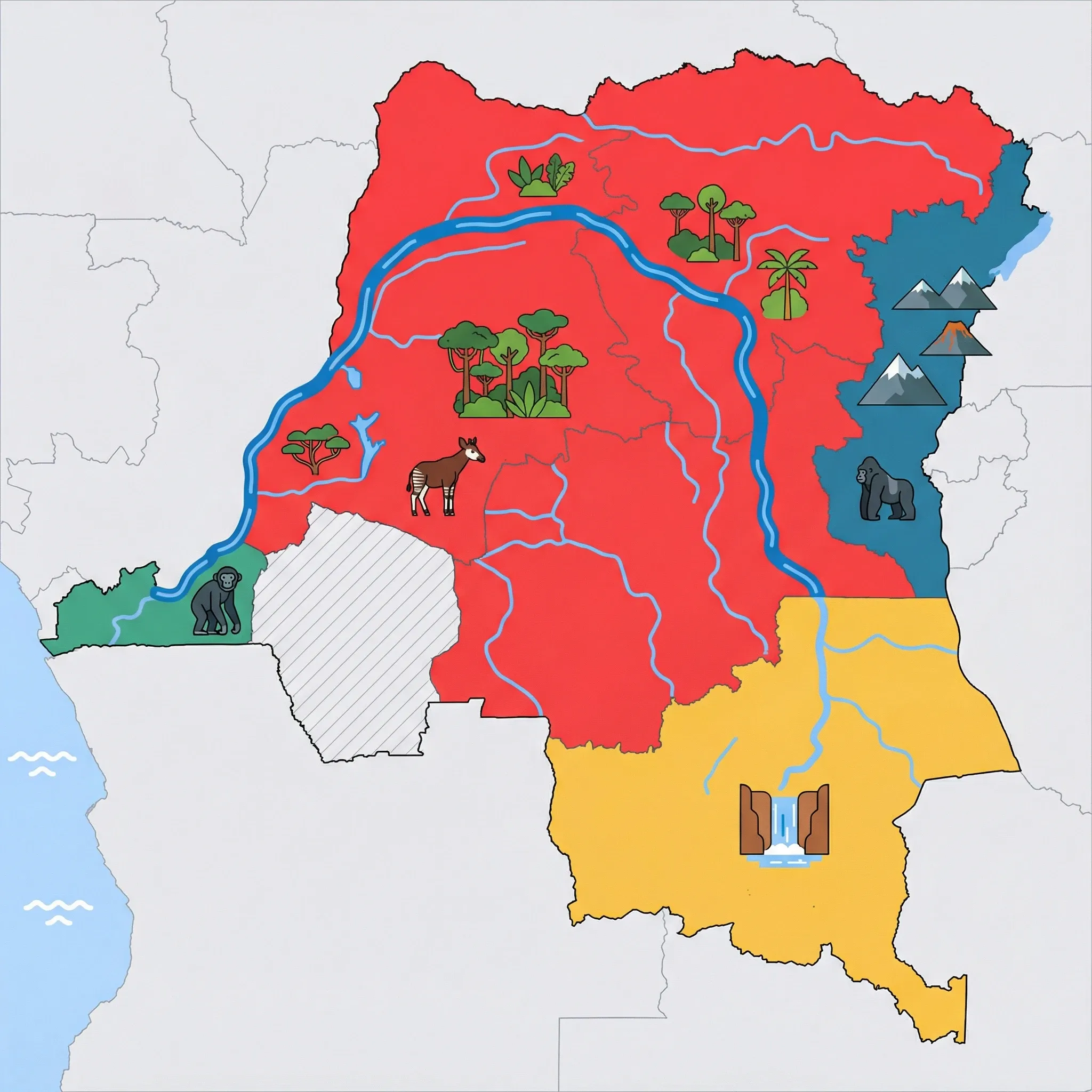
Click a region to explore
⚠️ SAFETY WARNING: While Kinshasa is the main entry point, government agencies (including USA, UK, and CA) advise travelers to reconsider travel due to high crime rates, including armed robbery and carjacking. The risk increases significantly after dark. Families are strongly urged to consult their own government's official travel advisory before considering a trip, as circumstances and risk assessments vary.
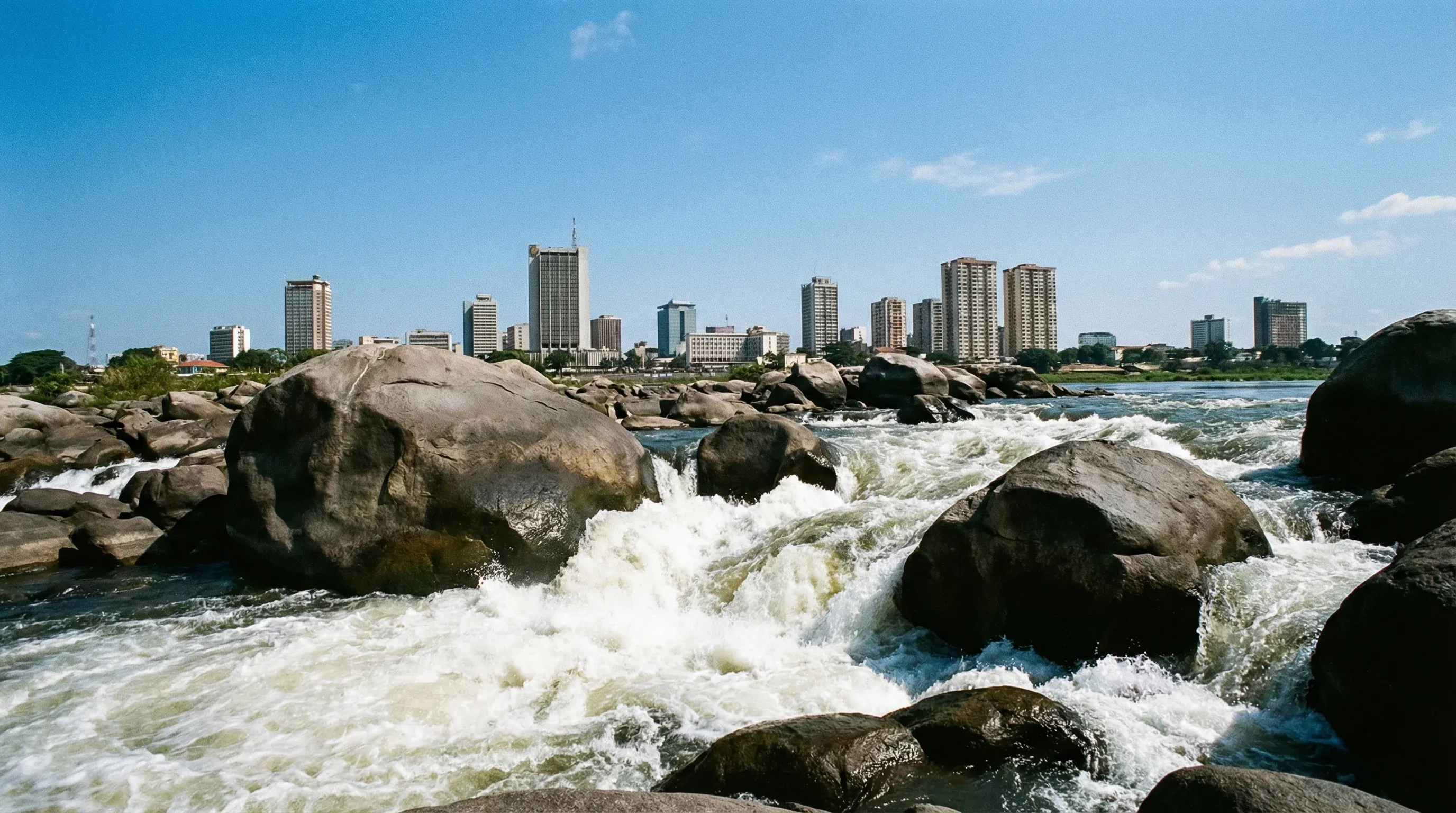
Kinshasa is a city of superlatives: it is the largest French-speaking city in the world, a sprawling urban ocean that is loud, colorful, and intense. For a family, it can be overwhelming, but it is also the cultural heartbeat of Central Africa. This is the birthplace of Congolese Rumba, a city of sharp-dressed "Sapeurs," and a hub of contemporary art. While the traffic jams are legendary and the heat can be stifling, Kinshasa offers pockets of serenity and fascinating educational opportunities that make a visit worthwhile. The city sits on the banks of the Congo River, so wide here that it looks like a lake, with the skyline of Brazzaville visible on the opposite shore.
The contrast between the grit of the bustling streets and the lushness of the surrounding valleys is striking. In the upscale district of Gombe, families will find patisseries, supermarkets, and secure hotels that offer a comfortable base. Venturing out requires planning—this isn't a walkable city for tourists—but the rewards are unique. From seeing the sheer power of the Congo River rapids to engaging with the incredibly friendly and resilient Kinois (residents of Kinshasa), the city leaves a lasting impression of vitality. It is a place where creativity thrives against the odds, offering children a powerful lesson in resilience and joy.
Key Attractions
By far the most important stop for families is Lola ya Bonobo Sanctuary. Located just outside the city in the Mont Ngafula area, this is the only sanctuary in the world for orphaned bonobos. The educational value is immense; children can watch these empathetic primates play in semi-wild enclosures and learn about the threats they face from the bushmeat trade. It is safe, well-run, and heartbreakingly beautiful. Back in the city center, the National Museum of the Democratic Republic of the Congo (MNRDC) is a must-visit. Opened recently, it is a modern, world-class facility housing masks, musical instruments, and historical artifacts in a cool, spacious environment that is perfect for kids.
For a view of the city's scale, visit the Tour de l'Échangeur in the Limete district. This iconic tower, often considered the symbol of Kinshasa, rises above the chaotic interchange and offers a landmark for orientation. While you cannot always go to the top, the surrounding grounds often host art exhibitions and offer a space to run around, though vigilance regarding safety is required in this busy area.
Practical Advice
Kinshasa is hot and humid year-round. The "dry" season (June to September) is slightly cooler and less muggy, making it the most comfortable time to explore. Traffic is a major factor; a 10km journey can take two hours. Plan only one major activity per day. Always use a driver from a reputable company or your hotel—never hail taxis on the street.
Food & Drink
Typical meal times: Lunch is popular among business people from 12:30 pm to 2:30 pm. Dinner is usually eaten late, from 8:00 pm onwards, often accompanied by live music.
Typical meal costs: Kinshasa is notoriously expensive. A meal in a safe, expat-standard restaurant will cost 56,000–112,000 CDF (approx. $20–40 USD / €18–36 EUR). Local "nganda" restaurants are cheaper but risky for sensitive stomachs.
Dietary requirements: Top-tier restaurants in Gombe cater to all diets, including vegan and gluten-free. French cuisine is widely available alongside Lebanese and Indian options.
Signature dishes:
- Moambe Chicken – The national dish; chicken slow-cooked in a rich, thick sauce made from palm nut pulp (moambe), usually served with rice and saka-saka (cassava leaves).
- Capitaine à la Braise – Huge Nile Perch fillets grilled over open flames, meaty and flavorful, often served with fried plantains (makemba).
- Cosses – Freshwater prawns from the Congo River, often grilled with garlic and piri-piri sauce, a delicacy in the capital.
Why this score?
The adventure here is primarily urban, navigating the high-energy and chaotic environment of a mega-city. Excursions to the nearby bonobo sanctuary or the N'Sele River are relatively structured and accessible compared to the rest of the country.
Why this score?
Kinshasa hosts the nation's best medical facilities, such as HJ Hospitals, which offer diagnostic services and English-speaking staff. While better than the regional average, these facilities still face limitations in specialized equipment and consistent supply chains compared to global hubs.
Why this score?
As the primary gateway to the DRC, Kinshasa sees the highest volume of international arrivals, though most are for business, diplomatic, or NGO purposes. The Lola ya Bonobo sanctuary and Nsele Valley Park represent the city's small but distinct leisure tourism offerings.

Kinshasa is one of the most expensive cities in Africa for travelers. Secure hotels in Gombe charge international rates, often 560,000–980,000 CDF (approx. $200–350 USD / €180–315 EUR) per night. Supermarket goods (imported) are priced significantly higher than in Europe or the US.

Getting Here & Around
Getting Here
- Airports – N'Djili International Airport (FIH) is the main entry point. It is located about 25km from downtown, but the drive can take 1-2 hours due to traffic.
- Ferry – The passenger ferry crosses from Brazzaville to Kinshasa. It is chaotic and bureaucratic; travelers need assistance to navigate the port.
Getting Around
- Car – A private car with a driver is essential. Renting a vehicle to drive yourself is not recommended due to police checkpoints and erratic driving habits.
- Taxi – Use hotel cars or verified taxi apps if available. Visiting Lola ya Bonobo Sanctuary requires hiring a driver for the half-day trip.
Nearby Airports (1 airport)
Kinshasa Ndjili International
FIHKinshasa
View full flight map for Democratic Republic of the Congo →

Packing List
Power surges are common; protects sensitive electronics
Running water is not always available in public restrooms
English is rarely spoken outside top hotels; French is essential
Street lighting is inconsistent even in the city center
Local merchants and banks refuse dollar bills with even tiny tears, marks, or dates older than 2013.
You will be physically denied entry at the airport without this original yellow booklet.
Power cuts are frequent even in cities; street lighting is non-existent in many areas.
Malaria is a severe risk throughout the country; medication is much harder to find locally.
To keep phones charged during long travel days or frequent hotel blackouts.

Activities & Best Times

Hiking, wildlife, outdoor exploration, ecotourism
The region features the world-unique Lola ya Bonobo sanctuary and the expansive N'sele Valley, providing rare wildlife encounters and wilderness access close to the capital. The dry season from June to August is optimal for trail accessibility and wildlife viewing, while extreme humidity and heavy rains from October to May impede exploration.

Urban tourism, museums, historical sites, architecture
Kinshasa boasts a world-class National Museum and a vibrant contemporary art scene centered in Gombe and Texaf Bilembo. Travelers should visit during the cooler, drier months of June to August to navigate the intense urban environment and heritage sites comfortably.

Scenic drives, countryside tours, route-based travel
Scenic routes like the Matadi Road and the drive to Zongo Falls offer dramatic landscapes and views of the Congo River's power. These journeys require the dry season's stable road conditions and high visibility, as tropical downpours can make rural navigation hazardous.

Sport tourism, fitness activities, active recreation
Dedicated infrastructure at the Nsele Valley and Ma Vallee supports organized hiking and mountain biking trails that appeal to active families. These activities are most viable when trails are dry and firm, avoiding the mud and oppressive heat of the peak rainy seasons.
Amusement parks, family entertainment venues
Aqua Splash Water Park offers a modern family leisure facility, though it is a regional attraction rather than a primary international driver. It is best visited during the dry season months when outdoor water activities are most pleasant and predictable.




Public Holidays & Calendar Next 12 months
Public holidays, festivals, cultural celebrations, and seasonal natural phenomena coming up in Kinshasa over the next 12 months.
Loading holidays and events...

Travel Advisory
Due to a split in agency assessments between 'Reconsider Travel' and 'Do Not Travel', the higher severity level of L3 is applied. Most agencies cite extreme risks from armed conflict, kidnapping, and terrorism.
Safety Topics
Traveller Advice (4 groups)

While same-sex relations are not explicitly criminalized under national law, social stigma and discrimination are high, and same-sex couples are legally barred from adopting children.

Ensure you have comprehensive travel insurance that includes emergency medical evacuation by air. Most standard policies may exclude coverage for the DRC due to its security status.

High risks of sexual violence and harassment exist. Women are advised to maintain a low profile, dress conservatively, and avoid travelling alone, particularly after dark.

Humanitarian workers are frequently targeted by armed groups and violent mobs. Personnel should operate with extreme caution and specialized security protocols.
Agency Summaries
Canadians are advised to avoid non-essential travel to the Democratic Republic of the Congo due to a very fragile security environment, significant crime rates, and frequent civil disturbances. Regional advisories suggest avoiding all travel to most eastern and northeastern provinces.
Ireland maintains a 'Do Not Travel' advisory for the DRC, emphasizing the high risk of violence and conflict, especially in eastern provinces where fighting between government and rebel forces has escalated.
The U.S. government recommends reconsidering travel to the DRC because of prevalent crime and civil unrest. Some regions, particularly in the east, carry a much higher risk due to active armed conflict and terrorism.
British authorities advise against all but essential travel to the country as a whole, with stricter 'no travel' warnings for specific areas in the east and north. Recent updates highlight insecurity at Bangoka International Airport in Kisangani.
New Zealand advises its citizens not to travel to the DRC due to the unstable security situation, ongoing armed conflict, and high risk of terrorism and violent crime.
Australia advises against all travel to the DRC due to the volatile security climate and the significant threat of kidnapping, terrorism, and violent conflict throughout the country.
Information is provided for general guidance only and does not constitute travel, safety, medical, or legal advice. Conditions may change. Users are responsible for independently verifying information before travel.