
Greater Copenhagen (Storkøbenhavn)
The cool, swim-able, bike-able capital 🧜♀️🚲
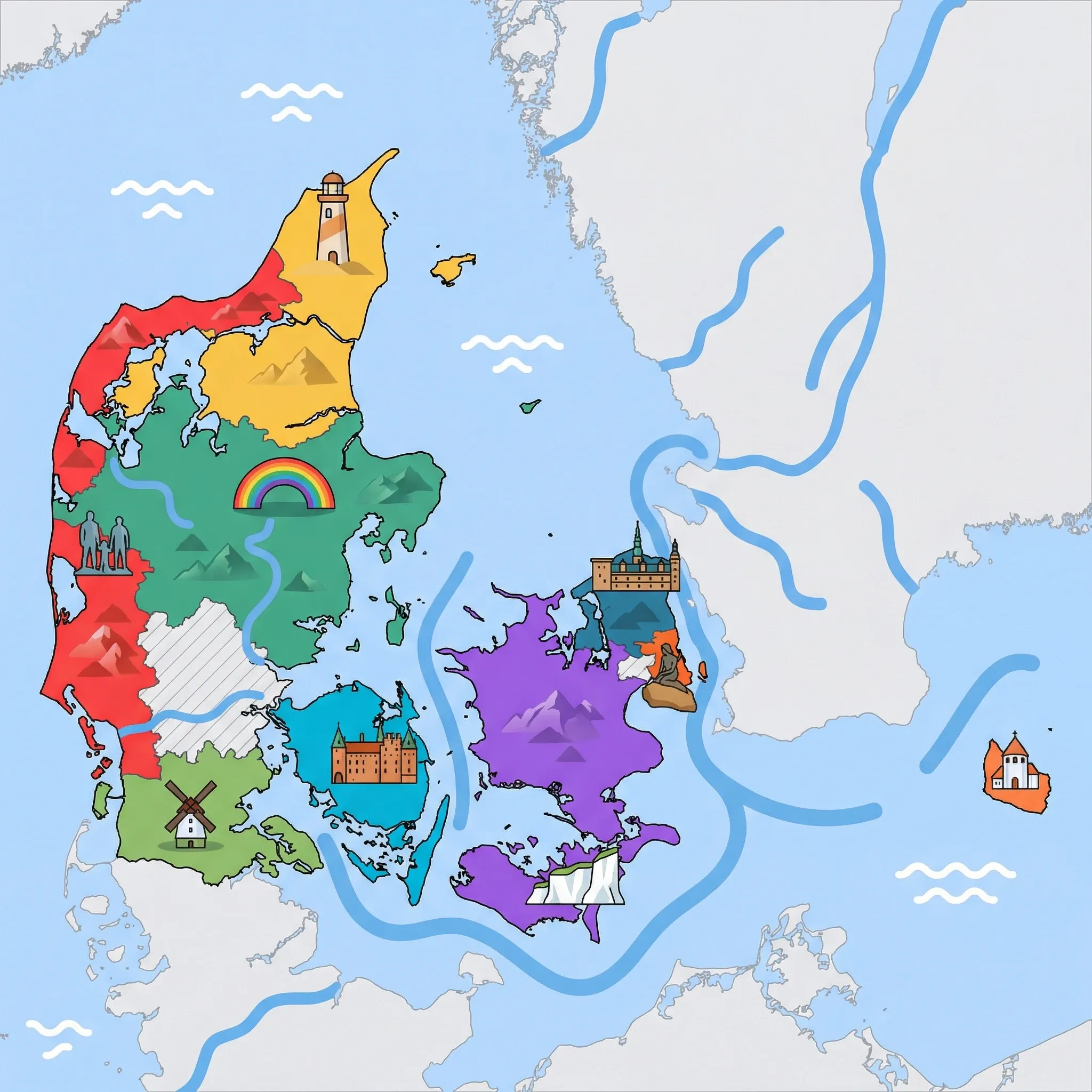
Click a region to explore
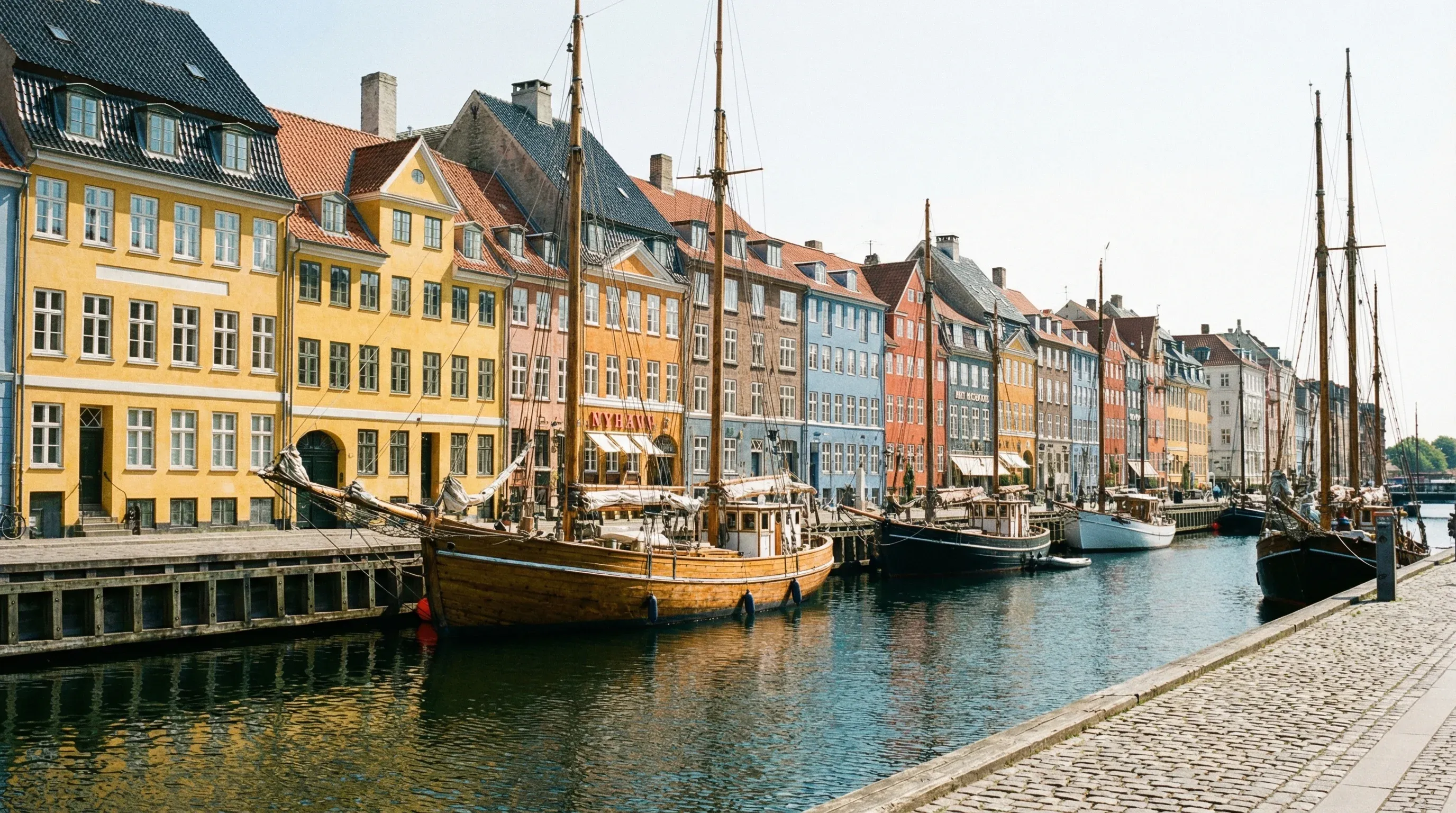
Greater Copenhagen is a rare metropolis where the pace of life feels tailored to families rather than stressed commuters. It is clean, safe, and remarkably green. You will see parents cycling with cargo bikes full of kids, playgrounds on almost every corner, and wide sidewalks that make strollers easy to maneuver. The city center is compact, meaning you can walk from the royal palaces to the harbor baths in minutes. Unlike many capitals where water is dirty, the Copenhagen harbor is pristine; locals swim in it daily during summer at dedicated zones like Copenhagen Harbour Bath Islands Brygge.
Beyond the immediate city center, the "Greater" area includes vast nature reserves and beaches. You can take the Metro to the beach at Amager Strandpark in 15 minutes or take a train to ancient deer parks. The city seamlessly blends the very old—cobblestones and spires—with the very new, such as waste-to-energy plants that double as ski slopes. For families, this means you can have a cultural morning visiting a museum and an active afternoon skiing or swimming, all without leaving the city limits.
Key Attractions
Start with the classics: Amalienborg Palace allows you to see the Royal Life Guards march at noon—a spectacle kids adore. Just a short bus ride north (or a scenic train ride) lies Dyrehavsbakken (Bakken), the world’s oldest amusement park. Unlike Tivoli, entry to Bakken is free (you pay per ride), and it sits inside Jægersborg Dyrehave (The Deer Park), a massive forest reserve filled with wild deer and horse-drawn carriages.
For inquisitive minds, the Experimentarium in Hellerup is a world-class science center with hands-on bubbles, water, and body exhibits that will exhaust even the most energetic children. Animal lovers should head to Copenhagen Zoo in Frederiksberg, famous for its panda house and elephant house designed by Norman Foster. For a unique modern twist, visit CopenHill (Amager Bakke), an artificial ski slope built on top of a power plant, offering hiking trails and skiing views over the city. Finally, on a rainy day, Den Blå Planet (National Aquarium Denmark) offers a mesmerizing underwater tunnel experience.
Practical Advice
Purchase a "Copenhagen Card" if you plan to visit multiple attractions; it covers entry to 80+ museums and free public transport. Strollers ("barnevogn") are free on S-trains and buses (flex areas). The best time to visit is May-August, but December is magical for Christmas markets.
Food & Drink
Typical meal times: Lunch 11:30 am to 1:30 pm. Dinner 6:00 pm to 9:00 pm. Kitchens often close strictly at 9:00 pm or 9:30 pm.
Typical meal costs: High. A burger and fries is DKK 130–180 (approx. $19–26 USD / €17–24 EUR). A coffee is DKK 45–55 (approx. $6.50–8 USD / €6–7.50 EUR).
Dietary requirements: Excellent. Vegan, gluten-free, and organic options are everywhere. Oat milk is standard in all cafes.
Signature dishes:
- Smørrebrød – Open-faced rye bread sandwiches piled high with toppings like roast beef, pickled herring, or breaded plaice. Eaten with knife and fork.
- Rød Pølse (Red Sausage) – The classic Danish hot dog sold from street wagons (pølsevogn), topped with remoulade, fried onions, and pickles.
- Flødeboller – A chocolate-covered marshmallow treat on a wafer base, found in luxury versions in Torvehallerne food market.
Why this score?
The region is entirely urban or suburban, with nearly zero wilderness. Even outdoor activities like harbor swimming or the CopenHill ski slope are highly engineered urban experiences.
Why this score?
The capital region offers world-class medical facilities, including Rigshospitalet, which is renowned for its specialized care. Multilingual staff and streamlined services for international patients make it an elite medical hub for travelers.
Why this score?
As a top-tier European capital, Copenhagen attracts millions of international visitors to Tivoli and its historic center. It is a global benchmark for city tourism, consistently ranking among the most visited cities in Scandinavia.

Copenhagen is one of the most expensive cities in Europe. Budget DKK 1,200–1,800 (approx. $175–260 USD / €160–240 EUR) per night for a family hotel room. Eating out adds up quickly, but picnics in parks and street food markets can save money. Public transport is good value, especially with kids traveling free.

Getting Here & Around
Getting Here
- Airports – Copenhagen Airport (CPH) (Kastrup) is the main international hub. It is only 13 minutes by Metro/Train to the city center.
- Train – Direct trains connect from Sweden (Malmö/Stockholm) and Germany (Hamburg).
- Cruise – Copenhagen is a major cruise port; ships dock at Oceankaj or Langelinie, near Amalienborg Palace.
Getting Around
- Public Transport – The DOT system (Metro, S-train, Bus, Harbour Bus) is world-class. Kids under 12 travel free with a paying adult.
- Bicycle – The city is designed for bikes. Rent a cargo bike ("Christianiacykel") to transport kids like a local.
- Walking – The center is very walkable. Frederiksberg Gardens and the lakes are perfect for strolls.
Nearby Airports (1 airport)
Copenhagen Airport
CPHCopenhagen
View full flight map for Denmark →
Official Links

Packing List
Danish weather changes in minutes; a universal rain cover is mandatory for dry kids.
Even in city centers, harbour baths are clean and hugely popular in summer.
Tap water is delicious and free fountains are available; buying water is a waste.
Ticks (skovflåt) are common in Danish forests and tall grass; quick removal is important.
Summer days are very long with sunrise as early as 4:00 am, which can disrupt kids' sleep.
Essential for playgrounds and forest walks; Danish kids wear these over clothes to play outside in wet weather.
Many Danish beaches have pebbles, and harbor bath ladders can be slippery or have sharp barnacles.
Denmark is flat and often breezy, even on sunny summer days, so a windbreaker is more useful than a heavy coat.

Activities & Best Times

Urban tourism, museums, historical sites, architecture
A world-class cultural hub featuring impeccably preserved royal palaces, a vibrant culinary scene, and a unique 'hygge' atmosphere. Peak travel occurs during the bright summer months and the festive Christmas season, while the dark mid-winter months offer a more subdued experience.

Sport tourism, fitness activities, active recreation
A global leader in urban cycling infrastructure with world-class routes like the Amarminoen and unique facilities like Urban Ranger Camp. Peak conditions coincide with the mild, dry summer window, while winter weather significantly hampers outdoor sporting activities.
Amusement parks, family entertainment venues
Home to Tivoli Gardens, a global benchmark for authentic and aesthetic amusement parks, and Bakken, the world's oldest park. These parks operate seasonally, with major peaks during summer and specialized openings for Halloween and Christmas.

Hiking, wildlife, outdoor exploration, ecotourism
While the UNESCO Par Force hunting landscape is significant, the region is fundamentally urban/peri-urban. 'Very good' suggests a primary nature destination, which Greater Copenhagen is not. The accessible nature experiences are excellent for a capital region but not competitive with dedicated nature destinations.

Beach resorts, marine activities: diving, snorkelling, kite surfing, wind surfing, sailing
Copenhagen offers a unique and high-quality urban beach culture at Amager Strandpark and innovative harbor baths. The season is strictly limited to the brief summer window when water temperatures become tolerable for swimming.

Learning experiences, scientific sites, historical education
Features internationally significant facilities like Den Blå Planet and Experimentarium, which are primary draws for families. While these are indoor attractions, peak visitation follows the international and local school holiday calendar.

Scenic drives, countryside tours, route-based travel
The Strandvejen coastal drive provides a sophisticated scenic route through affluent seaside suburbs and beech forests. Best driven in summer for the coastal views and garden blooms; winter visibility and short days make it less appealing.

Events, celebrations, seasonal attractions
Features major events like the Copenhagen Jazz Festival and Distortion, alongside iconic Christmas markets. These specific events drive international interest during June, July, and December.

Winter sports, ski resorts, snow activities
While CopenHill offers year-round dry-slope skiing, the region only offers a traditional snow experience at small centers like Hedeland during rare consistent cold snaps in mid-winter. Not a primary ski destination for international families.

Attractions (28 total)



Public Holidays & Calendar Next 12 months
Public holidays, festivals, cultural celebrations, and seasonal natural phenomena coming up in Greater Copenhagen (Storkøbenhavn) over the next 12 months.
Loading holidays and events...

Travel Advisory
The majority of international agencies suggest that standard safety measures are sufficient for travel to Denmark. However, travelers should be aware of elevated security warnings from North American agencies regarding terrorism and localized gang activity.
Safety Topics
Traveller Advice (4 groups)

Maintain awareness in crowded areas and on public transportation to prevent falling victim to petty theft. Always carry travel documents when crossing internal European borders.

Those visiting remote areas in Greenland or the Faroe Islands must prepare for extreme weather conditions and recognize that medical and rescue infrastructure is extremely limited.

The social climate is highly progressive and the country is consistently ranked as one of the safest and most welcoming destinations for the community.

Female visitors should follow standard safety protocols, particularly when traveling alone at night in large metropolitan areas like Copenhagen.
Agency Summaries
No specific travel restrictions are in place, though visitors are encouraged to review security guidelines and prepare for standard European travel risks.
General safety risks are considered low, though visitors are advised to avoid protests and keep an eye on personal belongings in transit hubs.
Visitors should maintain standard safety awareness and ensure they have valid identification for movement within the Schengen area.
The safety environment is stable, though petty crime remains a factor in popular tourist areas and travelers should stay informed about the local terror threat level.
Officials recommend a heightened state of vigilance due to the threat of terrorist activities and incidents of gang-related violence in specific urban districts.
Travelers should remain alert to their surroundings because of persistent plans by extremist groups to target public and tourist locations.
Information is provided for general guidance only and does not constitute travel, safety, medical, or legal advice. Conditions may change. Users are responsible for independently verifying information before travel.