

Overview
Djibouti is not your typical beach holiday; it is a raw, elemental adventure that feels like stepping onto another planet. Situated where the Red Sea meets the Indian Ocean, this tiny nation offers families a front-row seat to the Earth’s geological forces. The landscape is a dramatic tapestry of volcanic basalt, limestone chimneys, and salt pans that are lower than sea level. For older children and teenagers fascinated by nature, Djibouti is a living classroom where they can walk on dormant volcanoes and float in waters saltier than the Dead Sea.
While the interior is arid and alien, the coastline is lush with marine life. The calm, warm waters are a nursery for whale sharks, the world's largest fish, offering families one of the safest and most accessible opportunities to snorkel with these gentle giants. The capital, Djibouti City, is a melting pot of Afar, Somali, and French influences, where calls to prayer mingle with the aroma of fresh baguettes. Travel here requires patience and a budget for private 4x4 transport, but the reward is an experience of nature in its most primal form, far removed from mass tourism.
Key Attractions
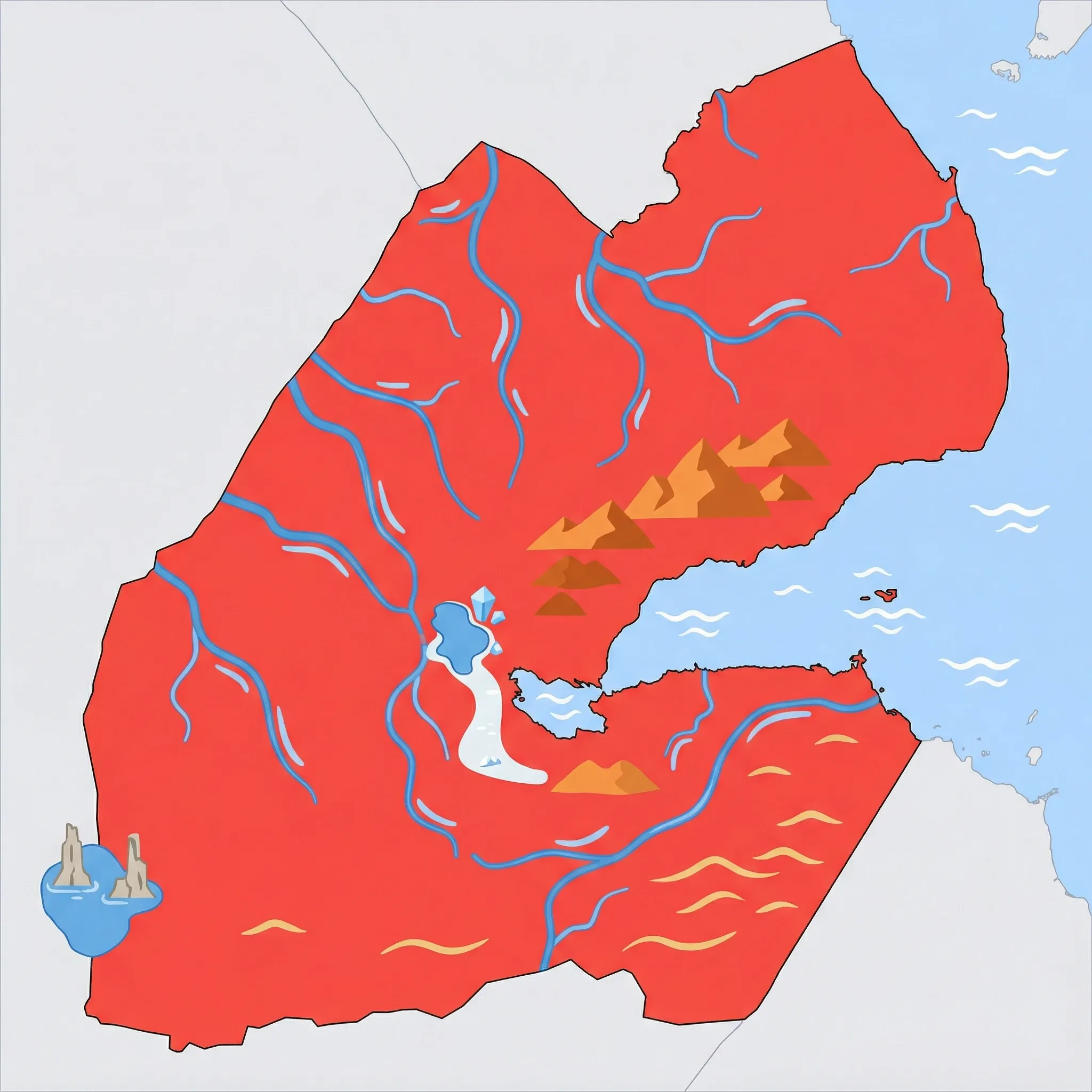
The undisputed highlight for families is Lake Assal, the lowest point in Africa (-155m). Surrounded by blindingly white salt flats and black volcanic lava, the water is a vivid turquoise. Kids will love the sensation of effortless floating in the hypersaline water, though bring fresh water to rinse off the itch immediately after! Nearby, the Ardoukoba Volcano offers a manageable hike to see a dormant crater and frozen rivers of black lava.
In the southwest, Lake Abbé is a surreal landscape of hundreds of limestone chimneys, some rising 50 meters high, venting steam from the earth below. It is often described as a slice of Mars on Earth. Sunrise here is magical, as thousands of flamingos gather in the mist. For a relaxing break, take a boat to Moucha Island in the Gulf of Tadjoura. The island is surrounded by coral reefs perfect for snorkeling, with shallow, clear waters safe for younger swimmers. Between November and January, the bay is famous for whale shark excursions, where you can swim alongside these harmless plankton-eaters.
Closer to the capital, the Decan Wildlife Refuge (Refuge Décan) is a sanctuary for rescued animals, including cheetahs, lions, and zebras. It’s a fantastic, ethical alternative to a wild safari, allowing children to see East African wildlife up close while supporting conservation efforts. Finally, the white-washed town of Tadjoura offers a slower pace and beautiful beaches like Sable Blanc, where the desert meets the sea.
Practical Advice
Best time to visit: The cooler months from November to February are essential for family travel; summer temperatures can exceed 45°C (113°F) and are dangerous for children. This period also coincides with whale shark season.
Visas & Logistics: Most visitors need a visa. The e-Visa system is now the standard; apply online at least a week before travel. Print multiple copies of your approval.
Health & Safety: Malaria prophylaxis is recommended. The sun is intense-pack high-SPF sunscreen and hats. Travel outside the city requires a 4x4 with a driver; do not attempt to self-drive into the desert without convoy experience.
Food & Drink
Typical meal times: Lunch is typically 12:30 pm to 2:30 pm, and dinner is eaten late, from 7:30 pm to 9:30 pm, reflecting the French influence.
Typical meal costs: 2,500–5,500 DJF (approx. $14–30 USD / €13–28 EUR) for a main dish in a sit-down restaurant. Street food and simple cafes are cheaper, around 800–1,500 DJF (approx. $4.50–8.50 USD / €4–7.50 EUR).
Dietary requirements: Halal food is the standard. Vegetarians will find lentil dishes and French-style salads, but options can be limited in remote areas. Gluten-free travelers should be aware that bread is a staple at every meal.
Family-friendly dining: Djibouti City has many French-style cafes and pizzerias that are easy for children. Poissonnerie (fish restaurants) are loud, hands-on, and fun for families.
Signature dishes:
- Skoudehkaris – The national dish of Djibouti: a fragrant, one-pot rice dish usually cooked with lamb, plenty of cardamom, and tomatoes.
- Poisson Yéménite (Yemeni Fish) – A must-try experience where whole fish is coated in a spicy red paste and roasted in a clay tandoor oven, served with giant flatbreads.
- Mukbaza – Often served after the fish, this is a sweet, warm mash of folded bread, dates, bananas, and honey-kids usually love this "dessert-dip."
- Fah-fah – A hearty, spicy stew made with goat meat and vegetables, typically eaten for dinner in the cooler evenings.
- Lahoh – Sponge-like, fermented pancakes similar to Ethiopian injera but smaller, often eaten at breakfast with honey or tea.

Djibouti is surprisingly expensive due to its reliance on imports and high electricity costs. A family of four should budget 60,000–90,000 DJF (approx. $340–500 USD / €310–460 EUR) per day. This covers a private 4x4 with driver (essential for excursions), mid-range hotels, and meals. Budget accommodation is scarce and often poor quality.
Age Suitability





Did you know? Djibouti welcomes approximately 145,000 international visitors per year.
Why this score?
The region offers a high level of adventure due to its extreme volcanic landscapes, hypersaline lakes, and the harsh environment of the Danakil Depression. Travelers must navigate rugged terrain and intense heat to reach sites like Lake Abbe's limestone chimneys, and the lack of traditional tourism infrastructure outside the capital creates a truly off-the-beaten-path experience for families.
Why this score?
Medical facilities are very limited and primarily concentrated in Djibouti City, with rural areas lacking even basic healthcare infrastructure. While the presence of international military bases provides some high-level emergency capacity, standard medical services for tourists are sparse, and serious conditions typically require expensive medical evacuation to Europe or more developed regional hubs.
Why this score?
With only 145,000 annual arrivals and approximately 2,600 hotel beds nationwide, Djibouti is a niche destination that sees very few foreign visitors compared to global hubs. Most tourism is concentrated around specific seasonal activities like whale shark watching in the Gulf of Tadjoura or visiting the unique geological formations of Lake Assal, leaving the rest of the country largely unvisited by international travelers.
Djibouti is an expensive destination. High import taxes and a currency pegged to the dollar keep prices elevated. Budget hotels are scarce and often poor quality. A mid-range double room typically costs 18,000–30,000 DJF (approx. $100–170 USD / €95–160 EUR) per night. Supermarket goods are also priced at a premium.

Getting There & Around
Getting There
- By Air – Djibouti-Ambouli International Airport (JIB) is the main gateway. Major connections include Ethiopian Airlines (via Addis Ababa), Flydubai/Emirates (via Dubai), and Air France (via Paris).
- By Train – The Addis Ababa–Djibouti Railway offers a modern, comfortable link from Ethiopia. The journey takes about 12 hours. It is generally safe, but verify current schedules.
- Entry Requirements – Most travelers require a visa. The e-Visa is the most convenient option. Check your government website for the latest visa requirements, or use the IATA Travel Centre entry-requirements checker.
Getting Around
- 4x4 with Driver – The only reliable way to reach Djibouti's interior sites like Lake Abbé. Roads are rough and signposting is non-existent. Cost is roughly 25,000–35,000 DJF (approx. $140–200 USD) per day.
- Taxis – Abundant in Djibouti City (look for green and white cars). Negotiate the fare before getting in; a short hop costs 500–1,000 DJF (approx. $3–6 USD).
- Ferries – Connect Djibouti City to Tadjoura and Obock. The trip takes 2–3 hours and is a scenic way to cross the gulf.

Packing List
Essential for Lake Assal's sharp salt crystals and urchins on the coast.
Sun is extremely aggressive and modest swimwear is respectful in local culture.
Heat exhaustion is a real risk; water alone isn't enough in the desert.
Boats to Moucha Island are small and spray is inevitable; protects phones.
Djibouti uses French-style 2-pin plugs (Type E), not UK or US standard.

Activities & Best Times

Adventure & Nature
Very GoodHiking, wildlife, outdoor exploration, ecotourism
Features 'alien' landscapes like the Lake Abbe chimneys and Lake Assal salt flats, offering a high degree of authenticity for adventurous families. Travel is best in the cooler winter months; summer temperatures frequently exceed 40°C, making desert exploration dangerous.

City & Cultural
Very GoodUrban tourism, museums, historical sites, architecture
Offers a unique blend of Afar culture, historic Tadjoura, and the significant Abourma rock art sites. The cooling influence of the winter months is essential for exploring these outdoor heritage sites comfortably; the summer months see extreme heat that limits urban and site exploration.

Beach & Sea
GoodBeach resorts, marine activities: diving, snorkelling, kite surfing, wind surfing, sailing
Djibouti offers world-class whale shark snorkeling and diving in the Gulf of Tadjoura and around Moucha Island. Peak months align with the whale shark migration and comfortable temperatures, while summer heat makes coastal activity oppressive.

Road Trips & Scenic
GoodScenic drives, countryside tours, route-based travel
The drive to Lake Assal is one of the most spectacular in East Africa, passing through dramatic volcanic landscapes. Peak travel occurs when visibility is high and vehicle breakdown risks are not exacerbated by life-threatening summer heat.

Sports & Active
GoodSport tourism, fitness activities, active recreation
Rugged trekking routes in the Forêt du Day National Park and across the salt plains provide challenging, authentic active experiences. These activities are strictly seasonal, as the physical exertion required is only manageable during the cooler months from November to February.

Attractions (10 total)



Public Holidays & Calendar Next 12 months
Public holidays, festivals, cultural celebrations, and seasonal natural phenomena coming up in Djibouti over the next 12 months.
Loading holidays and events...

Travel Advisory
Djibouti generally requires travellers to exercise a high degree of caution. While the capital is relatively stable, the country faces persistent threats from regional terrorist organizations like Al-Shabaab and has significant security risks along its borders with Eritrea and Somalia.
Safety Topics
Traveller Advice (3 groups)

Monitor local media and stay alert in public places frequented by foreigners. Avoid walking alone at night and use pre-arranged transport rather than public taxis.

Exercise discretion as same-sex relationships are culturally sensitive and not widely accepted in the local society, despite the lack of specific criminal laws.

Respect local Islamic customs by dressing conservatively. Clothing should cover shoulders and knees to avoid unwanted attention and show cultural respect.
Agency Summaries
Vigilance is advised across the country due to terrorism threats. Travel to the Eritrean border is discouraged due to military tensions and landmines.
Heightened safety concerns exist due to terrorism and kidnapping risks, particularly near the Somalia and Eritrea borders where travel is discouraged.
Increased caution is recommended due to the threat of terrorism. There is a higher risk level for the border area with Eritrea where travel should be reconsidered.
A high level of caution is necessary because of the ongoing threat of terrorism and the potential for civil unrest and street crime.
Travellers should remain highly vigilant due to risks associated with crime and regional instability. Avoid all travel to areas within 10km of the border with Eritrea.
While general travel is permitted, the authorities advise against all travel to the Eritrean border zone. Terrorist attacks are considered likely and could be indiscriminate.
Information is provided for general guidance only and does not constitute travel, safety, medical, or legal advice. Conditions may change. Users are responsible for independently verifying information before travel.