
Puerto Plata & North Coast
Where golden amber sands meet Atlantic adventure 🪁
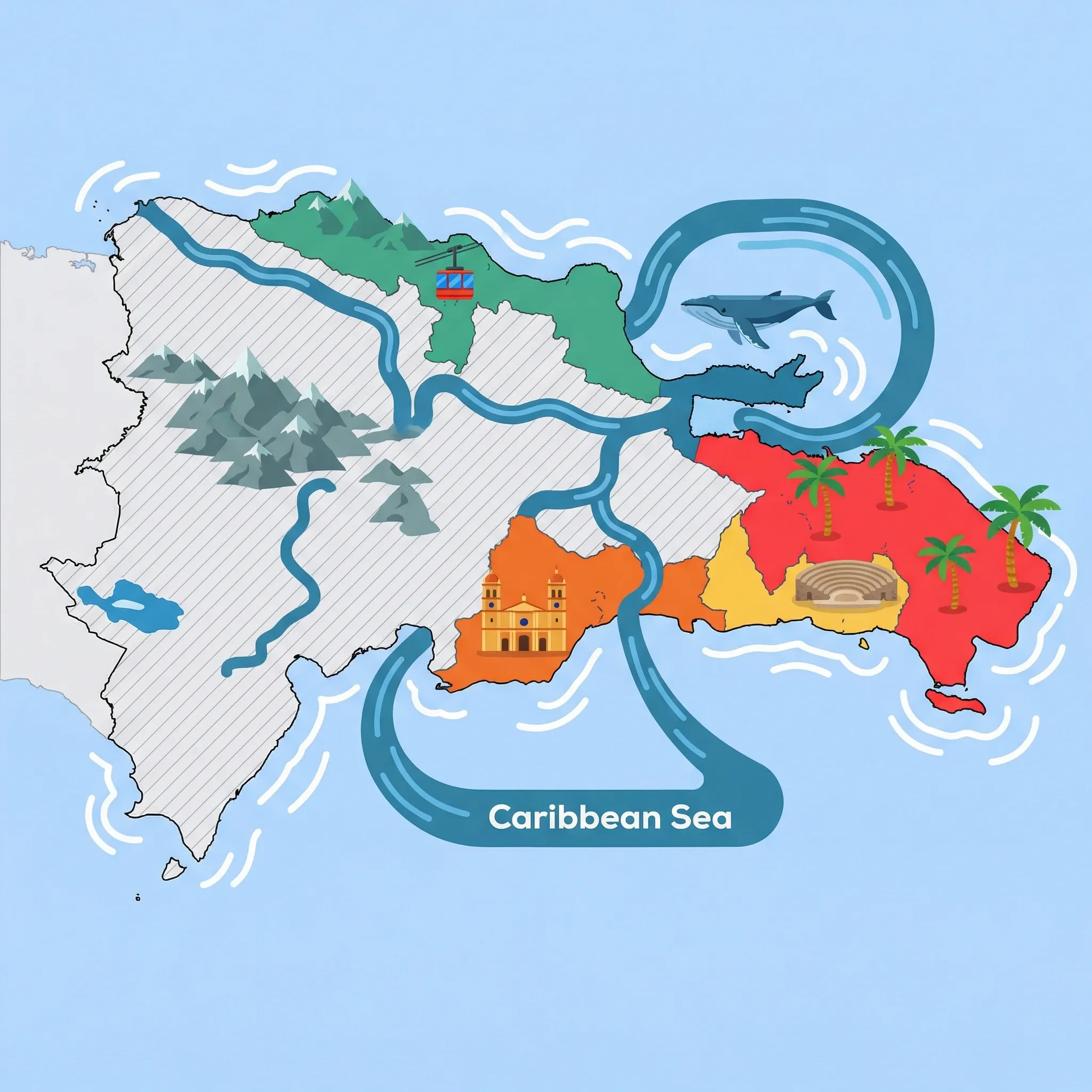
Click a region to explore
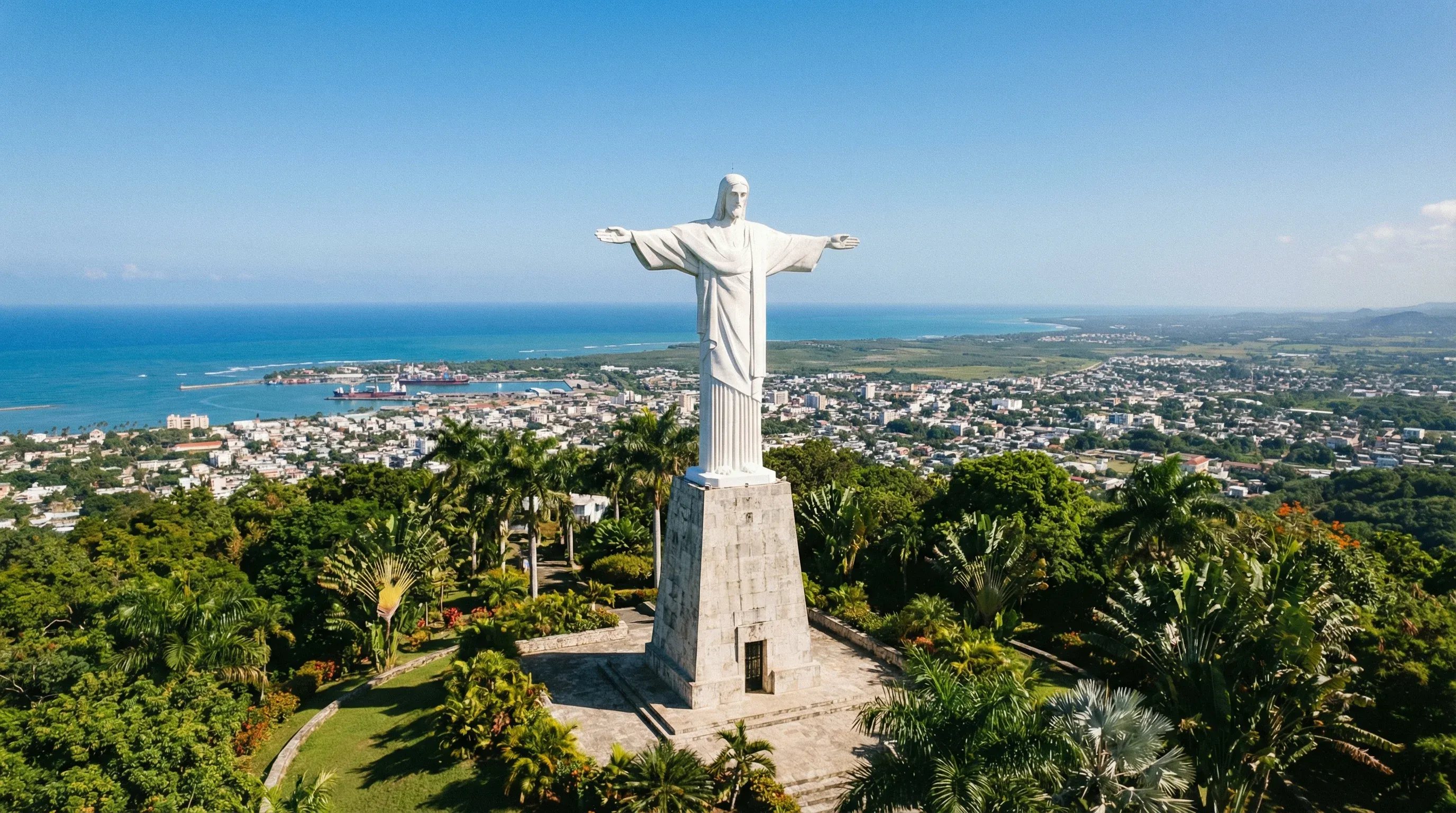
Facing the vast Atlantic Ocean, the Puerto Plata region is lush, mountainous, and historically rich. Known as the "Amber Coast" for its rich deposits of semi-precious resin, this area offers a greener, more adventurous alternative to the pure beach tourism of the east. The city of Puerto Plata itself charms visitors with its Victorian-era gingerbread houses and a lively central square. For active families, this region is unbeatable: the winds here make it a world-class destination for water sports, while the nearby mountains offer hiking and waterfall jumping adventures that older children will talk about for years.
The vibe shifts distinctly as you move along the coast. Puerto Plata is cultural and historic; Sosúa sits on a crescent bay with calm waters perfect for swimming; and Cabarete is the bohemian surf capital, filled with kitesurfers and beachfront cafes. This variety allows families to mix cultural sightseeing with adrenaline-pumping activities and classic beach relaxation in a single trip.
Key Attractions
Start your historical journey at Fortaleza San Felipe, a 16th-century fortress that once protected the city from pirates—a hit with imaginative kids. Afterward, head to Playa Sosúa, a protected bay where the water is calm enough for small children and glass-bottom boats offer glimpses of the reef without getting wet.
For families with teens, Cabarete Beach is the place to be. Even if you don't kitesurf, watching the colorful sails fill the sky is mesmerizing. It's also a great spot for boogie boarding and enjoying a casual lunch with feet in the sand. The nearby 27 Waterfalls of Damajagua (a short drive inland) is another highlight for adventurous families.
Practical Advice
The Atlantic side can be breezier and wavier than the Caribbean south—great for sports, but keep an eye on toddlers. The best time to visit is during the dry season, though the north coast gets rain year-round which keeps it incredibly green.
Food & Drink
Typical meal times: Lunch is usually 12:30 pm to 2:00 pm. Dinner is often eaten later, from 7:30 pm to 9:30 pm.
Typical meal costs: Dining is generally affordable. A family meal costs around RD$2,500–4,500 (approx. $45–75 USD / €40–70 EUR).
Dietary requirements: Cabarete is very expat-friendly and offers excellent vegan, vegetarian, and gluten-free cafes. Traditional Dominican restaurants (comedores) may have fewer specific diet options.
Signature dishes:
- Pescado con Coco – Fresh fish simmered in a rich coconut milk sauce, a specialty of the Samaná and North Coast regions.
- Mangú – Mashed green plantains topped with pickled red onions, traditionally served for breakfast but available anytime.
- Queso de Hoja – A fresh, stringy cow's milk cheese often sold by roadside vendors, similar to mozzarella.
Why this score?
This region offers some of the country's most active tourism experiences, including the famous 27 Charcos of Damajagua waterfalls and world-class kitesurfing in Cabarete. The presence of Mount Isabel de Torres provides opportunities for hiking and cable car exploration above the coastal plain. It is significantly more rugged and activity-oriented than the flat resort areas of the East.
Why this score?
Puerto Plata and the surrounding resort towns like Sosúa have a well-established network of private medical centers and emergency services catering to expats and tourists. Facilities like Centro Médico Bournigal offer high standards of care and experience with international insurance providers. While modern, these facilities may still refer highly complex cases to the capital.
Why this score?
As the birthplace of Dominican tourism, the North Coast remains a well-known destination with a dedicated international following, particularly from North America and Europe. The region sees significant traffic through the Amber Cove cruise terminal and the Puerto Plata international airport. While it has been eclipsed in total numbers by Punta Cana, its diverse offerings from Sosúa to Cabarete maintain a strong, steady international presence.

The North Coast offers good value compared to Punta Cana. All-inclusive resorts here are often cheaper. A nice sit-down dinner in Cabarete costs RD$800–1,500 (approx. $14–25 USD / €13–23 EUR) per person. Local transport (guaguas) is very cheap, costing less than RD$100 (approx. $1.70 USD / €1.60 EUR) for short hops.

Getting Here & Around
Getting Here
- Airports – Gregorio Luperón International Airport (POP) is centrally located, just 15–20 minutes from most resorts. Santiago (STI) is a 1.5-hour drive away.
- Taxi – Official airport taxis have fixed rates to hotels in Playa Dorada, Sosúa, and Cabarete.
- Driving – The road from Santo Domingo is scenic but long (3.5 hours). Driving along the coast between towns is straightforward.
Getting Around
- Taxi & Van – Getting between towns like Puerto Plata, Sosúa, and Cabarete Beach is easy with local taxis or "guaguas" (minibuses).
- Walking – The center of Puerto Plata and the beachfront of Cabarete are very walkable.
- Car – Useful if you plan to explore remote beaches or drive to attractions like Fortaleza San Felipe independently.
Nearby Airports (2 airports)
Gregorio Luperon International
POPPuerto Plata
Cibao International
STISantiago
View full flight map for Dominican Republic →
Official Links

Packing List
Essential for waterfall climbing at Damajagua and rocky parts of Sosúa beach.
The Atlantic sun and wind at Cabarete can cause burns quickly; protects against surfboard rash too.
Keeps valuables safe during boat trips or rainy afternoon showers.
Roads into the mountains and catamaran trips can be winding and choppy.
Mandatory for some marine excursions like Saona Island to protect delicate coral ecosystems.
Plastic waste is an issue and drinks get warm instantly in the humidity; keeps water cold all day.
Dengue is a risk; wipes are easier to apply to squirming children than sprays and easier to pack.
Voltage fluctuations are frequent; protects expensive tablets and phones while charging.
Essential for boat trips to Saona or waterfalls where everything gets wet.

Activities & Best Times

Hiking, wildlife, outdoor exploration, ecotourism
Home to the exceptional Damajagua Waterfalls and Mount Isabel de Torres, providing high-quality tropical exploration. Peak season occurs during drier months to ensure safe canyoning and clear hiking trails, avoiding the significant mud and flood risks of the wet seasons.

Urban tourism, museums, historical sites, architecture
Boasts significant colonial heritage, including the first European settlement at La Isabela and the San Felipe fortress. The city is best explored in the cooler winter months, while the peak hurricane window in autumn poses a risk to travel plans.

Beach resorts, marine activities: diving, snorkelling, kite surfing, wind surfing, sailing
Features internationally famous wind-sport hubs like Cabarete and scenic bays in Sosúa. Peak conditions align with winter sun-seekers and optimal summer trade winds, while late autumn is avoided due to high rainfall and hurricane risk.

Sport tourism, fitness activities, active recreation
Renowned for active pursuits including canyoning at 27 Charcos and mountain biking in El Choco. Optimal conditions occur during dry spells when water levels are safe for river activities and mountain trails are most accessible.

Learning experiences, scientific sites, historical education
Ocean World Adventure Park provides major marine-focused learning opportunities. Demand peaks with family travel seasons, though it serves as a secondary activity rather than a standalone educational destination for sophisticated travelers.

Scenic drives, countryside tours, route-based travel
Offers dramatic coastal and mountain driving along the Ruta Panorámica. Travel is highly weather-dependent, with peak months providing the best visibility and safest road conditions away from the torrential rains of May and late autumn.

Amusement parks, family entertainment venues
Limited to regional aquatic centers like Sosua Ocean Village. While suitable for families, it lacks the world-class scale of international theme park destinations and is best visited during peak school holiday windows.




Public Holidays & Calendar Next 12 months
Public holidays, festivals, cultural celebrations, and seasonal natural phenomena coming up in Puerto Plata & North Coast over the next 12 months.
Loading holidays and events...

Travel Advisory
The majority of major international agencies recommend exercising increased caution or a high degree of vigilance. The primary driver for this assessment is the prevalent rate of violent crime and potential security instability near the border with Haiti.
Safety Topics
Traveller Advice (3 groups)

All visitors must complete the official electronic entry and exit form (eTicket) before travel. Dual nationals should be aware that their second citizenship may limit the ability of their other home country to provide consular assistance while in the Dominican Republic.

Infrastructure for travelers with mobility or other disabilities may be limited outside of major international hotels. It is recommended to review specialized guides for traveling abroad with a disability before departure.

Female travelers should be particularly cautious as incidents of sexual harassment and assault have been reported, including within major resorts. It is advised to avoid walking alone, especially in unlit or secluded areas after dark, and to be wary of accepting drinks from strangers.
Agency Summaries
Ireland advises its citizens to exercise a high degree of caution primarily due to crime and road safety risks. The country has a very high rate of traffic accidents, and travelers should be extremely careful when driving or walking near roads.
No specific travel advisory is in effect, but travelers are reminded to maintain standard safety awareness. Emphasis is placed on health risks like rabies and insect-borne diseases, and the necessity of having comprehensive medical insurance that covers air evacuation.
Travelers should remain vigilant due to significant crime rates. Security near the closed border with Haiti is highly unstable, and disturbances can escalate quickly. Violent incidents and opportunistic crimes like pickpocketing are common, especially in urban centers and after dark.
Increased caution is recommended due to prevalent violent crime, including armed robbery and homicide. While tourist areas benefit from dedicated police presence, crime remains a nationwide threat. Travelers are cautioned against displaying wealth and meeting strangers from online apps in secluded spots.
A high level of vigilance is required because of the threat of violent crime. Crime occurs in both residential and tourist areas, including beaches. Travelers should use secure transportation and avoid carrying large amounts of cash or wearing expensive jewelry.
Most visits are trouble-free, but travelers should be aware of high crime rates and poor road safety. The border with Haiti remains closed, and the security situation there is precarious. Specific entry requirements and health precautions regarding mosquito-borne diseases apply.
Information is provided for general guidance only and does not constitute travel, safety, medical, or legal advice. Conditions may change. Users are responsible for independently verifying information before travel.