
Samaná Peninsula
Wild nature, whales, and hidden waterfalls 🐋
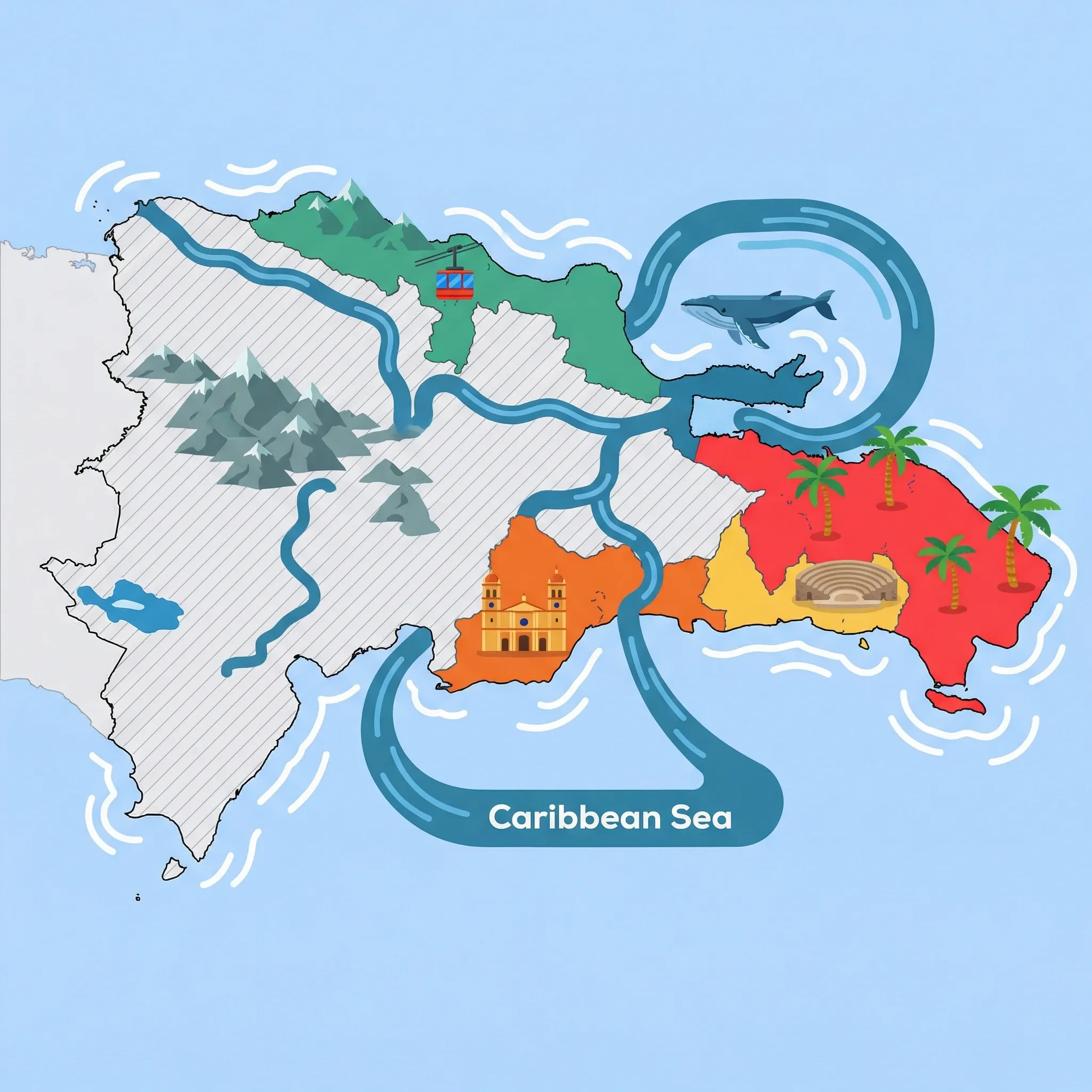
Click a region to explore
Samaná feels like a world apart from the busy resorts of Punta Cana. It is a region of wild, untamed beauty where verdant mountains crash directly into the sea, fringed by thousands of coconut palms. For nature-loving families, this is the best part of the country. Between January and March, Samaná Bay becomes one of the world's best places for whale watching, as thousands of North Atlantic humpback whales migrate here to calve—a magical experience for children. The vibe here is European-chic mixed with authentic Caribbean village life, particularly in the town of Las Terrenas, which offers walkable streets and French bakeries alongside local fish markets.
Adventure is the main theme here. Whether it's horseback riding to a remote waterfall or boating through ancient mangrove forests, the activities are active and outdoor-focused. The beaches are less manicured but far more dramatic than in the south, often backed by cliffs and jungle rather than hotels. It's an ideal destination for families with slightly older children who are ready for a bit of exploration beyond the pool.
Key Attractions
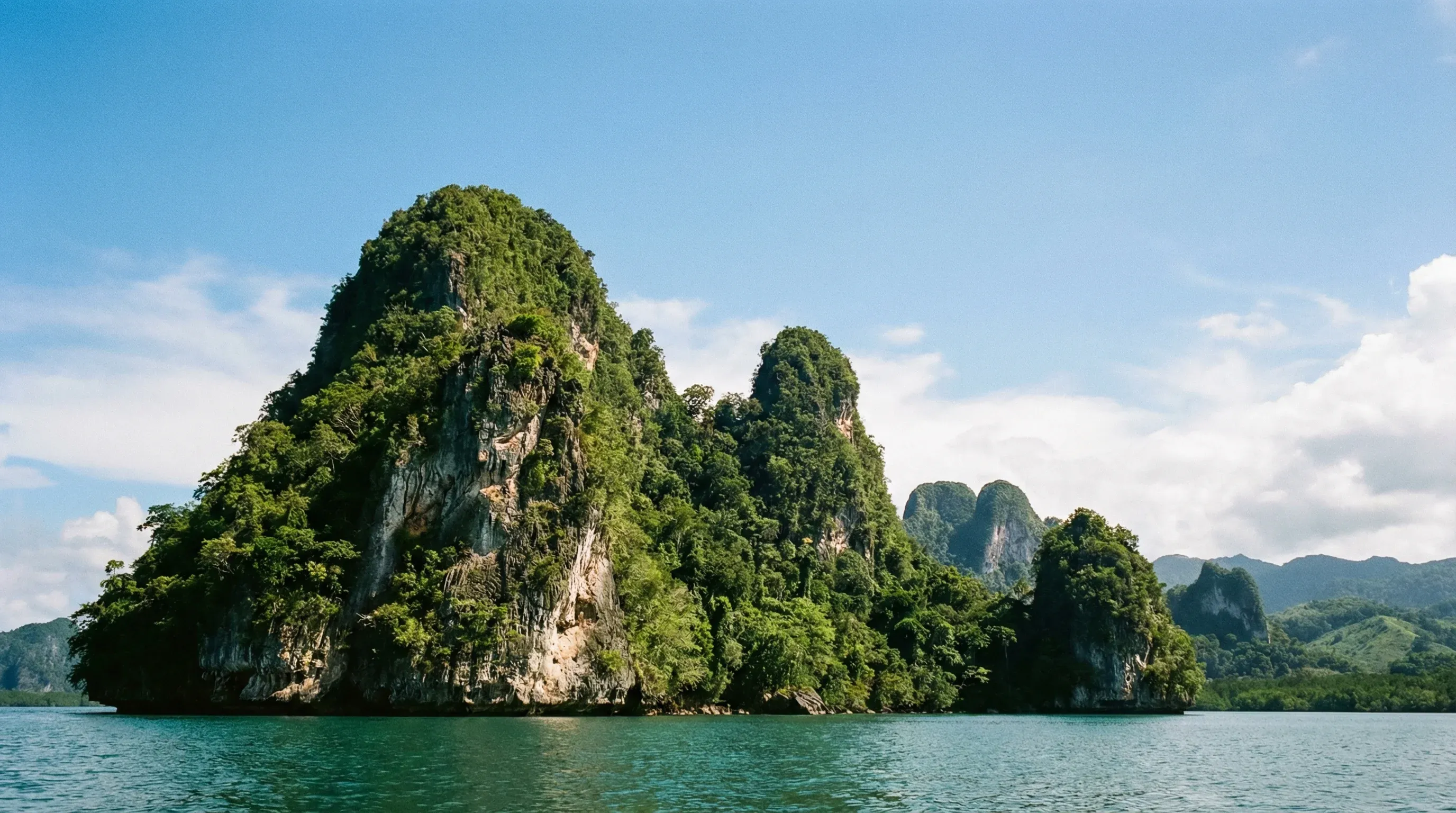
The crown jewel of the region is Los Haitises National Park. Accessible only by boat, this park features massive limestone karsts rising out of the water, mangrove forests, and caves filled with Taino indigenous art that kids will love exploring with a flashlight. Another major highlight is Salto El Limón, a spectacular 52-meter waterfall. Families can reach it by hiking or, more popularly, on horseback—an adventure that feels like a jungle expedition.
For a perfect beach day, take a water taxi to Cayo Levantado (often called Bacardi Island). It offers calm, shallow waters and full services, making it easy for families. Alternatively, Playa Rincón offers a vast stretch of wild sand with a freshwater river at one end where kids can wash off the salt in cool, clear water.
Practical Advice
Samaná is wetter than the south, which keeps it green. Rain showers are common but usually short. The nearest international airport is El Catey (AZS), but flights are limited; many families drive 2 hours from Santo Domingo (SDQ).
Food & Drink
Typical meal times: Lunch 12:00 pm to 2:30 pm, Dinner 7:00 pm to 9:30 pm.
Typical meal costs: Dining is excellent value. A fresh seafood meal costs RD$800–1,500 (approx. $14–25 USD / €13–23 EUR). Street snacks are very cheap.
Dietary requirements: Coconut milk is used heavily, which is great for dairy-free diets. Vegan options are plentiful in Las Terrenas due to European influence.
Signature dishes:
- Pescado con Coco – The signature dish of Samaná: fresh fish cooked in a sauce of fresh coconut milk, tomato, garlic, and cilantro.
- Pan de Coco – A dense, slightly sweet bread made with coconut milk, often sold by cyclists on the beach.
- Yaniqueques – Crispy, deep-fried dough discs (Johnny cakes), a favorite beach snack for kids.
Why this score?
The peninsula is defined by its lush, hilly jungle terrain and relatively remote beaches, providing a notable outdoor adventure feel. Activities such as trekking to the El Limón waterfall or navigating the mangroves of Los Haitises National Park require more physical effort than standard resort excursions. The infrastructure is less polished, leading to a more rugged and exploratory atmosphere for visitors.
Why this score?
Medical facilities in Samaná are relatively basic and may not meet the expectations of all international travelers for complex issues. While local clinics can handle minor injuries and routine ailments, serious medical emergencies often necessitate a long ambulance or air-transfer to Santo Domingo. Language barriers are also more likely to be encountered in local healthcare settings compared to the major resort zones.
Why this score?
Samaná is a moderate tourism hub that attracts a mix of domestic travelers and international eco-tourists seeking a more authentic experience. While it becomes a major draw during the winter humpback whale breeding season, it lacks the massive resort infrastructure and direct flight frequency of the East Coast. It remains a more niche destination known for its boutique hotels and natural landscapes rather than mass tourism.

Samaná fits a mid-range budget. Boutique hotels cost RD$6,000–12,000 (approx. $100–200 USD / €95–185 EUR) per night. Whale watching tours are the biggest expense, costing around $60–90 USD (approx. €55–85 EUR) per person. Food is generally cheaper than in Punta Cana.

Getting Here & Around
Getting Here
- Airports – Samaná El Catey (AZS) has seasonal flights. Santo Domingo (SDQ) is the most reliable option, followed by a 2-hour drive.
- Driving – The highway from Santo Domingo is excellent (though has tolls). The drive offers stunning views of the palm-forest landscape.
- Bus – Comfortable coach services connect Santo Domingo to Las Terrenas and Samaná town.
Getting Around
- Car – A rental car (preferably 4x4) is highly recommended to reach remote spots like Playa Rincón.
- Quad / ATV – A popular way to get around Las Terrenas; families often rent larger buggies.
- Boat – Essential for visiting Los Haitises National Park and various hidden beaches.
Nearby Airports (1 airport)
Samaná El Catey International Airport
AZSEl Catey/Samana
View full flight map for Dominican Republic →
Official Links

Packing List
Essential for whale watching (Jan-Mar) to see the action up close from the boat.
Required for the Salto El Limón waterfall trail which involves river crossings and mud.
Boat trips to Los Haitises and beaches can be wet; protects cameras and phones.
Samaná is a rainforest region and brief, heavy tropical showers are common.
Sharp coral and sea urchins are common at many beaches; essential for protecting small feet.
Mandatory for some marine excursions like Saona Island to protect delicate coral ecosystems.
Plastic waste is an issue and drinks get warm instantly in the humidity; keeps water cold all day.
Dengue is a risk; wipes are easier to apply to squirming children than sprays and easier to pack.
Voltage fluctuations are frequent; protects expensive tablets and phones while charging.
Essential for boat trips to Saona or waterfalls where everything gets wet.

Activities & Best Times

Hiking, wildlife, outdoor exploration, ecotourism
A premier Caribbean ecotourism hub featuring the unique karst landscapes of Los Haitises National Park and the El Limón waterfall. Optimal conditions for trekking and boat expeditions are found in the winter and spring before the heat and humidity peak in summer.

Urban tourism, museums, historical sites, architecture
The region offers a sophisticated mix of local Taino history and the unique French-influenced atmosphere of Las Terrenas. Best experienced during the cooler, drier months when walking the Pueblo de los Pescadores and historic sites is most comfortable.

Beach resorts, marine activities: diving, snorkelling, kite surfing, wind surfing, sailing
Home to iconic, undeveloped beaches like Playa Rincón and Cayo Levantado, offering a more authentic experience than mass-market resorts. Peak visits coincide with the drier months, while the late autumn period is discouraged due to high tropical rainfall and hurricane risk.

Learning experiences, scientific sites, historical education
Centered on the internationally recognized Whale Museum and Nature Center which highlights Humpback whale conservation. The educational value is highest during the active migration season in the first quarter of the year.

Scenic drives, countryside tours, route-based travel
Features the Bulevar Turístico del Atlántico, one of the most scenic coastal drives in the Caribbean. Travel is recommended in the dry season to ensure road safety and clear panoramic views of the Atlantic coastline.

Sport tourism, fitness activities, active recreation
Offers high-quality active infrastructure including jungle zipline circuits and the famous Salto El Limón hiking trail. Activity levels are highest when trails are dry and temperatures are more moderate during the early year.

Events, celebrations, seasonal attractions
The Humpback whale migration into Samaná Bay is a major international natural event attracting thousands of visitors. This spectacular seasonal phenomenon is strictly limited to the winter months, typically peaking in February.




Public Holidays & Calendar Next 12 months
Public holidays, festivals, cultural celebrations, and seasonal natural phenomena coming up in Samaná Peninsula over the next 12 months.
Loading holidays and events...

Travel Advisory
The majority of major international agencies recommend exercising increased caution or a high degree of vigilance. The primary driver for this assessment is the prevalent rate of violent crime and potential security instability near the border with Haiti.
Safety Topics
Traveller Advice (3 groups)

All visitors must complete the official electronic entry and exit form (eTicket) before travel. Dual nationals should be aware that their second citizenship may limit the ability of their other home country to provide consular assistance while in the Dominican Republic.

Infrastructure for travelers with mobility or other disabilities may be limited outside of major international hotels. It is recommended to review specialized guides for traveling abroad with a disability before departure.

Female travelers should be particularly cautious as incidents of sexual harassment and assault have been reported, including within major resorts. It is advised to avoid walking alone, especially in unlit or secluded areas after dark, and to be wary of accepting drinks from strangers.
Agency Summaries
Ireland advises its citizens to exercise a high degree of caution primarily due to crime and road safety risks. The country has a very high rate of traffic accidents, and travelers should be extremely careful when driving or walking near roads.
No specific travel advisory is in effect, but travelers are reminded to maintain standard safety awareness. Emphasis is placed on health risks like rabies and insect-borne diseases, and the necessity of having comprehensive medical insurance that covers air evacuation.
Travelers should remain vigilant due to significant crime rates. Security near the closed border with Haiti is highly unstable, and disturbances can escalate quickly. Violent incidents and opportunistic crimes like pickpocketing are common, especially in urban centers and after dark.
Increased caution is recommended due to prevalent violent crime, including armed robbery and homicide. While tourist areas benefit from dedicated police presence, crime remains a nationwide threat. Travelers are cautioned against displaying wealth and meeting strangers from online apps in secluded spots.
A high level of vigilance is required because of the threat of violent crime. Crime occurs in both residential and tourist areas, including beaches. Travelers should use secure transportation and avoid carrying large amounts of cash or wearing expensive jewelry.
Most visits are trouble-free, but travelers should be aware of high crime rates and poor road safety. The border with Haiti remains closed, and the security situation there is precarious. Specific entry requirements and health precautions regarding mosquito-borne diseases apply.
Information is provided for general guidance only and does not constitute travel, safety, medical, or legal advice. Conditions may change. Users are responsible for independently verifying information before travel.