
Amazon (Coca, Tena)
A living classroom of wildlife and jungle adventure 🐒🌿
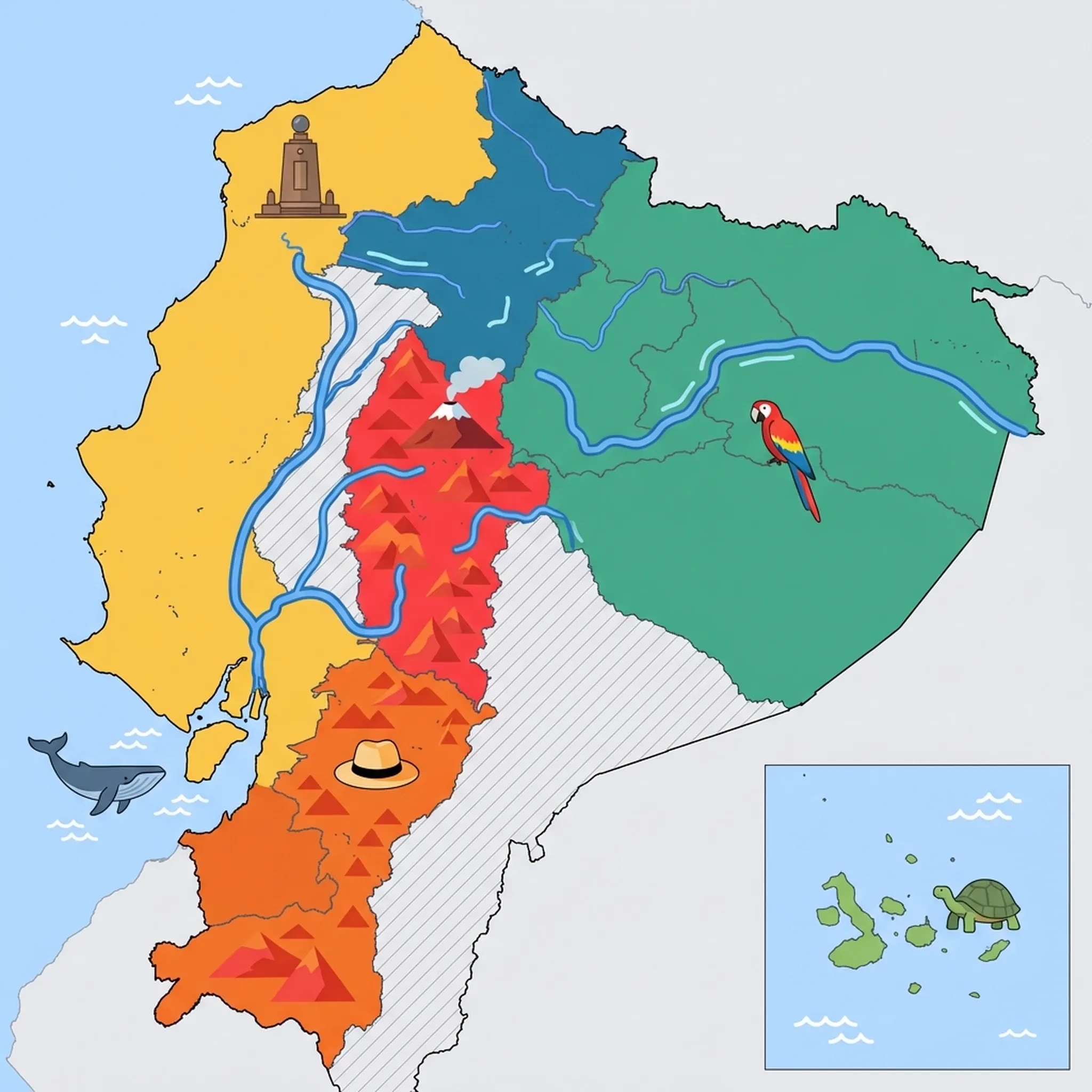
Click a region to explore
⚠️ SAFETY WARNING: Due to security concerns in border regions, government agencies (including CA, USA, UK, AU, IE, NZ) advise travelers to reconsider travel to parts of the Amazon. Specifically, avoid the Colombian border area in Sucumbíos province and northern Orellana due to criminal activity. However, main tourist corridors around Tena and organized lodge transfers from Coca remain accessible with reputable operators. Families are strongly urged to consult their own government's official travel advisory before considering a trip, as circumstances and risk assessments vary.
Overview
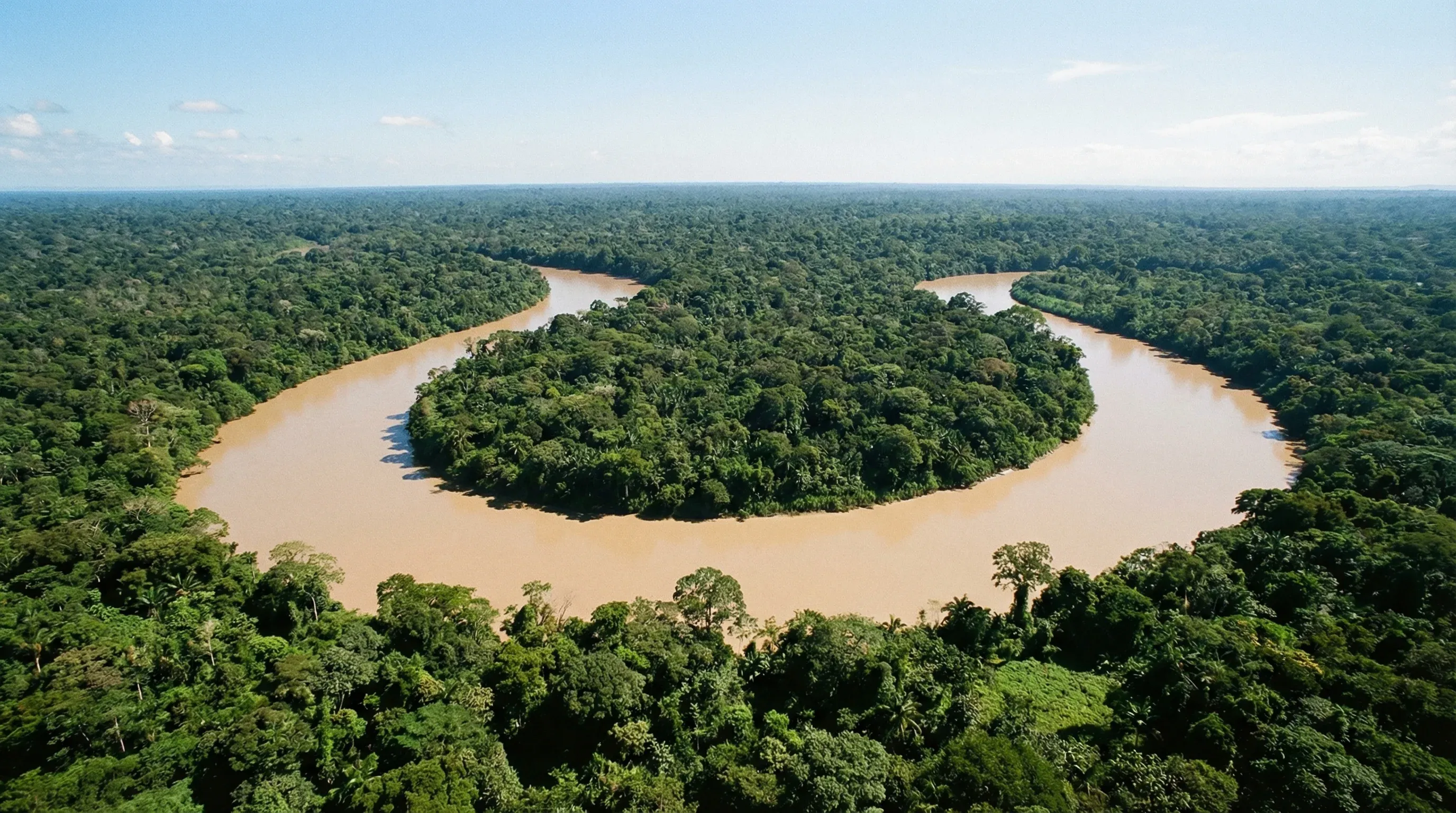
The Ecuadorian Amazon offers families a profound connection with nature that feels like stepping into a documentary. Unlike the remote deep Amazon of Brazil, the region around Tena and Coca is surprisingly accessible, making it an excellent choice for a first rainforest experience with children. The humidity, the chorus of insect sounds, and the sheer wall of green foliage create an immersive atmosphere that sparks the imagination of young explorers instantly.
For families, the highlight is the wildlife. This isn't a zoo; it's a wild ecosystem where you might spot squirrel monkeys jumping between trees or a sloth moving slowly through the canopy. Indigenous communities often welcome visitors to demonstrate traditional blowgun hunting (using targets) and face painting with achiote seeds, providing a culturally enriching experience that kids find fascinating rather than boring.
Key Attractions
The crown jewel for wildlife enthusiasts is Yasuní National Park. Accessible via boat from Coca, it is one of the most biologically diverse spots on Earth. Lodges here offer guided canopy walks and parrot clay lick visits where hundreds of birds gather—a colorful spectacle children love. Closer to civilization, Puerto Misahuallí serves as a fun entry point; the town square is famous for its resident troupe of cheeky monkeys who are not shy about posing for photos (keep a grip on your snacks!).
Practical Advice
The best time to visit is during the drier season from December to February, though rain is frequent year-round. Pack lightweight, quick-drying clothing and breathable rain gear. Most lodges provide rubber boots for hiking. Malaria prophylaxis is generally not required for short trips to Tena or main lodges, but consult a doctor. Insect repellent is mandatory.
Food & Drink
Typical meal times: Breakfast is early (7:00 am), lunch is 12:30 pm to 2:00 pm, and dinner is 7:00 pm to 8:30 pm.
Typical meal costs: $8–15 USD (approx. €7–14 EUR / £6–12 GBP) for a local set lunch; lodge meals are usually included in packages.
Dietary requirements: Lodges are very accustomed to international dietary needs and offer vegetarian/vegan options. In towns like Tena, options are more limited to local staples.
Signature dishes:
- Maito – Freshwater fish (tilapia or catfish) wrapped in a bijao leaf and grilled over fire, steaming the fish in its own juices.
- Chontacuro – Grilled palm weevil larvae; a crunchy, bacon-tasting novelty that brave kids might actually enjoy trying.
- Guayusa Tea – A caffeinated Amazonian holly leaf tea, drunk in the early morning for energy and focus.
Why this score?
Visiting this region involves navigating the dense primary rainforest, often requiring motorized canoe travel and off-grid trekking. The humidity, wildlife encounters, and isolation from modern infrastructure provide a high-level adventure experience for families.
Why this score?
Medical facilities in Coca and Tena are extremely basic and generally insufficient for complex emergencies or international standard care. Most deep-jungle lodges are several hours away from even these basic clinics, making medical evacuations difficult and slow.
Why this score?
While the Yasuní National Park is world-renowned for biodiversity, actual visitor numbers are limited by high costs and specialized logistics. Most international travel is concentrated in a few high-end eco-lodges or specific hubs like Tena for rafting, rather than mass tourism.

Costs vary wildly depending on the style of travel. Backpacking in Tena is cheap, but reputable jungle lodges are all-inclusive and priced higher. A 3-night lodge package typically costs $400–900 USD (approx. €370–830 EUR / £315–710 GBP) per person, including meals and guided excursions.
Family Travel Notice
Minors who are dual nationals or have resident status may require notarized consent from both parents to exit the country. Ensure all documentation is legalized via apostille where necessary.

Getting Here & Around
Getting Here
- Airports – Flight to Francisco de Orellana Airport (OCC) in Coca takes 35 minutes from Quito. This is the gateway for deep jungle lodges.
- Bus – Buses to Tena depart frequently from Quito's Quitumbe terminal, taking approximately 5 hours via a scenic, winding descent into the basin.
- River – Many lodges in the Yasuní National Park area are only accessible via a 2-3 hour motorized canoe ride from Coca.
Getting Around
- Canoe – The primary mode of transport for excursions. Motorized canoes cover long distances, while silent paddle canoes are used for wildlife watching.
- Walking – Trails are muddy; rubber boots (provided by lodges) are essential.
- Taxi/Pickup – In towns like Tena and near Puerto Misahuallí, white pickup trucks serve as taxis.
Nearby Airports (1 airport)
Francisco De Orellana
OCCCoca
View full flight map for Ecuador →
Official Links

Packing List
Electricity is limited in lodges; red light avoids attracting insects at night.
The extreme humidity can damage electronics; keep these in your camera bag.
Essential for spotting birds and monkeys high in the canopy.
To protect phones and cameras during canoe transfers and sudden downpours.
Many shops and taxis cannot change $20 bills; small change is essential for daily purchases.
Mandatory in the Galápagos to protect marine life; regular sunscreen is often restricted.
Essential for 'wet landings' from boats in Galápagos and walking on sharp volcanic rock.
Boat travel between islands can be choppy; vital for kids even if they don't usually get seasick.
Protects electronics during Amazon canoe trips and Galápagos pangas (dinghy rides).

Activities & Best Times

Hiking, wildlife, outdoor exploration, ecotourism
Yasuní National Park is a global biodiversity hotspot with world-class eco-lodges that provide sophisticated families with authentic, high-standard wilderness encounters. Peak visitation occurs during international school holidays, though the immersive jungle experience is available year-round despite tropical rainfall.

Sport tourism, fitness activities, active recreation
Tena is a premier international destination for whitewater kayaking and rafting, supported by professional outfitters and world-class river runs. The activity is best from November to February when river levels are consistent and safe, avoiding the extreme flood risks of the mid-year peak rainy season.

Urban tourism, museums, historical sites, architecture
The region features significant archaeological heritage at MACCO and the petroglyphs of Cotundo, offering a deep dive into indigenous Napo history. The urban centers of Coca and Tena serve as gateways with authentic riverfront atmosphere, best enjoyed during the drier tourism windows.

Scenic drives, countryside tours, route-based travel
The descent from the Andes to the Amazon via the 'Gateway Route' or the Loreto Road offers dramatic scenic transitions through cloud forests and tropical basins. Driving conditions are most reliable during the drier months to avoid the frequent landslides associated with the heavy April-June rains.

Beach resorts, marine activities: diving, snorkelling, kite surfing, wind surfing, sailing
River beaches like Misahuallí offer a unique freshwater alternative with native capuchin monkeys, though they lack the infrastructure and water clarity of international marine resorts. These areas are best visited when river levels are lower and sandbars are exposed, typically from December to February.

Learning experiences, scientific sites, historical education
The MACCO museum and Kamak Maki provide high-quality archaeological and ethnographic insights that appeal to curious families, serving as excellent destination-level educational stops. These facilities are primarily visited as part of broader regional itineraries during peak travel months.

Amusement parks, family entertainment venues
Local attractions like the Jumandy Caves and regional water parks provide family-oriented recreation, though they are modest in scale and facilities compared to international theme park benchmarks. They are best visited during the primary travel seasons to ensure full facility availability.




Public Holidays & Calendar Next 12 months
Public holidays, festivals, cultural celebrations, and seasonal natural phenomena coming up in Amazon (Coca, Tena) over the next 12 months.
Loading holidays and events...

Travel Advisory
Most major agencies advise exercising a high degree of caution or increased vigilance country-wide due to crime and civil unrest, despite extreme danger in specific border and coastal regions.
Safety Topics
Traveller Advice (4 groups)

Hikers and climbers should monitor volcanic activity alerts for Cotopaxi and Sangay. Use only reputable guides and ensure your insurance covers high-altitude search and rescue.

Female travellers should exercise extreme vigilance, particularly in tourist hubs like Montañita, due to reports of harassment and sexual assault. Avoid solo travel and moving alone after dark.

Minors who are dual nationals or have resident status may require notarized consent from both parents to exit the country. Ensure all documentation is legalized via apostille where necessary.

While legal protections exist, social attitudes can be conservative outside of major urban centres. Public displays of affection may attract unwanted attention or hostility in rural areas.
Agency Summaries
Due to serious security threats and a state of internal armed conflict, only essential travel is advised. Consular assistance is very limited in many parts of the country.
Heightened security concerns stem from violent crime and civil unrest. Travellers are advised to avoid certain neighbourhoods in Guayaquil and all areas within 20km of the border with Colombia.
General caution is advised across the country because of criminal activity and civil unrest. Higher risk levels apply to parts of Guayaquil and El Oro, while border provinces like Carchi and Esmeraldas are designated as Level 4 (Do Not Travel).
Travellers should be extremely vigilant due to pervasive crime and potential civil instability. Elevated risks, including a recommendation to avoid all travel, exist within 20km of the Colombian border in Carchi, Esmeraldas, and Sucumbíos provinces.
High levels of violent crime and internal armed conflict require significant security awareness. Specific regions, including Guayaquil and the northern border, carry higher risk ratings of 'Reconsider your need to travel' or 'Do not travel'.
Authorities recommend against all but essential travel to coastal provinces and areas near the Colombian border. Visitors should monitor the status of the ongoing nationwide state of emergency and observe local curfews.
Information is provided for general guidance only and does not constitute travel, safety, medical, or legal advice. Conditions may change. Users are responsible for independently verifying information before travel.