
Cuenca & Southern Highlands
Colonial charm and ancient Incan secrets 👒🏛️
Click a region to explore
Overview
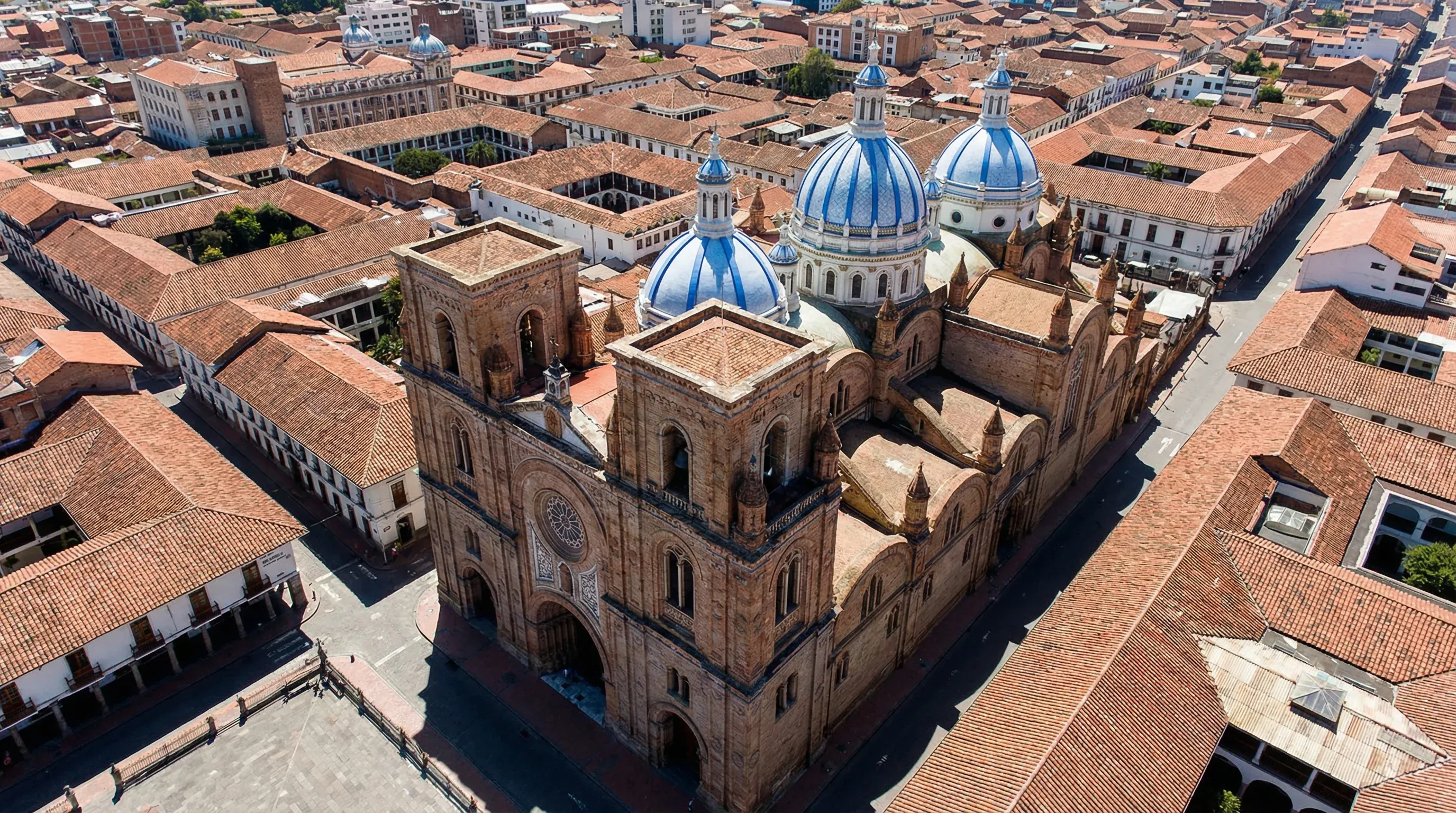
Cuenca is widely considered the cultural capital of Ecuador and is remarkably family-friendly. The pace here is slower and more relaxed than in Quito. The historic center is a UNESCO World Heritage site, yet it remains a living city where children can run in the plazas and families stroll along the grassy riverbanks on weekends. It feels safe, walkable, and deeply traditional.
Surrounding the city are villages famous for handicrafts—from guitar making to the weaving of the famous Panama hat (which actually originated in Ecuador). A short drive away lies the starkly beautiful Cajas National Park, a landscape of hundreds of lagoons that feels like the Scottish Highlands. This combination of urban culture and accessible nature makes the southern highlands a balanced destination for families who want a mix of education and outdoor play.
Key Attractions
The Historic Center of Cuenca is best explored on foot; don't miss the flower market near the New Cathedral. For a guaranteed hit with children, visit Amaru Bioparque Cuenca. It's a conservation zoo built into the side of a mountain where animals live in semi-natural environments—expect a bit of hiking! History comes alive at the Ingapirca Archaeological Complex, Ecuador's most significant Inca site, featuring a solar temple that showcases the empire's stonemasonry skills. Within the city, Pumapungo Archaeological Park combines ruins with an ethnobotanical garden and an aviary.
Practical Advice
Cuenca is at 2,500m (8,200 ft), so altitude is noticeable but generally milder than Quito. The weather is often described as "eternal spring," but it can change rapidly—carry an umbrella and a sweater. Sunday is a quiet day; many shops close, making it a good day for parks or nature trips.
Food & Drink
Typical meal times: Lunch (almuerzo) is 12:30 pm to 2:30 pm. Dinner is served from 7:00 pm to 9:00 pm.
Typical meal costs: $10–20 USD (approx. €9–18 EUR / £8–16 GBP) for a nice dinner. Set lunches can be as low as $3–5 USD.
Dietary requirements: Cuenca has a large expat community, so vegan, gluten-free, and international options (pizza, sushi) are abundant and high quality compared to smaller towns.
Signature dishes:
- Mote Pillo – Hominy corn scrambled with eggs, onions, and achiote; a comforting, child-friendly staple often served at breakfast.
- Cuy Asado – Roasted guinea pig. While adventurous, it's a profound part of local culture. It tastes like dark poultry meat.
- Hornado – Slow-roasted whole pig served with llapingachos (potato cakes) and mote; widely available in markets.
Why this score?
The rugged landscapes of Cajas National Park provide excellent hiking, but the overall tourist experience is centered around the walkable and well-developed city of Cuenca. Most visitors stay in comfortable boutique hotels and use paved roads to reach major sites.
Why this score?
Cuenca features high-quality private hospitals that are well-accustomed to treating foreigners due to the city's large North American expat community. While not at the scale of Quito, the medical services are reliable and offer better accessibility than most other regions.
Why this score?
Cuenca is highly regarded for its colonial architecture and is a top destination for retirees, but it receives lower transient international visitor counts than Quito or the Galápagos. The surrounding southern highlands remain largely off the radar for most first-time international tourists.

Cuenca offers excellent value. A high-end family meal rarely exceeds $50 USD (approx. €46 EUR / £39 GBP). Boutique hotels in historic mansions cost $80–120 USD (approx. €74–110 EUR / £63–95 GBP) per night. Public transport (tram/bus) is very cheap at around $0.35 USD per ride.
Family Travel Notice
Minors who are dual nationals or have resident status may require notarized consent from both parents to exit the country. Ensure all documentation is legalized via apostille where necessary.

Getting Here & Around
Getting Here
- Airports – Mariscal Lamar International Airport (CUE) is located right in the city. Flights from Quito take 45 minutes.
- Bus – Buses from Guayaquil take about 3.5 hours via the scenic Cajas National Park route. From Quito, it is a long 9-10 hour journey.
- Tram – The city has a modern tram system connecting the airport, bus terminal, and the Historic Center of Cuenca.
Getting Around
- Walking – The historic center is very walkable, though sidewalks can be narrow.
- Tram – Clean, safe, and fun for kids. It connects key areas including the Pumapungo Archaeological Park.
- Taxi – Yellow taxis are plentiful and use meters. Essential for reaching Amaru Bioparque Cuenca which is on the outskirts.
Nearby Airports (2 airports)
Mariscal Lamar
CUECuenca
Ciudad de Catamayo Airport
LOHLoja
View full flight map for Ecuador →

Packing List
Afternoons often see brief, heavy showers.
Uneven cobblestones in the historic center are tough on sandals or heels.
Nights get chilly (10°C) and many older buildings lack central heating.
Many shops and taxis cannot change $20 bills; small change is essential for daily purchases.
Mandatory in the Galápagos to protect marine life; regular sunscreen is often restricted.
Essential for 'wet landings' from boats in Galápagos and walking on sharp volcanic rock.
Boat travel between islands can be choppy; vital for kids even if they don't usually get seasick.
Protects electronics during Amazon canoe trips and Galápagos pangas (dinghy rides).

Activities & Best Times

Urban tourism, museums, historical sites, architecture
As a UNESCO World Heritage city with exceptionally preserved colonial architecture and the major Ingapirca ruins nearby, it offers authentic world-class culture. Peak visitation occurs during the dry northern summer and November's Independence festivities, while the heavy rains of March and April can disrupt urban exploration.

Hiking, wildlife, outdoor exploration, ecotourism
Home to the unique paramo ecosystems of Cajas National Park and the high-standard Amaru Bioparque, the region is a premier destination for wilderness immersion. The dry season from June to September provides the safest and most visible conditions for highland trekking, whereas the peak rainy season in February to April makes trails dangerously muddy.

Learning experiences, scientific sites, historical education
Features internationally significant archaeological sites like Ingapirca and the Pumapungo complex, alongside specialized natural history museums. These facilities are primary motivators for families seeking historical learning, best visited when weather allows for clear exploration of outdoor excavation sites.

Spa retreats, wellness centers, peaceful getaways
The volcanic thermal baths in the Baños de Cuenca district, such as Piedra de Agua, provide a genuine and restorative wellness experience. While thermal pools are usable year-round, the peak dry season and the year-end holidays represent the most comfortable times for international family travel.

Scenic drives, countryside tours, route-based travel
The high-altitude drive through Cajas National Park and the 'Ruta de las Artesanías' offer spectacular scenery and authentic rural stops. Peak months provide the necessary visibility for mountain roads, whereas the heavy rainfall in February through April poses risks of fog and landslides on Andean passes.

Sport tourism, fitness activities, active recreation
The region offers high-altitude infrastructure for trekking the Qhapaq Ñan and organized equestrian activities at specialized haciendas. Conditions are optimal during the dry months, while the high rainfall and cloud cover from February to April seriously degrade the experience for active mountain sports.

Amusement parks, family entertainment venues
Features regional water and amusement parks that serve domestic tourism; while functional, they lack the world-class scale expected by sophisticated international families. Peak visitation aligns with the local Sierra school holiday period in July and August.

Attractions (11 total)



Public Holidays & Calendar Next 12 months
Public holidays, festivals, cultural celebrations, and seasonal natural phenomena coming up in Cuenca & Southern Highlands over the next 12 months.
Loading holidays and events...

Travel Advisory
Most major agencies advise exercising a high degree of caution or increased vigilance country-wide due to crime and civil unrest, despite extreme danger in specific border and coastal regions.
Safety Topics
Traveller Advice (4 groups)

Hikers and climbers should monitor volcanic activity alerts for Cotopaxi and Sangay. Use only reputable guides and ensure your insurance covers high-altitude search and rescue.

Female travellers should exercise extreme vigilance, particularly in tourist hubs like Montañita, due to reports of harassment and sexual assault. Avoid solo travel and moving alone after dark.

Minors who are dual nationals or have resident status may require notarized consent from both parents to exit the country. Ensure all documentation is legalized via apostille where necessary.

While legal protections exist, social attitudes can be conservative outside of major urban centres. Public displays of affection may attract unwanted attention or hostility in rural areas.
Agency Summaries
Due to serious security threats and a state of internal armed conflict, only essential travel is advised. Consular assistance is very limited in many parts of the country.
Heightened security concerns stem from violent crime and civil unrest. Travellers are advised to avoid certain neighbourhoods in Guayaquil and all areas within 20km of the border with Colombia.
General caution is advised across the country because of criminal activity and civil unrest. Higher risk levels apply to parts of Guayaquil and El Oro, while border provinces like Carchi and Esmeraldas are designated as Level 4 (Do Not Travel).
Travellers should be extremely vigilant due to pervasive crime and potential civil instability. Elevated risks, including a recommendation to avoid all travel, exist within 20km of the Colombian border in Carchi, Esmeraldas, and Sucumbíos provinces.
High levels of violent crime and internal armed conflict require significant security awareness. Specific regions, including Guayaquil and the northern border, carry higher risk ratings of 'Reconsider your need to travel' or 'Do not travel'.
Authorities recommend against all but essential travel to coastal provinces and areas near the Colombian border. Visitors should monitor the status of the ongoing nationwide state of emergency and observe local curfews.
Information is provided for general guidance only and does not constitute travel, safety, medical, or legal advice. Conditions may change. Users are responsible for independently verifying information before travel.