
Aswan and Abu Simbel
Where the Nile is most beautiful and Nubian culture thrives ⛵🐊
Click a region to explore
Overview
If Cairo is chaotic and Luxor is intense, Aswan is where families come to breathe. The pace here is distinctly African and laid-back. The Nile flows through granite rocks and lush islands, creating a stunning backdrop for sunset sails on traditional felucca boats. The local Nubian culture is vibrant and welcoming to children, with colorful villages, rhythmic music, and excellent food. It is arguably the most relaxing place in Egypt for a family vacation.
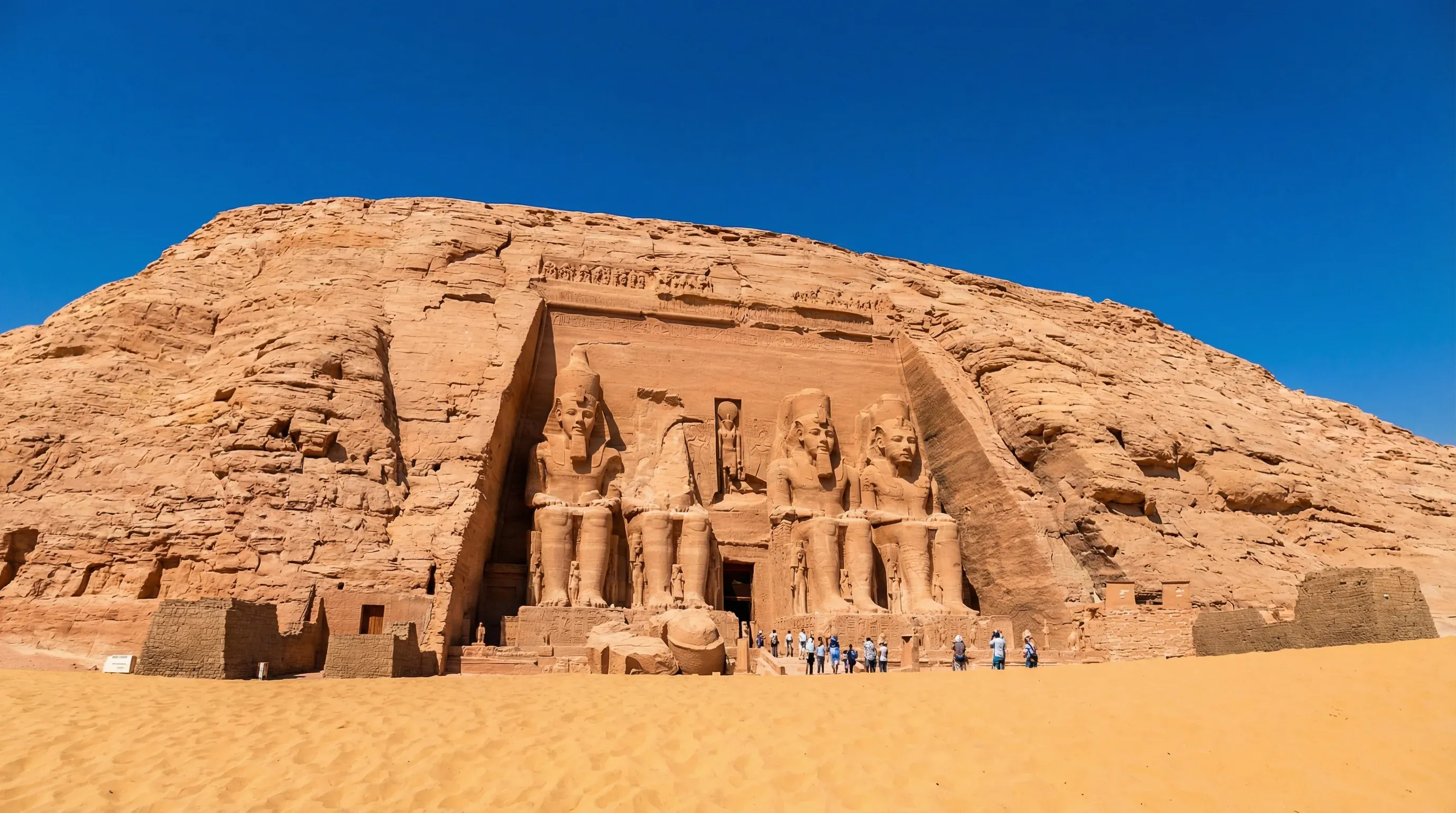
Beyond the relaxation, Aswan offers profound history. It is the gateway to Abu Simbel Temples, Ramses II's masterpiece cut into the rock face. The engineering marvel of the Aswan High Dam teaches kids about modern history and the taming of the Nile, while the boat ride to the island temples provides a sense of adventure that keeps younger travelers engaged.
Key Attractions
The crown jewel is Abu Simbel Temples. Though it requires an early start, the sight of the four massive statues is unforgettable for children. Back in Aswan, take a motorboat to Elephantine Island to explore the ruins and walk through traditional Nubian villages. The Nubian Museum is exceptionally well-curated and easier for kids to digest than the massive museums in Cairo, explaining the history of the people displaced by the dam. For a peaceful afternoon, the Aswan Botanical Garden on Kitchener's Island is a car-free haven where kids can run safely among exotic plants.
Practical Advice
The heat here is intense. Visit in winter (December–February). If visiting Abu Simbel, book the flight rather than the bus if traveling with young children to save 6 hours of desert driving.
Food & Drink
Typical meal times: Lunch 1:00 pm to 3:00 pm; Dinner 7:00 pm to 10:00 pm.
Typical meal costs: A traditional Nubian dinner for a family of four costs EGP 800–1,500 (approx. $17–31 USD / €15–29 EUR).
Dietary requirements: Nubian cuisine relies heavily on vegetables, lentils, and breads, making it very vegetarian-friendly. Peanuts are common in sauces.
Signature dishes:
- Tagine – Slow-cooked clay pot stews, often with okra (bamya) or potatoes and meat.
- Shamsi Bread – A dense, delicious sourdough bread baked in the sun, unique to Upper Egypt.
- Karkade – Hibiscus tea, served hot or ice-cold; sweet, vitamin-rich, and loved by kids.
Why this score?
The region offers moderate adventure through traditional felucca sailing and the vast desert landscapes of Lake Nasser and the road to Abu Simbel. While the activities are generally well-managed for tourists, the heat and the proximity to the deep desert provide a more rugged atmosphere than the more northern Nile regions. Families can enjoy birdwatching and cultural immersion in Nubian villages.
Why this score?
Aswan has limited medical infrastructure compared to Egypt's northern hubs, with facilities primarily catering to basic healthcare needs. While there are private clinics used by tourists, specialized care for complex emergencies is sparse. Patients with serious conditions often require stabilization followed by an emergency flight to Cairo for comprehensive treatment.
Why this score?
Aswan is a well-known destination that serves as the gateway to the stunning Abu Simbel temples and the southern end of most Nile cruises. It maintains a strong international flow, though slightly less than Luxor due to its more remote southern location near the Sudanese border. Its unique Nubian culture and scenic river vistas make it a staple of the classic Egyptian tourist circuit.

Prices are generally lower than Cairo. A family room in a Nubian guesthouse can be a bargain at EGP 1,500–2,500 (approx. $31–52 USD / €29–48 EUR). High-end historic hotels are significantly more expensive. Transport costs (boats) depend on your bargaining skills.
Family Travel Notice
Check entry tax requirements at specific border crossings, as infants may be exempt. Ensure all family members are up to date on routine vaccinations, including measles, before travel.

Getting Here & Around
Getting Here
- Airports – Aswan International Airport (ASW) has daily flights from Cairo (1.5 hours) and is the easiest entry point.
- Train – The sleeper train from Cairo is a classic experience, though facilities are aging. The journey takes 12-14 hours.
- Cruise – Many families arrive via a Nile Cruise from Luxor, which typically takes 3-4 nights.
Getting Around
- Felucca & Motorboat – The primary way to cross the Nile to attractions like Elephantine Island. Negotiate prices beforehand.
- Taxi – Essential for visiting the Aswan High Dam or the Unfinished Obelisk.
- Walking – The Corniche is walkable, but the heat makes walking long distances difficult during midday.
Nearby Airports (2 airports)
Abu Simbel
ABSAbu Simbel
Aswan International
ASWAswan
View full flight map for Egypt →

Packing List
Streets in Nubian villages and Elephantine Island are often poorly lit at night.
The dry heat dehydrates children faster than they realize; essential for temple days.
Being right on the river means mosquitoes are aggressive at sunset.
Public restrooms and even some museums often lack toilet paper; carrying your own supply is essential.
The interiors of pyramids and tombs in the Valley of the Kings can be stiflingly hot with zero air circulation.
You must remove shoes to enter mosques; thick socks protect feet from dust, heat, or cold marble floors.
Dehydration and stomach upsets are common; these help recovery quickly if the local food disagrees with you.
Essential for women and girls to cover heads when entering mosques, and useful for sun/dust protection.
Lighting inside ancient tombs and pyramids can be dim; a small light helps kids spot hieroglyphic details.

Activities & Best Times

Urban tourism, museums, historical sites, architecture
Features world-class UNESCO sites like Abu Simbel and Philae Temple, offering unparalleled historical depth for sophisticated travelers. Peak visitation aligns with the mild winter season, while the extreme Saharan summer heat makes extensive temple exploration punishing.

Hiking, wildlife, outdoor exploration, ecotourism
Provides unique desert and river immersion, from sailing the Nile's first cataracts to exploring authentic Nubian villages on Elephantine Island. Best experienced during cooler months to safely enjoy desert trails and island hopping, as summer temperatures are dangerously high.

Sport tourism, fitness activities, active recreation
Offers distinctive Nile-based activities like kayaking around granite islands and hiking historical desert routes like the West Bank trail. Optimal conditions occur during the temperate winter, while intense solar radiation and heat severely limit physical activity from May to September.

Learning experiences, scientific sites, historical education
Home to significant facilities like the Nile Museum and Animalia, providing expert insights into Nubian culture and the river's hydrology. While these are primarily indoor, visitation follows general tourism patterns when overall regional conditions are most comfortable for families.

Scenic drives, countryside tours, route-based travel
The desert highway to Abu Simbel is an iconic, starkly beautiful transit through the Sahara often celebrated as a premier scenic drive in Egypt. The journey is most pleasant in winter, avoiding the intense heat haze and extreme cabin-soaking temperatures of the mid-summer desert sun.




Public Holidays & Calendar Next 12 months
Public holidays, festivals, cultural celebrations, and seasonal natural phenomena coming up in Aswan and Abu Simbel over the next 12 months.
Loading holidays and events...

Travel Advisory
Standard safety precautions are insufficient. Multiple international agencies recommend exercising increased vigilance due to the threat of terrorism and regional political instability.
Safety Topics
Traveller Advice (4 groups)
Media professionals must obtain official accreditation from the national press center before arrival. Operating without proper credentials can lead to severe legal penalties and detention.

Local laws and social perspectives on sexual orientation and gender identity differ significantly from Western norms. Public displays of affection or sharing information online could lead to legal complications or discrimination.

Ensure you have comprehensive travel insurance that covers medical evacuation. Register your travel plans with your national embassy and stay informed of local safety updates through official channels.

Check entry tax requirements at specific border crossings, as infants may be exempt. Ensure all family members are up to date on routine vaccinations, including measles, before travel.
Agency Summaries
The overall security situation remains stable for the majority of travelers in tourist hubs, but specific advisories are in place for border zones and the Sinai Peninsula. Ongoing regional tensions may affect travel arrangements.
Travelers should maintain a high level of vigilance due to an unstable security environment and the persistent threat of terrorist activity throughout the country. Regional conflicts have made certain border areas particularly dangerous.
Safety concerns are more significant than those found in standard travel destinations. Particular attention should be paid to the risk of civil unrest and the presence of landmines in specific remote areas.
Irish citizens are encouraged to be highly vigilant and monitor local media. Regional escalation poses a risk of sudden travel disruptions and changes to the security profile of the country.
Terrorism is an ongoing risk that could impact any location at any time. Recent military developments in the broader region have increased the potential for travel disruptions and localized instability.
Visitors are urged to stay alert for potential terrorist threats. While major tourist sites are generally more secure, remote regions and certain northern areas carry severe safety risks that discourage non-essential movement.
Information is provided for general guidance only and does not constitute travel, safety, medical, or legal advice. Conditions may change. Users are responsible for independently verifying information before travel.