
Luxor & Upper Egypt
Walk in the footsteps of Pharaohs in the world's greatest open-air museum 🏛️👑
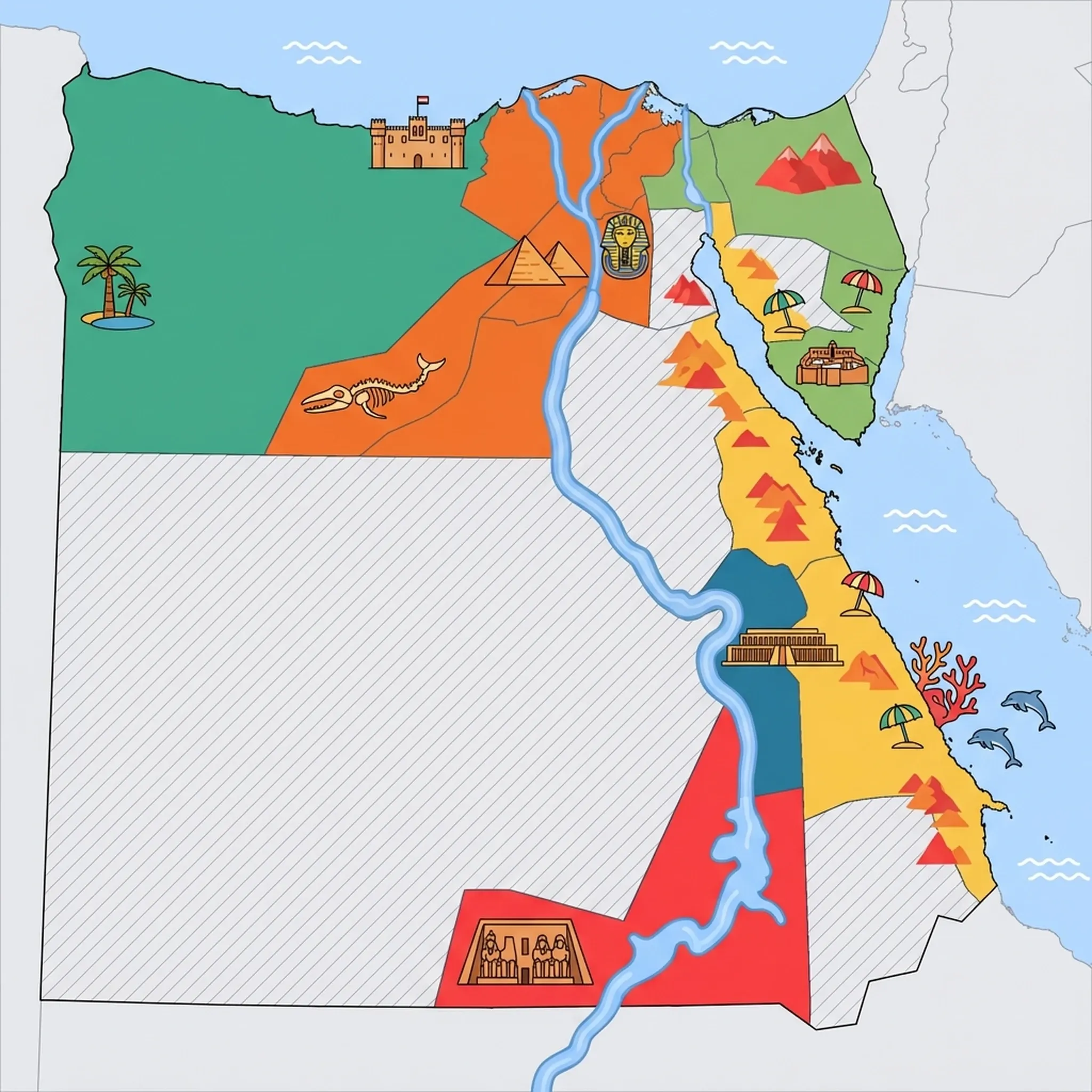
Click a region to explore
Overview
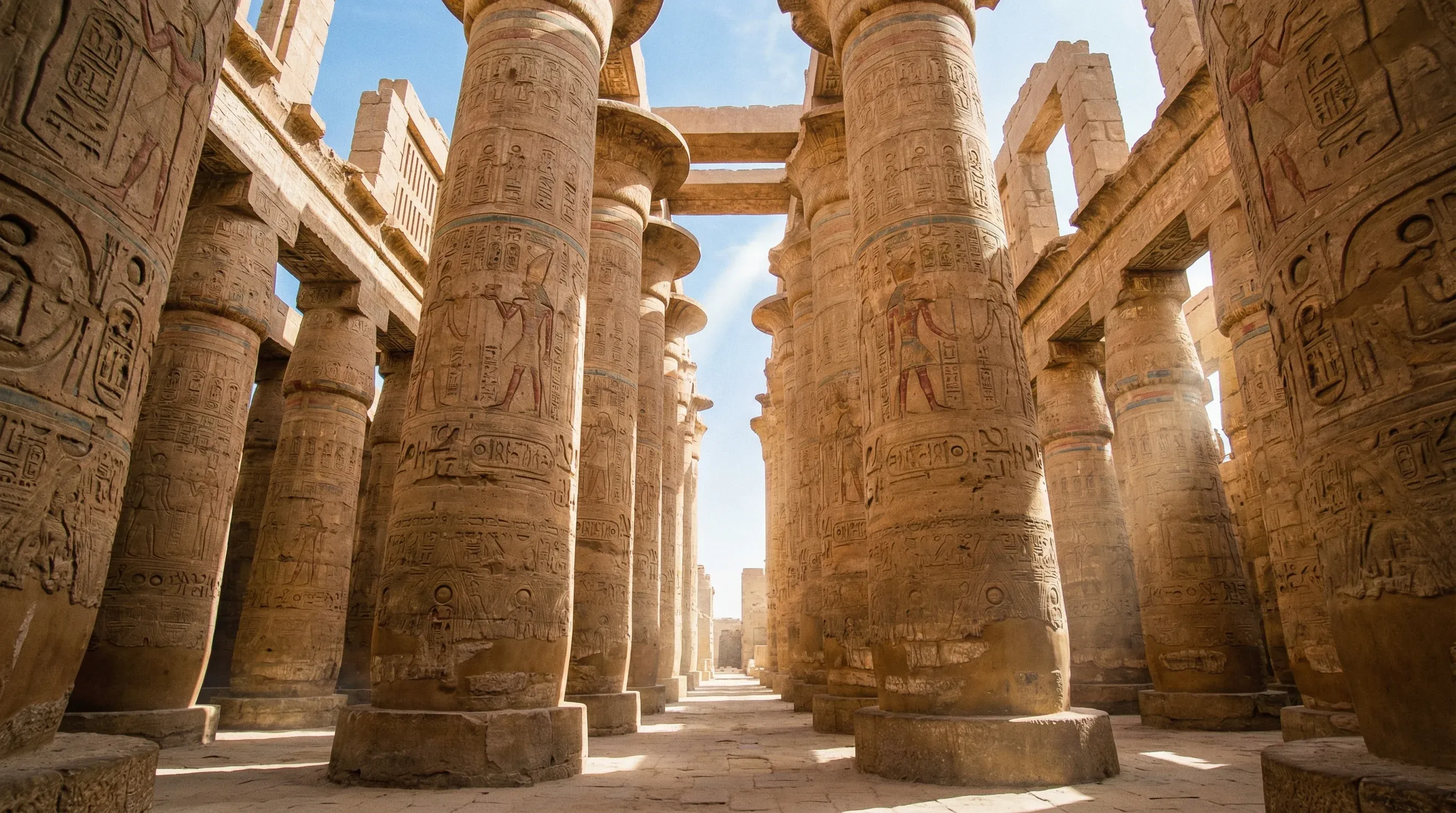
Luxor is the historical heavyweight of Egypt. Split by the Nile, the East Bank is a living city dominated by massive temples, while the West Bank is the silent city of the dead, housing the incredible royal tombs. For families, the sheer scale of the monuments here is mind-blowing. Unlike the sterile environment of a museum, kids can touch hieroglyphics (where permitted), run between massive columns, and imagine life as an ancient Egyptian royal.
The pace is slower than Cairo but more intense than Aswan due to the sheer volume of tourists and touts. However, the experiences—like taking a sunrise hot air balloon ride over the Nile (suitable for older kids) or crossing the river on a local ferry—are magical. The visuals here, from the colossi guarding temples to the intricate paintings inside the tombs, create lasting memories for children.
Key Attractions
The Karnak Temple Complex is a maze of stone that children love exploring; the Hypostyle Hall with its 134 massive columns makes everyone feel tiny. On the West Bank, the Valley of the Kings is the main draw; try to visit the tomb of Tutankhamun (extra ticket) or the colorful tomb of Ramses IV. The Mortuary Temple of Hatshepsut is visually stunning and teaches kids about one of Egypt's few female pharaohs. In the evening, walking through Luxor Temple when it is illuminated is a spooky and atmospheric experience.
Practical Advice
Start your day at 6:00 am to beat the heat and crowds. By 11:00 am, even in winter, the West Bank can be baking hot. Always carry small change for bathrooms.
Food & Drink
Typical meal times: Lunch 12:30 pm to 3:00 pm; Dinner 7:00 pm to 10:00 pm.
Typical meal costs: Tourist restaurants are pricier here. A family meal averages EGP 1,000–1,800 (approx. $21–38 USD / €19–35 EUR).
Dietary requirements: Standard Egyptian fare. Vegetarian options like lentil soup and falafel are easy to find.
Signature dishes:
- Hamam Mahshi – Roasted pigeon stuffed with spiced rice or grits. A delicacy that adventurous kids might find fun to eat (it's tiny!).
- Molokhia – A green, garlicky soup made from jute mallow leaves, served with rice and chicken. Texturally slimy (like okra) but delicious.
Why this score?
Tourism in Luxor is highly structured, revolving around archaeological sites, museum tours, and river cruises. While exploring the vast temple complexes in the intense Egyptian heat requires physical stamina, the terrain is not rugged and the infrastructure is designed for mass accessibility. Adventure elements are limited to gentle activities like hot air ballooning or basic rural walks along the Nile.
Why this score?
Luxor has several private clinics and a few hospitals that cater to the needs of the large tourist population, offering decent care for routine illnesses and minor injuries. However, for major surgical procedures or specialized emergency care, the facilities are significantly less advanced than those in Cairo. International travelers often rely on medical evacuation for serious health issues.
Why this score?
Often described as the world's largest open-air museum, Luxor is a major international draw for its unparalleled concentration of pharaonic monuments. The Valley of the Kings and Karnak Temple attract a high volume of global tourists who arrive via Nile cruises or direct international flights. It is arguably the most essential stop in Egypt for cultural and historical tourism after the Giza Pyramids.

Accommodation ranges from budget West Bank apartments for EGP 1,200 ($25) to luxury palaces on the East Bank for EGP 15,000+ ($300+). Attraction tickets add up quickly; the Luxor Pass can save money if you plan to visit many tombs, including Nefertari's.
Family Travel Notice
Check entry tax requirements at specific border crossings, as infants may be exempt. Ensure all family members are up to date on routine vaccinations, including measles, before travel.

Getting Here & Around
Getting Here
- Airports – Luxor International Airport (LXR) receives direct flights from Cairo and some European cities.
- Train – The station is central, connecting to Cairo (10 hours) and Aswan (3 hours).
- Bus – Go Bus offers connections to Hurghada (approx. 4-5 hours), linking history with the beach.
Getting Around
- Caleche (Horse Carriage) – A popular way to move between East Bank hotels and Karnak Temple Complex. Agree on the price firmly before getting in.
- National Ferry – The local ferry crosses the Nile for pennies and is a fun experience for kids, mixing with locals. Private motorboats are faster but cost more.
- Taxi – Necessary for the West Bank sites like Valley of the Kings as they are spread out.
Nearby Airports (1 airport)
Luxor International
LXRLuxor
View full flight map for Egypt →
Official Links

Packing List
The Valley of the Kings is a heat trap with no shade; water alone often isn't enough.
Versatile for sun protection, dust storms, and modesty when visiting mosques.
Some tombs are dimly lit, and kids enjoy spotting details in the corners.
A lifesaver for cooling down kids' faces during the hot midday walks.
Public restrooms and even some museums often lack toilet paper; carrying your own supply is essential.
The interiors of pyramids and tombs in the Valley of the Kings can be stiflingly hot with zero air circulation.
You must remove shoes to enter mosques; thick socks protect feet from dust, heat, or cold marble floors.
Dehydration and stomach upsets are common; these help recovery quickly if the local food disagrees with you.
Essential for women and girls to cover heads when entering mosques, and useful for sun/dust protection.
Lighting inside ancient tombs and pyramids can be dim; a small light helps kids spot hieroglyphic details.

Activities & Best Times

Urban tourism, museums, historical sites, architecture
Luxor is a globally peerless open-air museum featuring major UNESCO sites like Karnak and the Valley of the Kings. Peak season aligns with the cooler winter months, as the extreme desert heat from May to September makes outdoor exploration of these vast stone complexes physically grueling for families.

Hiking, wildlife, outdoor exploration, ecotourism
Offers unique immersion in Nile ecosystems and desert landscapes, including bird watching at Saluga and Ghazal Islands and hiking Al-Qurn. These natural experiences are most accessible during the mild winter, while summer temperatures frequently exceeding 40°C create a significant barrier to outdoor nature activities.

Sport tourism, fitness activities, active recreation
Limited to niche activities like kayaking on the Nile, which provides a unique perspective of the river for active families. Conditions are only favorable in the cooler months; the intense solar radiation and heat during the long summer make vigorous physical activity on the water unsuitable for international travelers.

Attractions (10 total)



Public Holidays & Calendar Next 12 months
Public holidays, festivals, cultural celebrations, and seasonal natural phenomena coming up in Luxor & Upper Egypt over the next 12 months.
Loading holidays and events...

Travel Advisory
Standard safety precautions are insufficient. Multiple international agencies recommend exercising increased vigilance due to the threat of terrorism and regional political instability.
Safety Topics
Traveller Advice (4 groups)

Media professionals must obtain official accreditation from the national press center before arrival. Operating without proper credentials can lead to severe legal penalties and detention.

Local laws and social perspectives on sexual orientation and gender identity differ significantly from Western norms. Public displays of affection or sharing information online could lead to legal complications or discrimination.

Ensure you have comprehensive travel insurance that covers medical evacuation. Register your travel plans with your national embassy and stay informed of local safety updates through official channels.
Check entry tax requirements at specific border crossings, as infants may be exempt. Ensure all family members are up to date on routine vaccinations, including measles, before travel.
Agency Summaries
The overall security situation remains stable for the majority of travelers in tourist hubs, but specific advisories are in place for border zones and the Sinai Peninsula. Ongoing regional tensions may affect travel arrangements.
Travelers should maintain a high level of vigilance due to an unstable security environment and the persistent threat of terrorist activity throughout the country. Regional conflicts have made certain border areas particularly dangerous.
Safety concerns are more significant than those found in standard travel destinations. Particular attention should be paid to the risk of civil unrest and the presence of landmines in specific remote areas.
Irish citizens are encouraged to be highly vigilant and monitor local media. Regional escalation poses a risk of sudden travel disruptions and changes to the security profile of the country.
Terrorism is an ongoing risk that could impact any location at any time. Recent military developments in the broader region have increased the potential for travel disruptions and localized instability.
Visitors are urged to stay alert for potential terrorist threats. While major tourist sites are generally more secure, remote regions and certain northern areas carry severe safety risks that discourage non-essential movement.
Information is provided for general guidance only and does not constitute travel, safety, medical, or legal advice. Conditions may change. Users are responsible for independently verifying information before travel.