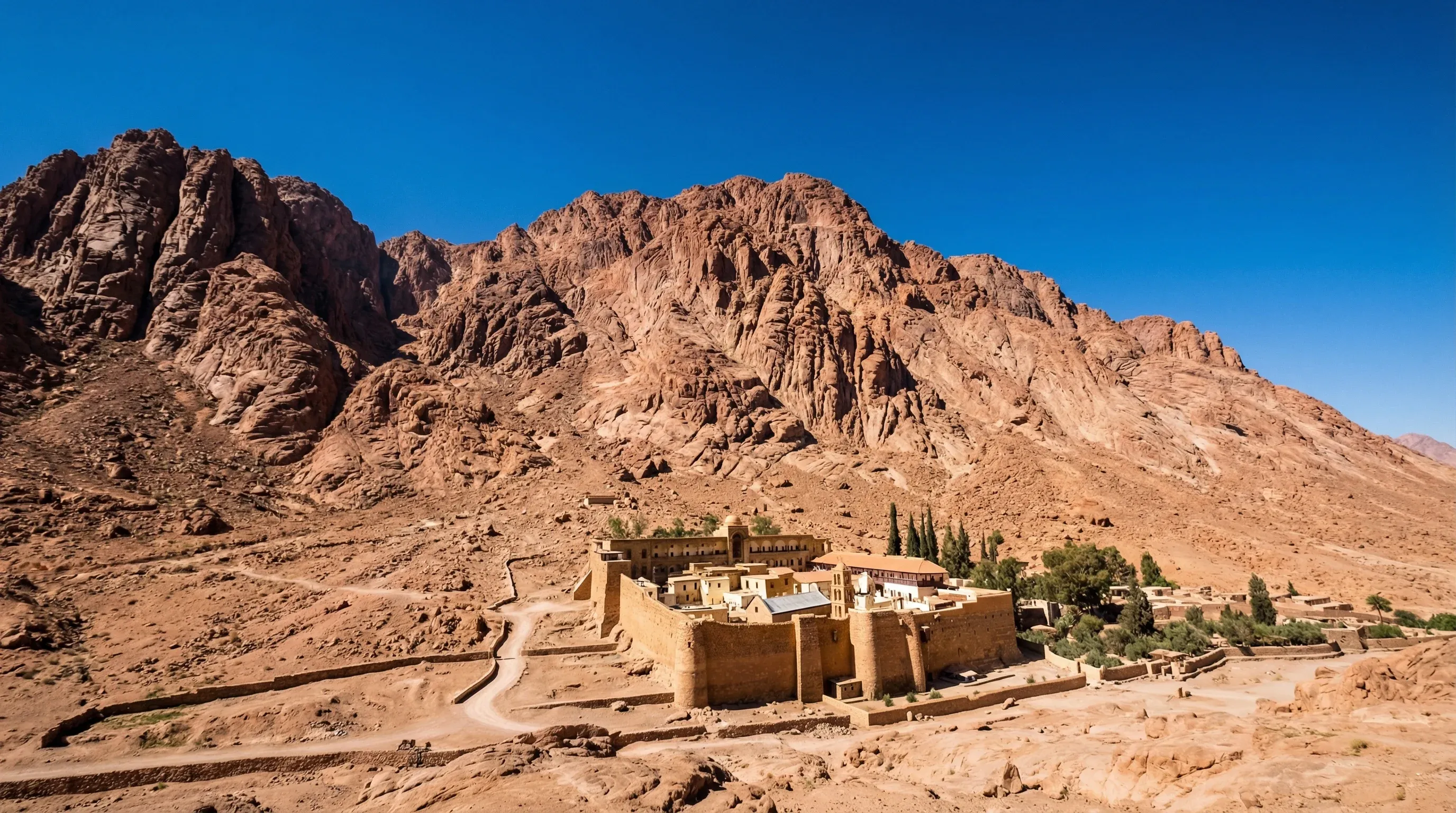

Sinai Beach Resorts
Desert mountains meet spectacular coral reefs 🏔️🤿
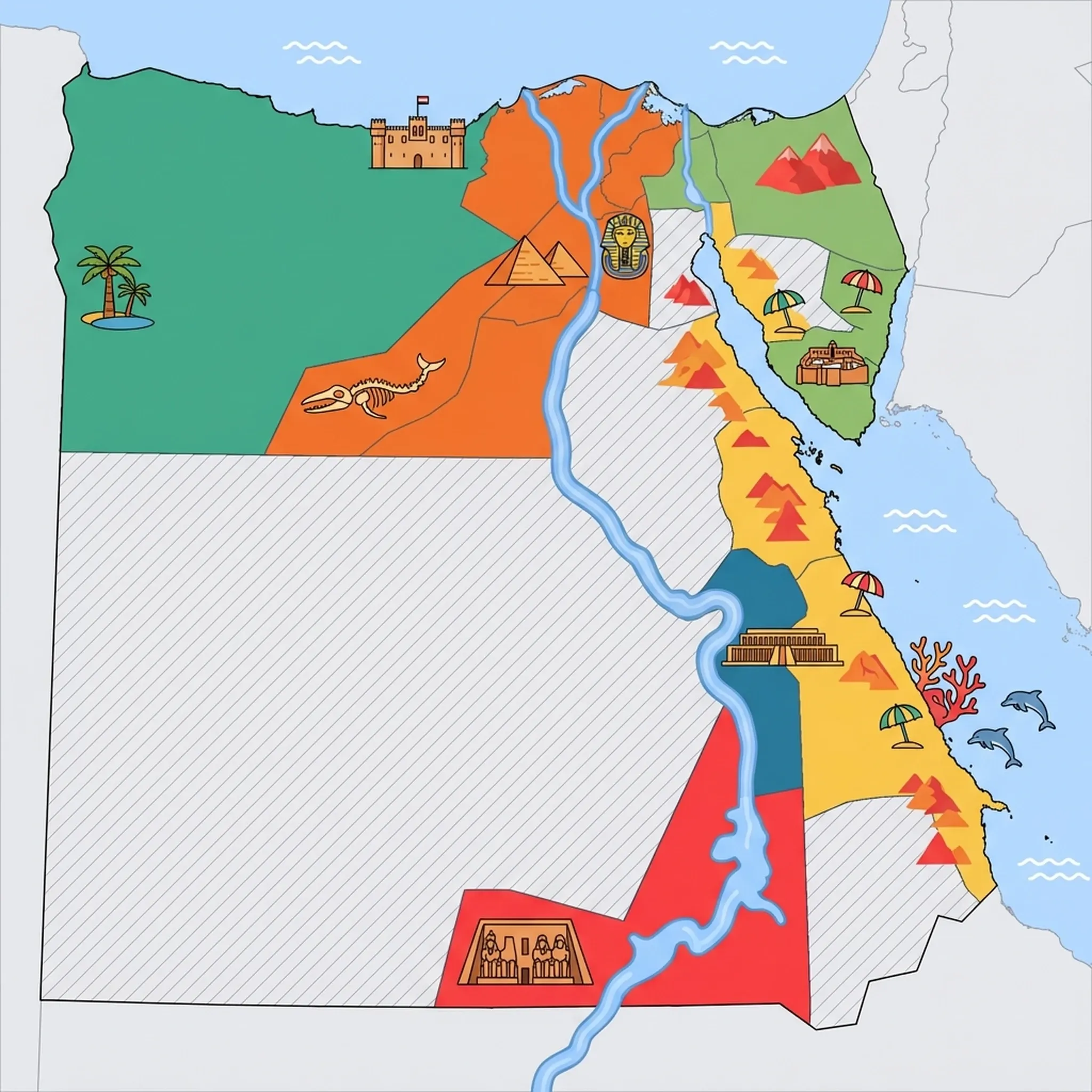
Click a region to explore
⚠️ SAFETY WARNING: Due to the risk of terrorism and military activity in North Sinai, government agencies (including CA, USA, UK, AU, and NZ) advise travelers to reconsider travel to the Sinai Peninsula generally, while often making exceptions for the Sharm el-Sheikh resort area if accessed by air. Overland travel outside the southern resorts is strongly discouraged or prohibited. Families are strongly urged to consult their own government's official travel advisory before considering a trip, as circumstances can change rapidly.
Overview
Despite the warnings for the northern peninsula, the southern tip of Sinai—specifically Sharm el-Sheikh and Dahab—remains a major tourist hub, protected by tight security rings. For families, this region offers arguably the best accessible snorkeling in the world. The stark contrast between the barren, copper-colored mountains and the vibrant underwater coral gardens is breathtaking. Sharm el-Sheikh is a polished resort city with manicured promenades, while Dahab (an hour north) retains a laid-back, bohemian hippie vibe that teenagers often love.
The geography here allows for unique "surf and turf" days: you can be snorkeling with clownfish in the morning and riding camels through desert canyons at sunset. The history is deep too—in the heart of the mountains lies Saint Catherine's Monastery, one of the oldest working monasteries in the world, sitting at the foot of Mount Sinai (Jabal Musa).
Key Attractions
Ras Mohammed National Park is the jewel of the Red Sea. A day trip here allows kids to see mangroves, earthquake cracks, and reefs that look like underwater cities. In Sharm, Naama Bay is the center of action with sandy beaches (rare in coral areas) and a buzzing pedestrian promenade full of cafes and shops. For a spiritual and physical challenge suitable for fit older children, climbing Mount Sinai (Jabal Musa) to watch the sunrise where Moses received the Ten Commandments is an unforgettable, albeit exhausting, pilgrimage.
Practical Advice
Stay within the secured resort zones. If visiting St. Catherine's, use an organized tour convoy. The water here is very deep very quickly (drop-offs)—keep a close eye on weak swimmers.
Food & Drink
Typical meal times: Late. Dinner service in towns often peaks at 9:00 pm or 10:00 pm.
Typical meal costs: Dahab is cheaper than Sharm. A seafood feast in Sharm costs EGP 1,500–2,500 (approx. $31–52 USD / €29–48 EUR) for a family.
Dietary requirements: Sharm is very international with Italian, Indian, and chain restaurants catering to all needs. Dahab has many vegan/vegetarian cafes.
Signature dishes:
- Bedouin Tea – Sweet tea flavored with wild desert sage (habak), usually served at campfire dinners.
- Mandi – A Bedouin dish of spiced meat and rice cooked underground in a pit oven; tender and smoky.
Why this score?
The Sinai Peninsula offers a more rugged and adventurous profile than the mainland resorts, with the jagged Sinai Mountains providing opportunities for trekking and visiting Saint Catherine's Monastery. Dahab caters to a more adventurous crowd with technical diving at the Blue Hole and desert camping. The combination of deep-sea exploration and desert hiking offers notable physical challenges for active families.
Why this score?
Sharm el-Sheikh is equipped with high-quality private hospitals that are specifically geared toward the international tourist market, including excellent diving-related medical support. These facilities are generally superior to those in the Nile Valley cities outside of Cairo and are well-versed in international insurance protocols. Emergency medical services are efficient within the main resort corridors.
Why this score?
Sharm el-Sheikh and Dahab are world-renowned beach and diving destinations that maintain a high volume of international tourism. The region is famous for Ras Mohammed National Park and its vibrant underwater biodiversity, making it a primary destination for aquatic enthusiasts. Despite occasional geopolitical sensitivities, the area remains a cornerstone of Egypt's international tourism industry.

Sharm el-Sheikh has luxury options (Four Seasons, Rixos) that are expensive, but plenty of mid-range all-inclusives exist for EGP 4,000–6,000 (approx. $85–125 USD / €75–115 EUR) per night. Dahab is significantly cheaper, with budget camps and hotels costing half that amount.
Family Travel Notice
Check entry tax requirements at specific border crossings, as infants may be exempt. Ensure all family members are up to date on routine vaccinations, including measles, before travel.

Getting Here & Around
Getting Here
- Airports – Sharm El Sheikh International Airport (SSH) is the safest and primary point of entry. Flights arrive daily from Cairo and Europe.
- Ferry – There is a ferry service to Hurghada (approx. 2.5 hours), but it can be choppy and schedules fluctuate.
- Driving – Avoid overland driving from Cairo to Sharm el-Sheikh through the tunnel; it is long, heavily checkpointed, and passes through zones often flagged by travel advisories. Fly instead.
Getting Around
- Blue Taxis – The standard transport in Sharm. Always negotiate the price before getting in or ask the hotel for a guideline rate.
- Service Taxis – In Dahab, pick-up trucks serve as taxis. They are cheap and part of the local experience.
- Walking – Naama Bay and Soho Square are pedestrian-friendly, but resorts are spread out, requiring vehicle transport between zones.
Nearby Airports (1 airport)
Sharm El Sheikh Airport
SSHSharm el Sheikh
View full flight map for Egypt →

Packing List
If hiking Mount Sinai at night, it is freezing cold at the summit, even in summer.
Strictly enforced in Ras Mohammed to protect the delicate coral reefs.
Security checkpoints are frequent; having quick access to ID for the whole family speeds things up.
Essential if planning the Mount Sinai hike; sneakers are slippery on the rocky path.
Public restrooms and even some museums often lack toilet paper; carrying your own supply is essential.
The interiors of pyramids and tombs in the Valley of the Kings can be stiflingly hot with zero air circulation.
You must remove shoes to enter mosques; thick socks protect feet from dust, heat, or cold marble floors.
Dehydration and stomach upsets are common; these help recovery quickly if the local food disagrees with you.
Essential for women and girls to cover heads when entering mosques, and useful for sun/dust protection.
Lighting inside ancient tombs and pyramids can be dim; a small light helps kids spot hieroglyphic details.

Activities & Best Times

Hiking, wildlife, outdoor exploration, ecotourism
With 14 supporting attractions including the Sinai Protectorate and dramatic desert canyons, this is a premier destination for wilderness immersion. Summer months are unsuitable due to extreme heat levels that make desert exploration dangerous for families with children.

Beach resorts, marine activities: diving, snorkelling, kite surfing, wind surfing, sailing
Home to the world-renowned Ras Mohammed National Park, the region offers exceptional marine biodiversity and reef access that appeals to sophisticated divers. Peak periods avoid the intense summer heat and the cooler winter sea temperatures which can be less ideal for family swimming.

Urban tourism, museums, historical sites, architecture
While Saint Catherine's Monastery is UNESCO-listed and significant, a single heritage site does not constitute 'very_good' cultural tourism when compared to regions with multiple UNESCO sites and cultural institutions. Downgrade to 'good' maintains international calibration.

Sport tourism, fitness activities, active recreation
Established infrastructure at SOHO Square and Ghibli Raceway supports active family pursuits and organized sports tourism. The spring and autumn windows offer the most comfortable climate for high-energy activities like karting and outdoor sports.

Amusement parks, family entertainment venues
Local water and theme parks like Cleo Park provide family entertainment but lack the scale and polish of global benchmarks like Disney or Europa-Park. These facilities are best enjoyed when air temperatures are warm but not at their summer extreme.




Public Holidays & Calendar Next 12 months
Public holidays, festivals, cultural celebrations, and seasonal natural phenomena coming up in Sinai Beach Resorts over the next 12 months.
Loading holidays and events...

Travel Advisory
Standard safety precautions are insufficient. Multiple international agencies recommend exercising increased vigilance due to the threat of terrorism and regional political instability.
Safety Topics
Traveller Advice (4 groups)

Media professionals must obtain official accreditation from the national press center before arrival. Operating without proper credentials can lead to severe legal penalties and detention.

Local laws and social perspectives on sexual orientation and gender identity differ significantly from Western norms. Public displays of affection or sharing information online could lead to legal complications or discrimination.

Ensure you have comprehensive travel insurance that covers medical evacuation. Register your travel plans with your national embassy and stay informed of local safety updates through official channels.

Check entry tax requirements at specific border crossings, as infants may be exempt. Ensure all family members are up to date on routine vaccinations, including measles, before travel.
Agency Summaries
The overall security situation remains stable for the majority of travelers in tourist hubs, but specific advisories are in place for border zones and the Sinai Peninsula. Ongoing regional tensions may affect travel arrangements.
Travelers should maintain a high level of vigilance due to an unstable security environment and the persistent threat of terrorist activity throughout the country. Regional conflicts have made certain border areas particularly dangerous.
Safety concerns are more significant than those found in standard travel destinations. Particular attention should be paid to the risk of civil unrest and the presence of landmines in specific remote areas.
Irish citizens are encouraged to be highly vigilant and monitor local media. Regional escalation poses a risk of sudden travel disruptions and changes to the security profile of the country.
Terrorism is an ongoing risk that could impact any location at any time. Recent military developments in the broader region have increased the potential for travel disruptions and localized instability.
Visitors are urged to stay alert for potential terrorist threats. While major tourist sites are generally more secure, remote regions and certain northern areas carry severe safety risks that discourage non-essential movement.
Information is provided for general guidance only and does not constitute travel, safety, medical, or legal advice. Conditions may change. Users are responsible for independently verifying information before travel.