
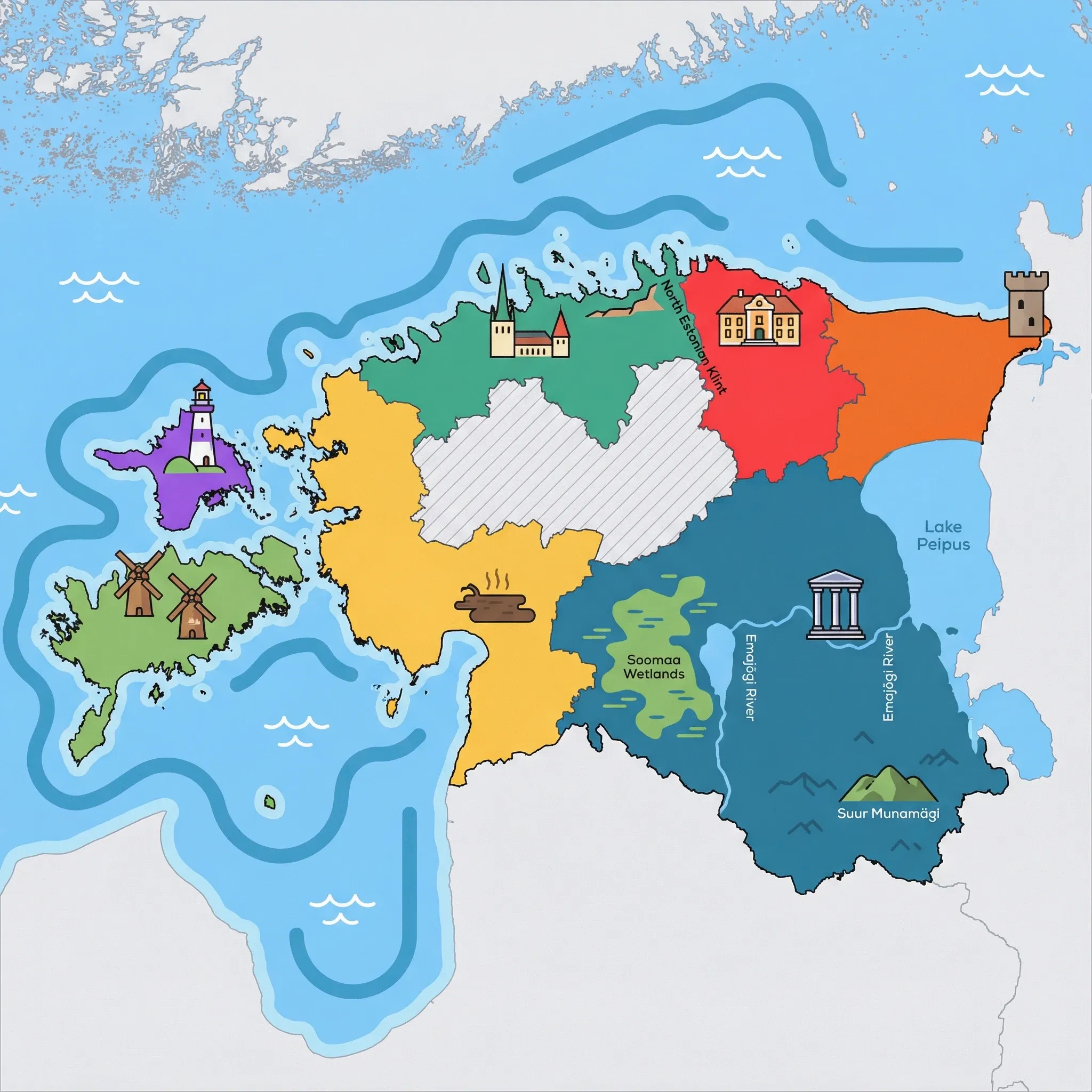
Click a region to explore
Hiiumaa is an island where time seems to move at a different pace, making it an idyllic destination for families seeking a break from the rush of modern life. As Estonia’s second-largest island, it is renowned for its lush forests, long sandy coastlines, and a distinct lack of crowds, even in the height of summer. The geography is flat and accessible, perfect for family cycling trips or easy hikes with toddlers. Culturally, the islanders (Hiidlased) are famous for their self-deprecating humor and relaxed attitude, creating a welcoming atmosphere where children are treated with kindness everywhere. The air is incredibly clean, and the silence of the forests is only broken by the sound of the Baltic waves.
For families, the island serves as a massive, safe playground. The shallow waters around Kassari and the northern beaches warm up quickly in July, making them excellent for young swimmers. Unlike the more tourist-heavy Saaremaa, Hiiumaa feels intimate and undiscovered. You can spend days exploring military history bunkers hidden in the woods, climbing historic beacons, or simply picnicking in meadows that turn purple with heather in late summer. It is a place to disconnect from screens and reconnect with nature.
Key Attractions
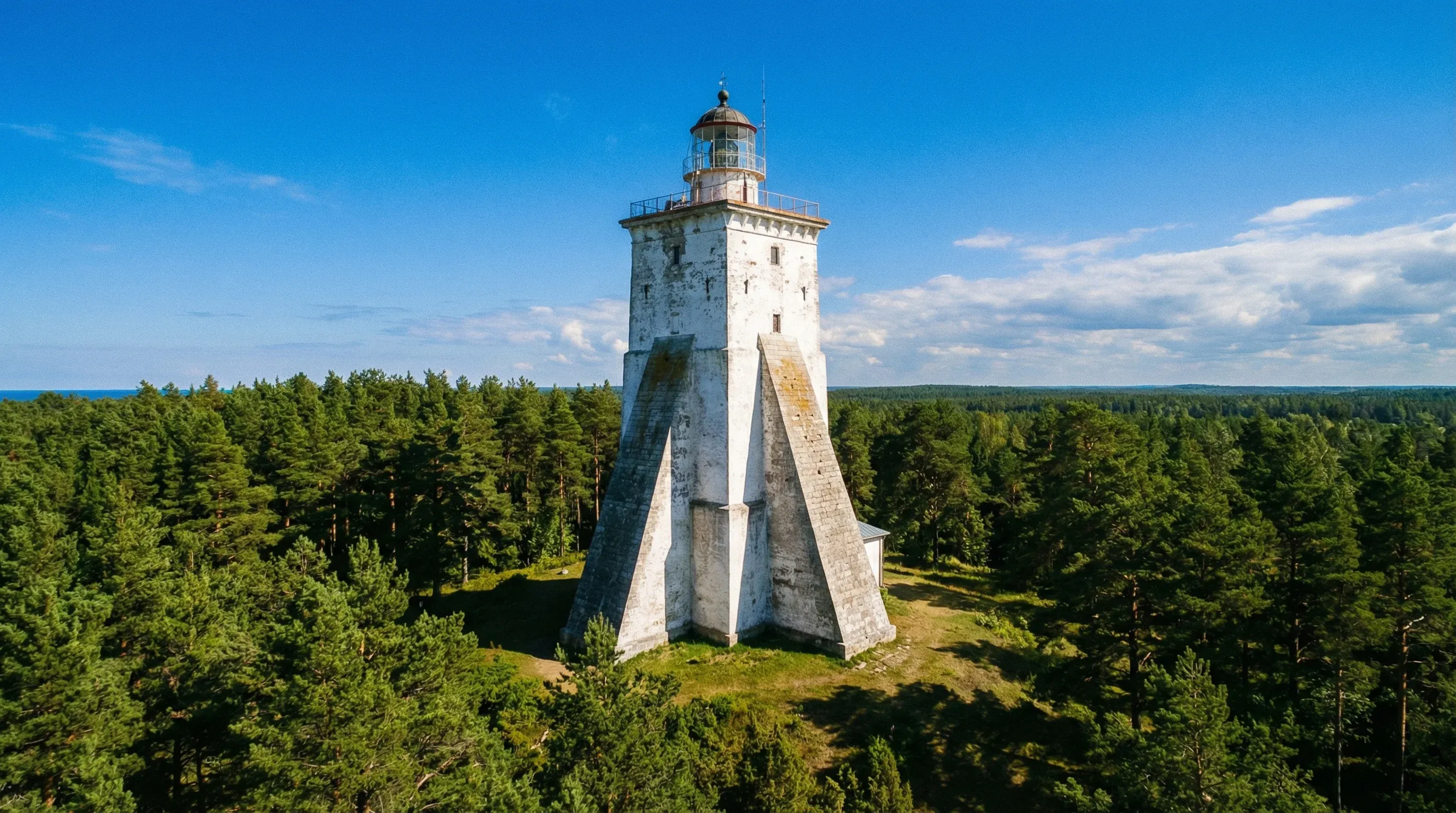
The crown jewel of the island is the Kõpu Lighthouse, one of the oldest continuously operating lighthouses in the world. Its massive buttresses look like something out of a medieval fortress, and climbing to the top offers a view that stretches across the entire island. For a modern contrast, families must visit Tuuletorn (The Windtower) in Käina. This experience center features the tallest indoor climbing wall in the Baltics and interactive exhibits about Hiiumaa’s underwater world that will captivate children of all ages.
Nature lovers should head to the Sääretirp Spit on Kassari, a gravel ridge that extends magically into the sea, allowing you to walk surrounded by water on both sides. It is a favorite spot for skipping stones and spotting seabirds. History comes alive at the Suuremõisa Manor, a grand baroque complex with a surrounding park that is perfect for a game of hide-and-seek. For those who want to see farm life, the Mihkli Farm Museum showcases traditional architecture and often hosts workshops where kids can learn old island crafts.
Practical Advice
The best time to visit is from June to August when the weather is warmest, though May and September offer beautiful light and fewer mosquitoes. Hiiumaa is very safe, but essential services (pharmacies, ATMs) are concentrated in Kärdla and Käina, so stock up before heading to remote corners.
Food & Drink
Typical meal times: Lunch is usually served from 12:00 pm to 3:00 pm. Dinner is earlier than in southern Europe, typically 6:00 pm to 9:00 pm, with many rural kitchens closing by 9:00 pm.
Typical meal costs: Main courses are reasonable, ranging from €10–18 (approx. $11–20 USD / £8.50–15 GBP). A full family meal will cost around €45–70 (approx. $49–76 USD / £38–60 GBP).
Dietary requirements: Vegetarian options are available in most cafes in Kärdla and Käina. Gluten-free bread is less common in small village taverns, so it is wise to bring your own if strictly required.
Signature dishes:
- Hiiu Iherus – Local smoked garfish or trout, often eaten warm, straight from the smokehouse.
- Kama dessert – A mix of roasted barley, rye, oat, and pea flour stirred into buttermilk or curd, often served with berries.
- Hiiu Leib – Dark, dense rye bread, traditionally fermented and slightly sweet, available at local bakeries.
Why this score?
The island offers a sense of isolation and ruggedness, with remote lighthouses and extensive coastal forests perfect for self-sufficient family cycling and exploring Soviet-era military ruins. The lack of major urban centers and the reliance on ferry schedules add a layer of mild logistical adventure to any visit.
Why this score?
While Kärdla has a local hospital capable of treating minor injuries and illnesses, the facility is basic compared to mainland standards. Critical emergencies or specialized pediatric care often require medical evacuation by sea or helicopter to Tallinn, which can be a concern for traveling families.
Why this score?
As Estonia's second-largest island, Hiiumaa remains a niche destination primarily visited by domestic travelers and a small number of dedicated Baltic sailors or nature enthusiasts. Its low density of hotel beds and ferry-dependent access keep international visitor numbers low compared to more accessible mainland hubs.

Hiiumaa is moderately priced. Accommodation is cheaper than in Tallinn or Pärnu, with family guesthouses costing €70–110 (approx. $76–120 USD / £60–95 GBP) per night. Dining is good value, though options are limited outside main towns. Ferry tickets are affordable but must be booked ahead. Museum tickets are generally €5–10 (approx. $5.50–11 USD / £4.25–8.50 GBP) per adult.
Family Travel Notice
Be familiar with international child custody regulations and the Hague Convention if travelling as a single parent or with non-biological children.

Getting Here & Around
Getting Here
- Ferry – The main route is the 75-minute ferry crossing from Rohuküla (mainland) to Heltermaa. Booking tickets online in advance is essential during summer weekends.
- Airports – Flights operate from Tallinn Airport (TLL) to Kärdla Airport (KDL) twice daily on weekdays; the flight takes just 30 minutes.
- Driving – Located about a 1.5-hour drive from Tallinn to the ferry port at Rohuküla. In very severe winters, an official ice road may open, allowing cars to drive across the frozen sea.
Getting Around
- Car – Highly recommended for families. Public transport exists but is infrequent for reaching remote sites like the Kõpu Lighthouse.
- Cycling – Hiiumaa is a paradise for cyclists with flat terrain and low traffic. The EuroVelo 10 - Baltic Sea Cycle Route (Hiiumaa Loop) circles the island.
- Bus – County lines connect Kärdla to main villages, but schedules are geared towards locals (school/work) rather than tourists.
Nearby Airports (1 airport)
Kardla
KDLKardla
View full flight map for Estonia →
Official Links

Packing List
Forests and tall grasses in Estonia have a high population of ticks; protection is essential.
By law, pedestrians must wear a reflector in poor visibility or dark conditions, even in towns.
Coastal winds on the Kõpu and Tahkuna peninsulas can be strong even on sunny days.
The pine forests (RMK sites) are perfect for setting up a hammock for a family rest stop.
Summer days have up to 19 hours of daylight; essential for getting children to sleep.
Ticks are common in forests and tall grass from spring to autumn; quick removal is key.
Many northern beaches are rocky or pebbly, making them uncomfortable for bare feet.

Activities & Best Times

Hiking, wildlife, outdoor exploration, ecotourism
The island features a diverse ecosystem of coastal spits, ancient forests, and unique geological formations like Sääretirp, ideal for families seeking authentic wilderness immersion. Summer provides the longest daylight hours for exploration, while shoulder months offer quieter, crisp conditions for bird watching and hiking.

Sport tourism, fitness activities, active recreation
With the highest indoor climbing wall in the Baltics and the EuroVelo 10 cycle route, Hiiumaa caters well to active families seeking unique infrastructure. Peak season aligns with the warmest weather for cycling and surfing at Ristna, while spring and autumn are better suited for focused athletic pursuits.

Urban tourism, museums, historical sites, architecture
A historic lighthouse and castle, while valuable, do not constitute 'very_good' cultural offerings by international standards. Downgrade to 'good' to maintain differentiation with Tallinn and Tartu.

Scenic drives, countryside tours, route-based travel
The island's lighthouse circuit and the Kassari coastal drive offer well-maintained, scenic routes with low traffic and authentic rural landscapes. Driving is most enjoyable during the peak summer months; winter conditions can make rural roads challenging and diminish the scenic vistas.
Beach resorts, marine activities: diving, snorkelling, kite surfing, wind surfing, sailing
Baltic Sea conditions (cold water 15-18°C, short season, limited infrastructure) do not meet international 'good' beach standards. 'Uncrowded and pristine' describes a niche appeal, not beach quality.

Learning experiences, scientific sites, historical education
Facilities like the Tuuletorn Experience Centre and Ristna Nature Centre offer modern, science-based insights into Baltic ecology for families. These centers are best visited in summer when paired with outdoor field exploration, as many guided programs are seasonal.
Amusement parks, family entertainment venues
The Windtower and quirky sites like the Hiiumaa Eiffel Tower provide unique family entertainment but are small-scale local attractions. These facilities primarily operate during the summer school holiday window and have limited availability during the cold season.

Attractions (10 total)



Public Holidays & Calendar Next 12 months
Public holidays, festivals, cultural celebrations, and seasonal natural phenomena coming up in Hiiumaa Island over the next 12 months.
Loading holidays and events...

Travel Advisory
Consensus across all international agencies indicates that Estonia is a safe destination with no significant security threats. Travellers should use common sense and standard safety practices.
Safety Topics
Traveller Advice (6 groups)

Maintain standard situational awareness, keep valuables secure in high-traffic areas, and verify current border conditions if planning to transit near the Russian frontier.
Be familiar with international child custody regulations and the Hague Convention if travelling as a single parent or with non-biological children.

Female visitors are generally safe but should be cautious when walking alone late at night due to occasional reports of harassment.

While legal protections exist, social attitudes can be conservative in certain areas. Public displays of affection may occasionally attract negative attention or verbal abuse.

A working holiday program is available for young citizens of specific countries, allowing for longer-term stays and employment.
Verify the legality of all prescription medications with Estonian health authorities and ensure they are carried in clearly labeled original packaging.
Agency Summaries
Travellers are encouraged to follow standard safety routines. There are no major security concerns, although some incidents of verbal harassment toward minority groups have been noted.
Standard safety measures are sufficient. Be aware that land border crossings with Russia may experience sudden closures or delays.
The country is considered safe and modern. Visitors should stay alert for petty crime such as pickpocketing in crowded tourist zones and at night.
No significant travel risks identified. Long-term visitors staying over 90 days must register their place of residence locally.
No high-level warnings are in place. Travellers should maintain standard personal security and ensure they have appropriate health coverage for their stay.
There is no specific travel advisory for this destination. New Zealanders are advised to follow the same safety protocols they would at home.
Information is provided for general guidance only and does not constitute travel, safety, medical, or legal advice. Conditions may change. Users are responsible for independently verifying information before travel.