
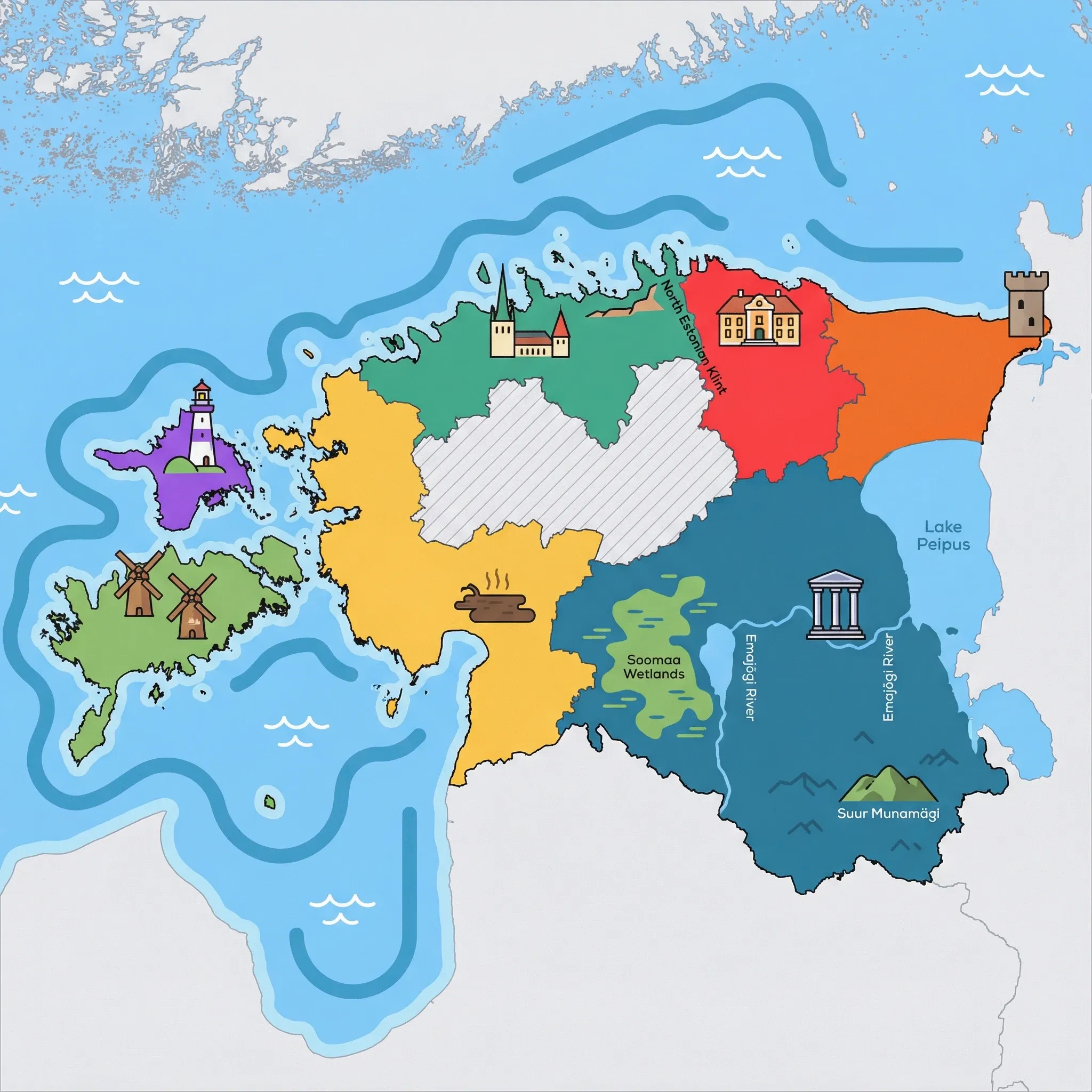
Click a region to explore
Saaremaa holds a special place in the hearts of Estonians and visitors alike. It is an island of juniper fields, stone fences, and thatched-roof farmhouses that feels distinct from the mainland. For families, Saaremaa is arguably the best destination in the country because it offers a perfect balance: you have the deep nature of the Vilsandi National Park and the remote Sõrve Peninsula, combined with the high comfort of Kuressaare, a town with the highest density of spas in the world. The pace of life is relaxed, "island time" is real, and the traffic is light.
The journey itself is part of the adventure, involving a ferry ride across the Baltic Sea that connects the mainland to Muhu island (linked to Saaremaa by a causeway). Once there, the landscape is flat and safe, making it ideal for family road trips. You can stand on the edge of a meteorite crater one hour and be swimming in a warm hotel pool the next. The island is also steeped in Viking and medieval history, but presented in a way that captures children's imaginations rather than boring them with dates.
Key Attractions
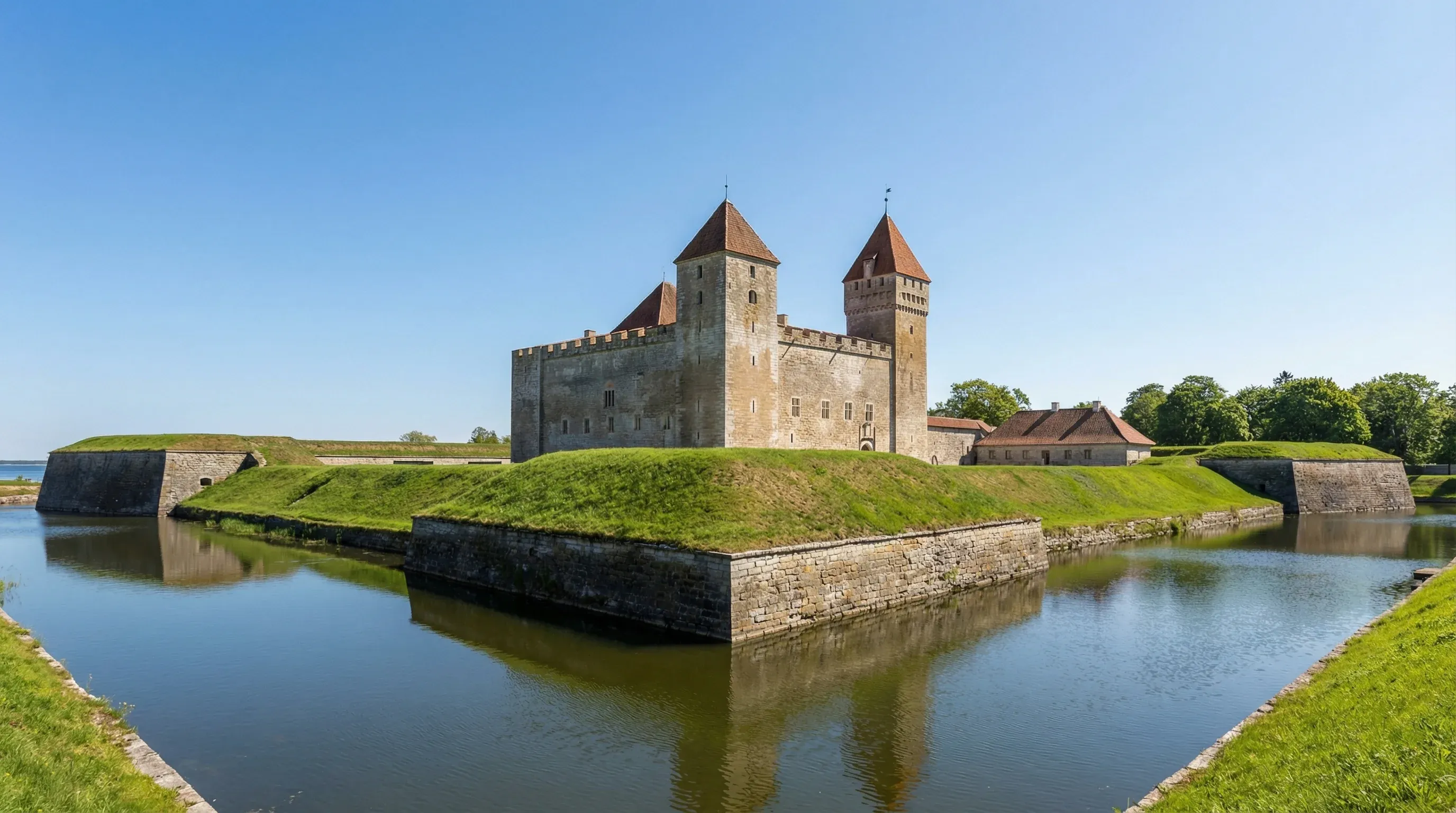
The skyline of the capital is dominated by Kuressaare Episcopal Castle (also known as the Saaremaa Museum). It is one of the best-preserved medieval fortifications in the Baltics. Its moat, heavy portcullises, and labyrinthine corridors are thrilling for kids to explore. Just outside of town, the Angla Windmill Park is a cultural heritage center where families can see iconic wooden windmills and participate in workshops crafting clay, wool, or bread. It’s hands-on and educational.
For a unique natural wonder, visit the Kaali Meteorite Crater (part of the island's geopark heritage). Seeing a perfectly round lake formed by a space rock is a great science lesson. Adventure-seeking families should drive to the tip of the Sõrve Peninsula to visit the Sõrve Lighthouse. The views from the top are incredible, and the surrounding pebble beaches are full of fossils. If you want true wilderness, a trip to Vilsandi National Park offers seal watching and pristine coastal nature.
Practical Advice
Summer (June-August) is peak season with festivals and warm weather. Book ferry tickets and accommodation well in advance. Winters are quiet and cozy, with many spas offering discounts, though some rural attractions may be closed.
Food & Drink
Typical meal times: Lunch 12:00 pm to 3:00 pm. Dinner 6:00 pm to 9:00 pm. In Kuressaare, restaurants stay open later in summer.
Typical meal costs: Comparable to Tallinn in summer, cheaper in winter. Main courses €12–22 (approx. $13–24 USD / £10–19 GBP). Pub meals €8–12 (approx. $8.50–13 USD / £7–10 GBP).
Dietary requirements: Kuressaare has excellent options for vegans and gluten-free diets due to its wellness/spa focus. Rural farms focus on meat and dairy.
Signature dishes:
- Saaremaa Leib (Black Bread) – The island is famous for its sweet, dark rye bread.
- Suitsulest (Smoked Flounder) – A flatfish smoked golden, best eaten with your hands.
- Koduõlu (Home beer) – A traditional farmhouse beer (for parents), thick and malty, often served in clay mugs.
Why this score?
The island provides a diverse range of outdoor activities, from exploring the Kaali meteorite craters to hiking the dramatic Panga cliffs. While the island is well-paved and family-friendly, the distinct island culture and expansive nature reserves offer a moderate sense of escape from mainland urban life.
Why this score?
Kuressaare Hospital provides good general care and is experienced in handling the influx of tourists during the summer season. However, as with all islands, there are limitations regarding highly specialized procedures or major trauma, which may require transfer to the mainland via a logistical bottleneck (ferry or air).
Why this score?
Saaremaa is the most iconic island destination in Estonia, drawing a significant mix of domestic vacationers and international tourists, particularly from Finland and Latvia. Its well-developed tourism infrastructure, including numerous spa hotels and the historic Kuressaare Castle, makes it a recognizable regional draw.

Saaremaa can be pricey in July but is affordable otherwise. A family room in a good spa hotel costs €120–200 (approx. $130–215 USD / £100–170 GBP) in high season. Farm stays are cheaper at €60–90 (approx. $65–100 USD / £50–75 GBP). Food prices in Kuressaare are "resort level," but rural taverns are cheap. Ferry for a car and family is approx €20 (approx. $22 USD / £17 GBP) one way.
Family Travel Notice
Be familiar with international child custody regulations and the Hague Convention if travelling as a single parent or with non-biological children.

Getting Here & Around
Getting Here
- Ferry – The main access is via Virtsu harbor on the mainland to Kuivastu (Muhu island). The ferry takes 25 minutes. Essential to book e-tickets in advance on summer weekends.
- Bus – Direct Lux Express buses run from Tallinn to Kuressaare (approx. 4 hours), including the ferry crossing.
- Airports – A quick 40-minute flight connects Tallinn (TLL) to Kuressaare (URE). This is the fastest option.
Getting Around
- Car – The best way to see the scattered attractions like Angla Windmill Park and Sõrve. Roads are good and traffic is light.
- Bicycle – Kuressaare has excellent cycle paths. The Baltic Coastal Hiking Route (E9) also crosses the islands for active families.
- Bus – County buses exist but frequencies are low for tourists trying to fit in multiple sights.
Nearby Airports (1 airport)
Kuressaare Airport
UREKuressaare
View full flight map for Estonia →
Official Links

Packing List
With so many spa hotels and beaches, one suit might not dry in time for the next swim.
Saaremaa's juniper fields and forests are prime tick habitats; daily checks are necessary.
Attractions like Sõrve Peninsula and Panga Cliff are exposed to strong sea winds.
Legally mandatory for pedestrians at night or dusk. Locals wear them on coats to avoid fines.
Summer days have up to 19 hours of daylight; essential for getting children to sleep.
Ticks are common in forests and tall grass from spring to autumn; quick removal is key.
Many northern beaches are rocky or pebbly, making them uncomfortable for bare feet.

Activities & Best Times

Hiking, wildlife, outdoor exploration, ecotourism
The islands offer a unique Baltic ecosystem featuring the Kaali meteorite craters and distinctive coastal cliffs like Panga. Peak summer provides 'white nights' and full access to rural farms and windmill parks, while spring and autumn are excellent for migratory bird watching.

Urban tourism, museums, historical sites, architecture
Kuressaare is home to one of the best-preserved medieval Episcopal castles in the Baltics, serving as a high-quality cultural anchor. The summer months host various heritage festivals, while December offers an authentic, quiet Nordic festive atmosphere.

Learning experiences, scientific sites, historical education
The Kaali Museum of Meteoritics is a site of global scientific significance, complemented by modern interactive centers like WOW and Thule Koda. These facilities provide high-standard engagement for families, particularly when outdoor sites are accessible during the warmer half of the year.

Scenic drives, countryside tours, route-based travel
Scenic drives across the Muhu causeway and down the Sõrve Peninsula offer authentic rural landscapes and coastal vistas. Conditions are best when daylight is long and roads are clear of ice, with autumn offering beautiful foliage along the coastal trails.

Sport tourism, fitness activities, active recreation
Excellent infrastructure for cycling via the EuroVelo 10 and well-marked coastal hiking trails. The flat terrain and coastal breezes are ideal in summer, though harsh Baltic winds and ice make these routes unsuitable for international standards during the colder months.

Beach resorts, marine activities: diving, snorkelling, kite surfing, wind surfing, sailing
While Mändjala Beach offers beautiful sands, the Baltic Sea remains relatively cool even in peak summer. This is a secondary activity for international travelers compared to warmer maritime destinations, with a very narrow window for comfortable swimming.

Attractions (14 total)



Public Holidays & Calendar Next 12 months
Public holidays, festivals, cultural celebrations, and seasonal natural phenomena coming up in Saaremaa & Muhu Islands over the next 12 months.
Loading holidays and events...

Travel Advisory
Consensus across all international agencies indicates that Estonia is a safe destination with no significant security threats. Travellers should use common sense and standard safety practices.
Safety Topics
Traveller Advice (6 groups)

Maintain standard situational awareness, keep valuables secure in high-traffic areas, and verify current border conditions if planning to transit near the Russian frontier.

Be familiar with international child custody regulations and the Hague Convention if travelling as a single parent or with non-biological children.

Female visitors are generally safe but should be cautious when walking alone late at night due to occasional reports of harassment.

While legal protections exist, social attitudes can be conservative in certain areas. Public displays of affection may occasionally attract negative attention or verbal abuse.

A working holiday program is available for young citizens of specific countries, allowing for longer-term stays and employment.

Verify the legality of all prescription medications with Estonian health authorities and ensure they are carried in clearly labeled original packaging.
Agency Summaries
Travellers are encouraged to follow standard safety routines. There are no major security concerns, although some incidents of verbal harassment toward minority groups have been noted.
Standard safety measures are sufficient. Be aware that land border crossings with Russia may experience sudden closures or delays.
The country is considered safe and modern. Visitors should stay alert for petty crime such as pickpocketing in crowded tourist zones and at night.
No significant travel risks identified. Long-term visitors staying over 90 days must register their place of residence locally.
No high-level warnings are in place. Travellers should maintain standard personal security and ensure they have appropriate health coverage for their stay.
There is no specific travel advisory for this destination. New Zealanders are advised to follow the same safety protocols they would at home.
Information is provided for general guidance only and does not constitute travel, safety, medical, or legal advice. Conditions may change. Users are responsible for independently verifying information before travel.