
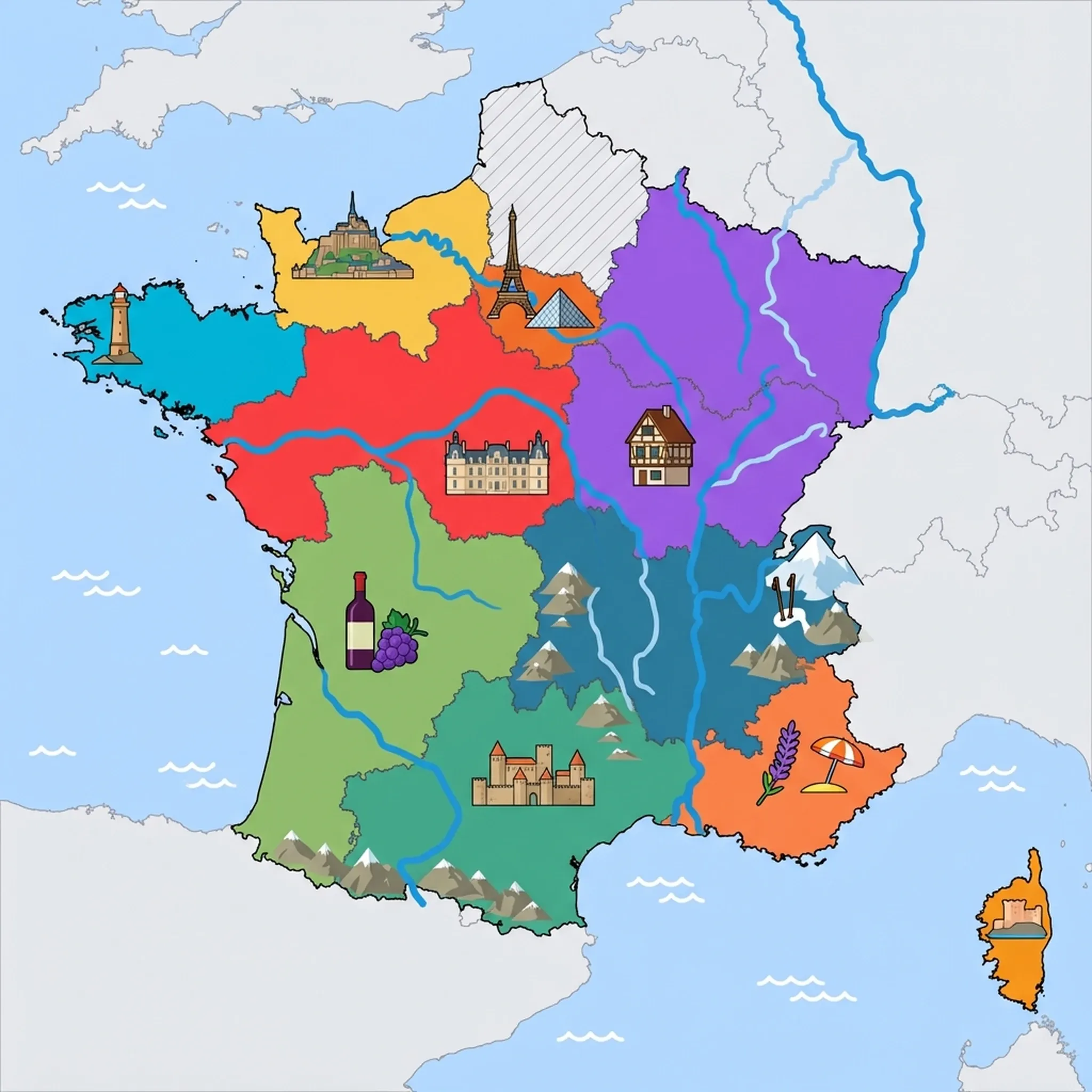
Click a region to explore
Corsica (Corse) is unlike anywhere else in France. It is a mountain in the sea, a wild and rugged island where the peaks often stay snow-capped until early summer while the coast boasts turquoise waters reminiscent of the Caribbean. For adventurous families, it is paradise. The island is less developed than the mainland Riviera; there are no high-rise concrete resorts, just scrubland (maquis), granite cliffs, and hidden coves. The culture is fiercely independent, with a distinct language, polyphonic music, and cuisine that blends French finesse with Italian hardiness.
The geography dictates the holiday style here. The roads are narrow and winding, meaning travel takes time—but the views are spectacular. You can spend the morning hiking in cool pine forests and the afternoon snorkeling in warm, clear bays. It is an ideal destination for families with slightly older children who can handle car motion and hiking, although toddlers will simply delight in the shallow, sandy beaches. It feels untamed, authentic, and incredibly scenic.
Key Attractions
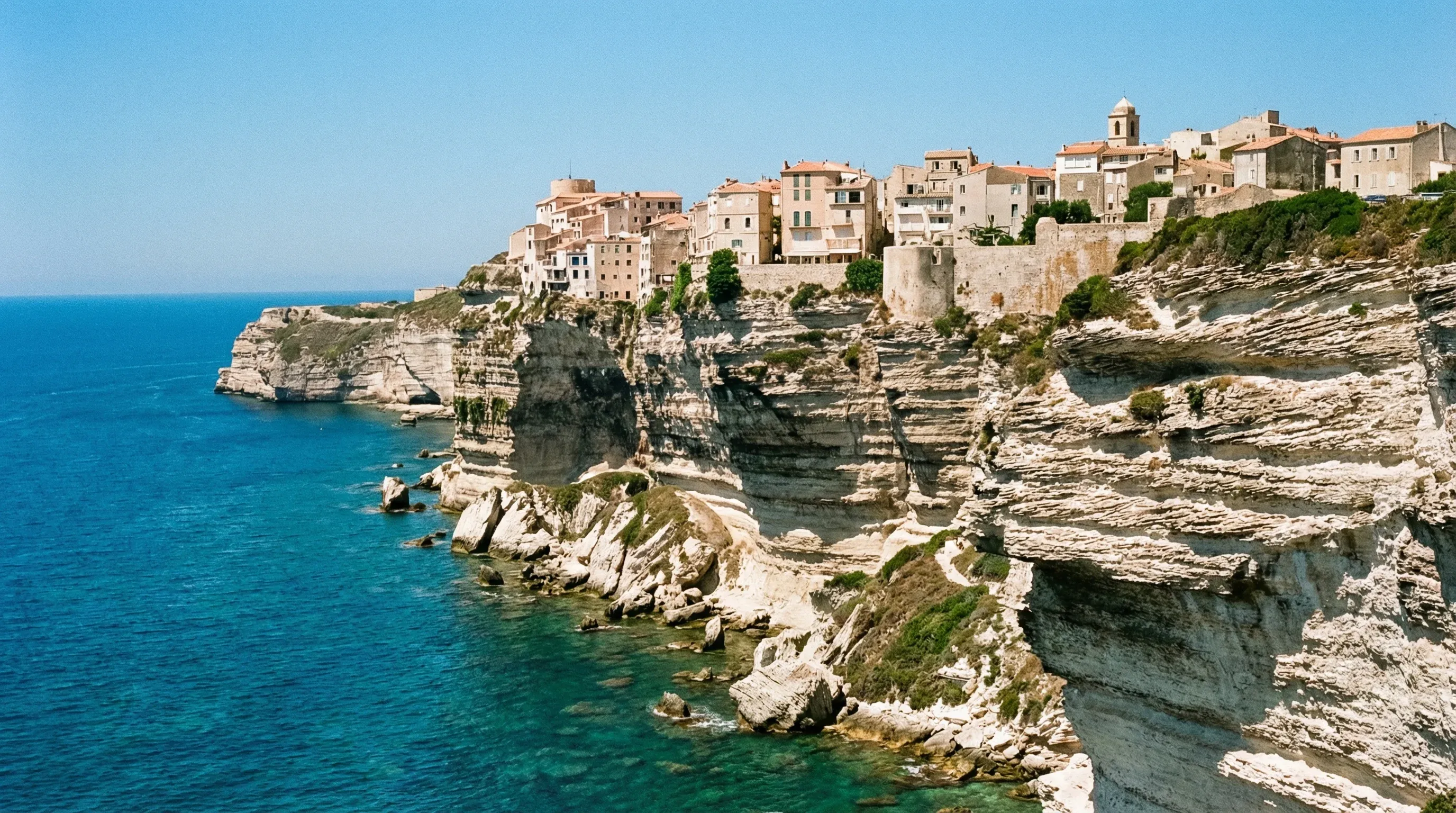
The beaches are the main draw. Palombaggia Beach near Porto-Vecchio is famous for its red rocks and umbrella pines framing white sand. Further south, the Bonifacio Old Town is a jaw-dropping sight; the citadel perches precariously on white limestone cliffs that drop vertically into the sea. Taking a boat trip here to see the King of Aragon's Staircase from the water is unforgettable.
For nature, the Scandola Nature Reserve is a UNESCO site accessible only by boat, featuring volcanic rock formations and rich marine life including dolphins. Families enjoying history should visit the Citadel of Corte in the mountainous heart of the island to understand Corsica's rebellious spirit. While the GR20 Trail is too hard for kids, day hikes around the Bavella Needles offer similar scenery.
Practical Advice
July and August are crowded and very hot. June and September are perfect. Renting a car is non-negotiable, but driving requires concentration due to twists and turns. Bring motion sickness bands for kids.
Food & Drink
Typical meal times: Lunch 12:30 pm - 2:30 pm. Dinner 8:00 pm - 10:00 pm.
Typical meal costs: High. Food is imported or artisanal. Family meal €90–140 (approx. $95–150 USD / £75–120 GBP).
Dietary requirements: Charcuterie and cheese are central. Vegan options are limited in mountain villages but available in coastal towns.
Signature dishes:
- Civet de Sanglier – Wild boar stew, rich and gamey, often served with pasta or polenta.
- Brocciu – A fresh sheep or goat milk cheese (like ricotta) used in everything from donuts to omelets.
- Fiadone – A lemon cheesecake made with Brocciu, light and zesty.
Why this score?
Corsica is arguably the most rugged region in France, dominated by the challenging GR20 trail and steep, granite mountains. The interior is wild and less developed than the mainland, offering genuine off-the-beaten-path experiences for families.
Why this score?
While hospitals in Bastia and Ajaccio are competent, specialized care and trauma services are more limited than on the mainland. Serious medical emergencies often require helicopter evacuation to hospitals in Marseille or Nice, particularly from the mountainous interior.
Why this score?
Known as the 'Island of Beauty,' it is a recognized Mediterranean destination but receives fewer global visitors than mainland hotspots due to its island geography. Most tourism is concentrated in the summer months and is heavily European-centric.

Corsica is expensive due to island logistics. Car rental prices skyrocket in summer. Ferries are costly if not booked months ahead. An average family stay is €150–250 (approx. $160–270 USD / £130–215 GBP) per night. Supermarket prices are 10-20% higher than the mainland.
Family Travel Notice
Minors traveling alone or with only one parent may need specific written authorization and documentation to exit or enter the country, according to local regulations.

Getting Here & Around
Getting Here
- Ferry – Overnight ferries run from Toulon, Nice, or Marseille to Bastia and Ajaccio.
- Airports – Four airports serve the island: Bastia (BIA), Ajaccio (AJA), Figari (FSC), and Calvi (CLY).
- Driving – You must drive to a ferry port on the mainland to bring your own car.
Getting Around
- Car – Essential. There are no coastal motorways; roads are winding and slow.
- Train – The 'Trinichellu' (little train) connects Ajaccio, Corte, and Bastia/Calvi. It is a scenic adventure in itself.
- Boat – Necessary for visiting reserves like Scandola Nature Reserve.
Nearby Airports (4 airports)
Campo Dell Oro
AJAAjaccio
Poretta
BIABastia
Saint Catherine
CLYCalvi
Figari
FSCFigari
View full flight map for France →
Official Links

Packing List
Corsican roads are notoriously twisty and can upset stomachs.
Sea urchins are common in rocky coves; protection is needed.
GPS signal is often lost in the deep mountainous interior.
The water clarity is exceptional; renting gear every day adds up.
Loose swim shorts are banned in most public pools for hygiene; men/boys must wear tight trunks.
Rarely provided in French hotels; pack your own if you are used to washing with them.
Supermarkets do not provide free bags and often charge for sturdy ones; keep a tote handy.
Strictly required to prove age for free/discounted entry at museums and on transport.

Activities & Best Times

Hiking, wildlife, outdoor exploration, ecotourism
An island of immense natural diversity featuring jagged granite peaks, glacial lakes, and unique ecosystems like the A Cupulatta tortoise sanctuary. Spring and autumn offer the most comfortable trekking conditions, avoiding the peak summer heat and winter snow in the highlands.

Urban tourism, museums, historical sites, architecture
Historic Genoese citadels and the Napoleonic heritage of Ajaccio provide a deep sense of authentic Mediterranean history and identity. The extended peak season from May to September ensures all historic sites, citadels, and museums are fully accessible to international visitors.

Sport tourism, fitness activities, active recreation
Home to the legendary GR20 mountain trek and world-class cycling infrastructure like the GT20, complemented by high-quality adventure parks. The core summer months provide essential trail accessibility and the operation of all outdoor activity infrastructure.

Beach resorts, marine activities: diving, snorkelling, kite surfing, wind surfing, sailing
Pristine white-sand beaches like Palombaggia and Santa Giulia offer world-class Mediterranean swimming and sailing conditions. Peak summer months provide the warmest water temperatures, while winter months are unsuitable for seaside activities.

Spa retreats, wellness centers, peaceful getaways
Authentic thermal spring complexes such as Pietrapola-les-Bains and Les Bains de Caldane offer traditional restorative experiences in natural settings. Peak visiting months coincide with pleasant outdoor temperatures, while shoulder months offer a more peaceful, uncrowded atmosphere.

Scenic drives, countryside tours, route-based travel
Spectacular scenic drives like the Calanques de Piana (D81) and the Cap Corse loop offer some of Europe's most dramatic coastal and mountain vistas. Optimal visibility and safe driving conditions on the winding island roads are best found from May through September.

Attractions (24 total)



Public Holidays & Calendar Next 12 months
Public holidays, festivals, cultural celebrations, and seasonal natural phenomena coming up in Corsica over the next 12 months.
Loading holidays and events...

Travel Advisory
The majority of international agencies advise travelers to exercise increased caution. This assessment is primarily driven by a persistent and high threat of terrorism, as well as frequent civil unrest and strikes that can impact travel logistics.
Safety Topics
Traveller Advice (3 groups)
Minors traveling alone or with only one parent may need specific written authorization and documentation to exit or enter the country, according to local regulations.

Exercise caution when walking alone after dark and be vigilant in nightlife venues. There have been reports of drink spiking and the use of sedative drugs in bars and clubs.

Ensure you carry valid photo identification at all times, as this is a legal requirement. Monitor local media for updates on strikes or protests that may affect public transportation or access to major sites.
Agency Summaries
Safety concerns are more significant than typically found in New Zealand. Key risks include the highest level of terrorism alerts, frequent civil unrest, and common petty theft in tourist areas.
Travelers should maintain a high level of vigilance due to a consistent threat of terrorist activity. The national security alert system is currently at an elevated level. Petty crime and residential break-ins are also reported frequently.
Visitors should be aware that terrorist attacks are considered very likely. Significant travel disruption may arise from frequent industrial actions and protests across the country.
Increased awareness is recommended because of potential terrorism and civil disturbances. Public demonstrations and industrial strikes occur regularly and can disrupt transportation services.
Vigilance is advised regarding personal security and potential terror threats. Travelers must carry valid photographic identification at all times and follow instructions from local law enforcement.
Exercise heightened caution due to the risk of terrorism. Be mindful of serious street crimes, including violent theft and assault, especially in major urban centers during peak travel seasons.
Information is provided for general guidance only and does not constitute travel, safety, medical, or legal advice. Conditions may change. Users are responsible for independently verifying information before travel.