
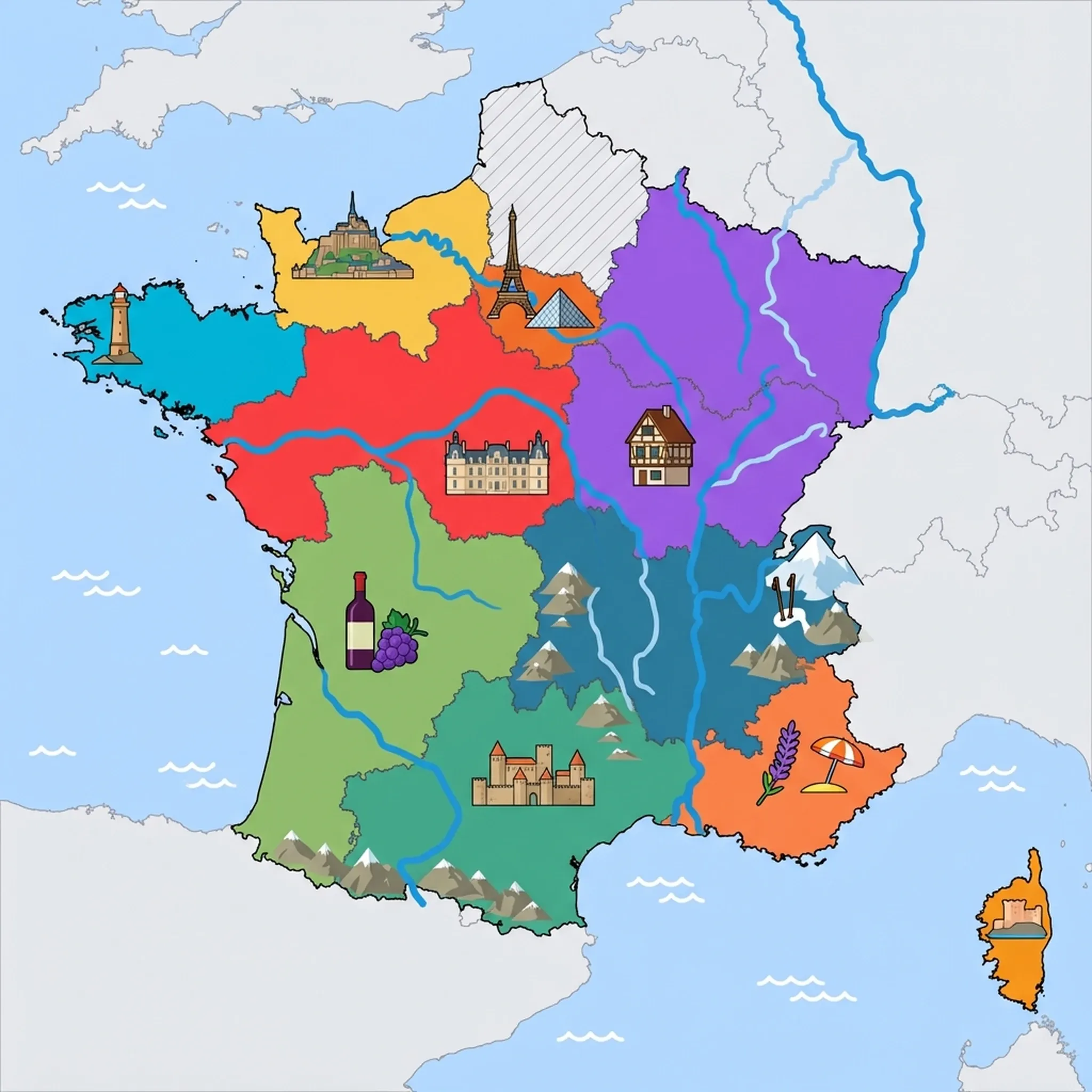
Click a region to explore
The Loire Valley is the quintessential picture of royal France. Spanning the middle stretch of the Loire River, this UNESCO World Heritage site is a lush landscape of vineyards, orchards, and, most famously, châteaux. For families, this region is surprisingly accessible. Unlike the steep hills of the south or the bustle of Paris, the Loire is flat, calm, and easy to navigate. The "Loire à Vélo" cycle route is one of the best family cycling networks in Europe, allowing you to pedal safely from castle to castle along the riverbanks.
History here isn't dry; it's about knights, princesses, and inventors. Many châteaux have adapted brilliantly for children, offering costume rentals, iPad treasure hunts (Histopads), and expansive gardens for running around. The climate is mild, "douceur angevine" (Anjou gentleness), making it pleasant for outdoor activities from spring through autumn. Beyond the castles, there are troglodyte cave dwellings to explore and excellent zoos, ensuring that "temple fatigue" doesn't set in for the younger ones.
Key Attractions
The giant of the region is the Château de Chambord. Its massive size and weird roofline (which looks like a city skyline) fascinate kids, as does the double-helix staircase designed by Da Vinci. Speaking of Da Vinci, Château du Clos Lucé - Parc Leonardo da Vinci in Amboise is brilliant; the gardens are filled with life-sized working models of his inventions (tanks, bridges, paddle boats) that kids can operate.
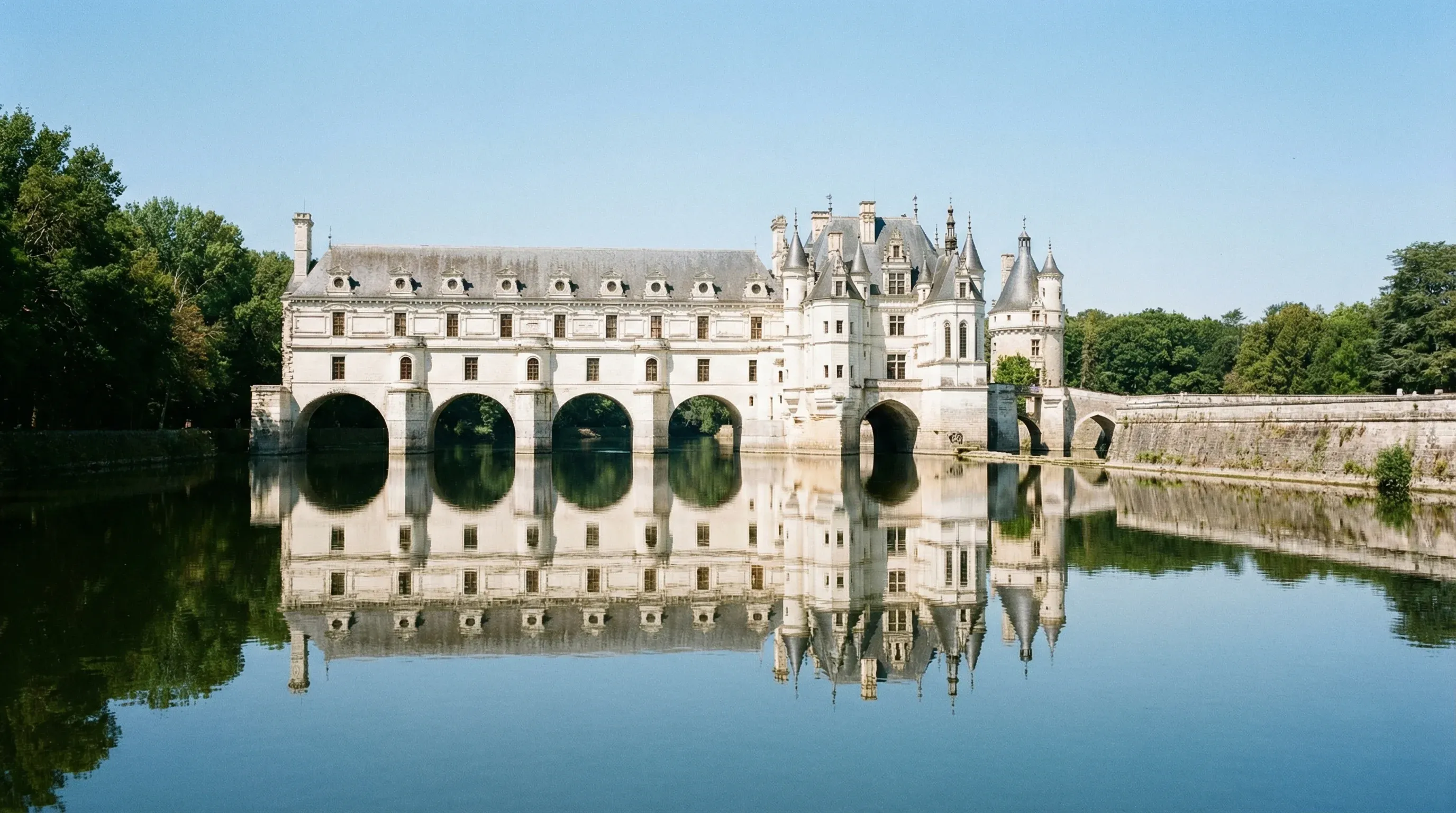
For animal lovers, the Bioparc de Doué-la-Fontaine is unique—it's a zoo built into an old quarry system, where you look down on the animals in a jungle-like setting. The Château de Chenonceau, spanning the river, offers rowing boats for hire, allowing families to paddle under the castle arches—a magical experience.
Practical Advice
Do not try to visit more than one château per day with kids. Combine a morning castle visit with an afternoon of cycling or pool time. Spring (blooming gardens) and Autumn (harvest) are beautiful.
Food & Drink
Typical meal times: Lunch 12:00 pm - 2:00 pm. Dinner 7:30 pm - 9:00 pm.
Typical meal costs: Reasonable. Bistro meal €60–100 (approx. $65–110 USD / £50–85 GBP).
Dietary requirements: Pork and freshwater fish are staples. Salads are common. Gluten-free bread is hard to find in villages.
Signature dishes:
- Rillettes de Tours – Slow-cooked, shredded pork spread, delicious on crusty bread.
- Fouées – Small, hollow bread pockets baked in wood ovens, filled with beans, cheese, or rillettes. Fun for kids.
- Tarte Tatin – The famous upside-down caramelized apple tart, originating from this region.
Why this score?
The terrain is exceptionally flat and civilized, making it the premier destination for easy family cycling rather than rugged adventure. The focus is almost entirely on manicured gardens, historical architecture, and gentle river landscapes.
Why this score?
The region is served by the university hospitals of Tours and Orléans, which are world-class facilities. Given the high volume of international elderly tourists visiting the châteaux, local clinics are well-versed in coordinating with foreign insurance providers.
Why this score?
As a UNESCO World Heritage site famous for its royal châteaux, the Loire Valley is a staple of international French itineraries. Iconic palaces like Chambord and Chenonceau attract millions of visitors from every continent annually.

The Loire Valley offers good value. Entry fees to châteaux can add up (approx. €15 / $16 / £13 per adult), but many are free for children. Accommodation is cheaper than Paris or the coast, with family rooms around €90–140 (approx. $98–150 USD / £75–120 GBP). Picnicking by the river cuts food costs.
Family Travel Notice
Minors traveling alone or with only one parent may need specific written authorization and documentation to exit or enter the country, according to local regulations.

Getting Here & Around
Getting Here
- Train – TGV from Paris Montparnasse to Tours (St-Pierre-des-Corps) takes just 1 hour.
- Driving – About 2.5 hours south of Paris via the A10 motorway.
- Airports – Tours Val de Loire (TUF) has limited flights; Paris airports are the main entry points.
Getting Around
- Cycling – The La Loire à Vélo (V7) route is flat, segregated, and perfect for families. Bike hire is available everywhere.
- Car – Necessary for reaching rural châteaux and zoos not on the main train lines.
- Train – Local TER trains connect Orléans, Blois, Amboise, and Tours efficiently.
Nearby Airports (2 airports)
Nantes Airport
NTENantes
Val De Loire
TUFTours
View full flight map for France →
Official Links

Packing List
If you plan to ride the Loire à Vélo route for multiple days, comfort is key.
Fun for exploring the dark corners of troglodyte caves and cellars.
The region has countless scenic riverbanks perfect for self-catering lunches.
Bringing your own knight/princess outfit saves rental fees at castles.
Loose swim shorts are banned in most public pools for hygiene; men/boys must wear tight trunks.
Rarely provided in French hotels; pack your own if you are used to washing with them.
Supermarkets do not provide free bags and often charge for sturdy ones; keep a tote handy.
Strictly required to prove age for free/discounted entry at museums and on transport.

Activities & Best Times

Urban tourism, museums, historical sites, architecture
A world-renowned UNESCO World Heritage site famous for its concentration of Renaissance châteaux and historic cities like Tours and Orléans. Peak season offers long days and full access to heritage sites, while the winter off-season is often grey and several smaller sites may have reduced hours.

Hiking, wildlife, outdoor exploration, ecotourism
Features significant natural reserves like the Brenne and the vast forest of Chambord, offering sophisticated nature experiences and wildlife observation. The warmer months are ideal for exploring these managed landscapes, whereas the damp winter season limits the quality of outdoor immersion.

Sport tourism, fitness activities, active recreation
Home to the 'La Loire à Vélo', an internationally recognized cycle route with excellent infrastructure that is a primary draw for active families. Optimal cycling conditions prevail from late spring through early autumn; winter rainfall and cold make the infrastructure significantly less appealing.

Learning experiences, scientific sites, historical education
The Château du Clos Lucé offers a world-class scientific and historical experience focused on Leonardo da Vinci's inventions. Peak months allow for full exploration of both the museum and its outdoor discovery park, which is a major component of the educational value.

Events, celebrations, seasonal attractions
International Garden Festival at Chaumont-sur-Loire is described as 'a major global event' in the notes. The Loire Valley also hosts numerous wine festivals and summer châteaux events. Rating should be 'good' not 'marginal'.

Scenic drives, countryside tours, route-based travel
Celebrated scenic routes including the Loire Wine Route and the Route of the Troglodytes offer authentic rural French exploration. Driving is most scenic when vineyards are in leaf and autumn colors appear in October; winter landscapes are comparatively stark and less rewarding.
Amusement parks, family entertainment venues
Includes high-quality venues like Terra Botanica and Mini-Châteaux that provide unique, education-themed entertainment for families. These parks typically operate on a seasonal basis with peak visitation in summer, often closing or limiting access during the winter months.

Attractions (24 total)



Public Holidays & Calendar Next 12 months
Public holidays, festivals, cultural celebrations, and seasonal natural phenomena coming up in Loire Valley over the next 12 months.
Loading holidays and events...

Travel Advisory
The majority of international agencies advise travelers to exercise increased caution. This assessment is primarily driven by a persistent and high threat of terrorism, as well as frequent civil unrest and strikes that can impact travel logistics.
Safety Topics
Traveller Advice (3 groups)

Minors traveling alone or with only one parent may need specific written authorization and documentation to exit or enter the country, according to local regulations.

Exercise caution when walking alone after dark and be vigilant in nightlife venues. There have been reports of drink spiking and the use of sedative drugs in bars and clubs.

Ensure you carry valid photo identification at all times, as this is a legal requirement. Monitor local media for updates on strikes or protests that may affect public transportation or access to major sites.
Agency Summaries
Safety concerns are more significant than typically found in New Zealand. Key risks include the highest level of terrorism alerts, frequent civil unrest, and common petty theft in tourist areas.
Travelers should maintain a high level of vigilance due to a consistent threat of terrorist activity. The national security alert system is currently at an elevated level. Petty crime and residential break-ins are also reported frequently.
Visitors should be aware that terrorist attacks are considered very likely. Significant travel disruption may arise from frequent industrial actions and protests across the country.
Increased awareness is recommended because of potential terrorism and civil disturbances. Public demonstrations and industrial strikes occur regularly and can disrupt transportation services.
Vigilance is advised regarding personal security and potential terror threats. Travelers must carry valid photographic identification at all times and follow instructions from local law enforcement.
Exercise heightened caution due to the risk of terrorism. Be mindful of serious street crimes, including violent theft and assault, especially in major urban centers during peak travel seasons.
Information is provided for general guidance only and does not constitute travel, safety, medical, or legal advice. Conditions may change. Users are responsible for independently verifying information before travel.