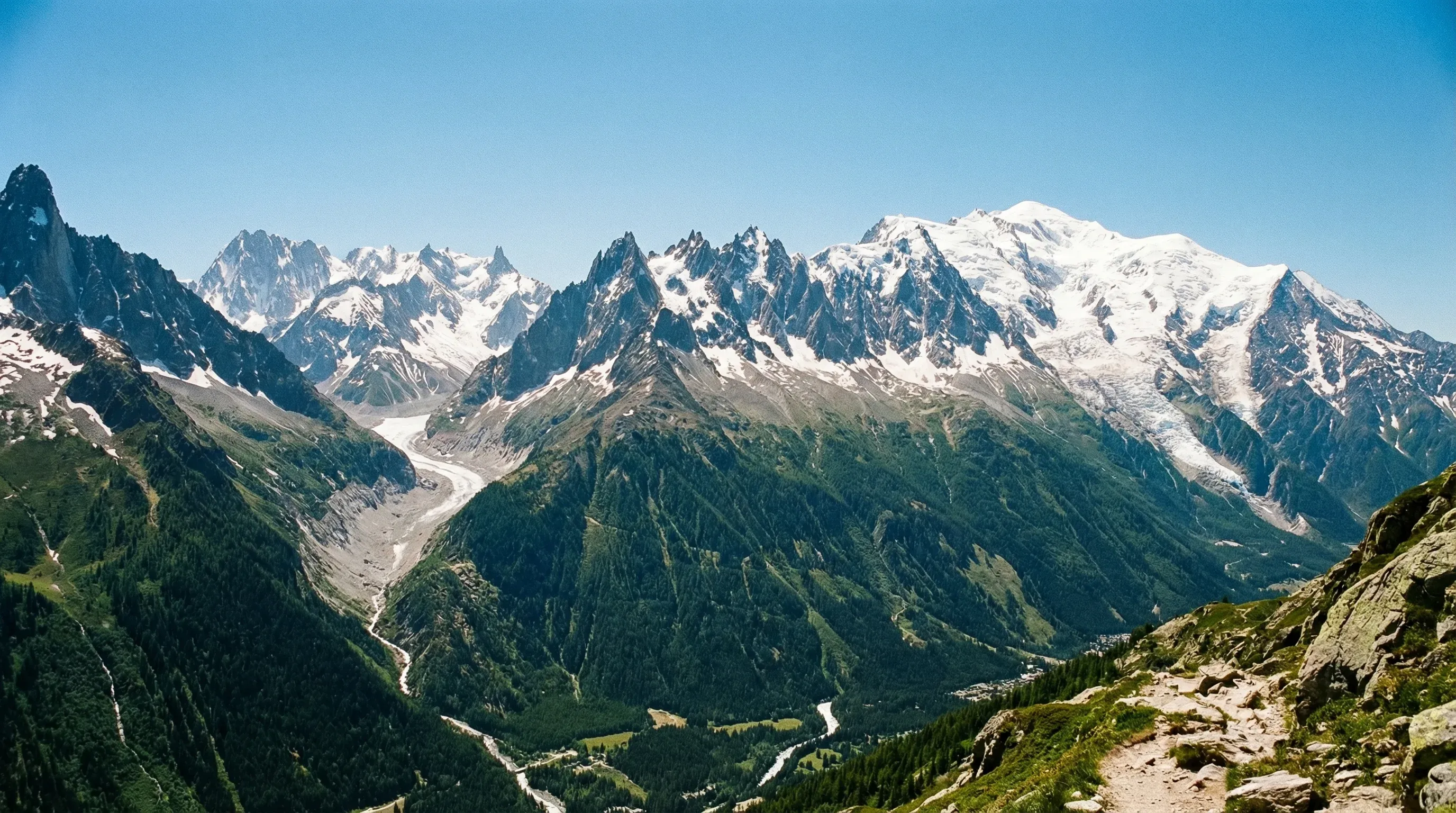

Lyon, Rhône Valley & French Alps
Snowy peaks, crystal lakes, and the world's best food 🏔️🧀
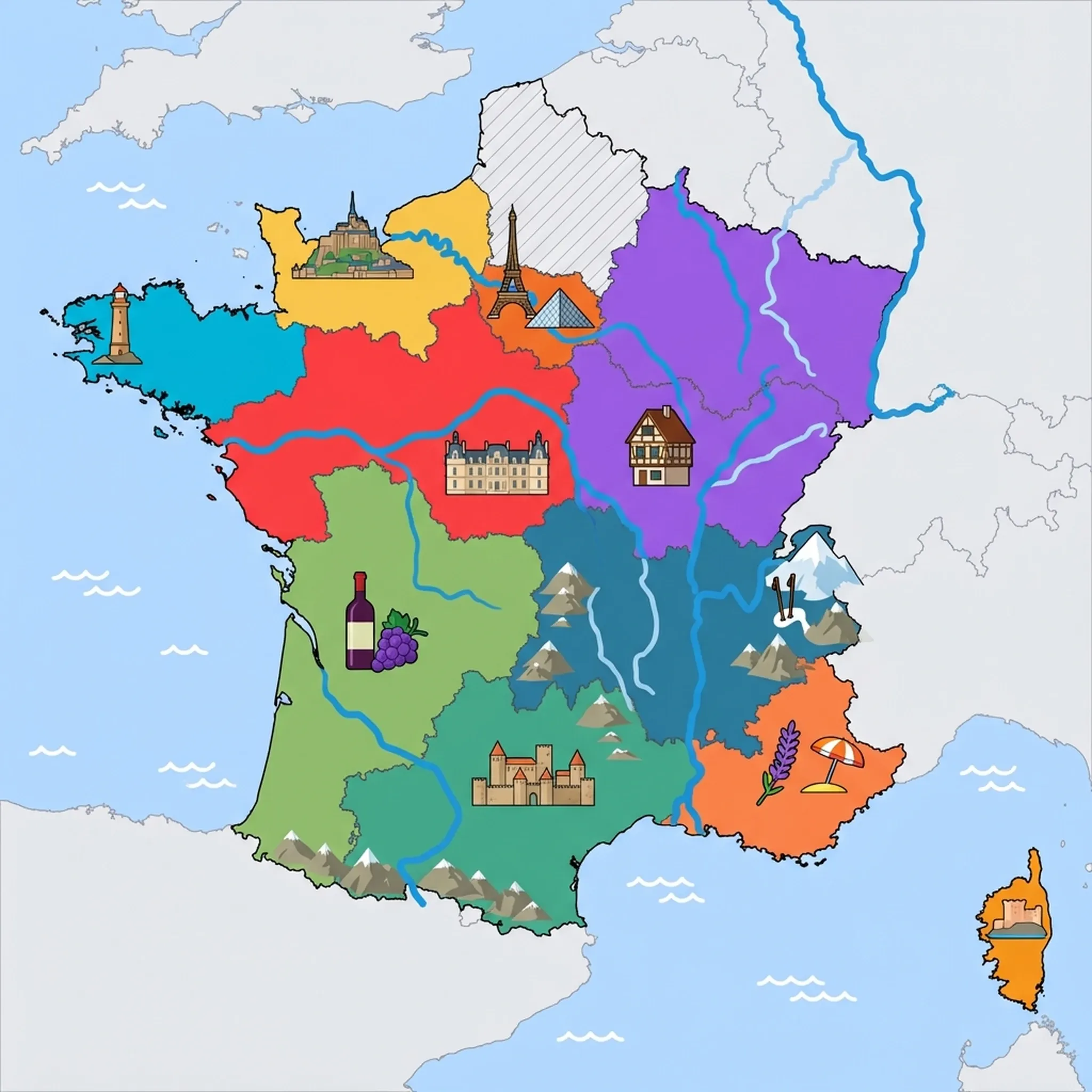
Click a region to explore
This spectacular region anchors southeastern France, stretching from the culinary giant of Lyon through the deep gorges of the Ardèche and up to the rooftop of Europe in the Alps. For active families, this is the ultimate playground. In winter, it hosts the world's best skiing; in summer, those same mountains transform into lush green pastures for hiking, mountain biking, and paragliding. Lyon, the regional capital, acts as the gateway—a sophisticated but manageable city where food is a religion, yet it remains surprisingly kid-friendly with its puppet history (Guignol) and large parks.
The geography varies wildly. To the north are the high Alps and crystal-clear lakes like Annecy (often called the Venice of the Alps). To the south, the landscape becomes drier and more Mediterranean as you enter the Rhône Valley and Ardèche, famous for kayaking under the Pont d'Arc natural bridge. The air is fresh, the scenery is dramatic, and the infrastructure for families—whether ski schools or lakeside beaches—is world-class.
Key Attractions
For a high-altitude thrill, the Aiguille du Midi cable car in Chamonix whisks you up to 3,842m for close-up views of Mont Blanc (note: not for very young children due to altitude). Lake Annecy is perfect for families, offering safe swimming in incredibly clean water and flat cycle paths around the perimeter. In the south, Grotte Chauvet 2 is a stunning replica of the oldest decorated cave in the world, using 3D technology to bring mammoths and cave lions to life.
In Lyon, the Aquarium de Lyon and the expansive Tête d'Or Park (with a free zoo) are great for down days. Winter sports families will flock to resorts like Alpe d'Huez, known for its sunny slopes and family-friendly infrastructure.
Practical Advice
For skiing, book February trips a year in advance. Summer in the Alps can be hot but nights are cool. Lyon is a great 2-day city break before heading into the nature. Check altitude restrictions for babies before taking cable cars.
Food & Drink
Typical meal times: Standard French times (12-2pm, 7:30-9pm). In ski resorts, service is often continuous.
Typical meal costs: High in ski resorts and Lyon center. Family meal €100–150 (approx. $110–160 USD / £85–130 GBP).
Dietary requirements: Very cheese and meat-heavy (charcuterie). Vegetarians can eat fondue and raclette (omit the meat plate). Vegan options difficult in mountain huts.
Signature dishes:
- Raclette/Fondue – Melted cheese dishes served with potatoes and pickles. The ultimate communal family meal.
- Quenelles de Brochet – Dumplings made of pike fish and cream, served in a rich crayfish sauce (Lyon specialty).
- Tarte aux Pralines – A bright red, sugary almond tart found in every bakery in Lyon.
Why this score?
The French Alps offer some of the world's best outdoor recreation, from high-altitude mountaineering to canyoning in the Ardèche. While ski resorts are highly developed, the sheer scale and verticality of the terrain provide a significant adventure element.
Why this score?
Lyon is a premier global medical hub with renowned specialists, particularly in oncology and sports medicine. Chamonix also possesses world-leading expertise in mountain-related trauma and high-altitude medicine, catering specifically to international visitors.
Why this score?
Chamonix and Mont Blanc are top-tier global icons that draw millions of international mountaineers and skiers. Lyon is a major gastronomic and business capital, making this one of France's most visited regions outside of Paris.

The Alps are one of the most expensive areas in France, especially for ski passes and mountain accommodation. Lyon is comparable to other major cities. Budget €150–250 (approx. $160–270 USD / £130–215 GBP) per night for a family. "Plat du jour" lunch deals in Lyon 'bouchons' offer good value at €18–25.
Family Travel Notice
Minors traveling alone or with only one parent may need specific written authorization and documentation to exit or enter the country, according to local regulations.

Getting Here & Around
Getting Here
- Airports – Lyon-Saint Exupéry (LYS) is the central hub. Geneva (GVA) is often better for the Northern Alps/Chamonix.
- Train – Lyon is just 2 hours from Paris by TGV. Direct Eurostar trains run London-Lyon-Alps in winter (check seasonal schedules).
- Driving – The A6 'Autoroute du Soleil' connects Paris to Lyon. Mountain roads require experience and snow chains in winter.
Getting Around
- Car – Essential for the Ardèche and accessing remote ski chalets.
- Shuttles – In ski season, excellent bus networks connect resorts to train stations.
- Public Transport – Lyon has a superb metro, tram, and funicular system.
Nearby Airports (6 airports)
Aurillac
AURAurillac
Clermont-ferrand
CFEClermont-Ferrand
Aix Les Bains
CMFChambery
Saint Geoirs
GNBGrenoble
Loudes
LPYLe Puy
Lyon–Saint-Exupéry Airport
LYSLyon
View full flight map for France →
Official Links

Packing List
UV rays are much stronger at altitude, even on cloudy days or in winter.
Even in summer, evenings in the Alps can drop to single-digit temperatures.
For Lake Annecy in summer or heated thermal pools in ski resorts in winter.
Legally required in trunk during winter months in mountain zones.
Loose swim shorts are banned in most public pools for hygiene; men/boys must wear tight trunks.
Rarely provided in French hotels; pack your own if you are used to washing with them.
Supermarkets do not provide free bags and often charge for sturdy ones; keep a tote handy.
Strictly required to prove age for free/discounted entry at museums and on transport.

Activities & Best Times

Hiking, wildlife, outdoor exploration, ecotourism
The French Alps and Ardèche Gorges provide world-class natural immersion with 18 supporting attractions including wildlife parks and the iconic Chamonix massif. Peak months offer accessible high-altitude trails, while transitional seasons provide spring blooms and autumn colors before winter snow limits access.

Urban tourism, museums, historical sites, architecture
Lyon is a UNESCO World Heritage site and a global capital of gastronomy with a rich array of fine art museums and historic landmarks. The spring and autumn months provide the most comfortable climate for urban exploration, avoiding the extreme heat and local closures of August.

Sport tourism, fitness activities, active recreation
The region features world-class sports infrastructure, including the Tour du Mont Blanc hiking circuit and the ViaRhôna cycling route. These facilities are best utilized during the summer months when high-altitude paths and riverside routes are in peak condition.
Amusement parks, family entertainment venues
With major international-standard venues like Walibi Rhône-Alpes and Le Pal, the region offers high-quality family entertainment. Peak visitation aligns with the summer school holiday period when all aquatic and outdoor attractions are fully operational.

Learning experiences, scientific sites, historical education
The region hosts destination-level educational sites like the Musée des Confluences and Grotte Chauvet 2, which offer world-class scientific and historical engagement. These facilities are primary motivators for families seeking sophisticated, learning-focused travel.

Events, celebrations, seasonal attractions
Lyon Festival of Lights is already in the database as a major international event. December tourism peak is significant. The 'marginal' rating contradicts the presence of a major festival attraction.

Spa retreats, wellness centers, peaceful getaways
Historically significant spa towns like Aix-les-Bains and Saint-Gervais Mont-Blanc provide authentic thermal bath experiences. Transitional months offer pleasant weather for wellness tourism without the overcrowding or intense heat of mid-summer.

Scenic drives, countryside tours, route-based travel
Renowned scenic routes like the Route des Grandes Alpes and Route Napoléon offer some of Europe's most spectacular mountain driving. High passes are typically only accessible and safe from early June through September due to snow closures.

Winter sports, ski resorts, snow activities
Home to premier resorts like Chamonix, Val Thorens, and Courchevel, the region offers elite infrastructure and reliable snow coverage. Despite its global reputation, the classification is calibrated to its core winter season, with April providing late-season spring conditions.

Attractions (48 total)



Public Holidays & Calendar Next 12 months
Public holidays, festivals, cultural celebrations, and seasonal natural phenomena coming up in Lyon, Rhône Valley & French Alps over the next 12 months.
Loading holidays and events...

Travel Advisory
The majority of international agencies advise travelers to exercise increased caution. This assessment is primarily driven by a persistent and high threat of terrorism, as well as frequent civil unrest and strikes that can impact travel logistics.
Safety Topics
Traveller Advice (3 groups)

Minors traveling alone or with only one parent may need specific written authorization and documentation to exit or enter the country, according to local regulations.

Exercise caution when walking alone after dark and be vigilant in nightlife venues. There have been reports of drink spiking and the use of sedative drugs in bars and clubs.

Ensure you carry valid photo identification at all times, as this is a legal requirement. Monitor local media for updates on strikes or protests that may affect public transportation or access to major sites.
Agency Summaries
Safety concerns are more significant than typically found in New Zealand. Key risks include the highest level of terrorism alerts, frequent civil unrest, and common petty theft in tourist areas.
Travelers should maintain a high level of vigilance due to a consistent threat of terrorist activity. The national security alert system is currently at an elevated level. Petty crime and residential break-ins are also reported frequently.
Visitors should be aware that terrorist attacks are considered very likely. Significant travel disruption may arise from frequent industrial actions and protests across the country.
Increased awareness is recommended because of potential terrorism and civil disturbances. Public demonstrations and industrial strikes occur regularly and can disrupt transportation services.
Vigilance is advised regarding personal security and potential terror threats. Travelers must carry valid photographic identification at all times and follow instructions from local law enforcement.
Exercise heightened caution due to the risk of terrorism. Be mindful of serious street crimes, including violent theft and assault, especially in major urban centers during peak travel seasons.
Information is provided for general guidance only and does not constitute travel, safety, medical, or legal advice. Conditions may change. Users are responsible for independently verifying information before travel.