
Paris & Île-de-France
The City of Light, magic, and monuments ✨🗼
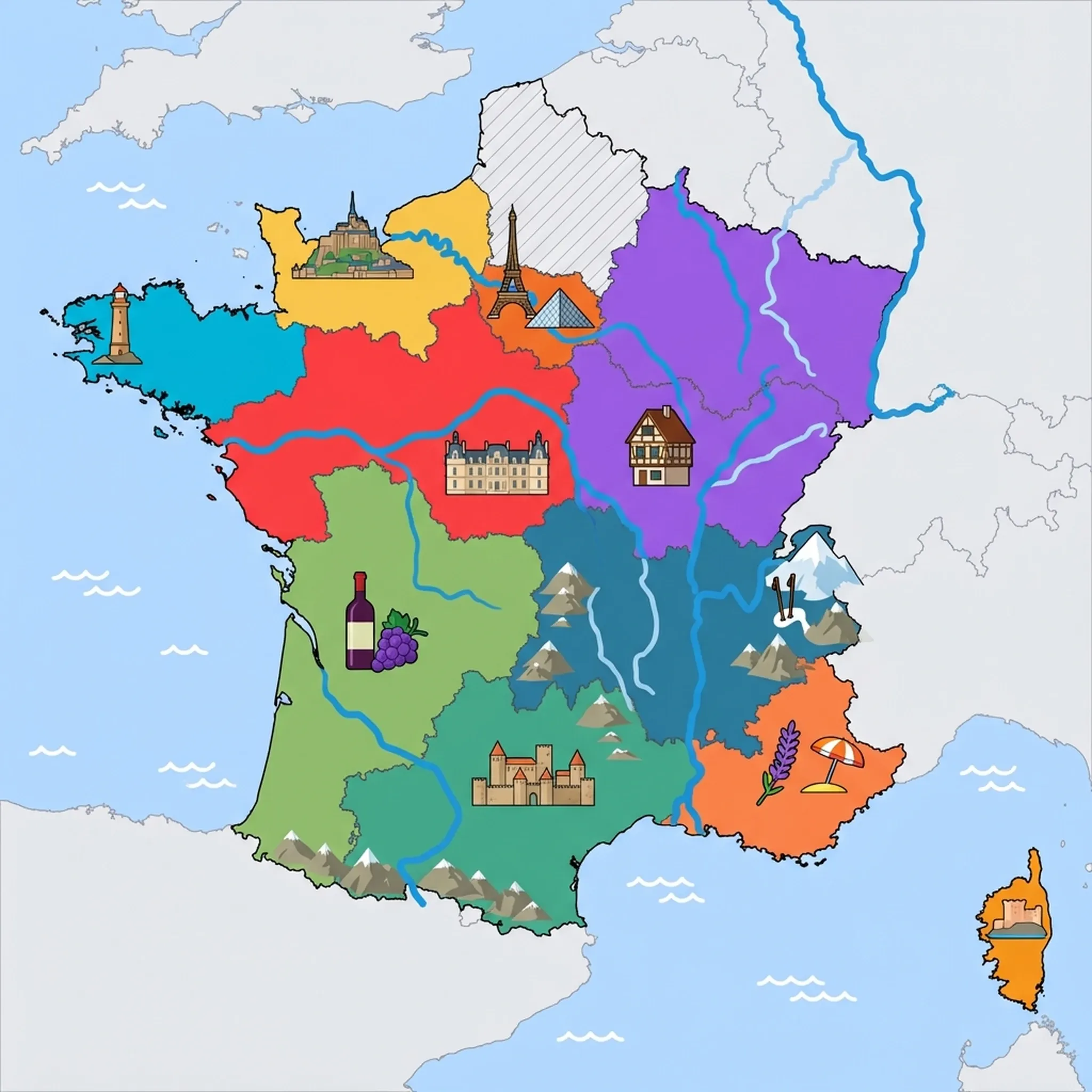
Click a region to explore
Paris and its surrounding region, Île-de-France, need little introduction. It is the beating heart of the country, a dense metropolis of iconic monuments, world-class museums, and grand boulevards. For families, Paris can be overwhelming but incredibly rewarding. The key is to mix the "must-sees" with play time. The city is surprisingly green, with magnificent parks like the Jardin du Luxembourg where kids can push vintage sailboats on ponds, just as they did 100 years ago. The public transport system makes getting around easy, though strollers can be a challenge in older metro stations.
Surrounding the city are the royal playgrounds of the past. A short train ride takes you to Versailles or Fontainebleau, where expansive forests and gardens offer relief from the urban density. And, of course, to the east lies Disneyland Paris, a major draw for many families. The region is fast-paced and urban, offering a sharp contrast to the rest of relaxed, rural France.
Key Attractions
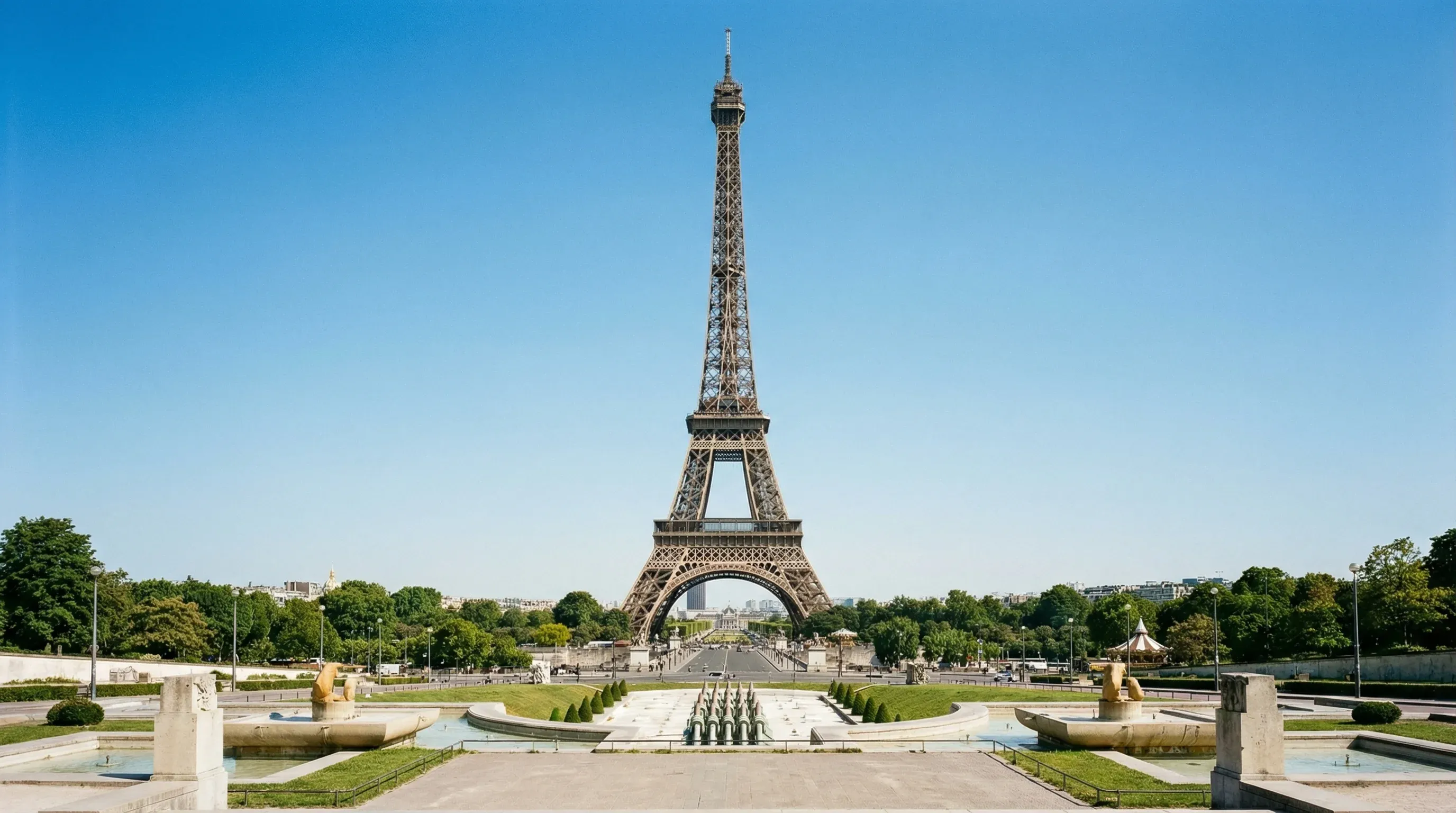
The Eiffel Tower is non-negotiable; seeing it sparkle at night is magic for kids. Disneyland Park remains the top paid attraction in Europe, offering classic Disney magic with a French twist. For a more educational day, the Cité des Sciences et de l'Industrie at Parc de la Villette is a massive science museum with a dedicated "Cité des Enfants" section that is arguably the best children's museum in the world.
Culture vultures should tackle the Louvre Museum but keep it short—focus on the Sphinx and Mona Lisa, then head to the Tuileries gardens. The Grande Galerie de l'Évolution is another hit, featuring a stunning parade of taxidermy animals in a beautiful 19th-century hall. Outside the city, the Gardens of Versailles act as a massive outdoor maze and park.
Practical Advice
Buy tickets online in advance for EVERYTHING to avoid 2-hour queues. Avoid the Metro during rush hour (8-9am, 5-7pm) with kids. August is quiet as locals leave, but some shops close.
Food & Drink
Typical meal times: Lunch 12:00 pm - 2:30 pm. Dinner 7:30 pm - 10:30 pm. Brasseries often serve all day.
Typical meal costs: High. Family dinner €100–160 (approx. $110–175 USD / £85–135 GBP). Sandwiches/crepes from street stands are cheap alternatives.
Dietary requirements: Cosmopolitan city with many vegan/GF options. Allergen laws are strictly followed in restaurants.
Signature dishes:
- Croque Monsieur – The ultimate grilled ham and cheese sandwich with béchamel sauce.
- Macarons – Colorful almond meringue cookies with ganache filling. Ladurée and Pierre Hermé are the famous spots.
- Steak Frites – Simple steak with fries, a brasserie staple beloved by teens.
Why this score?
The region is almost entirely urbanized and developed, offering very little in the way of rugged adventure. While the Fontainebleau Forest provides world-famous bouldering, the vast majority of activities are city-based and highly structured.
Why this score?
Paris is a world-class medical hub with the AP-HP network, offering some of the best hospitals on the planet. Multilingual staff, international patient departments, and every possible specialty are readily available to foreign travelers and families at all times of the day or night. All indicators are very high and provide a top-tier safety net for tourists visiting France's capital city area. While individual experiences vary, on the aggregate the medical services in Paris are second to none globally and are very good indeed for families traveling with young children or elderly relatives who may have specific health concerns while away from home. English is widely spoken in the major hospitals of the city center such as the American Hospital of Paris, which specifically caters to international travelers and expatriates from English speaking countries around the world. These services are complemented by a very high level of general practitioners who often have international experience or training as well. The dense network of pharmacies throughout the city further enhances the accessibility of healthcare for minor issues and prescriptions. In summary, Paris and the surrounding region provide a very high level of comfort and security for visitors regarding their health and medical needs while on vacation in France. No other region in the country can quite match the sheer scale and variety of medical services that are available in the capital, making it a very safe bet for anyone with health concerns. Overall, a score of 10 is well-deserved for the medical infrastructure of Paris and the Île-de-France region, which sets the benchmark for the rest of the country and much of the world beyond its borders as well. This is a very important consideration for many travelers when choosing a destination for their family vacation, and Paris does not disappoint in this regard. Families can travel with peace of mind knowing that excellent care is never far away in the City of Light and its surrounding areas. This is why Paris is often seen as a top choice for those who value health and safety above all else when traveling abroad. In conclusion, the medical services in Paris are outstanding and provide a very high level of care for all visitors, regardless of their nationality or the nature of their medical needs. This is one of the many reasons why Paris remains such a popular and highly-regarded tourist destination for people from all walks of life and from all over the world. It's a testament to the high quality of the French healthcare system and the commitment of the city to provide top-notch care for its residents and visitors alike. This is a very good reason to visit Paris and to feel confident in the care you will receive if you ever need it while you are there. It's a great peace of mind for any traveler and their family. Overall, a score of 10 is very appropriate for the medical services in the Paris region. No doubt about it, the healthcare here is simply top-notch and world-class in every sense of the word. Families and tourists can feel very safe and well-cared for in the capital city of France. This is a very important factor for many people when they are planning their trips and it's one of the reasons why Paris continues to attract so many visitors year after year from all corners of the globe. The city is truly a world leader in this area and it's something that they can be very proud of indeed.
Why this score?
Paris is a global mega-destination and consistently ranks as one of the most visited cities in the world. With Disneyland Paris, Versailles, and the Eiffel Tower, the region maintains an incomparable volume of international tourist traffic.

Paris is expensive. Accommodation is small and pricey; expect €180–300 (approx. $195–325 USD / £155–260 GBP) for a central family room. Save money by eating 'picnics' from bakeries (boulangeries) in parks and using metro carnets (ticket packs).
Family Travel Notice
Minors traveling alone or with only one parent may need specific written authorization and documentation to exit or enter the country, according to local regulations.

Getting Here & Around
Getting Here
- Airports – Charles de Gaulle (CDG) and Orly (ORY) connect to the world. Beauvais (BVA) serves budget airlines (farther out).
- Train – Eurostar arrives at Gare du Nord. TGV connects to all French regions.
- Driving – Not recommended. Traffic is heavy and parking is expensive.
Getting Around
- Public Transport – The Metro and RER are the lifelines. Kids under 4 travel free; 4-10 are half price.
- Walking – The best way to see the center. The Seine banks are pedestrianized.
- Batobus – A hop-on-hop-off boat service along the Seine stopping at major sites like the Louvre Museum.
Nearby Airports (3 airports)
Beauvais–Tillé Airport
BVAParis
Charles De Gaulle
CDGParis
Orly Airport
ORYParis
View full flight map for France →
Official Links

Packing List
You will walk more than you expect, often on paved/hard surfaces.
Pickpocketing is common in tourist areas and the Metro.
Many Metro stations have stairs and no elevators; lightweight is essential.
Paris has historic 'Wallace Fountains' offering free, clean drinking water.
Loose swim shorts are banned in most public pools for hygiene; men/boys must wear tight trunks.
Rarely provided in French hotels; pack your own if you are used to washing with them.
Supermarkets do not provide free bags and often charge for sturdy ones; keep a tote handy.
Strictly required to prove age for free/discounted entry at museums and on transport.

Activities & Best Times

Urban tourism, museums, historical sites, architecture
The global benchmark for urban culture, featuring unparalleled museums, iconic architecture, and a vibrant culinary scene. Spring and autumn offer ideal walking weather, while December captures the festive spirit; mid-winter is often grey and cold.

Hiking, wildlife, outdoor exploration, ecotourism
Vast forested estates and curated royal hamlets provide sophisticated nature encounters and wildlife observation near the capital. Peak during mild months for hiking and outdoor exploration; winter weather is too damp for forest activities.

Learning experiences, scientific sites, historical education
Hosts world-leading science centers and specialized museums that serve as standalone educational draws for sophisticated families. Ideal for spring and autumn school windows; less focused during the peak summer tourist rush or the coldest winter months.

Sport tourism, fitness activities, active recreation
Extensive regional hiking networks and dedicated adventure facilities cater to active travelers seeking organized outdoor infrastructure. Best in stable, mild weather; summer can be slightly too warm for high-intensity activity, and winter is often too muddy.

Scenic drives, countryside tours, route-based travel
Celebrated scenic routes through the Seine Valley and Fontainebleau forest offer charming countryside touring for discerning road-trippers. Peak months provide lush greenery or autumn colors; winter months are less scenic with bare trees and grey skies.
Amusement parks, family entertainment venues
Home to world-class entertainment complexes with international recognition, offering high-end family lodging and immersive experiences. Peak visitation aligns with major school holidays, while winter months see reduced outdoor comfort and shorter hours.

Beach resorts, marine activities: diving, snorkelling, kite surfing, wind surfing, sailing
Inland leisure islands offer sandy banks and swimming, but lack true marine appeal or biodiversity for international families. Best in peak summer heat; closed or unattractive in cooler, wetter months.

Events, celebrations, seasonal attractions
Host to globally significant events like Bastille Day and Paris Fashion Week. The calendar is highly event-specific, with peak interest during major celebrations; quieter periods offer little for event-seeking travelers.

Spa retreats, wellness centers, peaceful getaways
Historic thermal facilities in Enghien-les-Bains provide a sophisticated wellness escape near the capital. Most appealing during the colder winter months for restorative heat; stays accessible throughout the year.

Attractions (40 total)



Public Holidays & Calendar Next 12 months
Public holidays, festivals, cultural celebrations, and seasonal natural phenomena coming up in Paris & Île-de-France over the next 12 months.
Loading holidays and events...

Travel Advisory
The majority of international agencies advise travelers to exercise increased caution. This assessment is primarily driven by a persistent and high threat of terrorism, as well as frequent civil unrest and strikes that can impact travel logistics.
Safety Topics
Traveller Advice (3 groups)

Minors traveling alone or with only one parent may need specific written authorization and documentation to exit or enter the country, according to local regulations.

Exercise caution when walking alone after dark and be vigilant in nightlife venues. There have been reports of drink spiking and the use of sedative drugs in bars and clubs.

Ensure you carry valid photo identification at all times, as this is a legal requirement. Monitor local media for updates on strikes or protests that may affect public transportation or access to major sites.
Agency Summaries
Safety concerns are more significant than typically found in New Zealand. Key risks include the highest level of terrorism alerts, frequent civil unrest, and common petty theft in tourist areas.
Travelers should maintain a high level of vigilance due to a consistent threat of terrorist activity. The national security alert system is currently at an elevated level. Petty crime and residential break-ins are also reported frequently.
Visitors should be aware that terrorist attacks are considered very likely. Significant travel disruption may arise from frequent industrial actions and protests across the country.
Increased awareness is recommended because of potential terrorism and civil disturbances. Public demonstrations and industrial strikes occur regularly and can disrupt transportation services.
Vigilance is advised regarding personal security and potential terror threats. Travelers must carry valid photographic identification at all times and follow instructions from local law enforcement.
Exercise heightened caution due to the risk of terrorism. Be mindful of serious street crimes, including violent theft and assault, especially in major urban centers during peak travel seasons.
Information is provided for general guidance only and does not constitute travel, safety, medical, or legal advice. Conditions may change. Users are responsible for independently verifying information before travel.