
Provence & Côte d'Azur
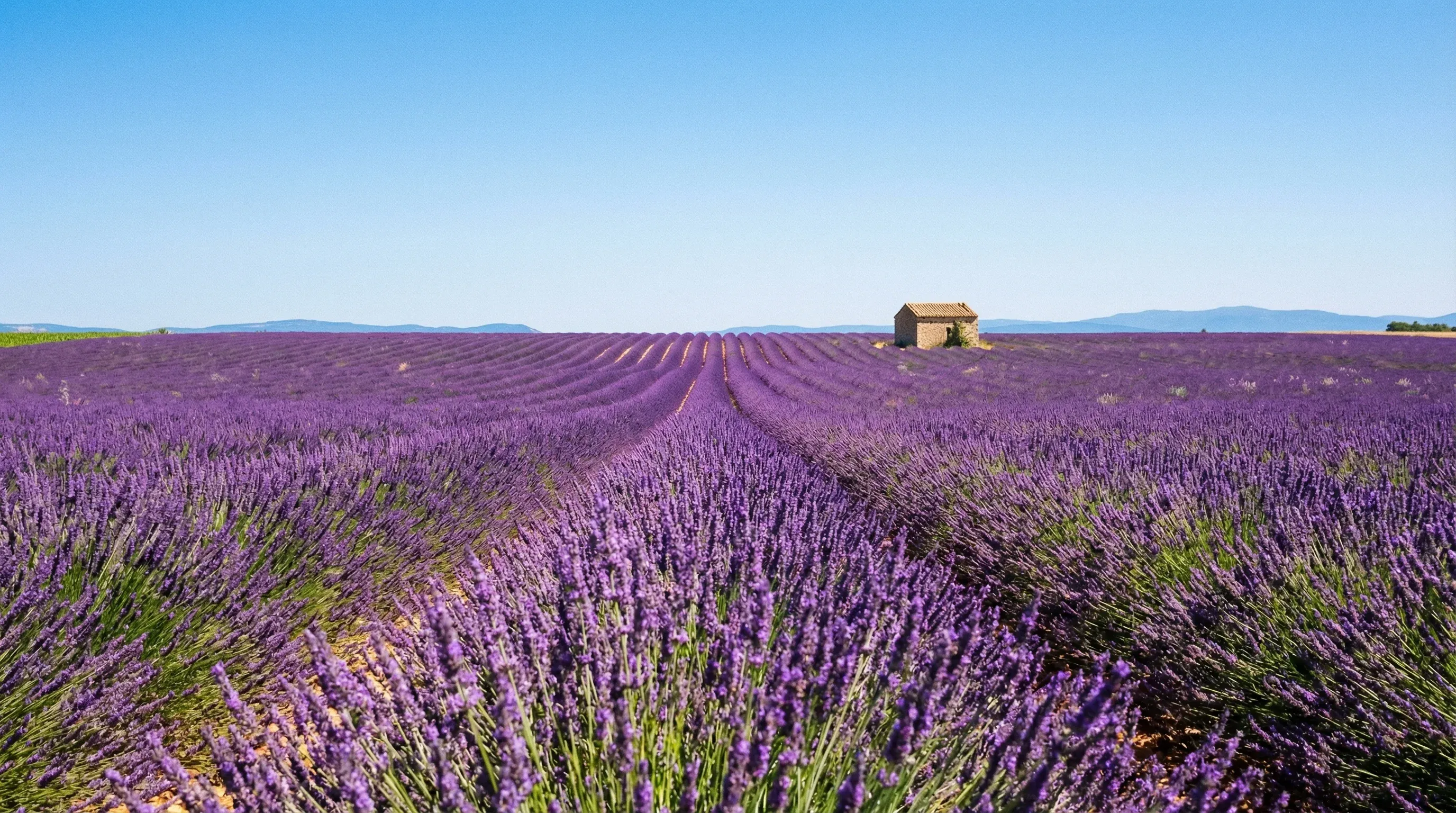
Lavender fields, Roman ruins, and the glittering blue sea ☀️🌿
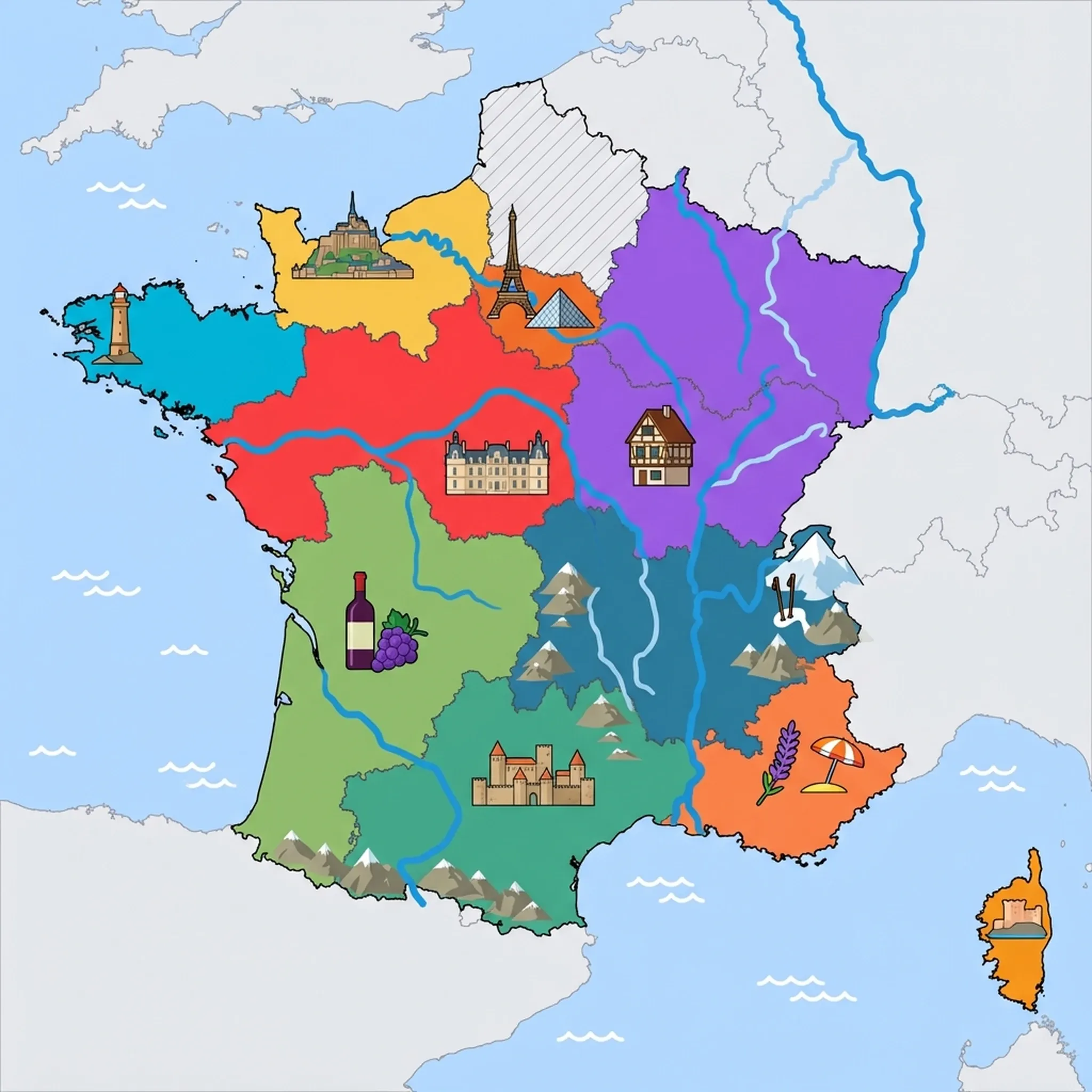
Click a region to explore
Provence and the Côte d'Azur (French Riviera) represent the glamorous, sun-drenched side of France. This region in the southeast stretches from the lavender fields of the Luberon to the glittering yacht-filled harbors of Nice and Cannes. The light here has captivated painters like Van Gogh and Cézanne for centuries, and the landscape is a vivid palette of purple lavender, silvery olive trees, and azure sea. For families, it offers a dual experience: the bustling, exciting coast with its water parks and beaches, and the quieter, slower inland villages where kids can run in town squares while parents sip rosé.
The climate is Mediterranean—hot, dry summers and mild winters. The "Mistral" wind can sometimes blow fiercely down the Rhône valley, clearing the sky. While the coast can be crowded and pricey, it offers incredible infrastructure. Inland Provence is all about markets, Roman history, and nature. It is a sensory destination: the sound of cicadas, the smell of pine and thyme, and the taste of fresh fruit are constant companions.
Key Attractions
History comes alive at the Arènes d'Arles, a Roman amphitheater that still hosts events today. Nature-loving families should not miss the Calanques National Park near Marseille, where limestone cliffs plunge into turquoise water—accessible by boat or hike. For a car-free island adventure, take a ferry to Île de Porquerolles, where you can rent bikes and find Caribbean-style beaches.
Inland, the Gorges du Verdon Loop offers Europe's answer to the Grand Canyon, perfect for pedalo rentals on the Lac de Sainte-Croix. The hilltop village of Eze Village offers stunning views and a tropical garden at the top (Jardin Exotique d'Èze). For winter visitors, the Southern Alps resorts like Isola 2000 offer skiing with a Mediterranean influence.
Practical Advice
Avoid driving along the coast road in July/August; traffic is gridlocked. Use the train. Beaches in Nice are pebbly; for sand, head to Juan-les-Pins or Antibes. Hydration is key in summer.
Food & Drink
Typical meal times: Lunch 12:00 pm - 2:30 pm. Dinner 7:30 pm - 10:00 pm (later in summer).
Typical meal costs: High on the coast, mid-range inland. Family meal €100–180 (approx. $110–195 USD / £85–155 GBP).
Dietary requirements: Mediterranean diet is healthy and veggie-friendly (ratatouille, salads). Olive oil replaces butter here.
Signature dishes:
- Bouillabaisse – The iconic fish stew of Marseille. Expensive if done authentically.
- Socca – A chickpea flour pancake from Nice, naturally gluten-free and cheap street food.
- Ratatouille – Stewed vegetables (eggplant, zucchini, peppers) with herbs of Provence.
Why this score?
The region offers good outdoor recreation, notably the Verdon Gorge and the Calanques National Park, which provide stunning hiking and kayaking. However, the presence of high-end resorts and excellent roads means the 'ruggedness' is tempered by luxury.
Why this score?
Marseille and Nice host some of France's largest and most advanced medical centers. The region's long history as a destination for international elite and retirees has fostered a healthcare system that is highly accustomed to foreign patients.
Why this score?
This is a top-tier international destination, encompassing the glamorous French Riviera and the iconic lavender fields of Provence. Cities like Nice and Cannes are globally synonymous with luxury travel, attracting a diverse international crowd year-round.

The Riviera is "luxury" level; a cocktail can cost €25. However, inland Provence and camping options lower the average. Expect family hotels to range widely from €120 to €300+ (approx. $130–325 USD / £105–260 GBP). Markets offer affordable, high-quality picnic food.
Family Travel Notice
Minors traveling alone or with only one parent may need specific written authorization and documentation to exit or enter the country, according to local regulations.

Getting Here & Around
Getting Here
- Airports – Nice Côte d'Azur (NCE) is the second busiest in France. Marseille Provence (MRS) serves the west.
- Train – TGV reaches Avignon, Aix, and Marseille from Paris in approx. 3 hours.
- Driving – The A7 and A8 motorways are the main arteries but suffer heavy summer traffic.
Getting Around
- Train – The coastal TER line connects all Riviera towns (Cannes, Nice, Monaco) cheaply and beautifully.
- Car – Essential for inland Provence and lavender fields.
- Bus – "Zou!" buses offer very cheap travel (often €3) between regional towns.
Nearby Airports (3 airports)
Marseille Provence Airport
MRSMarseille
Cote D Azur Airport
NCENice
Hyeres
TLNToulon
View full flight map for France →
Official Links

Packing List
Many beaches (Nice included) are pebbly and painful to walk on barefoot.
Mosquitoes can be aggressive in the warm evenings, especially inland.
Ferry crossings to islands or Calanques boat tours can be choppy.
Essential for cooling kids down during sightseeing in the intense summer heat.
Loose swim shorts are banned in most public pools for hygiene; men/boys must wear tight trunks.
Rarely provided in French hotels; pack your own if you are used to washing with them.
Supermarkets do not provide free bags and often charge for sturdy ones; keep a tote handy.
Strictly required to prove age for free/discounted entry at museums and on transport.

Activities & Best Times

Urban tourism, museums, historical sites, architecture
A globally premier destination for art and history, featuring Roman ruins and renowned museums in cities like Avignon and Nice. Late spring and early autumn provide the best atmosphere for urban exploration, while August is often considered a shoulder month due to extreme heat and mass-market crowding.

Hiking, wildlife, outdoor exploration, ecotourism
Boasts diverse landscapes including the Verdon Gorge and the Camargue wetlands for unique wildlife viewing. Transition seasons are peak for exploration due to comfortable temperatures, whereas summer can be excessively hot and crowded for active nature immersion.

Sport tourism, fitness activities, active recreation
Excellent infrastructure for canyoning in the Verdon and hiking the Calanques attracts active international travelers. Ideal conditions are found when weather is stable and water levels in canyons are safe, typically in late spring and early autumn.

Beach resorts, marine activities: diving, snorkelling, kite surfing, wind surfing, sailing
The French Riviera provides iconic coastal experiences and world-class beach clubs in destinations like Saint-Tropez and Nice. Optimal conditions occur in summer when sea temperatures are warm, while winter months are unsuitable for swimming or marine activities.

Events, celebrations, seasonal attractions
Hosts globally significant events such as the Cannes Film Festival and Nice Carnival. Visitation peaks around these specific dates, with shoulder periods offering smaller local harvests and traditional village festivities.

Spa retreats, wellness centers, peaceful getaways
Historically significant thermal towns like Gréoux-les-Bains offer sophisticated wellness retreats in a traditional setting. Peak months align with pleasant weather for outdoor relaxation, while winter months see reduced facility operations.

Scenic drives, countryside tours, route-based travel
The region features legendary driving roads like the Route Napoléon and the scenic Corniche d'Or. Driving is most enjoyable during periods of high visibility and moderate traffic in spring and early autumn.

Winter sports, ski resorts, snow activities
Southern Alps resorts like Serre Chevalier offer high-altitude skiing with high sunshine hours. The season is strictly limited to winter and early spring, with no snow coverage available during the rest of the year.
Amusement parks, family entertainment venues
Offers high-quality regional parks like Parc Spirou and water parks that are popular with international families. Peak visitation coincides with summer school holidays, with most facilities closing during the winter off-season.

Learning experiences, scientific sites, historical education
The Oceanographic Museum of Monaco is a world-class scientific institution that draws significant international interest. While excellent for families, it is typically a single-day excursion within a broader cultural trip rather than a primary motivator.

Attractions (48 total)



Public Holidays & Calendar Next 12 months
Public holidays, festivals, cultural celebrations, and seasonal natural phenomena coming up in Provence & Côte d'Azur over the next 12 months.
Loading holidays and events...

Travel Advisory
The majority of international agencies advise travelers to exercise increased caution. This assessment is primarily driven by a persistent and high threat of terrorism, as well as frequent civil unrest and strikes that can impact travel logistics.
Safety Topics
Traveller Advice (3 groups)

Minors traveling alone or with only one parent may need specific written authorization and documentation to exit or enter the country, according to local regulations.

Exercise caution when walking alone after dark and be vigilant in nightlife venues. There have been reports of drink spiking and the use of sedative drugs in bars and clubs.

Ensure you carry valid photo identification at all times, as this is a legal requirement. Monitor local media for updates on strikes or protests that may affect public transportation or access to major sites.
Agency Summaries
Safety concerns are more significant than typically found in New Zealand. Key risks include the highest level of terrorism alerts, frequent civil unrest, and common petty theft in tourist areas.
Travelers should maintain a high level of vigilance due to a consistent threat of terrorist activity. The national security alert system is currently at an elevated level. Petty crime and residential break-ins are also reported frequently.
Visitors should be aware that terrorist attacks are considered very likely. Significant travel disruption may arise from frequent industrial actions and protests across the country.
Increased awareness is recommended because of potential terrorism and civil disturbances. Public demonstrations and industrial strikes occur regularly and can disrupt transportation services.
Vigilance is advised regarding personal security and potential terror threats. Travelers must carry valid photographic identification at all times and follow instructions from local law enforcement.
Exercise heightened caution due to the risk of terrorism. Be mindful of serious street crimes, including violent theft and assault, especially in major urban centers during peak travel seasons.
Information is provided for general guidance only and does not constitute travel, safety, medical, or legal advice. Conditions may change. Users are responsible for independently verifying information before travel.