
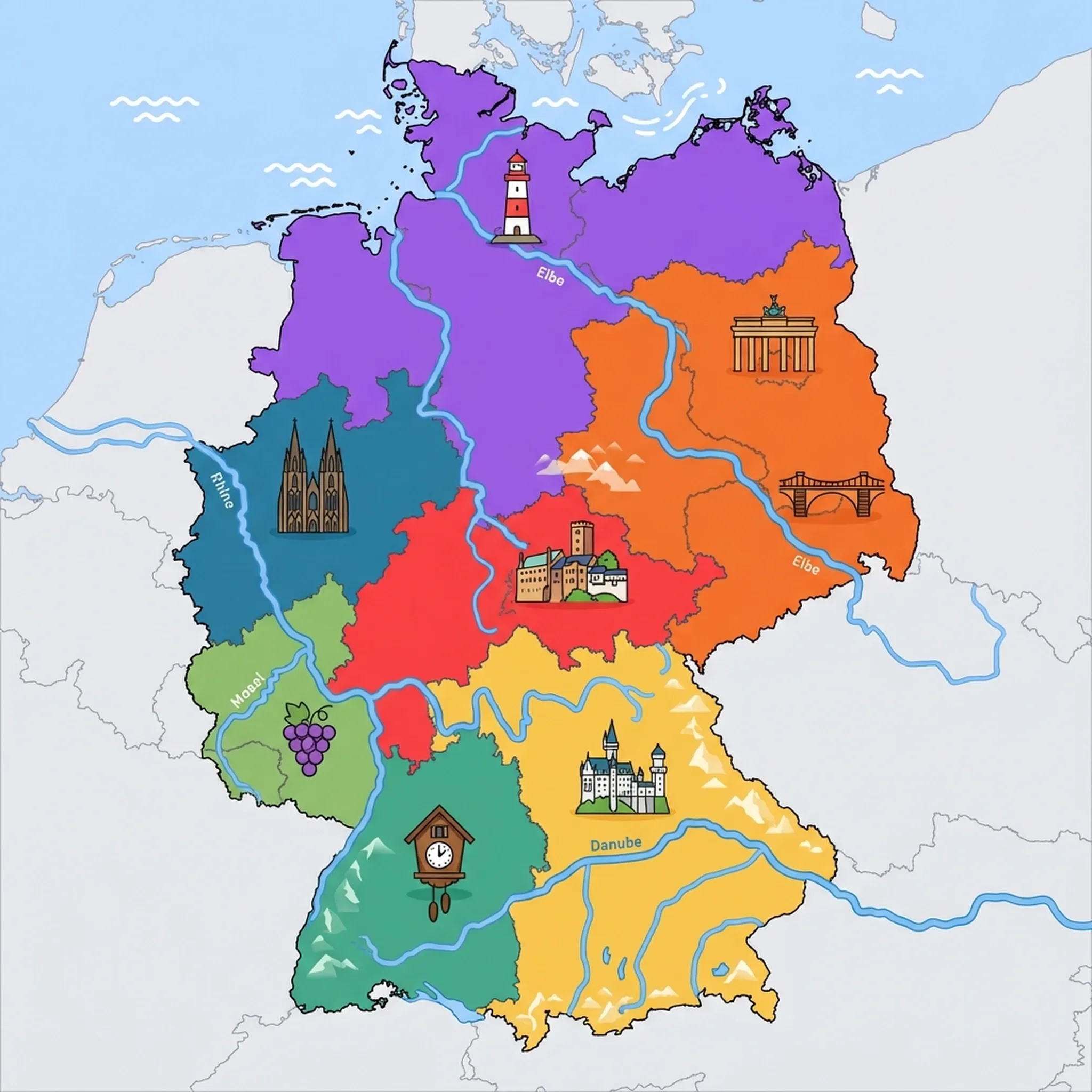
Click a region to explore
Overview
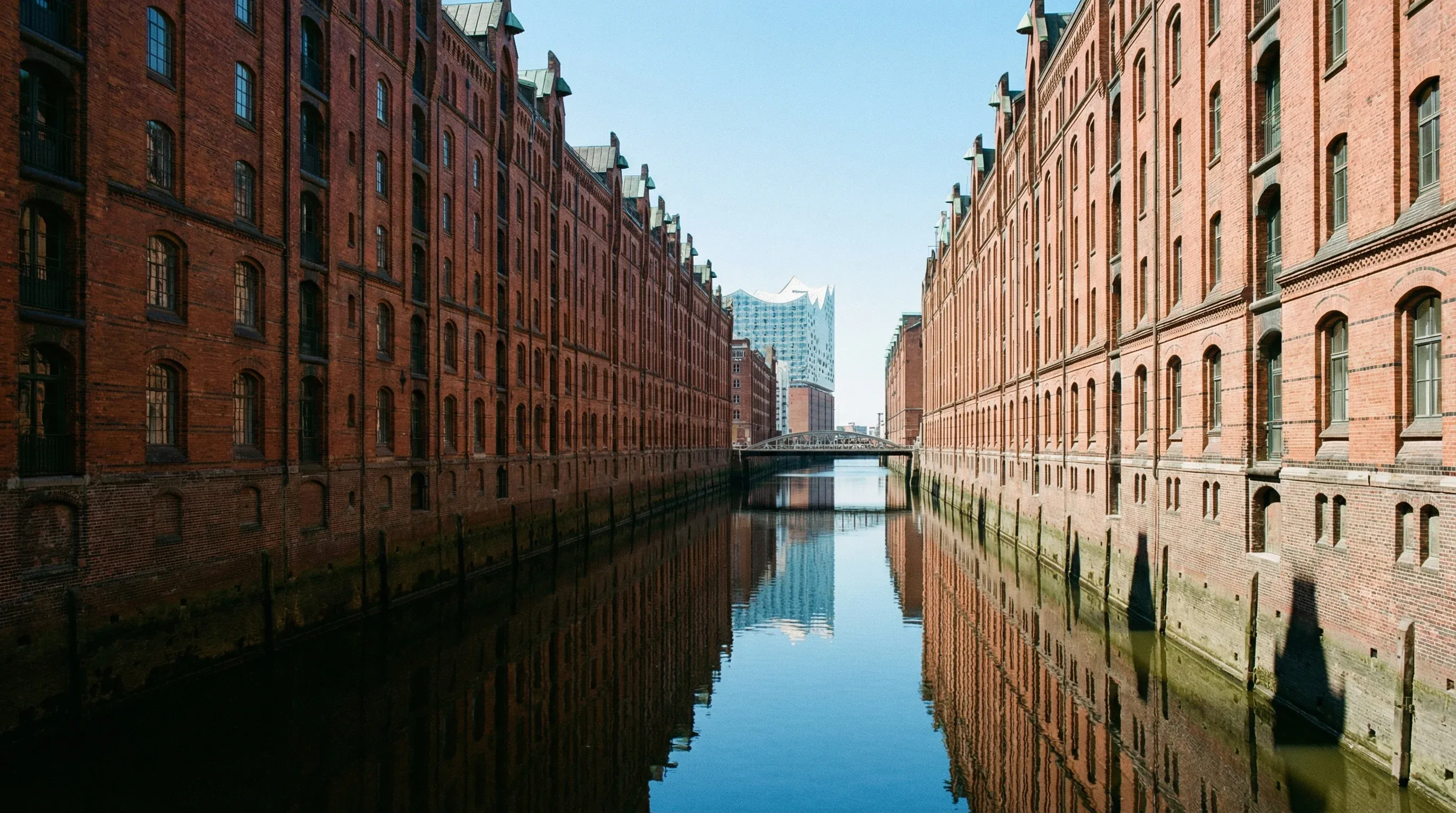
Northern Germany offers a completely different vibe from the rest of the country. Here, the greeting is 'Moin!', the air tastes of salt, and the horizon stretches endlessly over flat marshes and choppy seas. For families, this is a destination of freedom and fresh air. Hamburg, the gateway to the world, is a cosmopolitan city where massive container ships glide right past the city center. It is vibrant, wealthy, and packed with attractions like the Miniatur Wunderland (the world's largest model railway) and the architectural marvel of the Elbphilharmonie.
Beyond the city, the coast splits into two distinct personalities. The North Sea is wild and governed by the tides; the Wadden Sea (Wattenmeer) allows you to walk on the ocean floor at low tide, hunting for lugworms and crabs—a messy, educational delight for kids. The Baltic Sea (Ostsee) to the east is gentler, with calm waters and white sandy beaches like Binz Beach on Rügen Island, perfect for sandcastles and swimming. The region is also home to the Hanseatic city of Lübeck, famous for its marzipan and medieval brick architecture. It is a region that feels healthy, active, and deeply connected to the water.
Key Attractions
In Hamburg, the Elbphilharmonie has a public viewing plaza that offers fantastic harbor views for free. Just south of Hamburg lies the Heide Park Resort, Northern Germany's biggest theme park, featuring massive wooden coasters and Peppa Pig land for toddlers. On the Baltic coast, Hansa-Park offers the unique experience of a theme park right on the beach—you can see the sea from the rollercoasters.
Nature lovers must visit the Jasmund National Park on Rügen to see the iconic white chalk cliffs that tower over the turquoise sea. For a fun rural experience, Karls Erlebnis-Dorf Rövershagen near Rostock is a chaotic but wonderful mix of farm shop, indoor playground, and strawberry theme park that is mostly free to enter. In Bremen, the Bremen Roland and Town Hall recall the story of the Town Musicians, a fairytale favorite.
Practical Advice
The weather in the north is unpredictable ('Schietwetter'). It can be sunny one minute and pouring the next. Windproof clothing is non-negotiable. Summer days are very long, with light until 10:30 pm, maximizing play time.
Food & Drink
Typical meal times: Lunch 12:00 pm–2:00 pm. Dinner 6:00 pm–9:00 pm. Fish stalls at harbors open early and close when sold out.
Typical meal costs: Hamburg is pricey, similar to Munich. A family dinner costs €70–110 (approx. $75–120 USD / £60–95 GBP). Fish sandwiches are a cheap lunch option (€5–8).
Dietary requirements: Seafood is king, but vegetarian options are standard in cities. Vegan travellers will love Hamburg's trendy districts (Sternschanze).
Signature dishes:
- Fischbrötchen – A crusty bread roll filled with fresh fish (pickled herring, nordic shrimp, or fried fish), onions, and remoulade. The ultimate fast food of the north.
- Labskaus – A sailor's dish of corned beef, mashed potatoes, and beetroot, served with a fried egg and pickled herring. Looks strange (bright pink mush) but tastes like comfort food.
- Rote Grütze – A dessert made from red summer berries (currants, raspberries, cherries) cooked into a compote and served with vanilla sauce or milk.
Why this score?
Adventure here is centered on the unique coastal environment, specifically mudflat hiking (Wattwandern), which offers a unique but low-intensity physical challenge. The terrain is exceptionally flat, making it ideal for long-distance family cycling, but lacking the ruggedness of mountain regions. Most outdoor activities are highly organized and occur within a safe, well-monitored maritime environment.
Why this score?
Hamburg is home to the University Medical Center Hamburg-Eppendorf (UKE), a leading facility for research and patient care that frequently treats international patients. Coastal resort towns are well-equipped with seasonal clinics and rescue services to handle the influx of tourists. Emergency access and English proficiency among medical staff are excellent throughout the northern urban centers.
Why this score?
Hamburg is a major European maritime hub and city-break destination, featuring world-class attractions like Miniatur Wunderland. The North and Baltic Sea coasts are immensely popular with domestic and neighboring European tourists, though they have less global recognition than the Bavarian Alps. The region's unique maritime culture and UNESCO Wadden Sea attract a steady flow of international enthusiasts.

Hamburg and the popular islands (Sylt, Rügen) are among Germany's most expensive destinations. A hotel in Hamburg averages €140–200 (approx. $150–215 USD / £120–170 GBP). However, beach holidays on the mainland coast can be more affordable. Strandkorb (wicker beach chair) rental is an extra daily cost of around €10–15 (approx. $11–16 USD / £8–12 GBP).

Getting Here & Around
Getting Here
- Airports – Hamburg Airport (HAM) is centrally located. Bremen (BRE) is a smaller alternative.
- Train – Hamburg Hauptbahnhof is the busiest station in Germany. Frequent trains run to Berlin (1 hr 45 min) and Copenhagen.
- Ferry – Ferries connect the coastal towns to the islands (Sylt, Amrum, Föhr). The Sylt Shuttle puts your car on a train to cross the causeway.
Getting Around
- Public Transport – Hamburg's HVV network includes harbor ferries which you can ride with a standard day ticket—a cheap harbor cruise!
- Car – Essential for reaching remote beaches and navigating the islands. Traffic around the Elbe Tunnel in Hamburg is notoriously bad; check apps before driving.
- Bicycle – The land is pancake-flat, making it ideal for family cycling tours along the dikes. Wind is the only 'hill' you will face.
Nearby Airports (6 airports)
Bremen
BREBremen
Westerland Sylt
GWTWesterland
Hannover Airport
HAJHanover
Hamburg Airport
HAMHamburg
Heringsdorf Airport
HDFHeringsdorf
Rostock-Laage Airport
RLGLaage
View full flight map for Germany →
Official Links

Packing List
The 'Nordic breeze' cuts through wool; you need a windproof shell even in summer.
For walking on the mudflats (Wattwanderung); sharp shells and mud can ruin good shoes.
Consistent coastal winds make this one of the best places in Europe for kite flying.
Essential for beach days; buying them at tourist shops on the promenade is expensive.
Public toilets (Sanifair) and supermarket trolleys often require €0.50, €1, or €2 coins.
Supermarkets and shops charge for plastic bags; locals always carry their own totes.
Ticks are common in German forests (Black Forest, Bavaria) and can carry Lyme disease.
Standard gear for German kids; essential for damp playgrounds and forest walks.
Many small bakeries, ice cream shops, and rural 'Gasthaus' restaurants still do not accept cards.

Activities & Best Times

Urban tourism, museums, historical sites, architecture
Hamburg's UNESCO-listed Speicherstadt, historic Lübeck, and Schwerin Castle offer world-class cultural heritage and architectural significance. The city experience is peak during summer's outdoor festivals and December's internationally famous Christmas market season.

Hiking, wildlife, outdoor exploration, ecotourism
Features the UNESCO-listed Wadden Sea and the dramatic chalk cliffs of Rügen, providing high-quality wildlife observation and coastal exploration. The region excels in late spring to early autumn when nature is most accessible for hiking and boat tours.
Amusement parks, family entertainment venues
Home to major international-standard parks like Heide Park Resort and Serengeti-Park, which attract visitors from across Europe. These venues are primarily seasonal, with peak visitor numbers aligning with summer school holidays and milder weather.

Sport tourism, fitness activities, active recreation
The region provides specific infrastructure for organized activity, including adventure climbing parks and coastal outdoor centers. Conditions are optimal during the mid-summer period when the weather is most stable for high-intensity outdoor recreation.
Beach resorts, marine activities: diving, snorkelling, kite surfing, wind surfing, sailing
Cold-water North Sea and Baltic beaches with tidal conditions are not internationally competitive beach destinations. By global standards (Mediterranean, Caribbean, Southeast Asia), these are marginal at best, serving primarily domestic tourism.

Learning experiences, scientific sites, historical education
OZEANEUM Stralsund and Klimahaus are quality facilities but don't elevate the region to 'good' for educational tourism by international standards. Downgrade to marginal.
Attractions (41 total)



Public Holidays & Calendar Next 12 months
Public holidays, festivals, cultural celebrations, and seasonal natural phenomena coming up in Hamburg & North Coast over the next 12 months.
Loading holidays and events...

Travel Advisory
While several agencies recommend standard precautions, others have elevated their status to a caution level due to consistent terrorism risks and temporary border controls. A tie between levels resulted in the more cautious assessment.
Safety Topics
Traveller Advice (4 groups)

Germany is considered one of the safer destinations globally for LGBTQIA+ visitors, frequently appearing in top-tier safety indices for this demographic.

Visitors should always carry a form of government-issued photo identification and be prepared for potential delays at land borders due to temporary security checks.
Consult dedicated accessibility resources for major cities as infrastructure varies, particularly in historic areas or older public transport segments.

Individuals participating in winter sports in mountainous regions should monitor avalanche reports closely and ensure their travel insurance specifically covers high-risk mountain activities.
Agency Summaries
An increased level of caution is advised due to security concerns related to terrorism. Visitors should expect a visible security presence in major cities.
Travellers should remain highly vigilant due to a persistent threat of terrorist attacks throughout the country, targeting public spaces and transportation hubs.
General travel is considered safe, though visitors are advised to maintain standard safety awareness and be alert to the possibility of terrorism in public areas.
Standard safety measures are recommended. Travellers should be aware of temporary border controls and ensure they carry valid identification at all times.
No travel restrictions are in place, though there is an ongoing likelihood of terrorist activity. Security measures and entry requirements have been updated recently.
Heightened vigilance is recommended because of the threat posed by terrorist organizations and individuals who may target tourist locations and major events without warning.
Information is provided for general guidance only and does not constitute travel, safety, medical, or legal advice. Conditions may change. Users are responsible for independently verifying information before travel.