
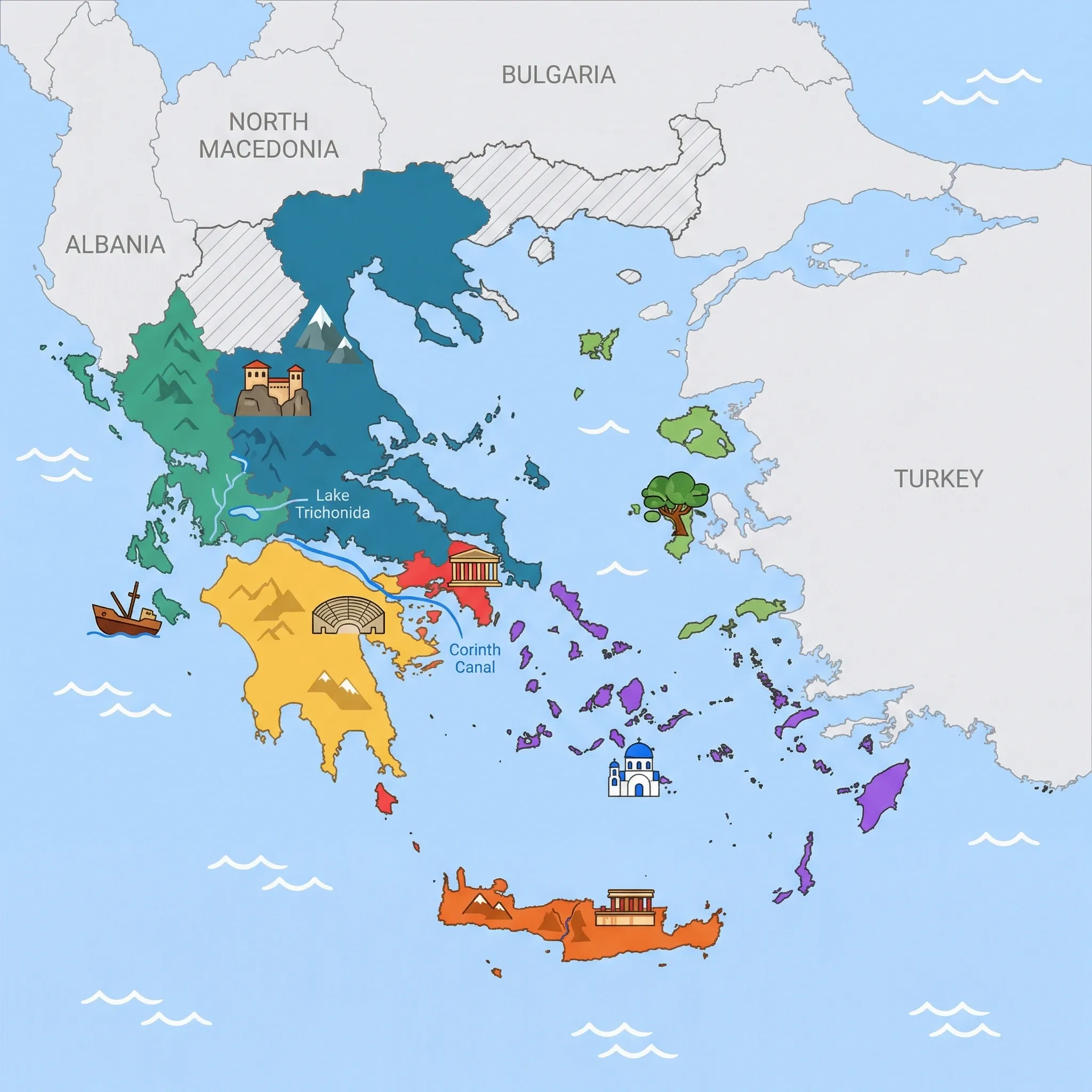
Click a region to explore
Athens and the surrounding Attica region offer a unique proposition for families: a world-class city break combined with a genuine beach holiday. The region is dominated by the sprawling capital, a city that buzzes with energy, yet is surprisingly welcoming to children. Greeks adore kids, and you will find that even in the busiest city squares, locals will go out of their way to help a family with a stroller. The climate is Mediterranean, meaning long, hot summers and mild winters, though the summer heat in the city center can be intense. This is why the geography of Attica is its secret weapon; within 30 minutes of the city center, you can be on the Athens Riviera, enjoying sea breezes and organized beaches that rival the islands.
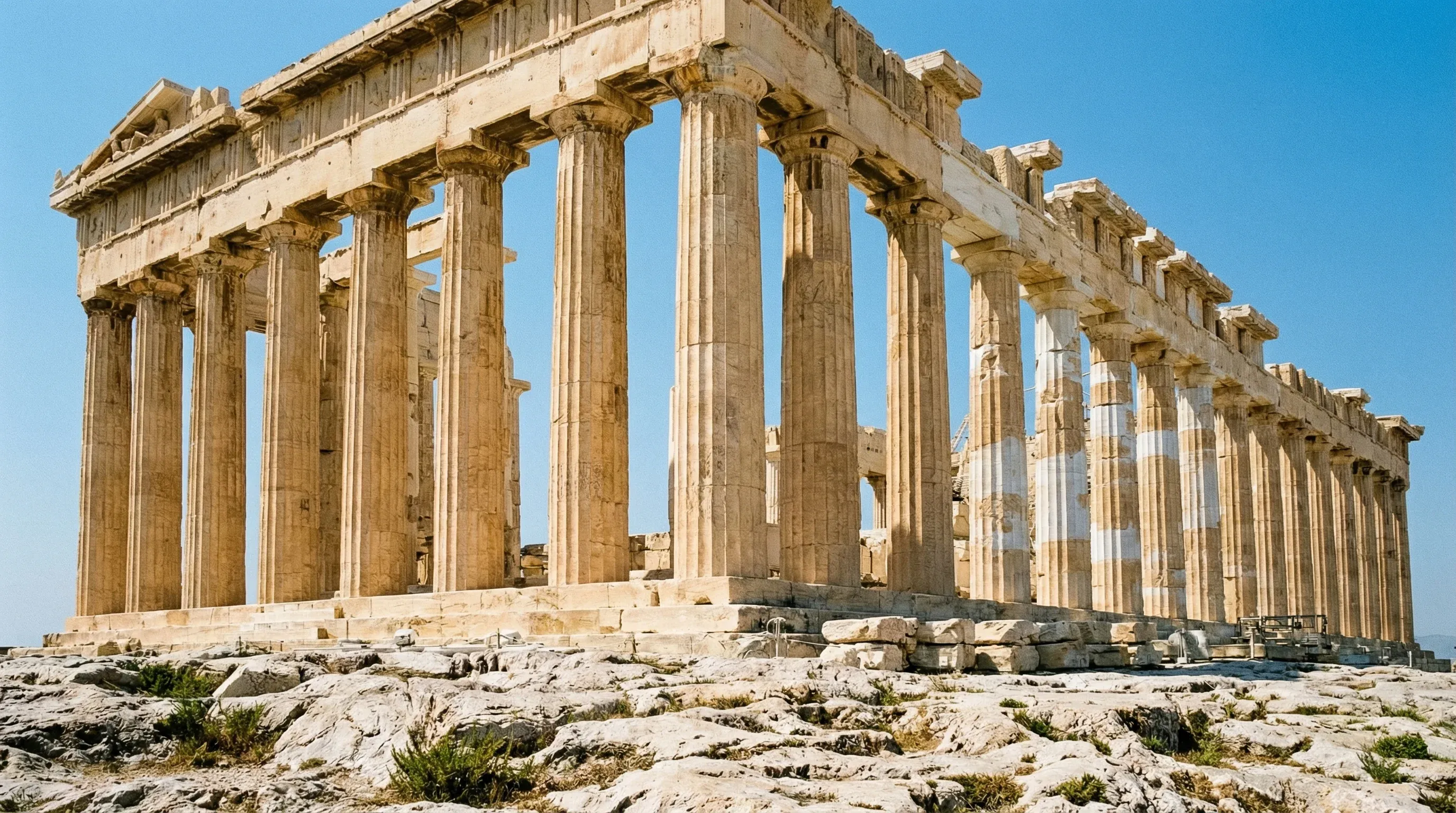
For families, the appeal lies in the mix of education and recreation. You can spend the morning climbing the sacred rock of the Acropolis, tracing the footsteps of Socrates and Pericles, and the afternoon swimming in the thermal waters of Lake Vouliagmeni or playing on the sands of Glyfada. The city is dense with history, but modern Athens also offers pedestrianized streets, high-tech museums, and green spaces. It is a sensory overload in the best possible way—the scent of bitter orange trees, the sound of street musicians, and the taste of sweet loukoumades will create lasting memories for young travelers.
Key Attractions
No trip to Athens is complete without ascending the Acropolis of Athens. For kids, this isn't just a pile of rocks; it's where the gods battled for the city. Go early in the morning to beat the heat and crowds. Just below it lies the Benaki Museum of Greek Culture, which houses fascinating costumes and artifacts that are accessible enough to keep younger minds engaged. For a change of pace, the National Garden is a crucial refuge in the city center; it features a small zoo, duck ponds, and playgrounds, offering a perfect 'decompression zone' after a museum visit.
Further afield, the Attica Zoological Park is a hit with animal lovers, housing one of the largest collections of birds in the world alongside dolphins and big cats. If you have aspiring scientists in the family, the Eugenides Foundation Planetarium offers one of the largest and most advanced digital domes in Europe. Finally, a sunset trip to Cape Sounion to see the Temple of Poseidon is magical; it sits perched on a cliff edge plunging into the Aegean, a perfect spot for children to let their imaginations run wild about sea gods and ancient sailors.
Practical Advice
The best time to visit is spring (April–May) or autumn (September–October) when the weather is warm but not scorching. If you visit in July or August, plan sightseeing for the early morning and spend afternoons at the beach or indoors. Strollers can be challenging on the uneven pavement of Plaka and the marble steps of ancient sites; a carrier is recommended for babies.
Food & Drink
Typical meal times: Lunch is late, typically 1:30 pm to 3:30 pm. Dinner is rarely served before 8:30 pm, and seeing children dining at 10:00 pm is standard.
Typical meal costs: A family meal costs around €50–80 (approx. $55–85 USD / £40–70 GBP) in a neighborhood taverna, though prices are higher in Plaka.
Dietary requirements: Excellent. Vegetarian options are staples of Greek cuisine (ladera dishes). Gluten-free is becoming common in supermarkets and modern restaurants.
Signature dishes:
- Souvlaki – Grilled meat skewers wrapped in pita bread with tzatziki, tomato, and onion. The ultimate kid-friendly fast food.
- Koulouri – A sesame-crusted bread ring sold by street vendors, perfect for a cheap, healthy snack on the go.
- Gemista – Tomatoes and peppers stuffed with rice and herbs (and sometimes minced meat), oven-baked until soft and sweet.
Why this score?
The region is highly urbanized and developed, with tourism centered on historical sites, museums, and organized coastal resorts. While Mount Parnitha offers some hiking, the vast majority of visitors experience a low-ruggedness, infrastructure-heavy environment.
Why this score?
Athens serves as Greece's medical hub, featuring world-class private hospitals like Hygeia and large public facilities with high concentrations of English-speaking specialists. It offers the most reliable emergency and specialized care in the country, comparable to other major Western European capitals.
Why this score?
As the primary international gateway and home to the iconic Acropolis, Athens is a top-tier global destination receiving several million foreign visitors annually. The region's appeal is bolstered by the high-density infrastructure of the Athens Riviera and significant cruise ship traffic through Piraeus.

Athens is generally affordable compared to other European capitals. A mid-range family hotel room costs €100–180 (approx. $110–195 USD / £85–155 GBP) per night. Street food is a bargain, with pita gyros costing €3.50–4.50 (approx. $3.80–4.90 USD / £3–4 GBP). Entry fees to major sites like the Acropolis are significant but free for EU citizens under 25 and non-EU children under 5.

Getting Here & Around
Getting Here
- Airports – Athens International Airport (ATH) is the country's main hub, located about 35 minutes by train or 45 minutes by taxi from the city center.
- Ferry – The port of Piraeus is the gateway to the islands, reachable by metro from central Athens.
- Driving – Athens is connected to the Peloponnese and Northern Greece via the National Road network, though driving in the city center is not recommended for tourists.
Getting Around
- Public Transport – The Metro is clean, safe, and efficient, connecting major sites like the Acropolis of Athens and the port. Children under 6 travel free; half-price tickets available for those under 18.
- Walking – The historic center (Plaka, Monastiraki) is largely pedestrianized and best explored on foot.
- Tram – A scenic tram line connects the city center (Syntagma) to the coastal suburbs and beaches.
Nearby Airports (2 airports)
Athens International Airport
ATHAthens
Kithira
KITKithira
View full flight map for Greece →

Packing List
City pavements and marble steps at ancient sites are notoriously slippery, even when dry.
The urban heat island effect makes the city center significantly hotter than the coast.
Athens is a loud city; useful for children sensitive to traffic noise or metro announcements.
Essential for securing free or reduced entry to museums and archaeological sites.
Essential for pebble beaches and protecting feet from sea urchins, which are common in rocky coves.
Plug-in liquid mats are standard in Greek homes; bringing your own ensures bite-free nights as screens aren't universal.
Many archaeological sites and island villages have stairs and cobblestones that make strollers impractical.
The Greek sun is intense, and UV levels remain high even on windy days; essential for kids in the water.
The 'Meltemi' wind in July/August can make island evenings surprisingly cool and breezy.

Activities & Best Times

Urban tourism, museums, historical sites, architecture
A global cultural cornerstone featuring iconic UNESCO sites like the Acropolis alongside vibrant modern parks and districts. Best experienced in spring and autumn to ensure comfortable walking conditions for site exploration.

Hiking, wildlife, outdoor exploration, ecotourism
Extensive hiking networks on Mounts Parnitha and Hymettus alongside top-tier zoological parks provide excellent nature immersion. Peak seasons avoid the extreme heat and fire risks of mid-summer and the winter rains.

Beach resorts, marine activities: diving, snorkelling, kite surfing, wind surfing, sailing
The Athens Riviera offers high-quality organized beaches and the unique thermal waters of Lake Vouliagmeni. While solid, it lacks the secluded island feel found elsewhere in Greece, with peak visitation during the hot summer months.

Learning experiences, scientific sites, historical education
Offers specialized institutions of global significance including the Planetarium and Goulandris Natural History Museum. These facilities provide excellent indoor learning opportunities that align with standard city tourism cycles.

Scenic drives, countryside tours, route-based travel
The scenic drive along the Athens Riviera to Cape Sounion is a well-maintained, iconic route for touring. Ideal conditions occur during months with clear visibility and golden light, avoiding winter grayer skies.

Sport tourism, fitness activities, active recreation
Infrastructure includes dedicated mountain trails and organized adventure centers such as Aquapolis and Malakasa. Timing is critical to avoid the extreme heat of July-August which limits high-intensity outdoor activity.

Events, celebrations, seasonal attractions
Strongly defined by the Athens Epidaurus Festival in summer and the Athens Authentic Marathon in November. Outside of these major international event windows, the regional festival scene is less prominent for global travelers.

Spa retreats, wellness centers, peaceful getaways
Centered on the historic Bathhouse of the Winds and the natural therapeutic properties of Lake Vouliagmeni. These experiences are most restorative during the cooler months when thermal bathing is most appealing.

Amusement parks, family entertainment venues
Features regional-scale entertainment like Allou! Fun Park and Adventure Park which serve family visitors well but lack the international scale of major European parks. Operations and peak appeal are concentrated in the drier, warmer months.

Attractions (20 total)



Public Holidays & Calendar Next 12 months
Public holidays, festivals, cultural celebrations, and seasonal natural phenomena coming up in Athens & Attica over the next 12 months.
Loading holidays and events...

Travel Advisory
Greece is assessed as a low-risk destination by all major agencies. Standard safety awareness is sufficient for most travelers, though one should stay informed of local strikes and seasonal natural hazards.
Safety Topics
Traveller Advice (5 groups)

Maintain awareness in crowded tourist areas and on public transport where pickpocketing is common. Carry a photocopy of your passport and be aware of new biometric entry systems (EES) when arriving from outside the Schengen area.

Greece is generally welcoming, especially in major cities and popular islands like Mykonos. However, more conservative attitudes may be encountered in rural or deeply religious areas.

Ensure you have the correct national visa for long-term study stays, as tourist exemptions do not apply for periods exceeding 90 days.

Female travelers should follow standard safety precautions as they would at home. While Greece is safe, avoid walking alone in poorly lit or isolated areas late at night.

Accessibility varies significantly; while major modern infrastructure in Athens is improving, many historic sites and older island villages have challenging terrain and limited facilities.
Agency Summaries
Greece is considered a safe destination for visitors, though standard vigilance is recommended. Travelers should be mindful of petty crime in busy urban areas and tourist hotspots. Seasonal environmental factors, such as summer wildfires and strong Aegean winds, may impact travel plans.
Safety levels in Greece are consistent with other major European destinations. Travelers should prepare for extreme weather variations, including summer heat and wildfires or winter snow, and stay informed about new biometric entry requirements for non-EU citizens.
While travel is generally safe, visitors should expect significant disruptions on specific dates, such as the late February anniversary of the Tempi train crash, which often triggers nationwide strikes and protests. High standards of personal security are advised in major cities.
Irish citizens are advised to take standard safety measures. Travelers should ensure they hold valid identification and appropriate insurance. For stays exceeding three months, local registration with Greek authorities is mandatory.
New Zealanders should maintain a standard level of security awareness. Frequent civil unrest and strikes in major cities like Athens and Thessaloniki can impact transportation. Natural hazards like wildfires and seismic activity are also present.
Greece is broadly safe for tourism. Visitors are encouraged to maintain awareness in crowded areas due to petty theft and to be prepared for occasional political demonstrations that can disrupt local services. New European entry protocols are being implemented.
Information is provided for general guidance only and does not constitute travel, safety, medical, or legal advice. Conditions may change. Users are responsible for independently verifying information before travel.