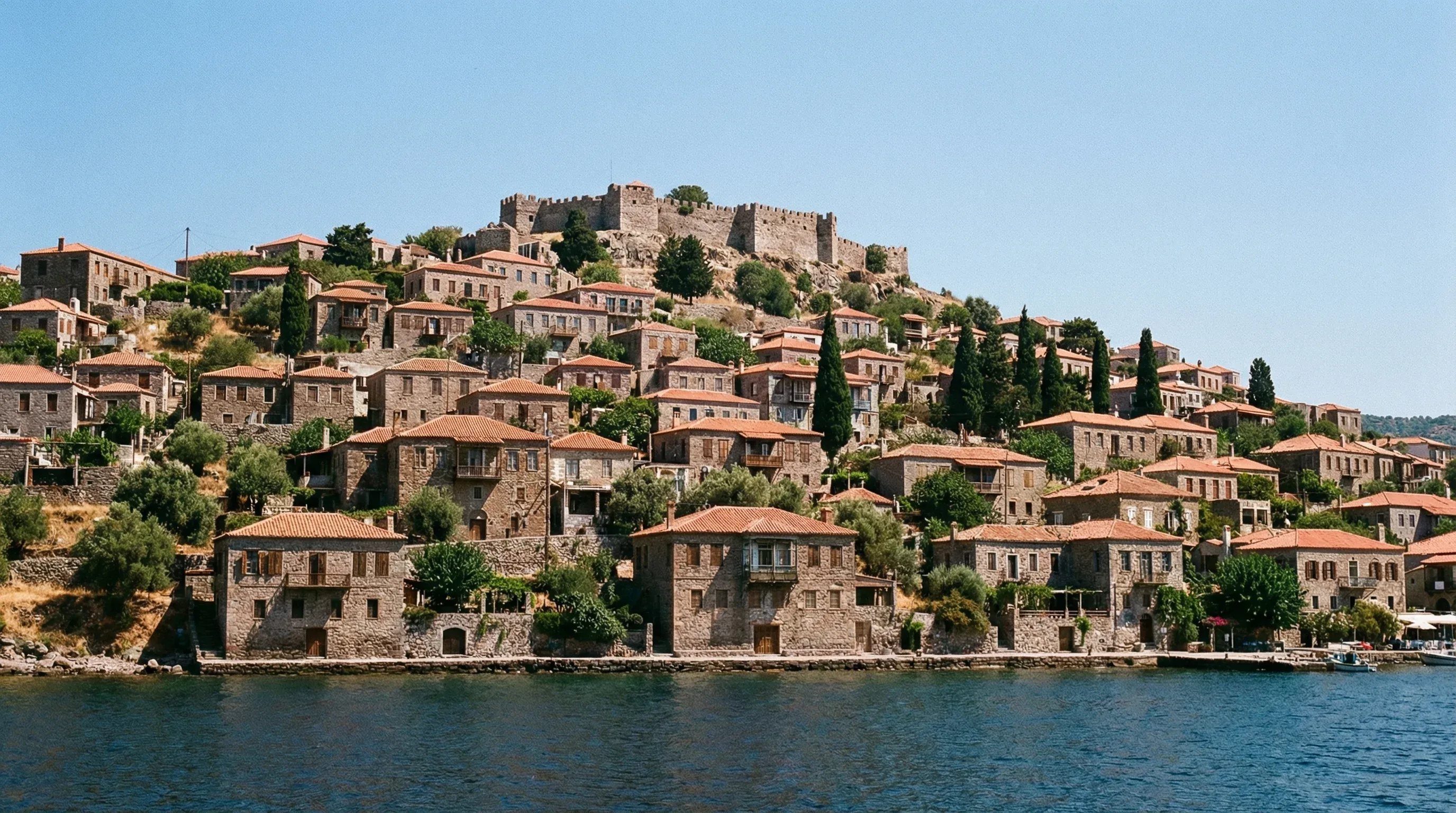

North Aegean (Lesbos, Samos, Chios)
Authentic island life, medieval villages, and natural wonders 🏺🌲
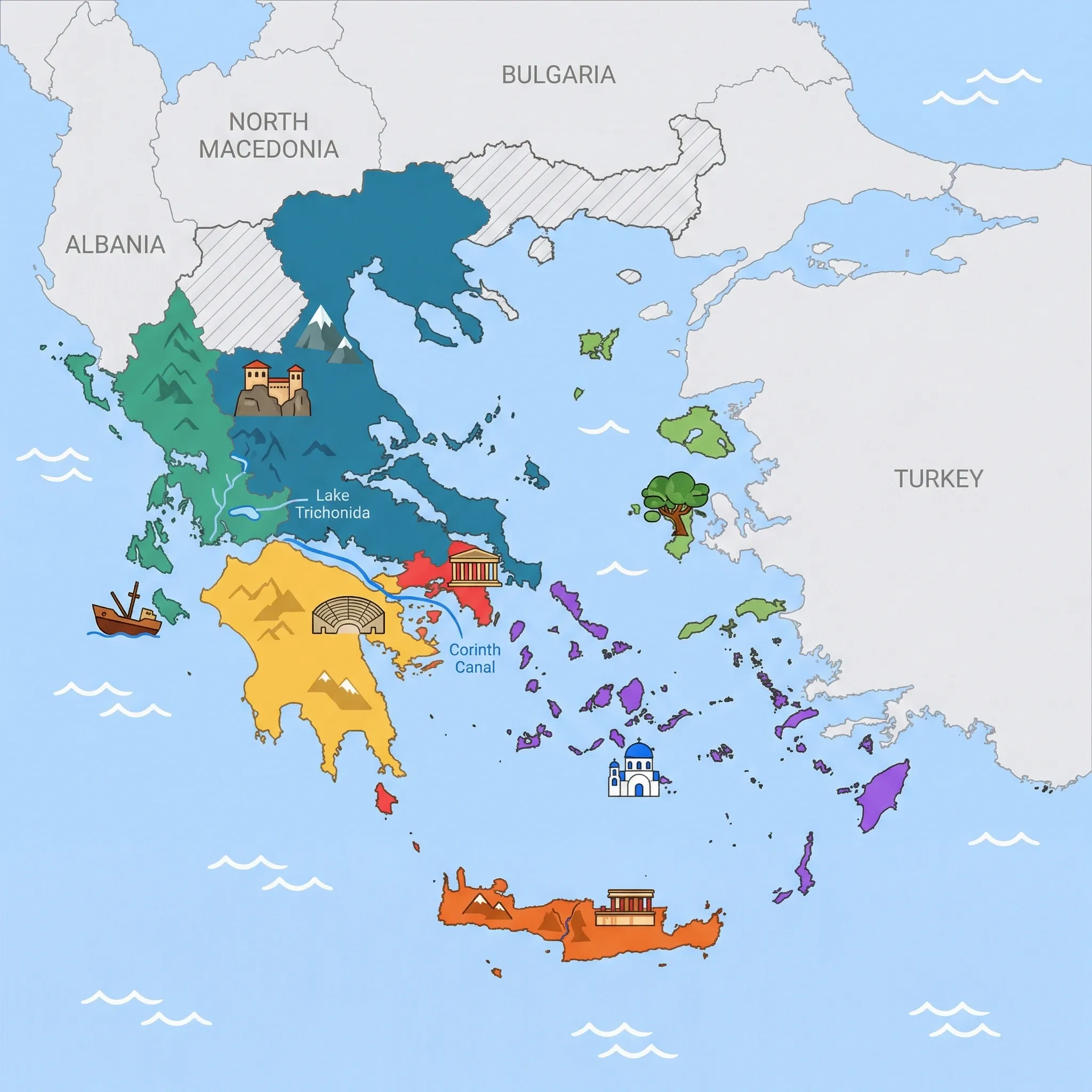
Click a region to explore
The North Aegean islands are the 'grown-up' Greek islands—large, complex, and relatively untouched by the package holiday industry. They are closer to Turkey than Athens, resulting in a rich cultural tapestry and diverse landscapes ranging from pine forests to volcanic rocks. For families, these islands offer a chance to show children a living, working Greece rather than a tourist backdrop. The pace of life is slower, the food is incredibly local, and the beaches are uncrowded even in August.
Lesbos (Mytilene) is a massive island with a UNESCO Geopark, salt marshes filled with flamingos, and castles that look like they belong in a fantasy novel. Chios is famous for its 'mastic' villages, medieval fortresses that produce the unique resin used in gum and cooking. Samos offers lush green mountains perfect for hiking and pebble beaches with crystal-clear water. These islands are perfect for families who enjoy exploration, road trips, and learning about nature and history without the glitz and high prices of Mykonos or Santorini.
Key Attractions
On Lesbos, the Petrified Forest of Lesvos is a geological wonder where children can see trees that turned to stone 20 million years ago. Combined with the Museum of Natural History of the Lesvos Petrified Forest, it's a brilliant science lesson. The Molyvos Castle crowns a stunning traditional village and offers exciting ramparts to explore.
On Chios, the The Chios Mastic Museum is a modern, interactive museum that explains the island's unique agriculture—kids love the outdoor section where they can touch the 'crying' trees. A walk through Pyrgi Village is visually striking; every house is decorated with 'xysta' (black and white geometric patterns), making the whole village look like a puzzle. In Samos, the Pythagoreio area is rich in ancient history, including the Tunnel of Eupalinos (an ancient aqueduct), which adventurous older kids can walk through.
Practical Advice
Travel between these islands is time-consuming; it is best to pick one island and explore it thoroughly. Renting a car is mandatory as public transport is geared towards locals, not tourists. The water temperature here can be slightly colder than the southern Aegean, but it is incredibly clean.
Food & Drink
Typical meal times: Traditional and late. Lunch 2:00 pm, Dinner 9:00 pm. Tavernas are family-run and very accommodating.
Typical meal costs: Budget-friendly. A feast for a family of four can cost €40–60 (approx. $43–65 USD / £34–50 GBP). You often get free fruit or dessert.
Dietary requirements: Good vegetarian options. These islands are agricultural hubs, so vegetables are fresh and abundant.
Signature dishes:
- Ladotyri Mytilinis – A hard sheep's milk cheese from Lesbos, preserved in olive oil. Strong but delicious.
- Mastelo – A soft, chewy cheese from Chios, traditionally grilled and served with lemon. Kids love its squeaky texture.
- Souma – A local spirit (fig or grape raki). While not for kids, it's a signature part of the hospitality parents will encounter.
Why this score?
The islands offer an off-the-beaten-path feel with volcanic landscapes, petrified forests, and medieval fortified villages that are less polished for tourists. The lack of mass-market development makes exploring these islands feel like a more authentic and physically engaging adventure.
Why this score?
Medical facilities on islands like Lesbos and Chios are functional but limited to basic care and stabilization. Foreign travelers may face language barriers, and any complex medical needs will almost certainly require an airlift to a larger urban center on the mainland.
Why this score?
This region sees far fewer international tourists compared to the southern islands, with a higher reliance on domestic visitors and niche travelers. While culturally rich, its distance from Athens and more limited flight options keep it from reaching the mass-market popularity of the Cyclades.

These are among the best-value destinations in Greece. Accommodation prices are significantly lower than the Cyclades. You can find excellent family apartments for €50–90 (approx. $55–98 USD / £42–76 GBP). Ferry tickets to get there are the main expense due to the distance from Athens.

Getting Here & Around
Getting Here
- Airports – Mytilene (MJT), Chios (JKH), and Samos (SMI) have domestic flights from Athens/Thessaloniki and some international charters.
- Ferry – Long ferry rides from Piraeus (Athens) or Thessaloniki. Lesbos can take 10–12 hours. Ferries also connect the islands to the nearby Turkish coast (e.g., Chios to Cesme).
Getting Around
- Car – Distances are significant, especially on Lesbos (the 3rd largest Greek island). A car is the only practical way to see the Petrified Forest of Lesvos or remote beaches.
- Taxi – Available in main towns but expensive for long inter-city trips.
Nearby Airports (5 airports)
Ikaria Airport
JIKIkaria Island
Chios
JKHChios
Limnos Airport
LXSLimnos
Mitilini
MJTMytilene
Samos
SMISamos
View full flight map for Greece →

Packing List
Lesbos is one of Europe's premier birdwatching destinations (flamingos, egrets) during migration.
The terrain is volcanic and rugged; flimsy flip-flops won't cut it for exploring the petrified forests or castles.
Mobile signal can be patchy in the mountainous interiors of these large islands.
If you plan to island hop or take the ferry from Athens, the open Aegean sea can get very rough.
Essential for pebble beaches and protecting feet from sea urchins, which are common in rocky coves.
Plug-in liquid mats are standard in Greek homes; bringing your own ensures bite-free nights as screens aren't universal.
Many archaeological sites and island villages have stairs and cobblestones that make strollers impractical.
The Greek sun is intense, and UV levels remain high even on windy days; essential for kids in the water.
The 'Meltemi' wind in July/August can make island evenings surprisingly cool and breezy.

Activities & Best Times

Hiking, wildlife, outdoor exploration, ecotourism
Features diverse ecological landscapes including the Petrified Forest of Lesbos and extensive hiking networks across Samos and Chios. Spring and autumn offer ideal temperatures for trekking; mid-summer is often too hot for strenuous outdoor exploration.

Urban tourism, museums, historical sites, architecture
Rich in history with UNESCO-listed sites, medieval mastic villages, and the iconic fortress of Molyvos. Optimal for exploring urban heritage in the mild shoulder seasons to avoid the mid-summer heat and winter dampness.

Sport tourism, fitness activities, active recreation
Exceptional for windsurfing and kitesurfing, particularly at Surf Club Keros in Lemnos, which benefits from consistent summer Meltemi winds. The region also features significant trail networks for active travelers, though wind sports are the primary seasonal draw.
Beach resorts, marine activities: diving, snorkelling, kite surfing, wind surfing, sailing
Home to unique volcanic black pebble beaches like Mavra Volia and expansive stretches like Vatera, offering crystal-clear Aegean waters. Peak visitation aligns with high summer temperatures and calm sea conditions, while winter months see significant rainfall and cooler water.

Learning experiences, scientific sites, historical education
Boasts significant specialized museums regarding mastic production and olive oil, alongside the world-renowned Petrified Forest museum. These sites offer deep insights into unique Mediterranean geology and traditional industries, best visited when primary sites are fully operational.

Spa retreats, wellness centers, peaceful getaways
Famed for its therapeutic natural hot springs and historic bathhouses such as Eftalou and Polichnitos. The experience is best enjoyed in cooler but pleasant weather; hot springs are less appealing during the intense heat of July and August.

Scenic drives, countryside tours, route-based travel
The islands offer scenic coastal drives and routes through the historic Mastihohoria (Mastic Villages). Best conditions occur in late spring and early autumn when visibility is high and mountain roads are easily accessible.

Amusement parks, family entertainment venues
Limited to regional aquatic centers like Samos Water Park, providing seasonal family entertainment. Facilities are typically only operational during the core summer tourism window.

Attractions (22 total)



Public Holidays & Calendar Next 12 months
Public holidays, festivals, cultural celebrations, and seasonal natural phenomena coming up in North Aegean (Lesbos, Samos, Chios) over the next 12 months.
Loading holidays and events...

Travel Advisory
Greece is assessed as a low-risk destination by all major agencies. Standard safety awareness is sufficient for most travelers, though one should stay informed of local strikes and seasonal natural hazards.
Safety Topics
Traveller Advice (5 groups)

Maintain awareness in crowded tourist areas and on public transport where pickpocketing is common. Carry a photocopy of your passport and be aware of new biometric entry systems (EES) when arriving from outside the Schengen area.

Greece is generally welcoming, especially in major cities and popular islands like Mykonos. However, more conservative attitudes may be encountered in rural or deeply religious areas.

Ensure you have the correct national visa for long-term study stays, as tourist exemptions do not apply for periods exceeding 90 days.

Female travelers should follow standard safety precautions as they would at home. While Greece is safe, avoid walking alone in poorly lit or isolated areas late at night.

Accessibility varies significantly; while major modern infrastructure in Athens is improving, many historic sites and older island villages have challenging terrain and limited facilities.
Agency Summaries
Greece is considered a safe destination for visitors, though standard vigilance is recommended. Travelers should be mindful of petty crime in busy urban areas and tourist hotspots. Seasonal environmental factors, such as summer wildfires and strong Aegean winds, may impact travel plans.
Safety levels in Greece are consistent with other major European destinations. Travelers should prepare for extreme weather variations, including summer heat and wildfires or winter snow, and stay informed about new biometric entry requirements for non-EU citizens.
While travel is generally safe, visitors should expect significant disruptions on specific dates, such as the late February anniversary of the Tempi train crash, which often triggers nationwide strikes and protests. High standards of personal security are advised in major cities.
Irish citizens are advised to take standard safety measures. Travelers should ensure they hold valid identification and appropriate insurance. For stays exceeding three months, local registration with Greek authorities is mandatory.
New Zealanders should maintain a standard level of security awareness. Frequent civil unrest and strikes in major cities like Athens and Thessaloniki can impact transportation. Natural hazards like wildfires and seismic activity are also present.
Greece is broadly safe for tourism. Visitors are encouraged to maintain awareness in crowded areas due to petty theft and to be prepared for occasional political demonstrations that can disrupt local services. New European entry protocols are being implemented.
Information is provided for general guidance only and does not constitute travel, safety, medical, or legal advice. Conditions may change. Users are responsible for independently verifying information before travel.