
East Greenland (remote)
Where jagged mountains meet the true Arctic wild 🏔️❄️
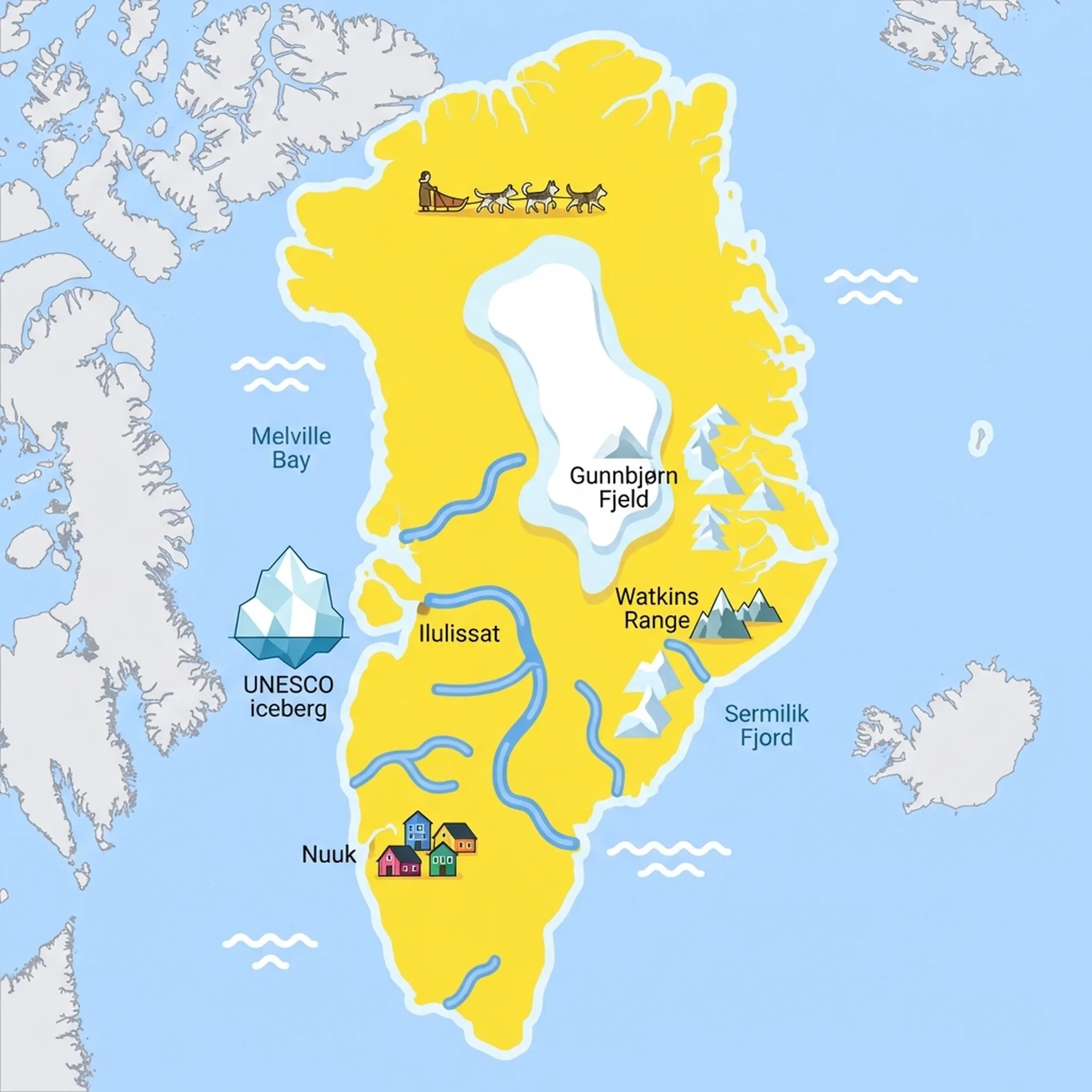
Click a region to explore
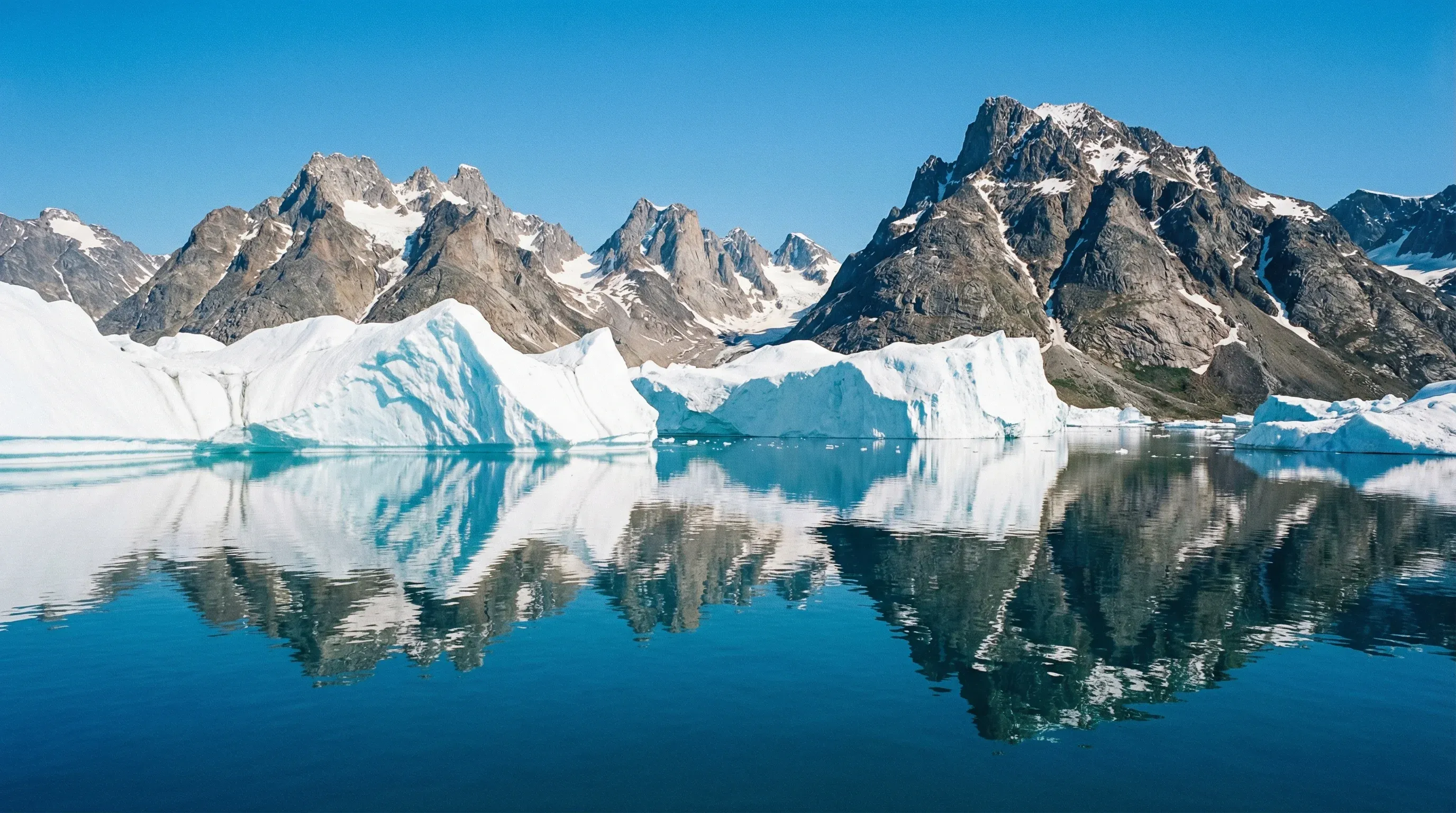
East Greenland, known locally as Tunu ("the back side"), is a world apart from the rest of the country. Isolated from the west coast by the massive Greenland Ice Sheet, this region has preserved its distinct language and cultural traditions with remarkable resilience. For families, visiting East Greenland is less about checking off tourist sites and more about immersing oneself in a landscape that feels prehistoric. The geography here is vertical and dramatic; unlike the rolling hills of the southwest, the East Coast is defined by alpine peaks that shoot straight out of the iceberg-choked ocean. The climate is truly Arctic, and even in summer, the air carries a crisp chill that reminds you of your proximity to the pole. The silence here is profound, broken only by the crack of calving glaciers or the howl of sled dogs.
Culturally, this region offers a deep dive into the Inuit way of life. Children will be fascinated by the visible blend of ancient tradition and modern adaptation. In the settlements, it is common to see seal skins stretching on racks outside colourful wooden houses, while hunters return to the harbour with the day's catch. The town of Tasiilaq, the region's largest hub, sits in a natural amphitheatre of mountains and serves as the gateway to the wild Sermilik Fjord. While the infrastructure is simpler than in the west—roads are virtually non-existent outside the towns—the sense of adventure is unparalleled. This is a destination for families with older children or teens who appreciate nature, hiking, and boat excursions, rather than toddlers who need stroller-friendly paths. The experience of drifting silently past massive icebergs or watching the midnight sun glow pink on the snowy peaks creates memories that last a lifetime.
Key Attractions
The primary allure of East Greenland is its accessibility to raw nature and culture immediately upon arrival. Most travelers land at the gravel airstrip on Kulusuk Island. A visit to Kulusuk Village is essential; it is a small settlement where families can watch traditional drum dancing displays, a storytelling art form that dates back centuries. The walk from the airport to the village (about 40 minutes) is a scenic introduction to the landscape, passing by wildflowers and rocky outcrops. Unlike the more manicured tourism of the west, Kulusuk feels entirely authentic and unpolished.
Beyond the village, the landscape itself is the main attraction. Boat tours into the fjords reveal the sheer scale of the ice production here. While specific named "attractions" are fewer in this remote wilderness, the entire region functions as an open-air museum of geology and glaciology. Families can take boat transfers to Tasiilaq to hike the Flower Valley, a surprisingly lush area behind the town with waterfalls and easy trails suitable for children. Exploring the coastline allows for spotting whales and seals in their natural habitat, far away from the crowds of more commercial destinations.
Practical Advice
Summer (July and August) is the best time for families, as temperatures are manageable (5°C to 10°C) and the days are long. Winter offers dog sledding and northern lights but requires serious cold-weather gear and endurance. Logistics here can be tricky; delays due to fog or ice are common, so pack extra snacks and patience. There are no roads connecting towns, so all travel is by boat or helicopter. Medical facilities are limited to a hospital in Tasiilaq and a nursing station in Kulusuk, so comprehensive travel insurance is mandatory.
Food & Drink
Typical meal times:
Lunch is typically served from 12:00 pm to 1:30 pm, and dinner from 6:00 pm to 8:00 pm. Options are limited, so booking ahead or eating at your hotel is often necessary.
Typical meal costs:
Food is imported and expensive. A main course costs 160–250 DKK (approx. $23–36 USD / €21–33 EUR). Simple lunches like burgers cost 100–140 DKK (approx. $14–20 USD / €13–19 EUR).
Dietary requirements:
Vegetarian options are scarce and often limited to salads or pizza. Gluten-free options are rare. Fresh produce is flown in and depends on the weekly supply plane. Families with strict dietary needs should bring specialized non-perishable snacks.
Signature dishes:
- Suaasat – The national soup of Greenland, traditionally made with seal meat (sometimes reindeer or seabirds), onions, and potatoes, thickened with rice or barley.
- Dried Fish (Ammassat) – Small capelin fish dried on rocks or racks, eaten as a high-protein snack, similar to jerky.
- Muskox Steak – Lean, flavorful dark meat often served in the hotel restaurants in Tasiilaq, offering a taste of the tundra.
Why this score?
The terrain is exceptionally rugged, characterized by the massive Sermilik Fjord and jagged granite peaks that offer world-class mountaineering and expedition kayaking. Visitors must be prepared for extreme isolation, unpredictable sea ice, and the necessity of local guides for polar bear safety.
Why this score?
Medical facilities are limited to small local clinics in Tasiilaq and Kulusuk that handle only basic primary care. Any serious injury or illness requires an expensive and weather-dependent emergency medical evacuation by helicopter to Iceland or Nuuk.
Why this score?
This region is one of the most isolated inhabited places on Earth, receiving only a tiny fraction of Greenland's already modest visitor numbers. Most access is via small planes from Iceland to Kulusuk, serving niche adventure travelers rather than a general tourist flow.

East Greenland is one of the most expensive regions due to its isolation. Hotel accommodation is limited and costs 1,800–2,800 DKK (approx. $260–405 USD / €240–375 EUR) per night. A simple lunch costs 120–160 DKK (approx. $17–23 USD / €16–21 EUR). Helicopter transfers between Kulusuk and Tasiilaq add significantly to the budget, costing around 1,000–1,500 DKK (approx. $145–215 USD / €135–200 EUR) per person one way.

Getting Here & Around
Getting Here
- Airports – The primary gateway is Kulusuk Airport (KUS). Flights arrive almost exclusively from Reykjavik, Iceland (RKV) or Keflavik (KEF). There are also infrequent connections from Nuuk.
- Helicopter – From Kulusuk, most travelers take a 10-minute helicopter ride to Tasiilaq, the main town. This scenic transfer is often the highlight for children.
- Boat – In summer (July–September), boat transfers are available between Kulusuk Village and Tasiilaq, offering a slower, iceberg-filled journey.
Getting Around
- Walking – Within towns like Tasiilaq and Kulusuk Village, walking is the only way to get around. Be prepared for steep hills and unpaved, rocky paths.
- Boat – Essential for visiting neighboring settlements or crossing fjords. Local hunters and tour operators provide charter services.
- Dog Sled & Snowmobile – In winter and spring, these are the primary forms of transport. Tourist sledding tours are available, but local transport is often by snowmobile.
Nearby Airports (9 airports)
Neerlerit Inaat
CNPNeerlerit Inaat
Jacobshavn
JAVIlulissat
Kuummiit Heliport
KUZKuummiit
Qaanaaq Airport
NAQQaanaaq
Ittoqqortoormiit Heliport
OBYIttoqqortoormiit
Iginniarfik Heliport
QFIIginniarfik
Ikerasaarsuk Heliport
QRYIkerasaarsuk
Kangerlussuaq Sondre Stromfjord
SFJKangerlussuaq
Tiniteqilaaq Heliport
TQITiniteqilaaq
View full flight map for Greenland →
Official Links

Packing List
In July and August, Arctic mosquitoes and black flies can be intense near water.
Paths are muddy and rocky; sneakers will get soaked and ruined quickly.
Restaurant options are extremely limited and opening hours can be erratic.
Even short boat transfers across the fjords can be choppy.
Arctic mosquitoes in summer (June-August) are incredibly aggressive and can ruin hikes without face protection.
The midnight sun means 24-hour daylight in summer; thick curtains aren't always guaranteed in accommodation.
Essential for spotting whales, seals, and muskoxen from the shore or ferry decks.
The combination of dry Arctic air and intense sun reflection off the ice causes rapid chapping and sunburn.
It is customary to remove outdoor boots when entering homes and many hostels/lodges; floors can be cold.
Wind and splash protection is vital for zodiac boat tours, even on sunny days, to keep kids warm and dry.

Activities & Best Times

Hiking, wildlife, outdoor exploration, ecotourism
East Greenland offers world-class Arctic wilderness experiences that rank among the planet's most pristine and extreme adventure destinations. The region's massive iceberg-filled fjords, complete remoteness, and authentic wilderness immersion quality justify an 'excellent' rating when calibrated internationally against other adventure destinations.

Beach resorts, marine activities: diving, snorkelling, kite surfing, wind surfing, sailing
A unique Arctic maritime experience focused on coastal exploration and iceberg boat tours rather than traditional swimming. Peak tourism occurs in July and August when sea ice has cleared enough for navigation and marine life sightings are most frequent.

Urban tourism, museums, historical sites, architecture
Authentic Inuit heritage is preserved in remote settlements like Tasiilaq and Kulusuk, offering high-quality cultural immersion for sophisticated travelers. Access is most reliable during the summer boat season and the active spring sledding window, while deep winter months present extreme logistical challenges.

Sport tourism, fitness activities, active recreation
The region features internationally recognized trekking infrastructure such as the Valley of Flowers and the Sermilik Way. Activity is strictly seasonal, with peak conditions restricted to the brief Arctic summer when trails are snow-free and manageable for experienced family groups.




Public Holidays & Calendar Next 12 months
Public holidays, festivals, cultural celebrations, and seasonal natural phenomena coming up in East Greenland (remote) over the next 12 months.
Loading holidays and events...

Travel Advisory
Greenland is considered a very safe destination with low crime and high political stability. While the U.S. maintains an elevated caution level due to environmental and logistical challenges in the Arctic, the consensus among international agencies is that standard safety awareness is sufficient for most travellers. The primary risks are environmental rather than human-made.
Safety Topics
Traveller Advice (2 groups)

Those planning expeditions into remote areas must be entirely self-sufficient. Search and rescue operations can take several days to reach isolated sites. It is essential to travel with professional guides and carry high-grade communication equipment and survival gear.

Greenland is generally a safe and welcoming destination. Same-sex relationships and marriage are legally recognized and socially accepted.
Agency Summaries
Greenland is generally safe with low crime levels. Travellers should be aware of specific local regulations, such as the illegality of importing whale products into the UK or EU, and note that Greenland maintains its own entry requirements separate from the Schengen Area.
Safety conditions are stable with a low crime rate. The primary concerns involve environmental hazards associated with Arctic travel, such as unpredictable weather, potential avalanches, and the isolation of remote territories where emergency response is limited.
The overall risk to safety is minimal. Travellers are reminded that medical and evacuation facilities are scarce in the Arctic region, necessitating comprehensive insurance coverage.
General safety is high, but visitors should prepare for Arctic conditions. Adventure seekers are encouraged to check equipment and local forecasts carefully, as rescue operations in remote areas can be challenging and delayed.
Increased caution is advised due to extreme weather conditions and the significant limitation of emergency and search and rescue services outside of major settlements. Consular assistance for citizens is extremely restricted in this region.
The security environment is comparable to Ireland. The main risks are environmental, including extreme cold and the vast distances between populated areas which hinder search and rescue efforts.
Information is provided for general guidance only and does not constitute travel, safety, medical, or legal advice. Conditions may change. Users are responsible for independently verifying information before travel.