
Grande-Terre
Turquoise lagoons and white sands for the perfect family escape 🏖️
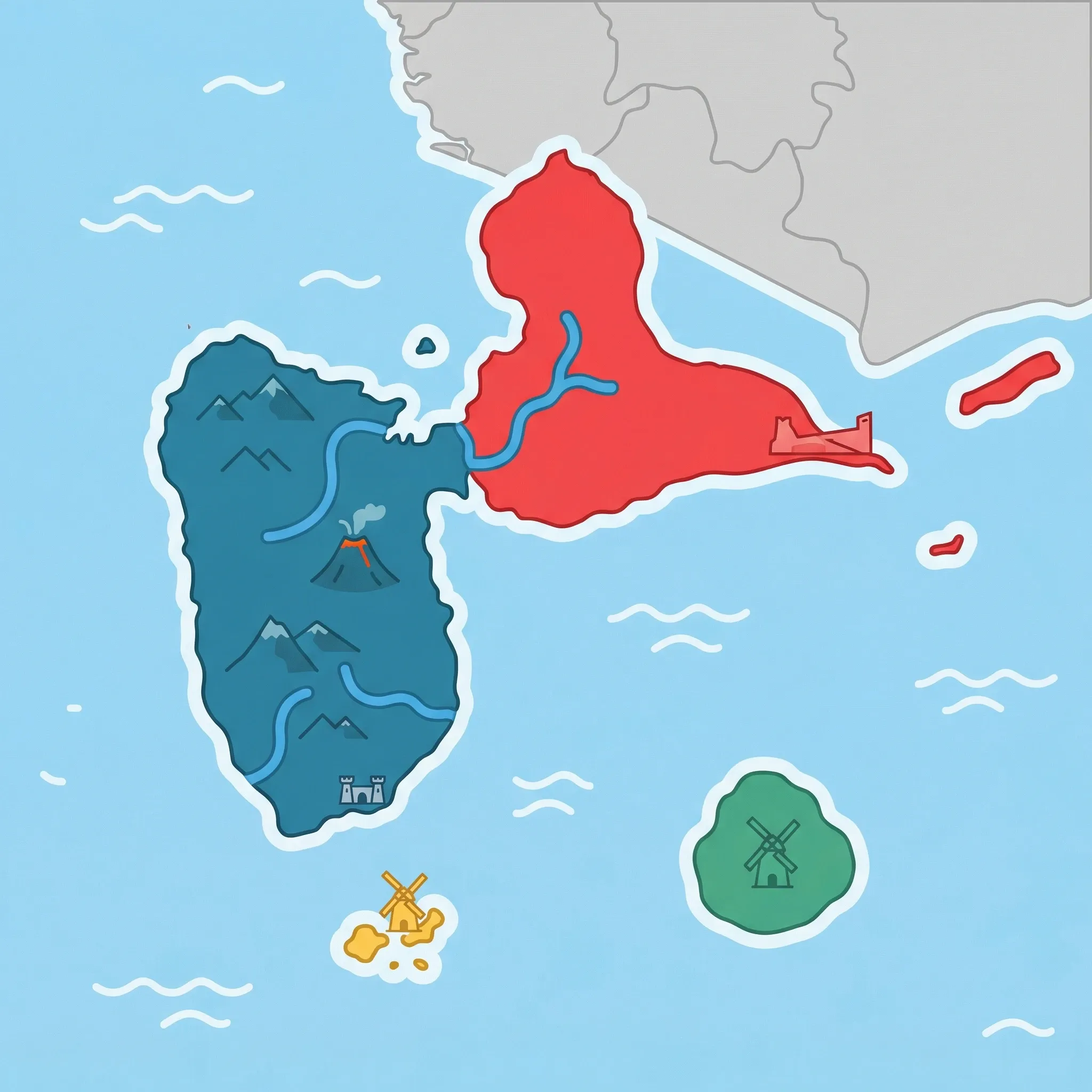
Click a region to explore
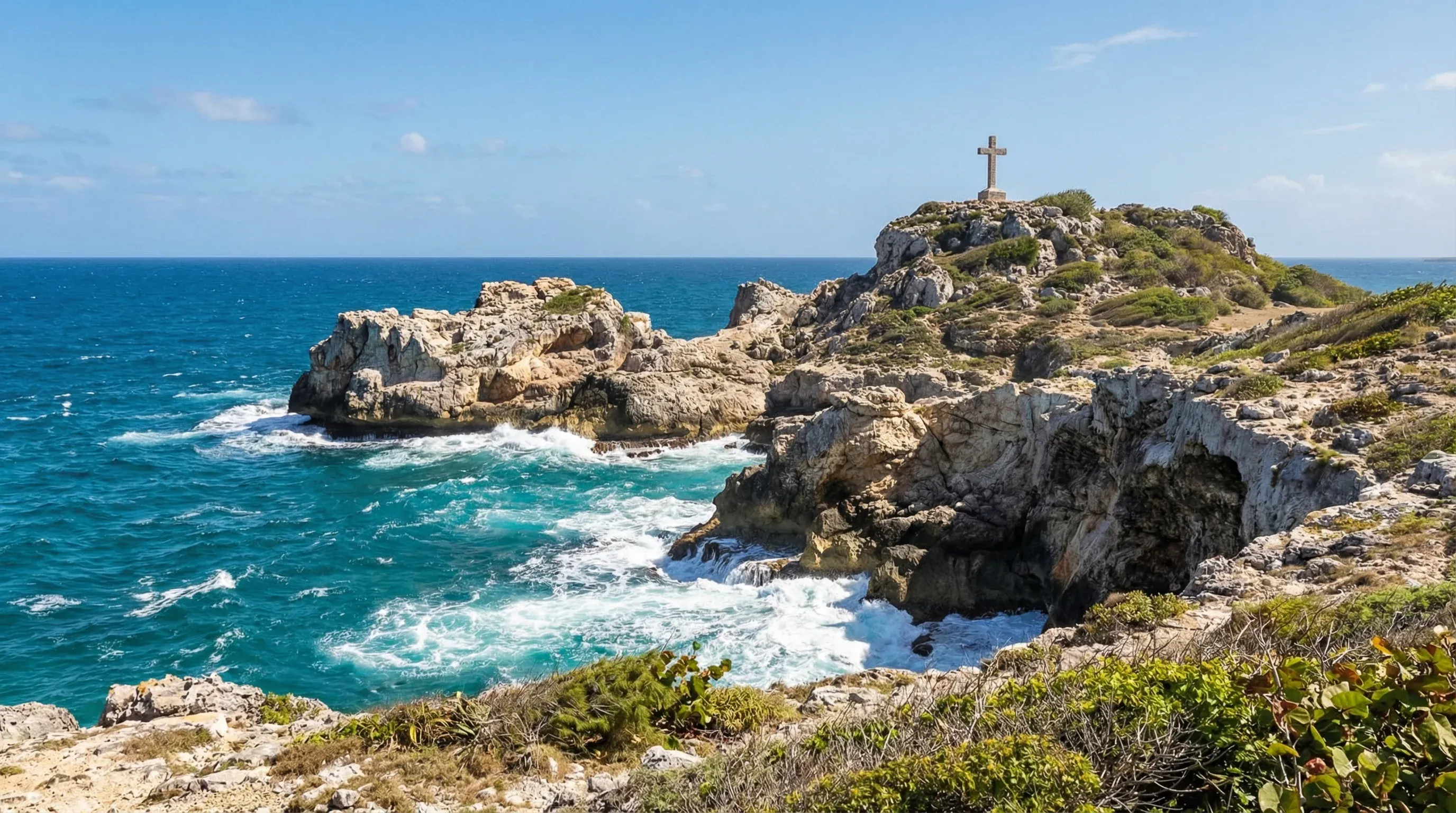
Grande-Terre represents the classic Caribbean postcard: dazzling white sand beaches, coconut palms leaning over turquoise water, and a lively, resort-style atmosphere. Geographically, it is a flat limestone plateau, which stands in stark contrast to the mountainous Basse-Terre. This flatness makes the weather drier and sunny days more guaranteed, a huge plus for families planning beach time. This is the hub of tourism in Guadeloupe, where you will find the most developed infrastructure, a wide array of restaurants, and the majority of hotels. For parents traveling with toddlers or young children, Grande-Terre is arguably the most convenient region; the beaches here, particularly in Sainte-Anne and Le Gosier, are protected by coral reefs, creating calm, shallow swimming pools perfect for little ones.
Beyond the beaches, Grande-Terre is the cultural and economic beating heart of the island. The city of Pointe-à-Pitre offers bustling markets filled with the scent of spices and vanilla, providing a sensory education for curious kids. The landscape changes dramatically as you head east to Pointe des Châteaux, where the Atlantic ocean crashes against dramatic rock formations, offering easy coastal hikes that feel wild and windswept. While it can be busier than other regions, the convenience of having pharmacies, supermarkets, and varied dining options on your doorstep makes it a stress-free choice for family holidays.
Key Attractions
For a mix of education and history, the Mémorial ACTe in Pointe-à-Pitre is a stunning architectural masterpiece and a UNESCO-associated center dedicated to the history of slavery; while heavy in subject matter, the site is visually impactful and offers important context for older children. Younger kids will be mesmerized by the Aquarium de la Guadeloupe in Le Gosier, which showcases the local marine life, including sharks and sea turtles, in a manageable, air-conditioned environment. For the ultimate day trip, families should book a catamaran excursion to Petite Terre Nature Reserve. This uninhabited island is a sanctuary for iguanas (which roam freely and amaze the kids) and offers some of the safest and most spectacular snorkeling with lemon sharks and rays in shallow water.
Practical Advice
High season runs from December to April, but July and August are also popular with French holidaymakers. Traffic around Pointe-à-Pitre and Le Gosier can be heavy during rush hours (7:00 am – 9:00 am and 4:30 pm – 6:30 pm), so plan excursions accordingly to avoid sitting in hot cars with impatient children. Tap water is generally safe, but bottled water is often preferred by tourists. Sun protection is critical here as the limestone geography reflects the sun intensely.
Food & Drink
Typical meal times: Lunch is standard (12:00 pm – 2:30 pm). Dinner is later than in the US/UK, typically 7:30 pm to 9:30 pm, especially in resort towns like Saint-François.
Typical meal costs: Expect to pay €18–28 (approx. $19–30 USD / £15–24 GBP) for a main dish in a nice beachside restaurant. Kids' menus are common, usually around €10–12 (approx. $11–13 USD / £8.50–10 GBP).
Dietary requirements: Very accommodating compared to rural areas. You will find pizzerias, burger joints, and French bistros that can modify dishes. Vegan options are growing in Saint-François.
Signature dishes:
- Accras de Morue – Saltfish fritters that are ubiquitous, delicious, and usually loved by children as a snack.
- Sorbet Coco – A must-try street food found at beach markets; traditional coconut sorbet churned by hand in wooden buckets.
- Grilled Lobster – A luxury treat, often served fresh at restaurants in Saint-François and Sainte-Anne.
Why this score?
This region is characterized by a flat limestone plateau and highly developed tourist infrastructure, making it more suited for leisure than adventure. Activities are largely centered around managed beaches and lagoons, with only minor hiking opportunities at Pointe des Châteaux.
Why this score?
Grande-Terre hosts the island's primary University Hospital (CHU) in the Pointe-à-Pitre area, offering high-quality French medical services. It is the most advanced medical hub in the region, featuring specialized departments and emergency services that meet European standards.
Why this score?
As the main gateway for international flights and home to the most popular white-sand beach resorts, this is the most visited region in Guadeloupe. It serves as the primary hub for the country's 735,000 annual tourists, though its fame is largely concentrated within French-speaking markets.

Grande-Terre is the most expensive region due to its popularity. Beachfront hotels and resorts command premiums, often €150–300 (approx. $160–325 USD / £125–250 GBP) per night. Dining in tourist hubs like Marina de Saint-François is pricey, with cocktails costing €10–12 (approx. $11–13 USD / £8.50–10 GBP). However, supermarkets (Carrefour, Leader Price) are available for self-catering to lower costs.

Getting Here & Around
Getting Here
- Airports – Pointe-à-Pitre International Airport (PTP) is located right here in the center of Grande-Terre, making transfers to hotels in Le Gosier or Sainte-Anne very short (15–30 minutes).
- Driving – Connected to Basse-Terre via bridges. The roads are flat and generally wide, making driving easier than in the mountains.
- Ferry – The Bergévin ferry terminal in Pointe-à-Pitre connects to Marie-Galante, Les Saintes, and international destinations like Dominica and St. Lucia.
Getting Around
- Car – Highly recommended for freedom, though traffic jams (bouchons) are common near the capital. Parking can be scarce in Sainte-Anne on weekends.
- Bus – The public bus system is decent along the main southern coast (Pointe-à-Pitre to Saint-François), but schedules are "island time."
- Boat – Small shuttles can take you to the islets like Ilet du Gosier, often cheaper and more fun than driving to a new beach.
Nearby Airports (1 airport)
Le Raizet
PTPPointe-a-Pitre
View full flight map for Guadeloupe →
Official Links

Packing List
Coral protection is taken seriously here, especially at nature reserves.
The sun on the white sand beaches is incredibly reflective and burns quickly.
Guadeloupe uses standard French plugs (Type E) and 220V voltage.
Plastic bottles warm up in minutes in the car; keep water cold for kids.
Essential for rocky beaches and protecting feet from sea urchins, which are common in wilder swimming spots.
Guadeloupe uses standard French plugs (220V). US/UK devices will not fit without an adapter.
Dengue fever is a risk. You need tropical-strength repellent for evenings and rainforest hikes.
Single-use plastic bags are banned in supermarkets; you must bring your own or buy expensive reusable ones.
The ferry channels to Les Saintes and Marie-Galante are notoriously rough; kids will likely need this.
English is not widely spoken outside major hotels. A translation app helps with menus and directions.

Activities & Best Times
Beach resorts, marine activities: diving, snorkelling, kite surfing, wind surfing, sailing
Grande-Terre has the most famous and accessible beaches in Guadeloupe (Sainte-Anne, Plage de la Caravelle, Gosier) with white sand and turquoise waters. These are nationally iconic and internationally competitive. Should be differentiated from other regions.

Sport tourism, fitness activities, active recreation
The region excels in coastal hiking and organized outdoor activity centers like Karukera Land and Yalodé. Peak months offer the manageable temperatures required for active sports, whereas the late summer heat and humidity index can make intense physical activity uncomfortable for international travelers.

Hiking, wildlife, outdoor exploration, ecotourism
Grande-Terre's limestone cliffs and coastal trails are attractive but don't compete with Basse-Terre's volcanic peaks, national park, and rainforest. This downgrade creates appropriate differentiation - travelers seeking adventure/nature should prioritize Basse-Terre.

Urban tourism, museums, historical sites, architecture
While Mémorial ACTe is an important slavery memorial and Pointe-à-Pitre has historic value, these do not reach 'very_good' status by international standards (which should be reserved for UNESCO density or globally significant cultural institutions). 'Good' appropriately reflects regional cultural significance.

Learning experiences, scientific sites, historical education
Significant sites like the Aquarium de la Guadeloupe and the Beauport sugar heritage center provide high-quality learning opportunities for families. These facilities are most accessible and pleasant to visit during the primary tourism window, avoiding the peak hurricane threat in September and October.

Scenic drives, countryside tours, route-based travel
Named routes like the Circuit du Nord Grande-Terre offer spectacular views of dramatic Atlantic coastlines and rural landscapes. Driving is safest and most scenic during the dry season when visibility is high and roads are not impacted by tropical downpours.

Attractions (9 total)



Public Holidays & Calendar Next 12 months
Public holidays, festivals, cultural celebrations, and seasonal natural phenomena coming up in Grande-Terre over the next 12 months.
Loading holidays and events...

Travel Advisory
The majority of major international agencies classify Guadeloupe as a destination requiring only standard safety awareness, similar to many Western countries, though minor crime and seasonal weather risks exist.
Safety Topics
Traveller Advice (5 groups)

Take extra precautions when moving alone at night. Avoid unlit or isolated areas, including beaches after sunset.

When scuba diving, verify the credentials of operators and ensure oxygen equipment is available. Confirm that your insurance covers specific high-risk water activities.

While generally accepted as an overseas department of France, travellers should review general safety guidelines for solo and independent travel.

Infrastructure and services for those with limited mobility generally follow French regulations but may be more limited in rural or mountainous areas.

Maintain standard vigilance against petty theft and avoid carrying large amounts of cash. Secure comprehensive insurance and monitor local weather during hurricane season.
Agency Summaries
Most visits are trouble-free. Standard security vigilance is recommended. Be aware of the risks of petty crime in tourist hotspots and ensure comprehensive travel insurance is in place.
There is no specific travel warning in place. New Zealanders are advised to secure medical insurance that includes evacuation. Be cautious of insect-borne diseases and tap water safety during your stay.
Travelers should maintain standard safety awareness. While major violence is uncommon, petty theft like pickpocketing and bag-snatching is the primary concern for visitors. There is a higher risk of crime at night in certain areas, particularly in the historic center of Pointe-à-Pitre. Additionally, the territory frequently experiences water shortages and rationing.
Ireland advises an elevated level of vigilance due to risks associated with crime and health concerns, specifically mosquito-borne illnesses. Travelers should remain aware of their surroundings and monitor local news outlets.
The U.S. recommends standard safety measures for travel to the French West Indies, including Guadeloupe. Visitors are encouraged to monitor local updates and have contingency plans for emergencies.
Travel is generally safe, but common sense precautions are necessary. Avoid visiting isolated spots and beaches after dark. Be aware of the global threat of terrorism, though no recent incidents have occurred locally. Diving schools and road conditions follow French standards, but extra care is advised.
Information is provided for general guidance only and does not constitute travel, safety, medical, or legal advice. Conditions may change. Users are responsible for independently verifying information before travel.