
Chichicastenango & Highlands
Where ancient traditions come alive 🕯️
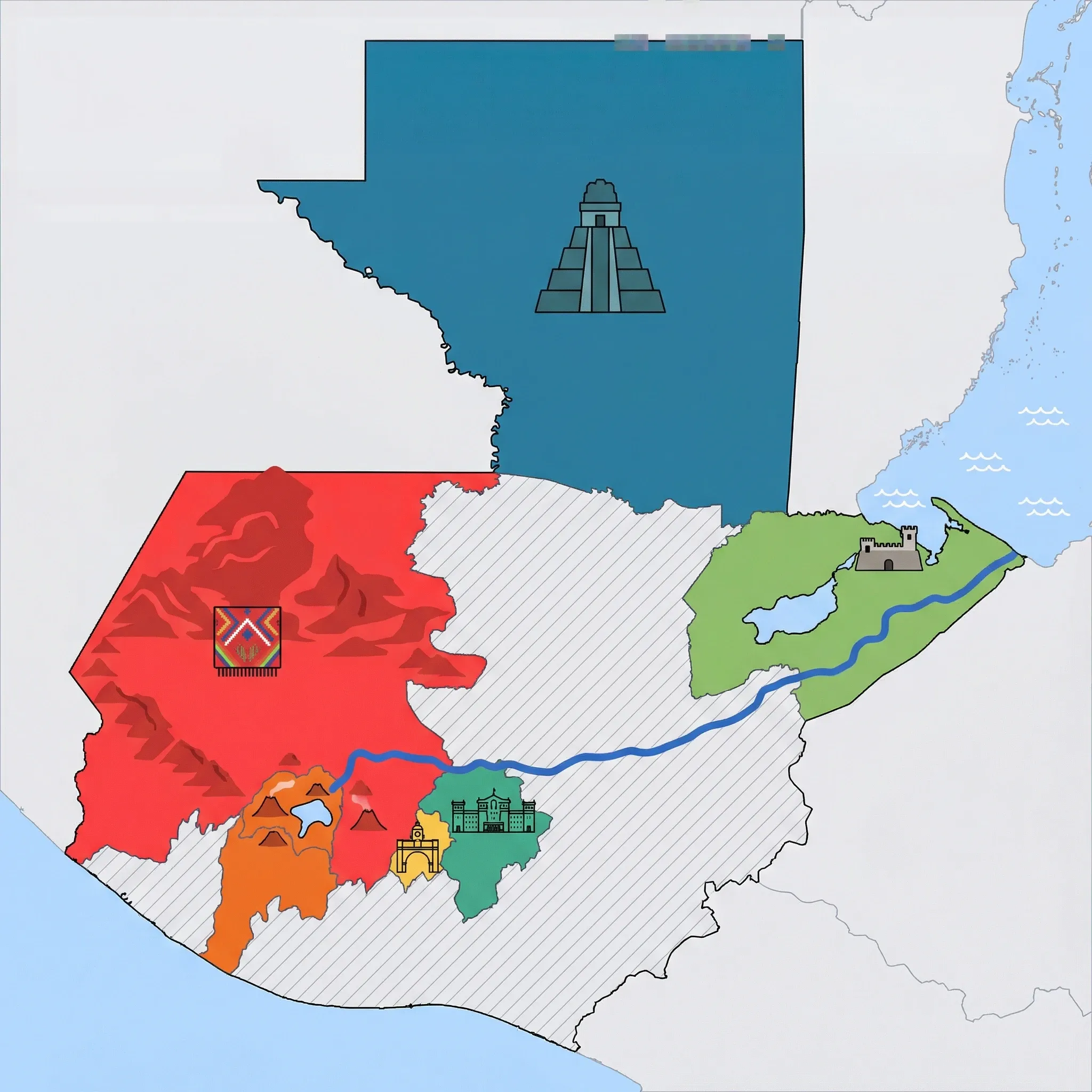
Click a region to explore
The Western Highlands offer a profound cultural immersion that is distinct from the rest of Guatemala. This is the heartland of the K'iche' Maya people, where traditional dress is worn daily and ancient rituals are practiced openly. For families, the region provides a chance to show children a way of life that has endured for centuries. The landscape is dramatic—steep pine-covered mountains and deep ravines shrouded in morning mist. It is noticeably cooler here than on the coast or in the jungle, often requiring jackets during the day.
The energy here centers on commerce and faith. Thursday and Sunday are market days in Chichicastenango, transforming the town into a kaleidoscope of textiles, flowers, and pottery. While the crowds can be overwhelming, the experience is unforgettable. Children are often fascinated by the unique mix of Catholic and Maya spirituality, where pine needles carpet church floors and incense clouds the air. Beyond the market, the region is quieter, offering hiking and visits to smaller villages where life moves at the pace of the harvest.
Key Attractions
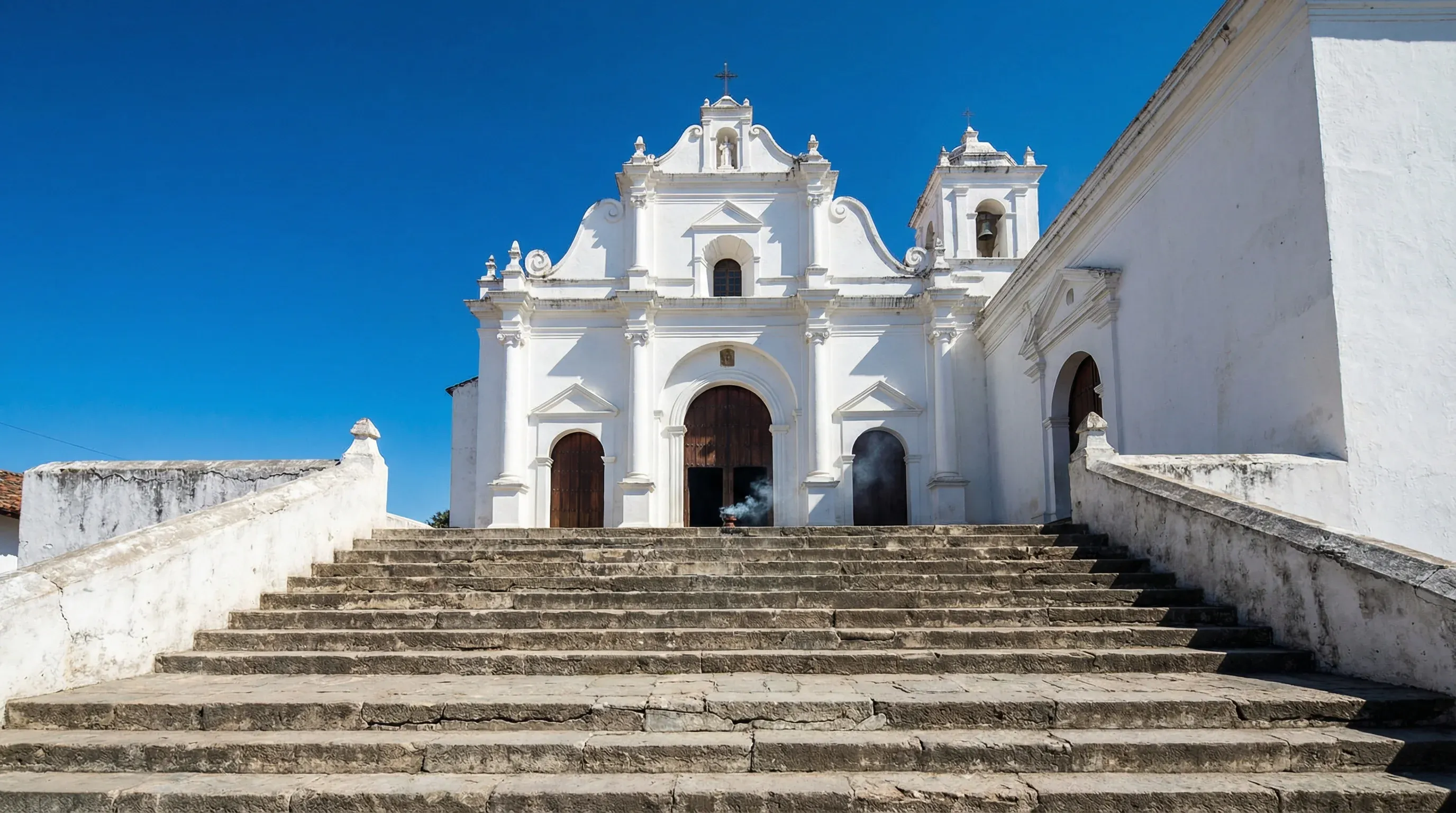
The absolute centerpiece is the Chichicastenango Market & Historic Center. It is one of the largest outdoor markets in Latin America; families can hunt for souvenirs like wooden masks and colorful blankets. At the heart of the market stands the Iglesia de Santo Tomás. Built atop a pre-Columbian temple platform, its steps are often covered in flower petals and smoke from copal incense burned by local shamans—a visual spectacle that captivates older children. A short drive away lies Q'umarkaj Archaeological Site, the ancient capital of the K'iche' kingdom. Unlike the manicured lawns of Tikal, these ruins feel raw and mysterious, with dark tunnels (bring a flashlight!) and active altars still used for ceremonies today.
Practical Advice
Market days (Thursday and Sunday) are the best times to visit to see the town in full swing, but arrive early (by 8:00 am) to beat the tour buses. The altitude is over 1,900 meters (6,200 ft), so take it easy if you just arrived. Bathrooms in the market area can be basic; carrying toilet paper and hand sanitizer is essential.
Food & Drink
Typical meal times: Market days start early, with breakfast available from 6:30 am. Lunch is usually 12:00 pm to 1:30 pm. Dinner options in Chichi are limited after 7:00 pm as the town sleeps early.
Typical meal costs: Very affordable. A hearty lunch costs Q40–80 (approx. $5–10 USD / €4.50–9 EUR). Market snacks can be found for under Q10 (approx. $1.30 USD / €1.20 EUR).
Dietary requirements: Corn, beans, and eggs are staples. Vegetarian food is easy to find, but vegan options may require explanation (watch for cream/cheese). Gluten-free is relatively easy due to the reliance on corn tortillas rather than wheat.
Signature dishes:
- Atol de Elote – A warm, sweet, creamy drink made from corn, seasoned with cinnamon/vanilla. Perfect for the chilly highland mornings.
- Boxboles – Corn dough wrapped in squash leaves and boiled, served with a tomato and pumpkin seed sauce. A regional specialty.
- Caldo de Gallina – A rich chicken soup with large chunks of vegetables, often served with rice and avocado.
Why this score?
The high-altitude terrain and winding mountain roads provide a sense of ruggedness and physical challenge for travelers. Exploring the remote villages and traditional shrines involves navigating steep, underdeveloped paths and authentic, non-touristic environments. It offers a genuine look into the highlands' challenging geography.
Why this score?
Medical facilities in the highlands are extremely limited and geared toward basic local needs rather than international travelers. Language barriers are significant, and there is a lack of advanced diagnostic or emergency equipment. Serious medical issues require a lengthy and difficult transport to Guatemala City.
Why this score?
While its famous market draws large crowds on Thursdays and Sundays, the region primarily serves as a transient stop for day-trippers rather than a long-stay destination. International visitor numbers are modest outside of market days compared to the country's major hubs. It remains a niche area focused on indigenous cultural experiences.

The Highlands are generally cheaper than Antigua or the Petén. Hotel rooms are simple but affordable, ranging from Q300–600 (approx. $38–75 USD / €35–70 EUR). Handicrafts in the market require bargaining; aim to pay about 60-70% of the initial asking price. A full meal in the market can cost as little as Q30 (approx. $4 USD / €3.50 EUR).

Getting Here & Around
Getting Here
- Shuttles – Most families arrive via tourist shuttle from Antigua (2.5–3 hours) or Lake Atitlán (1.5–2 hours).
- Bus – "Chicken buses" (brightly painted school buses) serve the route but are often overcrowded and driven aggressively; not recommended for young children or travelers with luggage.
- Driving – The Pan-American Highway leads to the region, but the final ascent involves winding, steep mountain roads.
Getting Around
- Walking – The town of Chichicastenango is small and best navigated on foot. The market streets are narrow and crowded; strollers are difficult to use here.
- Tuk-tuks – Available for short trips to the cemetery or the Pascual Abaj shrine on the hill.
Nearby Airports (1 airport)
Quetzaltenango Airport
AAZQuetzaltenango
View full flight map for Guatemala →
Official Links

Packing List
High altitude means it gets cold, especially morning and night.
Essential for exploring the tunnels at Q'umarkaj.
Roads to the highlands are extremely winding and steep.
Needed for paid toilets in the market area.
Required for swimming in eco-sensitive areas like Lake Atitlán and Semuc Champey to protect water quality.
Roosters, church bells, and fireworks (cohetes) are extremely loud and start very early in the morning.
Roads to Lake Atitlán and Lanquín are incredibly winding and mountainous; essential for kids in shuttles.
The Highlands (Antigua/Atitlán) get surprisingly cold at night and in the early morning, often dropping below 10°C.
Street lighting is poor in uneven cobbled streets, and power outages can occur in smaller villages.
Essential for rocky volcanic shores at Lake Atitlán and slippery limestone pools at Semuc Champey.

Activities & Best Times

Hiking, wildlife, outdoor exploration, ecotourism
Authentic highland trekking and rural farm experiences in the Ixil Triangle offer deep immersion into Mayan culture and landscapes. Peak months provide dry trails and clear vistas, while heavy mid-year rains make mountain routes muddy and difficult to navigate.

Urban tourism, museums, historical sites, architecture
Home to one of the world's most famous indigenous markets and unique syncretic religious sites like the Iglesia de Santo Tomás. The dry season offers the most vibrant market atmosphere and comfortable walking weather for exploring archaeological sites like Q'umarkaj.

Scenic drives, countryside tours, route-based travel
Dramatic mountain passes like the Inter-American Highland Pass and the Ixil Triangle route provide spectacular vistas for touring families. Driving is best during the dry season to avoid frequent fog and seasonal road damage caused by heavy rainfall.

Sport tourism, fitness activities, active recreation
Features challenging high-altitude trekking and mountain biking routes through the Western Highlands. Infrastructure is best utilized in the dry season when mountain paths are firm and visibility is optimal for technical navigation.

Events, celebrations, seasonal attractions
The region hosts the world-renowned Feast of Saint Thomas in December, featuring spectacular traditional dances and rituals. Outside of this major event and the Easter period, internationally significant festival programming is limited.




Public Holidays & Calendar Next 12 months
Public holidays, festivals, cultural celebrations, and seasonal natural phenomena coming up in Chichicastenango & Highlands over the next 12 months.
Loading holidays and events...

Travel Advisory
Five out of six major agencies recommend exercising a high degree of caution or increased vigilance. While popular tourist destinations remain open, pervasive violent crime and frequent political demonstrations necessitate a high level of situational awareness.
Safety Topics
Traveller Advice (3 groups)

While same-sex relationships are legal, social acceptance varies significantly. Individuals may encounter discrimination or hostility in more conservative or rural regions.

Female travellers should avoid walking alone, particularly after dark or in isolated areas, due to reports of sexual assault and harassment. Conservative dress and travelling in groups are recommended.

Travellers should ensure their passports are valid for at least six months upon entry. It is highly recommended to use only official radio-dispatched taxis and to avoid displaying signs of wealth in public.
Agency Summaries
Ireland highlights the prevalence of crime and violence throughout the country. It warns that security risks for foreigners are substantial, particularly at land borders where disruptions and illegal fee requests are common.
Australia warns of a high threat from violent crime, including carjacking and kidnapping. Travellers are advised to monitor local media closely following the declaration of a state of prevention by the Guatemalan government.
The UK advises against all but essential travel to areas near the Mexican border and specific high-crime zones in the capital. A 'State of Prevention' is currently in place, giving authorities power to restrict movements and dissolve protests.
Travellers should be extremely vigilant in Guatemala because of significant crime rates and frequent public demonstrations or roadblocks. Specific high-risk areas in Guatemala City and border regions should be avoided entirely due to elevated violence.
New Zealand advises increased caution due to the risk of violent crime and civil unrest. It specifically warns against non-essential travel to border areas with Mexico due to security concerns and the activity of armed gangs.
The U.S. government recommends reconsidering travel to Guatemala due to widespread violent crime, including armed robbery and murder. Specific regions like San Marcos and Huehuetenango are under 'Do Not Travel' warnings due to drug trafficking and gang activity.
Information is provided for general guidance only and does not constitute travel, safety, medical, or legal advice. Conditions may change. Users are responsible for independently verifying information before travel.