
Conakry & Coast
From bustling markets to pirate legends and tropical islands 🏝️🌊
Click a region to explore
Conakry and its surrounding coast represent the beating heart of Guinea, a region where the intensity of West African urban life meets the soothing rhythm of the Atlantic Ocean. For families, this area serves as both the gateway to the country and a destination in its own right. The capital, Conakry, located on the Kaloum Peninsula, is a sprawling, chaotic, and energetic metropolis. While the traffic and noise can be overwhelming, the city offers a vital introduction to Guinean culture. The coastal vibe is distinctly tropical, with humid air carrying the scent of salt and smoked fish. Beyond the city limits, the coastline stretches out into mangroves and fishing villages, offering a glimpse into the daily lives of the Soussou people who dominate this region.
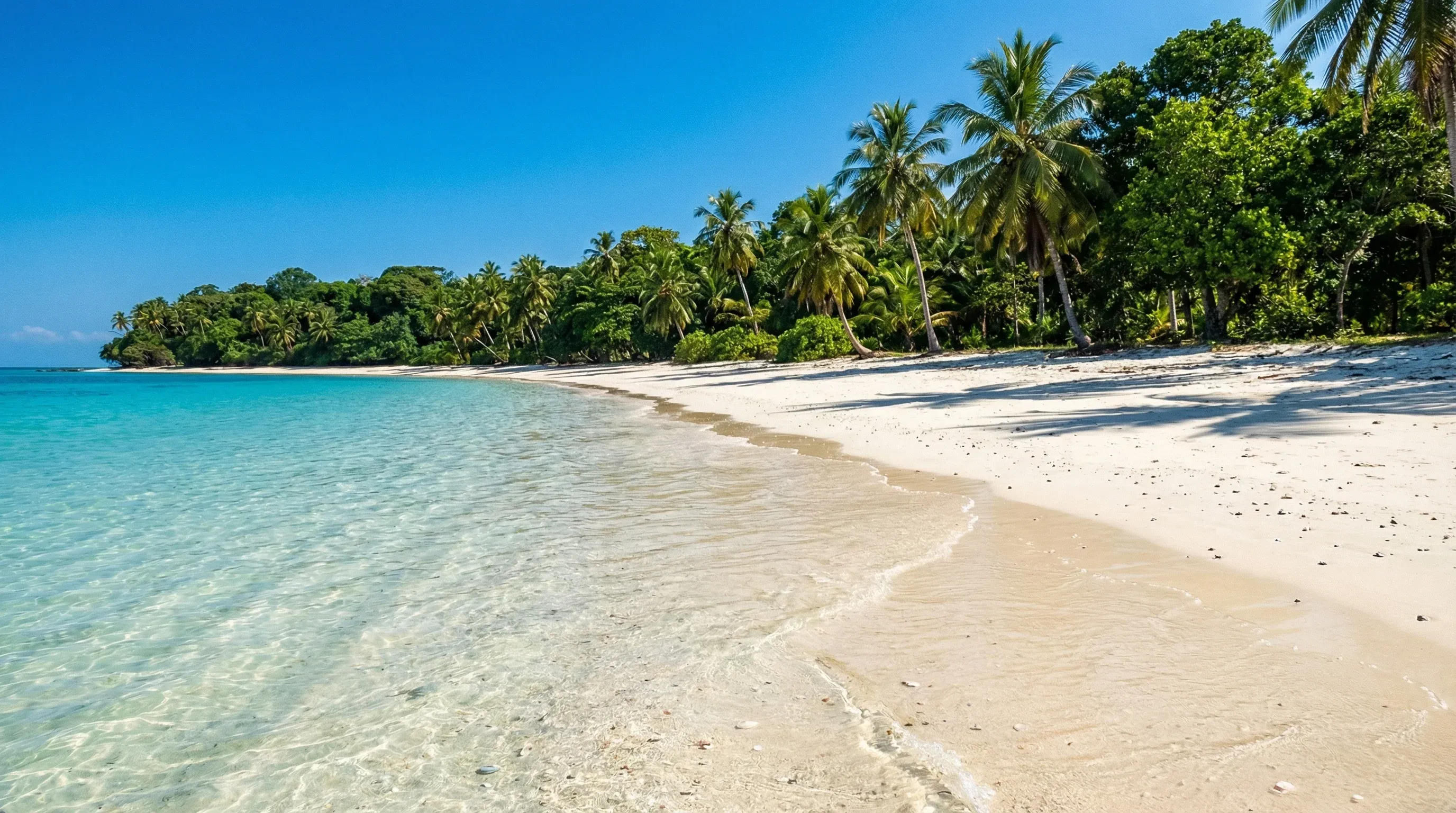
The true highlight for families, however, is the ability to escape the mainland's hustle within minutes. Just a short boat ride from the commercial port lies the archipelago of the Îles de Los. These islands feel like a different world, with no cars, quieter villages, and beaches safe for swimming. The contrast is stark and welcome; you can spend the morning haggling for fabrics in a noisy market and the afternoon building sandcastles on a quiet crescent of sand. While infrastructure is developing, the raw, authentic nature of the coast appeals to adventurous families looking to experience West Africa without the filter of mass tourism.
Key Attractions
The most accessible and family-friendly escape is undoubtedly the Îles de Los. This archipelago forms a protective ring around the port and offers calm waters ideal for children. Families particularly love taking a day trip or overnight stay here to decompress after arriving in the country. The boat ride itself is an adventure, passing local fishermen in colorful wooden canoes.
For a touch of literary history and mystery, Île de Roume is a must-visit. Legend holds that this island inspired Robert Louis Stevenson's Treasure Island, and locals are happy to share stories of smuggled pirate gold. The beaches here are picturesque, and the interior is lush and green, perfect for short walks with children. Back on the mainland, the National Museum of Guinea in Conakry is small but culturally significant. It houses an impressive collection of masks, statues, and musical instruments from Guinea’s various ethnic groups, providing a colorful and educational hour that helps children understand the diverse traditions of the country they are visiting.
Practical Advice
Best Time to Visit: The dry season (November to April) is the only practical time for a family holiday. Conakry is one of the wettest capitals on earth; during the rainy season (peak July–August), torrential downpours can flood roads and make boat travel to the islands dangerous or miserable. December and January offer the most pleasant temperatures.
Logistics: Power cuts are frequent in Conakry, even in good hotels. Carry power banks and flashlights. Traffic in the Kaloum peninsula is notorious; plan to stay near your activities or travel early in the morning. When taking boats to the islands, ensure there are life jackets for children before boarding—safety standards vary wildly.
Food & Drink
Typical meal times: Lunch is usually served from 12:30 pm to 2:30 pm, and dinner is a late affair, typically 7:30 pm to 9:30 pm.
Typical meal costs: A meal at a decent expatriate or hotel restaurant costs around 100,000–180,000 GNF (approx. $11.50–21.00 USD / €10.50–19.50 EUR). Local street food or simple 'maquis' meals are cheaper, around 30,000–60,000 GNF (approx. $3.50–7.00 USD / €3.20–6.50 EUR).
Dietary requirements: Vegetarian options are available but limited, usually revolving around rice, salads, or fried plantains. Peanuts and shellfish are ubiquitous in sauces, so families with allergies must be extremely vigilant and communicate clearly in French.
Signature dishes:
- Konkoe – Smoked fish (usually catfish or carp) cooked in a rich, spicy stew with palm oil and vegetables, a staple of the coastal Soussou people.
- Riz Gras (Fat Rice) – Rice cooked directly in a broth with oil, vegetables, and meat or fish, similar to Jollof rice but often less spicy.
- Sauce de Feuilles (Leaf Sauce) – A thick, green stew made from cassava leaves or sweet potato leaves, usually served over a mountain of white rice.
- Jus de Bissap – A sweet, purple drink made from hibiscus flowers, loved by children and widely available (ensure it is made with treated water).
Why this score?
Compared to the interior, the coast is relatively developed, yet it still offers rugged elements like navigating crowded markets and using traditional pirogues to reach nearby islands. The lack of modern transportation and standardized tourism services provides a mild sense of adventure even in the most urbanized areas.
Why this score?
Conakry hosts the country's most advanced medical facilities, such as the Clinique Ambroise Paré, which can handle basic emergencies for foreigners. However, these services still fall far below international standards for specialized care, and medical evacuations are frequently necessary for serious conditions.
Why this score?
As the primary international gateway and capital, this region sees the highest concentration of Guinea's limited foreign visitors, though most are business travelers or NGO workers. While the Îles de Los and Cape Verga offer scenic beach escapes, they lack the global recognition and infrastructure to attract significant leisure tourism beyond the expatriate community.

While street food is cheap, maintaining a Western standard of comfort in Conakry is surprisingly expensive due to the reliance on generators and imported goods. A secure, family-friendly hotel room costs 1,300,000–2,200,000 GNF (approx. $150–255 USD / €140–235 EUR) per night. Boat transfers to the islands can cost 150,000–300,000 GNF (approx. $17–35 USD / €16–32 EUR) depending on your negotiation skills.

Getting Here & Around
Getting Here
- Airports – Conakry International Airport (CKY) is the main entry point. It is located in Gbessia, roughly 13km from the tip of the Kaloum Peninsula, though traffic can make this a 2-hour journey.
- Driving – Overland travel from neighboring Sierra Leone or Senegal is possible but arduous and generally not recommended for families due to road conditions and border delays.
- Ferry – There are no reliable international passenger ferries, but local motorized pirogues connect the mainland to the Îles de Los from the Petit Bateau or Boulbinet ports.
Getting Around
- Taxis – Yellow taxis are everywhere. You can hire a 'déplacement' (private hire) which is safer and more comfortable for families than the shared option. Negotiate the price firmly before getting in.
- Boats – To reach attractions like Île de Roume, you must hire a motorized pirogue. Always demand life jackets for children and try to use reputable operators recommended by your hotel.
- Walking – Walking is difficult in Conakry due to broken sidewalks and traffic, but pleasant and safe on the islands.
Nearby Airports (1 airport)
Conakry
CKYConakry
View full flight map for Guinea →

Packing List
Luggage often gets splashed or sits in water during pirogue transfers to the islands.
The Atlantic swell between Conakry and the islands can be surprisingly choppy.
English is rarely spoken outside major hotels; basic French is essential for transport.
Malaria is prevalent in the city and coast; aggressive mosquito protection is mandatory.
Mandatory for entry; keep it in your carry-on as you will be asked for it before immigration.
Power cuts are frequent and street lighting is non-existent in many areas outside central Conakry.
English is rarely spoken outside of high-end hotels; basic French is essential for daily interactions.
You will frequently remove shoes when entering homes, some shops, or mosques.
ATMs are unreliable outside Conakry; bring pristine, new bills to exchange.
Tap water is not safe to drink, and buying plastic bottles creates waste in a country with limited recycling.

Activities & Best Times

Hiking, wildlife, outdoor exploration, ecotourism
The Îles de Los and Cape Verga provide exceptional opportunities for ecotourism and island exploration in a raw, authentic environment highly valued by experienced travelers. Peak season (Dec-Apr) offers dry trails and accessible islands, whereas the heavy rains of May-Oct lead to difficult terrain and limited logistics.

Beach resorts, marine activities: diving, snorkelling, kite surfing, wind surfing, sailing
Pristine Atlantic coastlines like Bel Air and the Îles de Los archipelago offer authentic West African beach experiences for families, though hospitality infrastructure is still developing. Optimal conditions occur during the dry season (Dec-Apr) with calm, clear waters, while the extreme monsoon (Jun-Oct) makes coastal travel hazardous.

Urban tourism, museums, historical sites, architecture
Conakry's energetic street life, the Grand Mosque, and the National Museum offer a deep dive into Guinean heritage and urban culture. Travelers should prioritize the drier months (Dec-Apr) to navigate the city comfortably, as the intense rainfall from June to October disrupts infrastructure and outdoor markets.

Sport tourism, fitness activities, active recreation
The region features notable coastal trails and hiking routes like Mount Chien Assis, providing solid opportunities for active exploration in natural settings. Activities are most enjoyable during the stable dry season (Dec-Apr), while the high humidity and heavy rainfall from June to October limit outdoor sports.

Scenic drives, countryside tours, route-based travel
The drive from Conakry to Cape Verga is a recognized scenic route showcasing the region's diverse coastal beauty and rural life. It is best attempted in the dry season (Dec-Apr) when roads are reliable; during the rainy season (May-Oct), poor road conditions and low visibility make touring unadvisable.




Public Holidays & Calendar Next 12 months
Public holidays, festivals, cultural celebrations, and seasonal natural phenomena coming up in Conakry & Coast over the next 12 months.
Loading holidays and events...

Travel Advisory
Standard safety awareness is insufficient. Travellers must exercise increased vigilance due to high rates of crime, potential for sudden civil unrest, and significant infrastructure limitations.
Safety Topics
Traveller Advice (3 groups)

Same-sex relationships and acts are criminalized and socially stigmatized. Public displays of affection should be avoided to prevent legal consequences or targeted harassment.

Female travellers may encounter verbal harassment and should avoid walking alone, especially after dark. Dressing modestly in accordance with local customs is recommended to reduce unwanted attention.

Ensure access to backup supplies of food, water, and fuel as shortages are frequent. Register your travel plans with your national authorities and maintain comprehensive medical evacuation insurance.
Agency Summaries
Protests and political gatherings can occur with little warning and may become violent. Road-based crime involving armed individuals posing as security personnel is a risk. Terrorism remains a threat that could affect public spaces frequented by foreigners.
Travellers should remain extremely vigilant due to ongoing social and political instability. Public demonstrations are frequent and have the potential to escalate into violence. Health risks include cholera outbreaks and being located within the meningitis belt.
Civil unrest and political tensions create a volatile security environment. Essential services like water and fuel are subject to regular shortages. There is a high risk of banditry and kidnapping in regions bordering Mali.
Visitors should be cautious due to the lack of local diplomatic representation and the risk of civil disturbances. Comprehensive insurance is essential to cover potential medical evacuations given the limited local healthcare options.
Violent crimes, including armed robbery and carjacking, are becoming more common across the country. Tensions are particularly high in border areas, where non-essential travel should be avoided.
Heightened vigilance is advised due to prevalent crime, potential for civil unrest, and insufficient medical infrastructure. Street crimes like pickpocketing and muggings are frequent, particularly in Conakry. Nighttime travel between cities is strongly discouraged.
Information is provided for general guidance only and does not constitute travel, safety, medical, or legal advice. Conditions may change. Users are responsible for independently verifying information before travel.