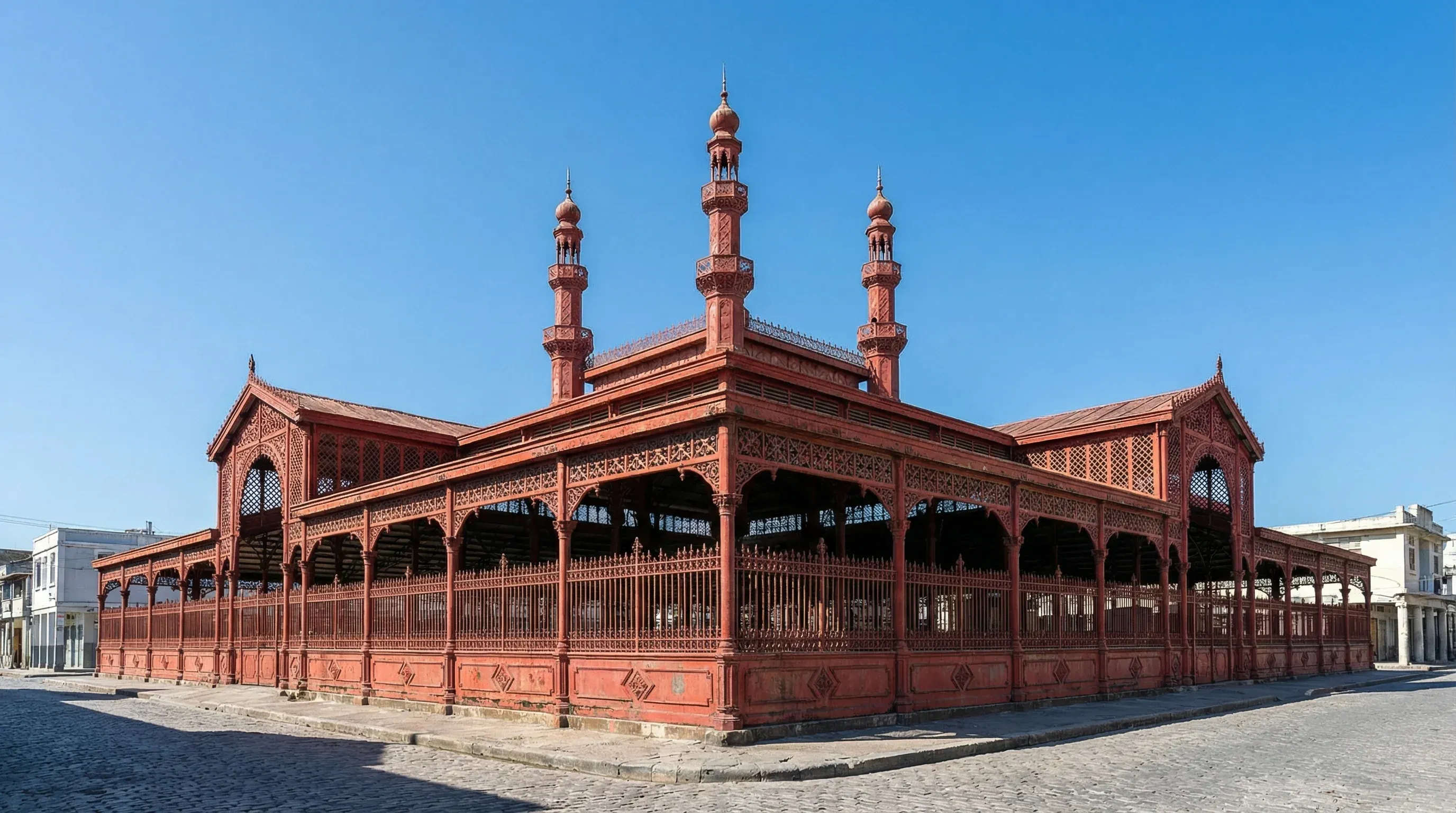

Port-au-Prince
The vibrant, resilient, and intense beating heart of the nation 🇭🇹🏙️
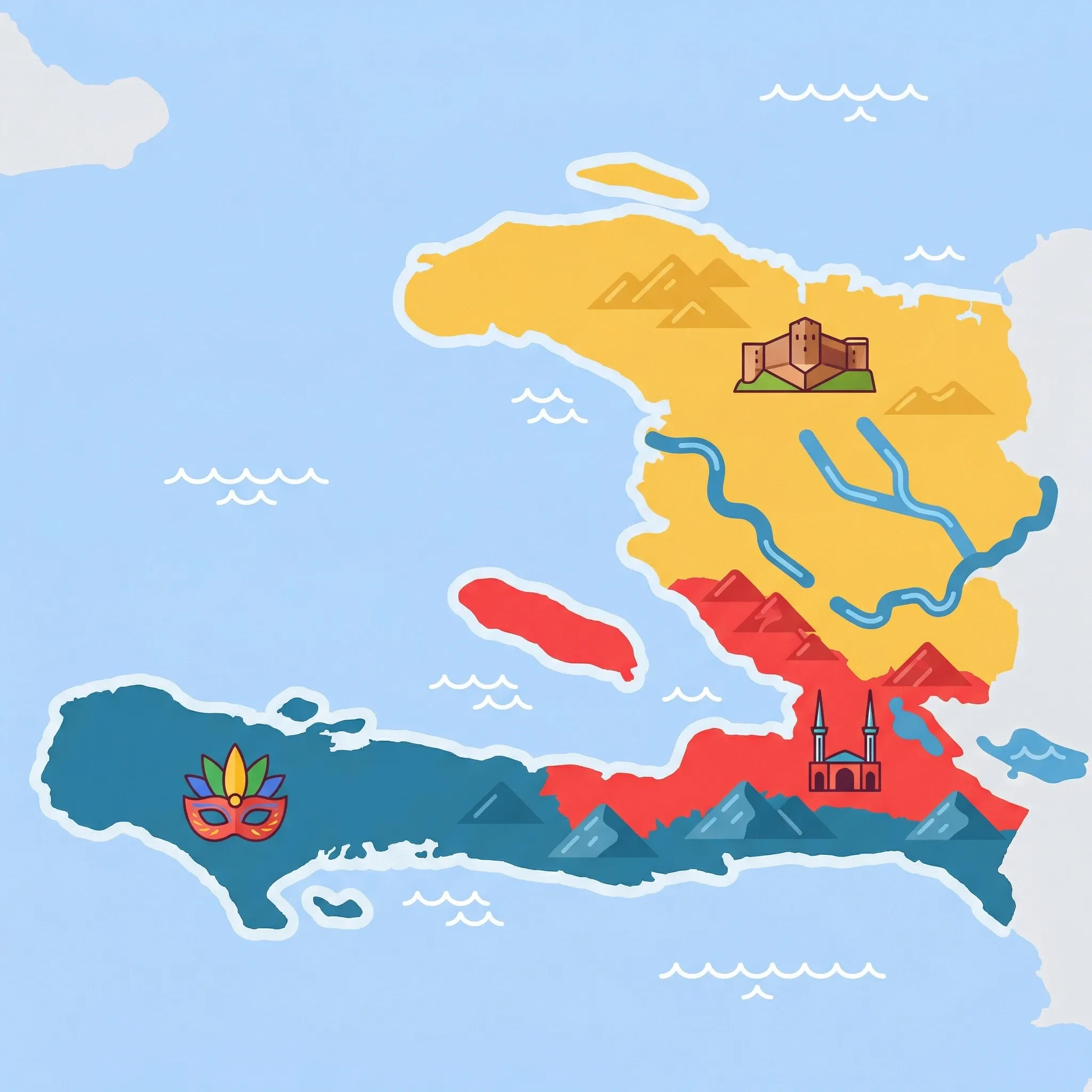
Click a region to explore
⚠️ SAFETY WARNING: Due to widespread gang control, kidnapping, and violent crime, government agencies (including CA, USA, UK, AU, IE, NZ) advise travelers to avoid all travel to Port-au-Prince under any circumstances. Armed gangs control significant portions of the capital, including key transit routes. Violence can occur without warning, and there is no safe area within the city for tourists at this time. Families are strongly urged to consult their own government's official travel advisory.
Overview
Port-au-Prince is a city of intensity. It is the political, economic, and cultural center of Haiti, sprawling from the bay up into the steep foothills of the Chaîne de la Selle mountains. The city is a sensory overload of colorful tap-tap buses, bustling street markets, and heat. While the current security situation overshadows its tourism appeal, the city remains the custodian of the nation's history. It is a place where resilience is visible on every corner, from the rebuilding efforts post-earthquake to the daily grind of its citizens. Pétion-Ville, located in the hills above the city center, offers a different atmosphere with upscale restaurants and galleries, though it too is affected by the instability.
Geographically, the region is a natural amphitheater. The city rises from the hot coastal plains to cooler mountain suburbs. For those who look beyond the urban density, the nearby mountains offer surprising ecology. The Parc National La Visite sits on the ridge above the capital, home to pine forests and cooler temperatures that feel entirely separate from the Caribbean heat below. The capital is also the center of the famous Haitian Carnival (Kanaval), a massive explosion of color, music, and political satire that traditionally takes over the streets in February, though recent years have seen muted celebrations due to safety.
Key Attractions
The most significant site for families to understand Haitian history is the Musée du Panthéon National Haïtien (MUPANAH). Uniquely built underground to protect its artifacts from earthquakes, this museum houses the anchor of Columbus's ship the Santa Maria, the silver pistol of Henri Christophe, and the chains of slavery broken by the revolution. It is a solemn, educational, and safe environment to learn about the country's fight for independence. The grounds outside feature manicured gardens and fountains, a rare quiet space in the city center.
For nature, Parc National La Visite offers a stark contrast to the city. Located in the Massif de la Selle, it offers hiking trails through pine forests and limestone karst landscapes. It is a place for birdwatching and breathing fresh mountain air, although access requires a sturdy vehicle and security awareness. While the city is challenging, these pockets of culture and nature highlight the diversity of the region.
Practical Advice
Best time to visit: The cooler months of December to March are preferable for the weather. However, the political climate dictates the feasibility of any visit.
Family logistics: Travel within the city requires meticulous planning. Secure, private transportation is mandatory. Walking on the streets with children is not recommended due to crowds, traffic, and security risks.
Food & Drink
Typical meal times: Lunch is the primary meal (12:00 pm to 2:00 pm). Dinner in Pétion-Ville restaurants starts around 7:00 pm, but due to curfews or safety concerns, many people eat earlier or at home.
Typical meal costs: Prices vary wildly. Street food is cheap (under 650 HTG / $5 USD), while a secure restaurant meal in Pétion-Ville can cost 2,600–5,300 HTG (approx. $20–40 USD / €18–37 EUR) per person.
Dietary requirements: High-end restaurants in Pétion-Ville cater to all diets, including vegan and gluten-free. In local spots, cross-contamination is common.
Signature dishes:
- Griot – The national dish; cubes of pork marinated in citrus and scotch bonnet peppers, then fried until crispy. Served with Pikliz (spicy pickled slaw).
- Diri ak Djon Djon – Rice cooked with black mushrooms native to the north, giving it a distinctive black color and earthy flavor.
- Fritay – An assortment of fried snacks (plantains, malanga fritters, marinades) sold on roadsides.
Why this score?
Adventure here is primarily found in the nearby Massif de la Selle and Parc National La Visite, which offer high-altitude hiking and dramatic escarpments. The urban environment itself is challenging to navigate due to crumbling infrastructure and safety considerations, requiring constant awareness. It is less about traditional recreation and more about the logistical complexity of traveling in a highly unpredictable environment.
Why this score?
Port-au-Prince contains the best medical facilities in Haiti, including private hospitals like Bernard Mevs that are accustomed to treating international patients. However, these facilities still operate with significant resource constraints and may not meet the expectations of travelers from developed nations. While it is the safest place in the country for a medical event, it is still rated poorly on a global scale.
Why this score?
As the capital and primary international gateway, Port-au-Prince sees the highest volume of international arrivals, though most are for business or NGO purposes. While it contains the country's best museums, such as MUPANAH, leisure tourism is currently minimal due to severe security concerns and civil unrest. It remains an emerging destination that most families avoid under current conditions.

While street prices are low, the cost of 'safe' travel in Port-au-Prince is very high. Secure hotels in Pétion-Ville charge international rates, often 20,000–33,000 HTG (approx. $150–250 USD / €140–230 EUR) per night. Hiring a private driver and vehicle is a significant daily expense, often exceeding 13,000 HTG ($100 USD) per day.

Getting Here & Around
Getting Here
- Airports – Toussaint Louverture International Airport (PAP) is the main entry point. However, it is frequently disrupted by gang violence in the surrounding perimeter. Travelers must have secure pickup arranged inside the airport zone.
- Bus – Buses from the Dominican Republic (Santo Domingo) run to PAP, but the border crossing and the road into the capital are high-risk zones.
Getting Around
- Private Armored Vehicle – For high-profile visitors or those prioritizing safety, armored transport is currently the standard recommendation.
- Private Driver – Essential. Do not use public transport. A trusted local driver who knows which neighborhoods to avoid is a survival necessity.
- Tap-Tap – These colorful converted pickup trucks are the main public transport. They are crowded, unsafe, and not recommended for tourists or families.
Nearby Airports (1 airport)
Port Au Prince International
PAPPort-au-Prince
View full flight map for Haiti →

Packing List
Cell towers can be unreliable during unrest; satellite comms provide a safety net.
Burning refuse and heavy traffic pollution make air quality poor in the city center.
Adds a layer of security to hotel rooms for peace of mind at night.
Keeping cash and documents concealed under clothing is essential in crowded areas.
Electricity blackouts are frequent and can last for days; keep devices charged for communication.
Cholera is a risk and bottled water may not always be available in emergencies.
ATMs are unreliable or empty; USD is widely accepted for essential payments.
Malaria and Zika are present, and accommodation may not have adequate screening.
Cellular networks can fail during unrest; essential for emergency coordination in remote areas.
Street lighting is non-existent in many areas and indoor power is unreliable.

Activities & Best Times

Hiking, wildlife, outdoor exploration, ecotourism
High-altitude pine forests in Parc National La Visite and ecological reserves offer unique Caribbean wilderness and hiking. Peak season coincides with the driest months for safe trail conditions, while the rainy seasons (May and Aug-Oct) make mountain paths difficult to navigate.

Urban tourism, museums, historical sites, architecture
Features world-class institutions like MUPANAH and a globally recognized art scene at Le Centre d'Art. The winter dry season provides the most comfortable conditions for exploring urban heritage sites and galleries without the intense humidity and heavy seasonal rains.

Scenic drives, countryside tours, route-based travel
Scenic mountain routes like Route de Kenscoff and Boutilliers offer spectacular panoramic views of the capital and bay. Visibility is highest and road conditions are most stable during the dry winter months, whereas the rainy season can lead to landslides and poor driving conditions.

Sport tourism, fitness activities, active recreation
The high-altitude trails to Pic la Selle and through the Chaîne de la Selle mountains provide significant infrastructure for trekking and mountain cycling. Activity is best supported during the cool, dry season to ensure trail accessibility and comfortable exertion levels.

Events, celebrations, seasonal attractions
Home to the culturally significant Haitian Kanaval in February and Fête Gede in November, offering highly authentic and unique experiences. These specific months represent the only times these world-renowned cultural events occur, with other months lacking major international festival draws.




Public Holidays & Calendar Next 12 months
Public holidays, festivals, cultural celebrations, and seasonal natural phenomena coming up in Port-au-Prince over the next 12 months.
Loading holidays and events...

Travel Advisory
All major agencies have issued their highest warning level for Haiti, citing a complete breakdown of security, pervasive gang violence, and high rates of kidnapping. Travellers are advised to avoid the country entirely and those already present are urged to depart immediately.
Safety Topics
Traveller Advice (4 groups)

Missionaries have been victims of high-profile kidnappings. Religious organizations should reconsider any presence due to targeted criminal threats.

Female visitors, particularly those driving alone, are frequently targeted for carjackings and robberies. There is a high risk of sexual violence in areas with limited police presence.

While not legally prohibited, same-sex relationships face significant public hostility and social stigma, potentially leading to harassment or physical assault.
Aid workers are specifically targeted by criminal groups for kidnapping for ransom due to perceived access to organizational funds.
Agency Summaries
Gangs have overrun major infrastructure, including prisons and airports. Security forces have limited capacity to respond to emergencies, making all areas of the country high-risk.
Australians are urged to leave if they can do so safely. Essential resources like fuel and water are in critically short supply, and gang violence has paralyzed major transport routes.
The security landscape is extremely volatile. With no active UK consular staff on the ground, emergency assistance is essentially unavailable to British nationals in the country.
High risk of violent crime including homicide, sexual assault, and carjacking. Kidnapping is common, targeting foreign nationals and residents alike. US government employees face strict travel restrictions and night curfews.
Irish citizens are warned against all travel due to the collapse of public safety. Diplomatic support is limited as there is no local Irish embassy.
Travel is extremely hazardous due to systemic gang control, frequent kidnappings, and widespread political instability. Civil order is severely compromised, and there is a state of emergency across multiple regions.
Information is provided for general guidance only and does not constitute travel, safety, medical, or legal advice. Conditions may change. Users are responsible for independently verifying information before travel.