
Roatán & Bay Islands
World-class snorkeling and turquoise waters for the whole family 🐬🏝️
Click a region to explore
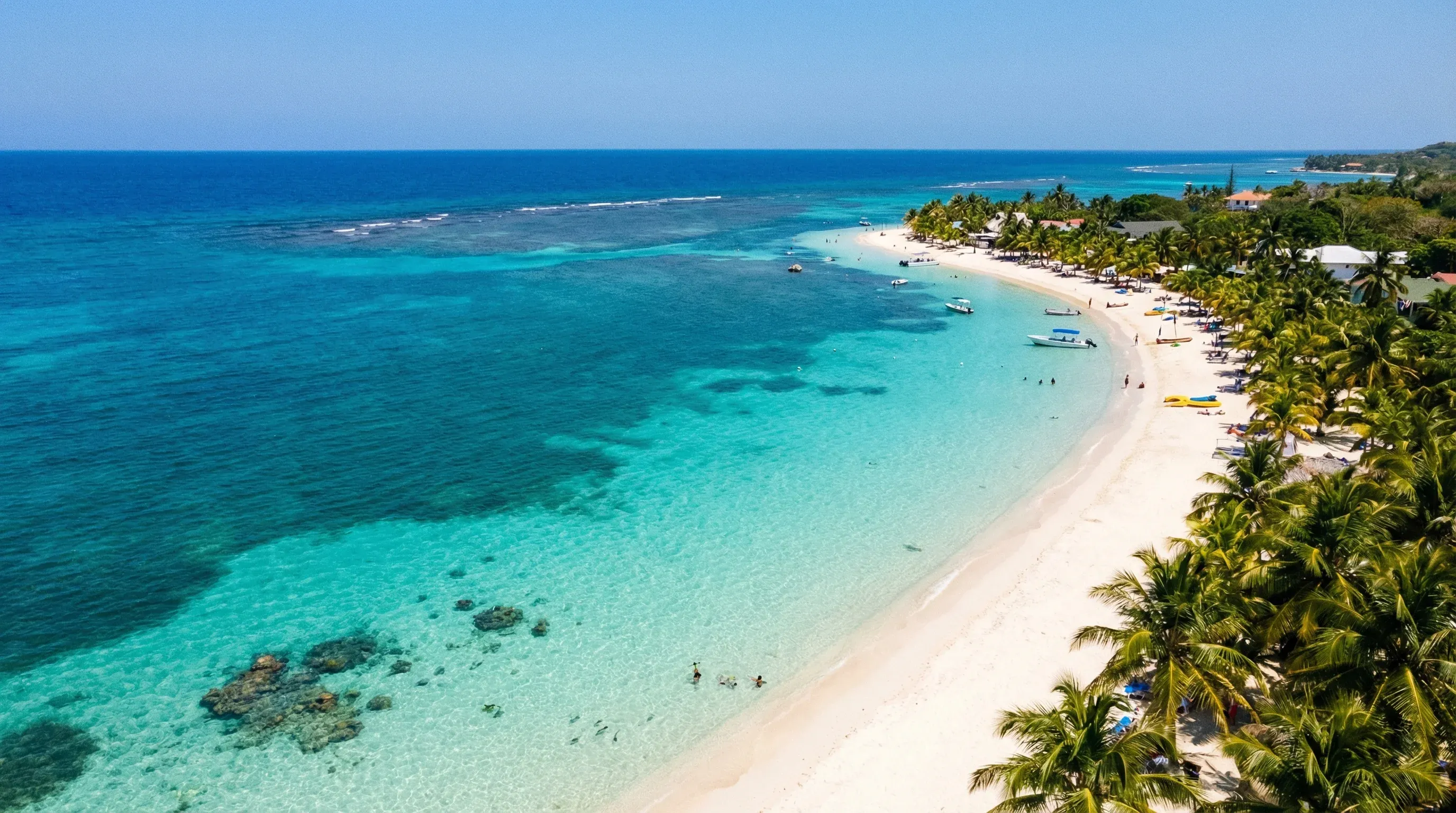
Roatán is the jewel of the Honduran Caribbean, a long, thin island surrounded by the Mesoamerican Barrier Reef—the second largest reef system in the world. For families, this is the most accessible and comfortable region to visit. Unlike the mainland, English is widely spoken (often as a first language), and the infrastructure caters specifically to international tourism. The vibe ranges from the bustling, resort-lined sands of West Bay to the laid-back, quirky charm of West End, and the remote, untouched mangroves of the East End.
The primary appeal here is the water. The reef is often just a short swim from the beach, meaning children can see colorful parrotfish, squid, and brain coral without needing a boat ride. The water is generally calm and warm, acting as a giant swimming pool for toddlers. Beyond the beach, the island is lush and hilly, offering jungle canopy tours and wildlife parks where kids can hold sloths or monkeys. It is a cruise ship destination, so popular spots can get crowded when ships are in port, but the island is large enough to find quiet corners.
Key Attractions
The Roatán Institute for Marine Sciences (located at Anthony's Key Resort) is a highlight for animal-loving families. It offers educational encounters with bottlenose dolphins in a natural lagoon setting, prioritizing research and conservation over performance. It's a profound experience for children to interact with these intelligent mammals in the ocean rather than a tank.
While not a single venue, the West Bay Beach is an attraction in itself—often cited as one of the best beaches in the Caribbean. The snorkeling right off the infamous "Black Rock" at the end of the beach is spectacular. For a break from the sun, the island's gumbalimba parks and sloth sanctuaries allow safe interaction with local wildlife, which is a guaranteed hit with younger kids.
Practical Advice
Roatán has a distinct micro-climate; while generally tropical, winter "nortes" (north winds) can bring rain from November to January. The easiest logistics are in West Bay or West End, where restaurants and beaches are walkable. Taxis do not have meters; negotiate the price before getting in.
Food & Drink
Typical meal times: "Island time" applies, but restaurants generally serve lunch 11:30 am to 2:30 pm and dinner 6:00 pm to 9:30 pm.
Typical meal costs: significantly higher than the mainland. A main dish in a tourist restaurant is L 400–800 (approx. $16–32 USD / €15–30 EUR).
Dietary requirements: Very accommodating. Vegan, gluten-free, and kid-friendly options (burgers, pizza) are available almost everywhere in the West End/West Bay areas.
Signature dishes:
- Lionfish – An invasive species that is delicious to eat (light, white flaky meat); eating it helps save the reef.
- King Crab – Roatán is famous for huge spider crabs, often served with garlic butter; mostly found in the Jonesville/Oak Ridge area.
- Monkey La La – The island's signature frozen cocktail (vodka, Kahlua, Bailey's, coconut cream), easily made "virgin" for kids.
Why this score?
Adventure here is primarily water-based, focusing on snorkeling and scuba diving along the Mesoamerican Barrier Reef. The island is highly developed with paved roads and commercialized wildlife encounters, making it more of a comfortable vacation spot than a rugged wilderness.
Why this score?
The island features several private clinics and a small hospital that specifically cater to tourists and the expat community. While medical care is better suited for foreigners here than in many mainland areas, serious surgical needs often require evacuation to the mainland or abroad.
Why this score?
Roatán is Honduras' premier international destination, serving as a major port for Caribbean cruise lines and a world-class diving hotspot. It possesses the most robust tourism infrastructure in the country, with high densities of international resorts, direct flights from the US, and English-speaking services.

Roatán is the most expensive part of Honduras. Prices are comparable to popular US or Caribbean destinations. A mid-range family resort room costs L 4,500–7,500 (approx. $180–300 USD / €165–280 EUR) per night. Budget travelers can find cheaper eats (baleadas) for L 100 ($4 USD) in local neighborhoods, but tourist menus are pricey.
Family Travel Notice
Minors travelling alone or with only one parent must provide a notarized letter of consent in Spanish from the non-travelling legal guardians to enter or exit the country.

Getting Here & Around
Getting Here
- Airports – Juan Manuel Gálvez International Airport (RTB) receives direct flights from US cities (Houston, Miami, Atlanta) and frequent connections from San Pedro Sula.
- Ferry – The Galaxy Wave ferry connects Roatán to La Ceiba on the mainland (approx. 75 mins). The ride can be choppy; motion sickness meds are advised.
- Cruise – Many families arrive via cruise ships docking at Coxen Hole or Mahogany Bay for day trips.
Getting Around
- Water Taxi – The most scenic way to travel between West End and West Bay ($3–5 USD per person).
- Taxi – Abundant but unmetered. Agree on a price in Lempiras or Dollars before entering.
- Rental Car – Useful for exploring the remote East End, but drive carefully as roads can be narrow and winding.
Nearby Airports (2 airports)
Guanaja
GJAGuanaja
Roatan
RTBRoatan
View full flight map for Honduras →
Official Links

Packing List
Strictly enforced to protect the coral; regular sunscreen is discouraged
Sandflies (noseeums) are invisible and leave itchy bites, especially at dusk
Rental gear often doesn't fit small faces well; bring your own mask
Widely accepted, but change is often given in Lempiras
The ferry crossing between La Ceiba and Roatán/Utila is notoriously rough, often called the 'Vomit Comet'.
Mosquito-borne illnesses like Dengue are real risks here, especially on the mainland and in rainforest areas.
Many beaches have broken coral or sea urchins, and river activities like at Cangrejal require foot protection.
Travel between islands and beaches is often on small 'lancha' boats where luggage gets soaked by spray.
Power outages are relatively common on the islands and in rural mainland areas.

Activities & Best Times

Hiking, wildlife, outdoor exploration, ecotourism
With 14 supporting attractions, the region excels in immersive wildlife encounters with sloths, monkeys, and iguanas alongside extensive jungle canopy exploration. Peak visiting occurs during the dry season to ensure trail accessibility and comfortable conditions for family-oriented nature discovery.

Beach resorts, marine activities: diving, snorkelling, kite surfing, wind surfing, sailing
Roatán is home to the Mesoamerican Barrier Reef (second-largest in the world), world-class diving, and pristine Caribbean beaches. The region competes internationally with Cozumel and Belize for diving tourism. 'Good' undervalues its global significance.

Urban tourism, museums, historical sites, architecture
The authentic Garifuna culture at Punta Gorda and the vibrant, walkable street life of West End Village offer significant cultural immersion for families. These open-air experiences are best enjoyed during the drier months when village life is most active and accessible.

Sport tourism, fitness activities, active recreation
Features established infrastructure for tropical hiking trails and multiple high-quality canopy zipline circuits. These active pursuits are best experienced during the first half of the year to avoid the intense humidity of summer and the heavy rainfall of the autumn months.

Learning experiences, scientific sites, historical education
Home to internationally significant marine science and conservation centers, including the Roatán Institute for Marine Sciences. While research programs run year-round, the facilities are most comfortably visited outside of the humid and rainy months of October and November.

Scenic drives, countryside tours, route-based travel
The scenic drive to the island's East End provides access to remote landscapes and traditional Caribbean vistas. Road conditions and visibility are most reliable during the dry season, whereas heavy tropical rainfall can make driving more challenging in the late year.




Public Holidays & Calendar Next 12 months
Public holidays, festivals, cultural celebrations, and seasonal natural phenomena coming up in Roatán & Bay Islands over the next 12 months.
Loading holidays and events...

Travel Advisory
Five out of six major agencies recommend exercising a high degree of caution or increased vigilance due to pervasive violent crime and civil instability. While the U.S. recommends reconsidering travel, the majority consensus supports an elevated caution status for the country overall, with severe restrictions for specific eastern and border regions.
Safety Topics
Traveller Advice (5 groups)

Do not display expensive items or signs of wealth. Stay alert at all times, especially when using banks or ATMs, and avoid any travel outside of major urban centres after sunset.

While legal, same-sex relationships may not be widely accepted in all social circles. Travellers may encounter discrimination or hostility in certain areas.

Minors travelling alone or with only one parent must provide a notarized letter of consent in Spanish from the non-travelling legal guardians to enter or exit the country.

Incidents of harassment and sexual assault occur. It is strongly advised not to travel alone, particularly in isolated areas or on unpopulated beaches.

Personnel should follow strict internal security protocols due to the risk of kidnapping and extortion by local criminal gangs.
Agency Summaries
Persistent threats of violent crime, including carjacking and armed robbery, necessitate a high level of personal security. Australians are advised to avoid walking or driving after dark and to be particularly cautious near transit hubs.
Serious crime levels are high across the country. The government advises against all travel to certain remote eastern regions and warns of increased gang violence targeting public transport and commercial drivers.
Travellers should remain extremely vigilant due to pervasive violent crime and gang activity. Specific regional warnings advise against all travel to the eastern department of Gracias a Dios and suggest avoiding non-essential trips to the border area with Guatemala.
Due to widespread homicide, armed robbery, and kidnapping, visitors are urged to reconsider their travel plans. A Level 4: Do Not Travel advisory is in effect for the Gracias a Dios region, where narcotics trafficking and limited police presence pose extreme risks.
Security concerns are significantly higher than typical. Notable risks include very high homicide rates, civil unrest with violent protests, and the presence of unexploded munitions in specific border zones.
Irish citizens are advised of the high risk environment regarding personal safety. Pre-registration with immigration authorities is required, and travellers are reminded of limited consular support within the country.
Information is provided for general guidance only and does not constitute travel, safety, medical, or legal advice. Conditions may change. Users are responsible for independently verifying information before travel.