
Budapest (standalone)
Thermal baths and fairy tale castles on the Danube 🏰💦
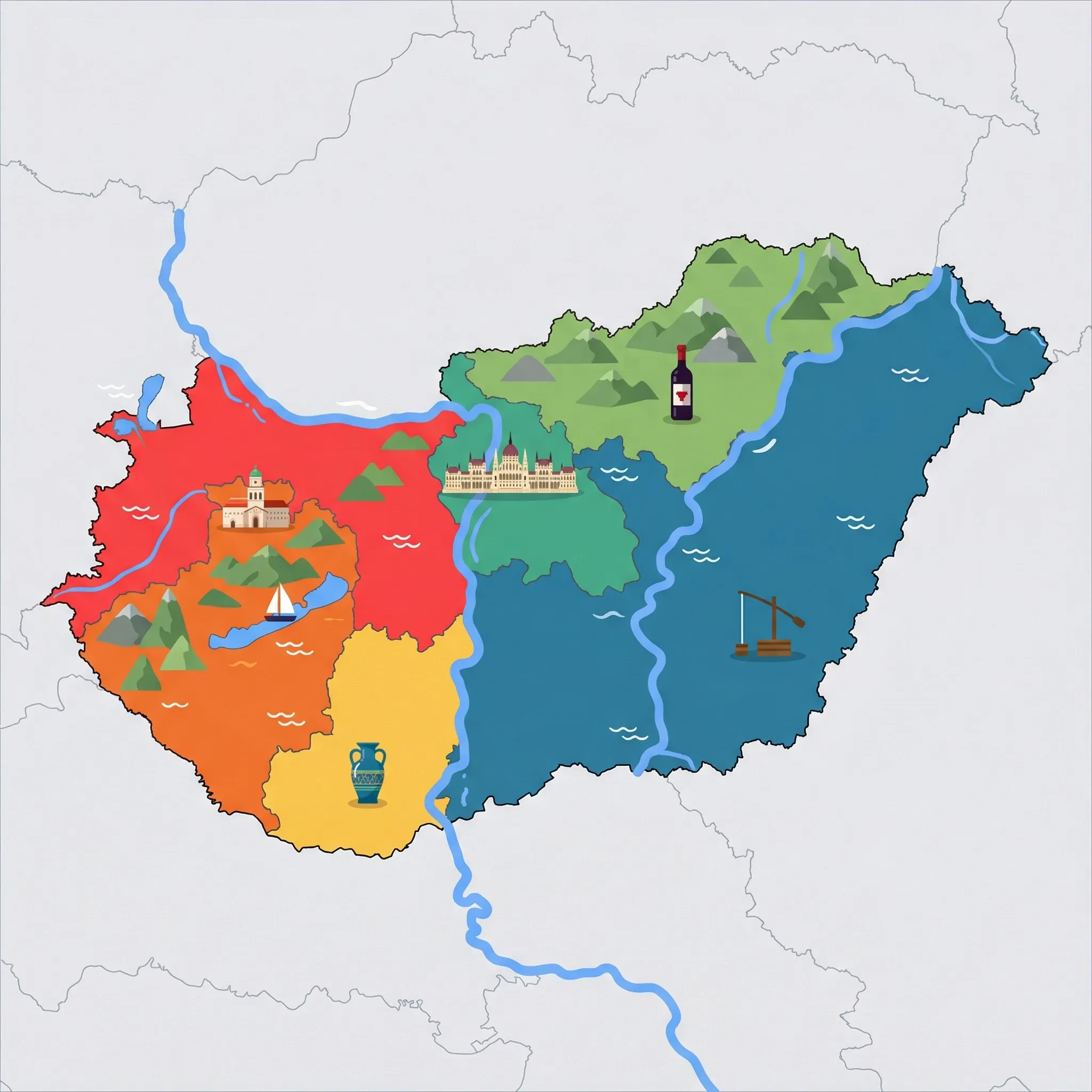
Click a region to explore
Overview
Budapest is frequently cited as one of the most family-friendly capital cities in Europe. Bisected by the majestic Danube River, the city offers two distinct personalities: Buda, with its rolling hills, castle walls, and panoramic views, and Pest, the vibrant, flat commercial heart filled with parks and grand boulevards. For families, this duality is perfect; you can spend the morning hiking up Gellért Hill for the best views in the country, and the afternoon cycling through the pedestrian-friendly flatlands of the city centre. The climate is continental, meaning hot, sunny summers perfect for ice cream by the river, and cold, snowy winters that turn the city into a festive wonderland.
What makes Budapest truly unique for children is its 'playful' history. This isn't a city of stuffy museums behind glass; it is a city of interactive history. Kids can ride the Children's Railway (run by children!), explore underground caves, and visit the Budapest Zoo & Botanical Garden, one of the oldest in the world with architecture as impressive as the animals. The city is also famous for its thermal water culture. While some historic Turkish baths are adult-focused, the city is dotted with massive lidos and aqua parks where splashing is mandatory. The atmosphere is safe, the public transport is fun in itself (trams and funiculars), and the locals adore children.
Key Attractions
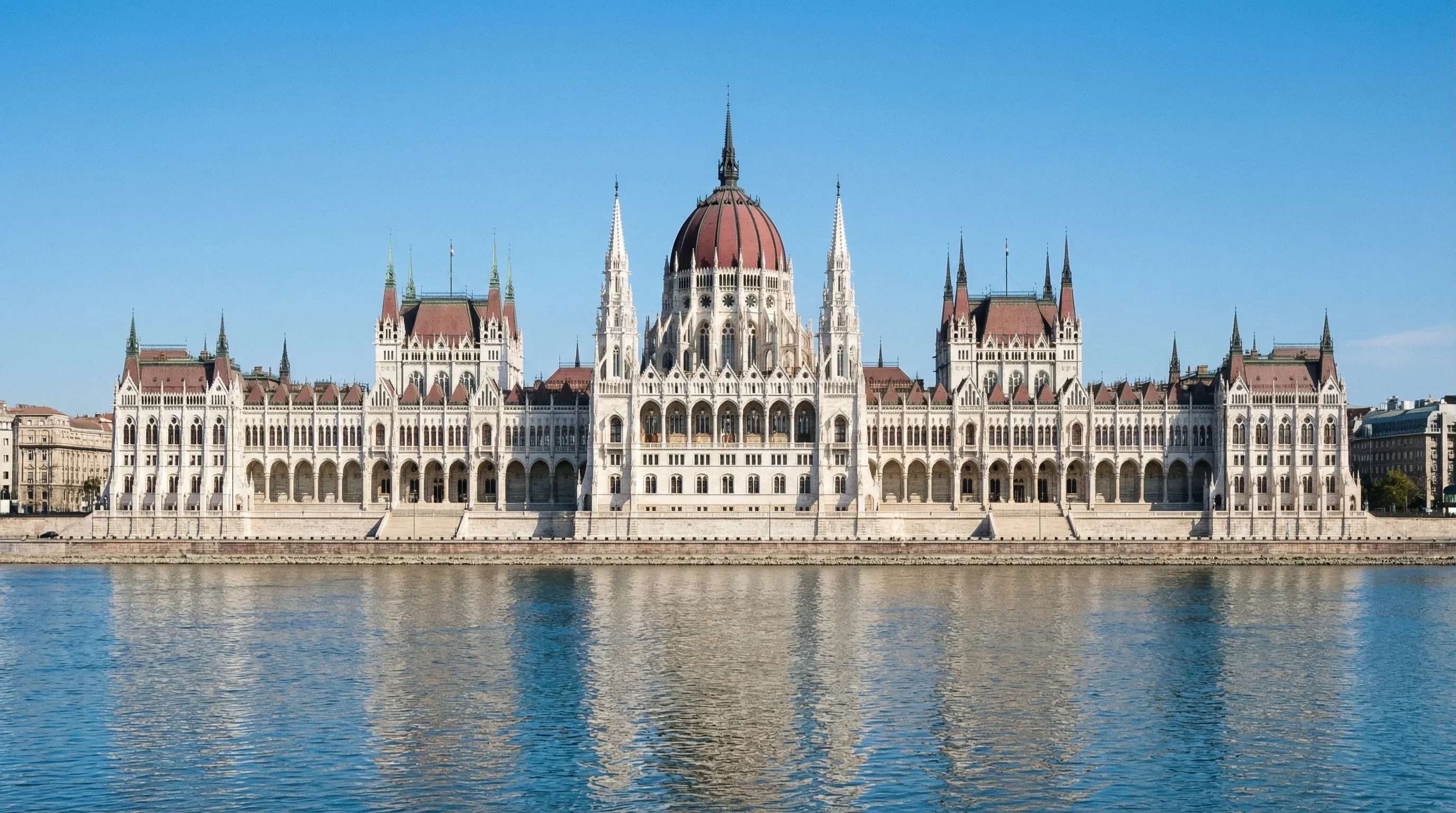
No family trip is complete without visiting the Buda Castle district. You can take the funicular up the hill, watch the changing of the guards, and explore the fairytale towers of Fisherman's Bastion, which looks like the logo of a famous movie studio come to life. Across the river, the Hungarian Parliament Building dominates the skyline; while the interior tours are great for older kids, the surrounding square with its misty water features is a hit with toddlers. For pure recreation, head to City Park Ice Rink (which becomes a boating lake in summer) located right next to the Zoo. Finally, Margaret Island is a car-free green oasis in the middle of the river featuring a musical fountain, a small wildlife park, and electric buggies for hire.
Practical Advice
The best times to visit are late spring (May-June) and early autumn (September-October) when temperatures are mild. July and August can see temperatures exceed 30°C (86°F). Budapest is extremely walkable, but the historic cobblestones in the Castle District can be bumpy for lightweight strollers; a carrier is useful for the Buda side. Public restrooms are often paid (have coins ready), but malls and museums offer free facilities.
Food & Drink
Typical meal times: Lunch is typically served from 12:00 pm to 2:00 pm, while dinner is usually eaten between 6:00 pm and 9:00 pm. It is rare to find kitchens open past 10:00 pm.
Typical meal costs: A meal for a family of four in a mid-range restaurant costs approximately 20,000–35,000 HUF (approx. $55–95 USD / €50–88 EUR). Street food snacks like Lángos cost around 1,500–2,500 HUF (approx. $4–7 USD / €3.50–6.50 EUR).
Dietary requirements: Budapest is very modern regarding dietary needs. 'Mentes' (free-from) bakeries are common, and most restaurants clearly label allergens. Vegan options are widely available in the Pest city center, though traditional restaurants rely heavily on dairy and pork.
Signature dishes:
- Lángos – A deep-fried flatbread rubbed with garlic and topped with sour cream and grated cheese. The ultimate Hungarian street food.
- Kürtőskalács (Chimney Cake) – A sweet, spiral pastry roasted over charcoal and coated in sugar, cinnamon, or walnut. Kids love watching them being made.
- Gulyásleves (Goulash Soup) – The authentic version is a soup, not a stew, featuring tender beef, potatoes, and plenty of paprika.
- Töltött Káposzta – Cabbage leaves stuffed with seasoned minced pork and rice, usually served with sour cream.
Why this score?
The region is almost entirely urbanized with highly developed infrastructure and extensive public transport systems. While the Buda Hills offer light hiking and the Children's Railway, the experience remains firmly within a controlled city environment.
Why this score?
As a global hub for dental and medical tourism, Budapest offers numerous high-end private clinics and hospitals with multilingual staff. Its facilities are the most advanced in the country, routinely catering to international patients and expat families with ease of insurance processing.
Why this score?
Budapest is a major international draw comparable to Prague, attracting millions of visitors to its historic thermal baths and Gothic Parliament. As the primary gateway to Hungary, it sustains a massive international flow with 76 major attractions and a dense concentration of hotel beds.

Budapest is more expensive than the Hungarian countryside but remains good value compared to Western European capitals. A family apartment rental costs 35,000–60,000 HUF (approx. $95–165 USD / €90–150 EUR) per night. Public transport passes are very cheap; a 24-hour group travelcard (for up to 5 people) is a bargain at around 5,000 HUF (approx. $14 USD / €12.50 EUR).

Getting Here & Around
Getting Here
- Airports – Ferenc Liszt International Airport (BUD) is the main hub, located about 16 km southeast of the city center. The 100E bus provides a direct link to the center.
- Train – Budapest is a major rail hub for Central Europe. Direct trains arrive at Keleti, Nyugati, and Déli stations from Vienna (2.5 hours), Prague, and Munich.
- Driving – The M1 highway connects directly from Vienna. Traffic in the city center can be heavy and parking is expensive; it is best to park at a P+R (Park and Ride) and use public transport.
Getting Around
- Public Transport – The BKK network is excellent, featuring trams, buses, trolleys, and four metro lines. Children under age 6 travel for free. The historic Metro Line 1 (near Heroes' Square) is an attraction in itself.
- Walking – The Pest side is flat and very walkable. Crossing the Chain Bridge or Liberty Bridge on foot offers great views.
- Ferry – The BKK public boat service offers a scenic and cheap way to see the Hungarian Parliament Building from the water.
Nearby Airports (1 airport)
Budapest Ferenc Liszt International Airport
BUDBudapest
View full flight map for Hungary →
Official Links

Packing List
Essential for thermal baths and Aquaworld; renting gear on-site is expensive/hassle.
Mandatory in the lap-swimming pools of many thermal bath complexes.
Pest can be hot asphalt in summer, but flip-flops aren't enough for Buda's cobblestones.
Strictly mandatory in the swimming lap pools at most thermal baths (like Széchenyi or Gellért).
Required for hygiene in thermal bath walkways; walking barefoot is often prohibited.
Ticks are common in Hungarian forests and the Buda Hills; handy for hiking families.
Towel rentals at baths can be expensive or low quality; bringing your own is cleaner and cheaper.
Essential for summer evenings, especially if staying near Lake Balaton or the Danube river.

Activities & Best Times

Urban tourism, museums, historical sites, architecture
Budapest is a premier global destination for architecture and history, featuring world-class sites like the Parliament and Buda Castle. Peak seasons offer pleasant walking weather and festive winter markets, while hot summers and gray mid-winter months are slightly less optimal.

Sport tourism, fitness activities, active recreation
Home to the world-famous City Park Ice Rink and key segments of the EuroVelo 6 cycling route. Peak activity corresponds with winter skating and the temperate months best suited for long-distance riverside cycling.

Amusement parks, family entertainment venues
Features major attractions like Aquaworld, one of Europe's largest indoor water parks, and heritage rides at the zoo. Summer months and the Christmas holiday period represent the peak for family-oriented entertainment and resort visitation.

Hiking, wildlife, outdoor exploration, ecotourism
Capital cities rarely justify 'very_good' for adventure/nature. One cave system and riverside trails are nice but not exceptional by international standards. Downgrade to 'good' pending addition of proper nature park attractions.

Events, celebrations, seasonal attractions
Sziget Festival is one of Europe's largest music festivals with 500k+ attendance. This warrants 'good' rating once festival attraction is added.

Spa retreats, wellness centers, peaceful getaways
Budapest's historic thermal baths like Széchenyi and Gellért offer an authentic wellness tradition. The experience is most atmospheric and popular during the colder months, though the facilities remain open and accessible year-round.

Scenic drives, countryside tours, route-based travel
The Danube Bend offers a scenic driving route through historic towns just north of the city. It is best enjoyed in clear weather from late spring to early autumn for maximum visibility and pleasant stops in rural villages.

Attractions (33 total)



Public Holidays & Calendar Next 12 months
Public holidays, festivals, cultural celebrations, and seasonal natural phenomena coming up in Budapest (standalone) over the next 12 months.
Loading holidays and events...

Travel Advisory
All major agencies agree that Hungary is a safe destination requiring only standard travel safety awareness and common sense precautions.
Safety Topics
Traveller Advice (3 groups)

While the capital is generally open, be aware of legislation that may restrict public displays of affection or the depiction of certain identities to minors. Some public rallies or marches may be subject to fines or facial recognition monitoring.

When visiting lakes, forests, or rural areas from spring to autumn, take precautions against ticks which can transmit encephalitis. Check for ticks immediately after outdoor activities.

Exercise caution in tourist districts and on public transport where pickpocketing is common. Avoid large political demonstrations in Budapest and verify menu prices in bars to avoid overcharging scams.
Agency Summaries
Maintain common sense vigilance. Be alert for petty crime on public transport and overcharging scams in nightlife venues. Note that the Australian Embassy in Budapest is closed; assistance is provided via Vienna.
No specific security warnings are in place. Travellers are advised to monitor local conditions and be aware of health risks such as tick-borne encephalitis in rural or wooded areas.
Travellers should maintain standard safety awareness. While Hungary is generally safe, seasonal spring flooding can occur along the Danube and Tisza rivers. Consular assistance for dual citizens may be limited.
Standard precautions are advised. Recent updates highlight specific legal regulations affecting LGBTQ+ public events and the implementation of the new European Entry-Exit System for border crossings.
General safety awareness is recommended. Travellers should stay informed about potential civil unrest in Budapest and maintain vigilance in public spaces due to the global threat of terrorism.
Hungary is classified as a safe destination. Visitors should practice typical safety habits, especially regarding petty theft in crowded Budapest tourist spots, and use only legitimate currency exchange offices.
Information is provided for general guidance only and does not constitute travel, safety, medical, or legal advice. Conditions may change. Users are responsible for independently verifying information before travel.