
Overview
Iceland is a destination that captivates children’s imaginations like few others. This island nation, sitting just below the Arctic Circle, is defined by its dramatic contrasts: bubbling hot springs, massive glaciers, active volcanoes, and black sand beaches. For families, it offers the rare chance to experience raw nature in a safe, developed, and incredibly child-friendly environment. The locals welcome children everywhere, and the country’s low crime rate makes it one of the safest places in the world to travel.
While the landscapes are rugged, the infrastructure is excellent. The famous Ring Road makes road-tripping accessible even for hesitant drivers, and the culture revolves around family life-evident in the high-quality swimming pools found in almost every town. From the cosmopolitan charm of Reykjavik to the remote beauty of the Westfjords, Iceland turns geology into a hands-on science lesson where kids can touch ancient ice and stand inside volcanic craters.
Key Attractions
Most family trips begin in Reykjavik & Southwest, home to the world-famous Blue Lagoon. While popular, it is a bucket-list experience where children can float in milky-blue, warm waters. Nearby, the Perlan (Wonders of Iceland) museum features a real indoor ice cave and a planetarium, perfect for rainy days. A drive around the Golden Circle introduces kids to the explosive power of nature at the Geysir Geothermal Area, where the Strokkur geyser shoots water into the air every few minutes, and the majestic Gullfoss Waterfall.
Heading along the South Coast, families can explore Seljalandsfoss, a waterfall you can actually walk behind-be prepared to get wet! Further east, the Reynisfjara Black Sand Beach offers otherworldly basalt columns that look like giant steps, though the waves here demand caution. The crown jewel for many is the Jökulsárlón Glacier Lagoon, where seals often play among floating blue icebergs. In North Iceland, the town of Húsavík is the whale-watching capital of Europe; after a boat tour, visit the Húsavík Whale Museum to see full-size whale skeletons.
Practical Advice
The weather in Iceland is notoriously changeable; you might experience four seasons in one day. The best time for families is summer (June–August) for endless daylight and accessible roads. Winter offers the Northern Lights but requires flexibility due to storms. Booking accommodation months in advance is essential, as family rooms sell out quickly. Tap water is among the purest in the world-drink it freely.
Food & Drink
Typical meal times: Lunch is usually 11:30 am to 1:30 pm, and dinner is served from 6:00 pm to 9:00 pm. Many rural restaurants close their kitchens relatively early (around 8:30 pm or 9:00 pm).
Typical meal costs: 3,500–6,500 ISK (approx. $25–47 USD / €23–43 EUR) for a main course. Burgers and pizza range from 2,500–4,000 ISK (approx. $18–29 USD / €17–27 EUR).
Dietary requirements: Vegetarian and gluten-free options are widely available in Reykjavik and larger towns. In rural areas, options may be limited to salads or basic fish dishes, but chefs are generally accommodating. Dairy is heavily used in Icelandic cuisine.
Family-friendly dining: Icelanders love children, and almost every restaurant offers highchairs and a kids’ menu. Gas stations (N1, Olís) often have excellent cafeterias serving hearty soups and burgers, which are a popular, budget-friendly option for traveling families.
Signature dishes:
- Pylsur – The Icelandic hot dog, made with lamb and topped with raw and crispy onions, sweet mustard, and remoulade. A cheap, kid-favourite staple.
- Skyr – A thick, creamy cultured dairy product similar to Greek yogurt, often served with fresh berries or sugar.
- Kjötsúpa – Traditional lamb meat soup with root vegetables, perfect for warming up after a cold hike.
- Plokkfiskur – A comforting fish stew made with cod or haddock, potatoes, onions, and béchamel sauce, often served with rye bread.
- Rúgbrauð – Dark, dense rye bread, traditionally baked in the ground using geothermal heat.
Safety
Iceland is very safe regarding crime, but nature poses real risks. Reynisfjara Black Sand Beach has dangerous "sneaker waves" that can pull people out to sea-never turn your back on the water. Hot springs can be scalding; test the water before letting children jump in. Always check SafeTravel.is for weather warnings before driving, as wind gusts can be strong enough to damage car doors.

Iceland is expensive. A family of four should budget 40,000–60,000 ISK (approx. $290–435 USD / €265–400 EUR) per day for mid-range accommodation, car rental, and modest meals. Eating out is pricey, so many families rely on supermarkets and hot dogs to keep costs down.
Age Suitability





Did you know? Iceland welcomes approximately 698,000 international visitors per year. Most visitors come from Europe.
Explore Regions
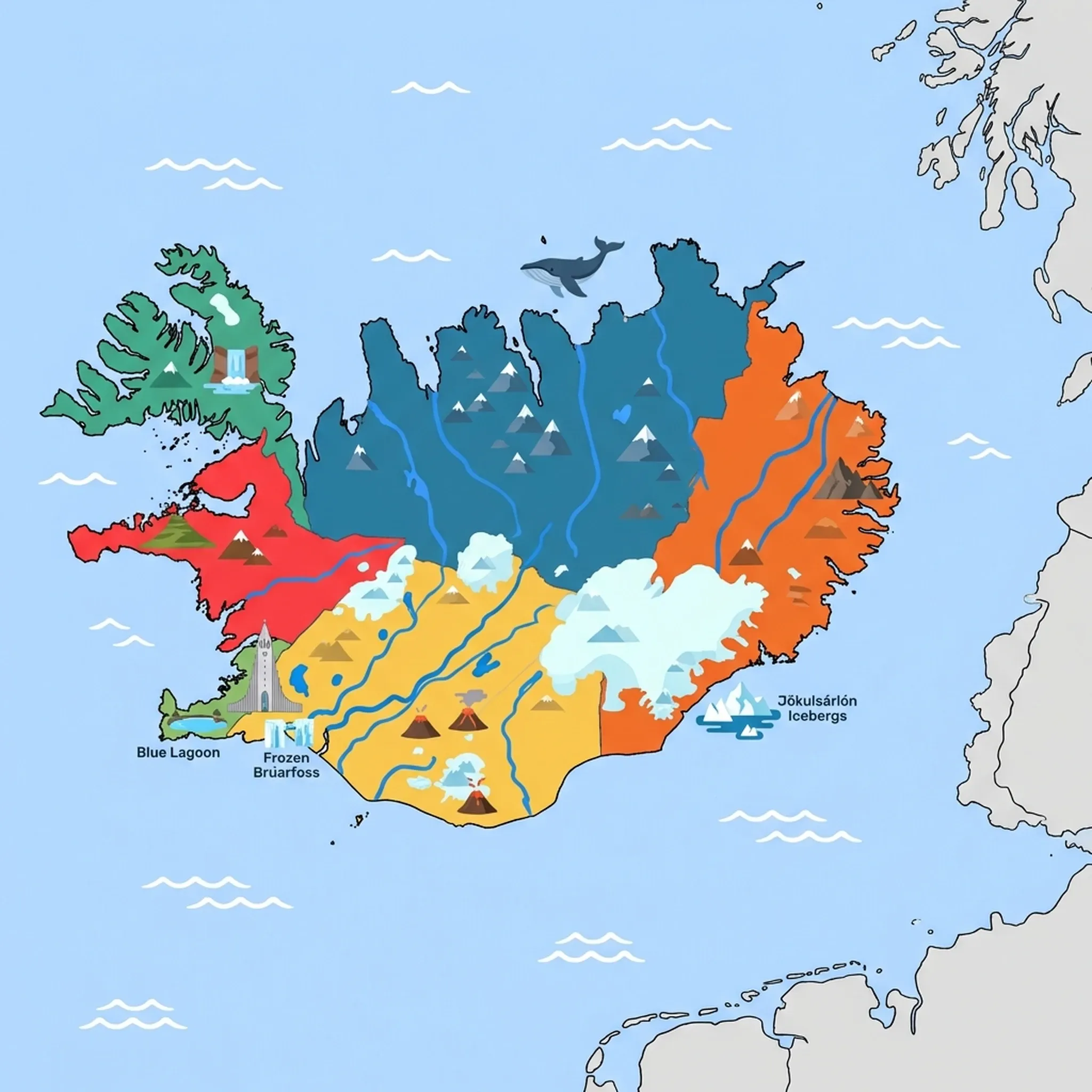
6 Regions
East Fjords
Where wild reindeer roam and mountains meet the sea 🦌🏔️
North Iceland (Akureyri, Mývatn)
Land of midnight sun, whales, and volcanic wonders 🐋🌋
Reykjavik & Southwest (Golden Circle, Blue Lagoon)
Where city style meets geysers and glaciers 🏙️🌋
Snæfellsnes Peninsula
Iceland in miniature: Volcanoes, glaciers, and secret beaches 🏔️🌊
South Coast (waterfalls, glaciers, Vik)
The land of fire and ice: Waterfalls, black sands, and diamond beaches 🧊🌊
Westfjords
The edge of the world: Wild, remote, and breathtaking 🦊🦅
Click on a region marker to explore details. Use the dropdown to color regions by activity suitability.

Getting There & Around
Getting There
- By Air – Keflavík International Airport (KEF) is the main gateway, located about 45 minutes from Reykjavik. It handles flights from Europe and North America.
- By Sea – The Smyril Line ferry sails from Denmark to Seyðisfjörður in the East Fjords, allowing you to bring your own car (a 2-3 day journey).
- Entry Requirements – Iceland is a Schengen member. US, UK, and EU citizens do not currently need a visa for stays up to 90 days. Check your government website for the latest visa requirements, or use the IATA Travel Centre entry-requirements checker.
Getting Around
- Car Hire – The best way for families to explore. Most major sights are along the Ring Road (Route 1) or easy detours from it. Book 4WD if visiting in winter or planning to drive on gravel roads. Car seats are widely available for rent.
- Domestic Flights – Connect Reykjavik (RKV) to Akureyri (AEY) in North Iceland and Egilsstaðir (EGS) in the East, saving long drive times.
- Buses – The Strætó public bus network covers the country but frequencies in rural areas are low, making it difficult for family touring. Children under 11 travel free on city buses.

Packing List
Summer brings 24-hour daylight (Midnight Sun), making it very hard for children to sleep without total darkness.
Rain comes sideways, and waterfalls like Seljalandsfoss soak you completely. Jeans will stay wet and cold all day.
Icelandic tap water is pristine and free. Buying bottled water is considered a 'tourist tax' and unnecessary.
Essential for visiting natural hot springs or local swimming pools where towel rental can be expensive or unavailable.
The combination of strong winds and dry cold air chaps skin very quickly, especially on children's faces.
Pack this even in winter! You will visit geothermal pools, hot tubs, and lagoons constantly—it's a daily ritual.

Activities & Best Times

Adventure & Nature
ExcellentHiking, wildlife, outdoor exploration, ecotourism
Features Snæfellsjökull National Park and Kirkjufell mountain; summer months offer optimal conditions for hiking and glacier access, while winter weather is too severe for family exploration.
Home to the Diamond Circle and otherworldly volcanic landscapes like Lake Mývatn and Dettifoss, offering premier wilderness immersion. Summer provides 24-hour light for exploration, while winter months are peak for high-quality Aurora Borealis sightings in remote settings.
A global leader for nature-based adventure featuring dramatic volcanic landscapes, waterfalls like Gullfoss, and tectonic rifts at Thingvellir. Summer offers total accessibility and midnight sun, while shoulder months balance decent weather with the potential for Northern Lights viewings.

City & Cultural
Very GoodUrban tourism, museums, historical sites, architecture
Akureyri is a sophisticated hub with unique cultural landmarks like the northernmost botanical garden and heritage sites like the Herring Era Museum. The summer months offer vibrant street life and festivals, while winter is primarily focused on indoor galleries and festive holiday traditions.
Reykjavik is a sophisticated capital with a world-class culinary scene and vibrant design culture that appeals to experienced travelers. Summer months are peak for urban exploration, while December is highly sought after for its unique Nordic festive atmosphere.
Features unique heritage sites like the Skógar Museum and Keldur turf houses alongside globally recognized landmarks like the Solheimasandur wreck. Summer offers the most vibrant atmosphere and reliable access to these culturally significant rural sites.

Sports & Active
Very GoodSport tourism, fitness activities, active recreation
Offers world-class hiking trails and guided excursions into Vatnshellir Cave; peak months provide the necessary daylight and weather stability for organized outdoor activities.
Exceptional infrastructure for cycling loops around Mývatn and world-class canyon trekking in Jökulsárgljúfur during summer. Spring months offer peak conditions for active snow sports, benefiting from longer daylight hours and established mountain trails.
Boasts world-renowned trekking routes like the Fimmvörðuháls trail and organized glacier hiking in Skaftafell. The season is restricted to late summer when high-altitude infrastructure is fully accessible and weather conditions are stable enough for active sport.

Beach & Sea
GoodBeach resorts, marine activities: diving, snorkelling, kite surfing, wind surfing, sailing
Features iconic black pebble beaches and seal watching at Ytri Tunga; while not for swimming, these coastal sites are best experienced during the calmer, warmer summer months.
Offers world-unique coastal experiences at Reynisfjara and the Diamond Beach, though these are for exploration rather than swimming. Harsh winter storms and dangerous sneaker waves make coastal visits strictly a fair-weather activity for safety-conscious families.
Unique black sand beaches and coastal formations like Hvítserkur offer spectacular photography and wildlife viewing (seals), though not for swimming. Only recommended for sophisticated families in peak summer when coastal visibility and light are optimal.

Educational & Exploratory
GoodLearning experiences, scientific sites, historical education
The Húsavík Whale Museum is a destination-level scientific facility of international importance. Visitation is best during the peak summer whale watching season when field research and active marine education are most accessible.
Perlan and Whales of Iceland are world-class facilities that offer deep scientific engagement with Arctic ecosystems. While these are indoor facilities, they are most enjoyable as part of a wider visit during the more accessible summer and shoulder periods.
High-quality facilities like the LAVA Centre and the Beluga Whale Sanctuary offer world-class scientific engagement for children. These purpose-built indoor sites are excellent during the extended summer window when regional travel remains feasible.

Relaxation & Wellness
GoodSpa retreats, wellness centers, peaceful getaways
Offers high-end geothermal experiences like the Forest Lagoon and Mývatn Nature Baths which rival global standards for authenticity. Peak periods align with summer warmth and the atmospheric appeal of soaking in thermal waters during the snowy winter months.
Home to authentic, remote geothermal pools like Krossneslaug and Reykjafjarðarlaug that offer a restorative experience in raw nature. While hot springs are enjoyable in the cold, many of these specific locations are difficult to access during heavy winter snows, making late spring through autumn the best period for visiting.
The Vök Baths provide a sophisticated geothermal experience floating on Lake Urriðavatn, representing a high standard of authentic Icelandic wellness. While open year-round, the region's isolation makes it most suitable for families during the more accessible summer months.

Road Trips & Scenic
GoodScenic drives, countryside tours, route-based travel
The Snæfellsnes Way loop provides a high density of geological landmarks in a compact drive; summer ensures safe road conditions and maximum visibility for scenic viewpoints.
The Diamond Circle and Arctic Coast Way provide globally significant scenic drives through dramatic fjord and volcanic scenery. These routes are best experienced in summer when all mountain passes are reliably open and road conditions are safest for families.
The Westfjords Way offers one of the world's most dramatic scenic drives along winding fjords and steep mountain passes. Peak summer is essential for safe driving on the region's many unpaved roads and to ensure all mountain passes are clear of snow.

Ski & Snow
GoodWinter sports, ski resorts, snow activities
Features Hlíðarfjall, arguably Iceland's best ski resort, with reliable snow and modern facilities. The season peaks in spring when daylight returns, offering a unique sub-arctic skiing experience that avoids the extreme darkness of mid-winter.
Features local ski facilities in Ísafjörður known for reliable snow and cross-country trails, though lacking the scale of major international alpine resorts. Peak season avoids the darkest mid-winter months and takes advantage of the spring snowpack and increasing daylight.
Oddsskarð provides a unique fjord-side skiing experience but with infrastructure that is modest compared to global alpine standards. The season is short, peaking in late winter when daylight returns and snow depth is most reliable.
Theme Park & Entertainment
GoodAmusement parks, family entertainment venues
Features internationally recognized attractions like FlyOver Iceland and the Sky Lagoon which offer high-production-value entertainment. These venues provide excellent family-friendly alternatives during the summer peak and the December holiday season.
The Akureyri Swimming Pool functions as a major family entertainment hub with high-quality slides and aquatic facilities. While it serves as a regional draw, it remains a secondary activity for international families compared to the region's natural attractions.
Small-scale water facilities like the Egilsstaðir pool offer pleasant local recreation but lack the scale and immersion of international theme parks. Activity is primarily outdoor-focused and best enjoyed during the warmer summer season.

Festivals & Seasonal
MarginalEvents, celebrations, seasonal attractions

Public Holidays & Calendar Next 12 months
Public holidays, festivals, cultural celebrations, and seasonal natural phenomena coming up in Iceland over the next 12 months.
Loading holidays and events...
Climate & Weather
East Fjords
Show Details
| Month | Temp °C | Rain | Humidity |
|---|
North Iceland (Akureyri, Mývatn)
Show Details
| Month | Temp °C | Rain | Humidity |
|---|
Reykjavik & Southwest (Golden Circle, Blue Lagoon)
Show Details
| Month | Temp °C | Rain | Humidity |
|---|
Snæfellsnes Peninsula
Show Details
| Month | Temp °C | Rain | Humidity |
|---|
South Coast (waterfalls, glaciers, Vik)
Show Details
| Month | Temp °C | Rain | Humidity |
|---|
Westfjords
Show Details
| Month | Temp °C | Rain | Humidity |
|---|

Travel Advisory
The country is considered safe for travel with no major security concerns. Standard personal safety awareness is recommended.
Safety Topics
Traveller Advice (5 groups)

Solo female travel is generally safe and common in Iceland; standard personal safety precautions are recommended.
Consult local resources like SafeTravel.is before embarking on outdoor activities. High-risk areas include active volcanic sites, glaciers, and unpredictable coastal waters where sneaker waves occur.

Iceland is a highly inclusive destination with extensive legal protections and social acceptance for LGBTQ+ individuals.

Accessibility is generally good in urban centers like Reykjavik, though natural sites and rural areas may present significant physical challenges.

Ensure your passport is valid for at least three to six months beyond your departure date. Be prepared for the new electronic entry systems when arriving from outside the Schengen zone.
Agency Summaries
Travel risk is low, but visitors should be cautious regarding natural phenomena. Particular attention is drawn to the potential for volcanic eruptions and extreme weather changes.
Irish citizens should observe standard safety measures. As there is no resident Irish embassy in Iceland, consular services are managed through the mission in Oslo, Norway.
Travellers are advised to maintain a standard level of safety awareness while visiting Iceland. Entry is governed by Schengen Area regulations, allowing short stays without a visa for Canadian citizens.
Iceland is generally safe for visitors. The Department suggests standard safety measures and staying informed about potential natural hazards through local news and authorities.
No specific travel restrictions are in place. Visitors should follow general safety practices and remain aware of weather conditions and local entry requirements for the Schengen Zone.
Standard precautions are sufficient for travel to Iceland. Authorities highlight the need to avoid active volcanic zones on the Reykjanes Peninsula and to prepare for the implementation of the new European Entry/Exit System.
Information is provided for general guidance only and does not constitute travel, safety, medical, or legal advice. Conditions may change. Users are responsible for independently verifying information before travel.