
North Iceland (Akureyri, Mývatn)
Land of midnight sun, whales, and volcanic wonders 🐋🌋
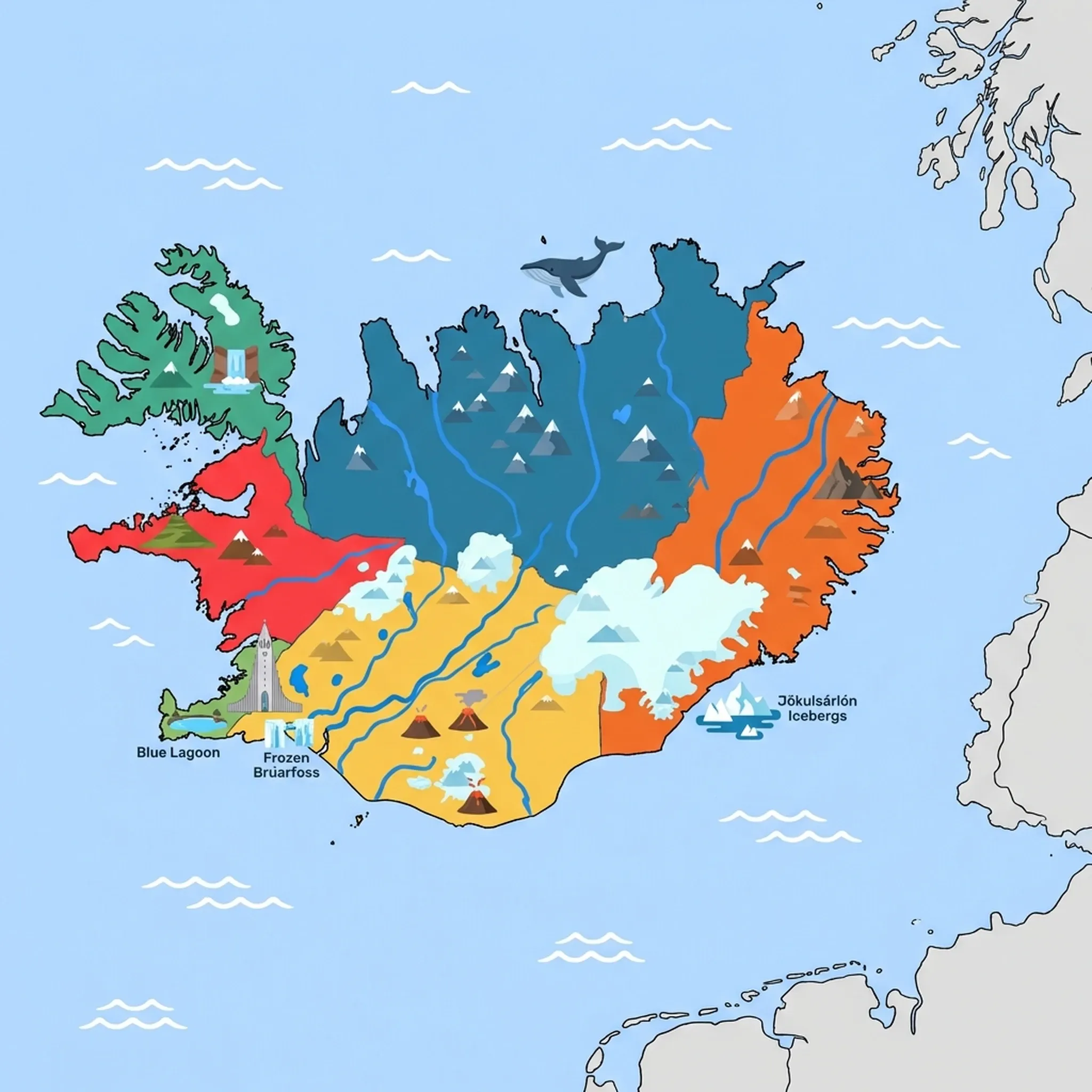
Click a region to explore
North Iceland is a powerhouse of geological activity and wildlife, often described as a slightly wilder, more intense version of the south, but with fewer crowds. The region is anchored by Akureyri, a charming city nestled at the base of a fjord, which serves as the perfect civilized base camp for families. From here, the landscape explodes into a variety of forms: the pseudocraters of Skútustaðir, the steaming fumaroles of Hverir, and the thundering glacial rivers of Jökulsárgljúfur. For children interested in science and nature, the North is an open-air classroom where they can see the earth breathing, bubbling, and shifting. In winter, it is a premier destination for skiing and Northern Lights hunting, while summer brings the Midnight Sun, where the sky stays bright 24 hours a day, allowing for midnight playground visits or late-night sightseeing.
The wildlife here is a major draw. The bay of Skjálfandi, home to the town of Húsavík, is widely regarded as the whale-watching capital of Europe. Unlike the open ocean, the sheltered bay often provides smoother sailing for little ones, and the success rate for spotting humpbacks, minkes, and even blue whales is incredibly high. Culturally, the North has a quirky, independent spirit. Whether it's the Yule Lads (Iceland's 13 mischievous Santa Clauses) who are said to live in the lava fields of Dimmuborgir, or the geothermal bathing culture that is a daily ritual for locals, families will find plenty of stories and experiences to bond over.
Key Attractions
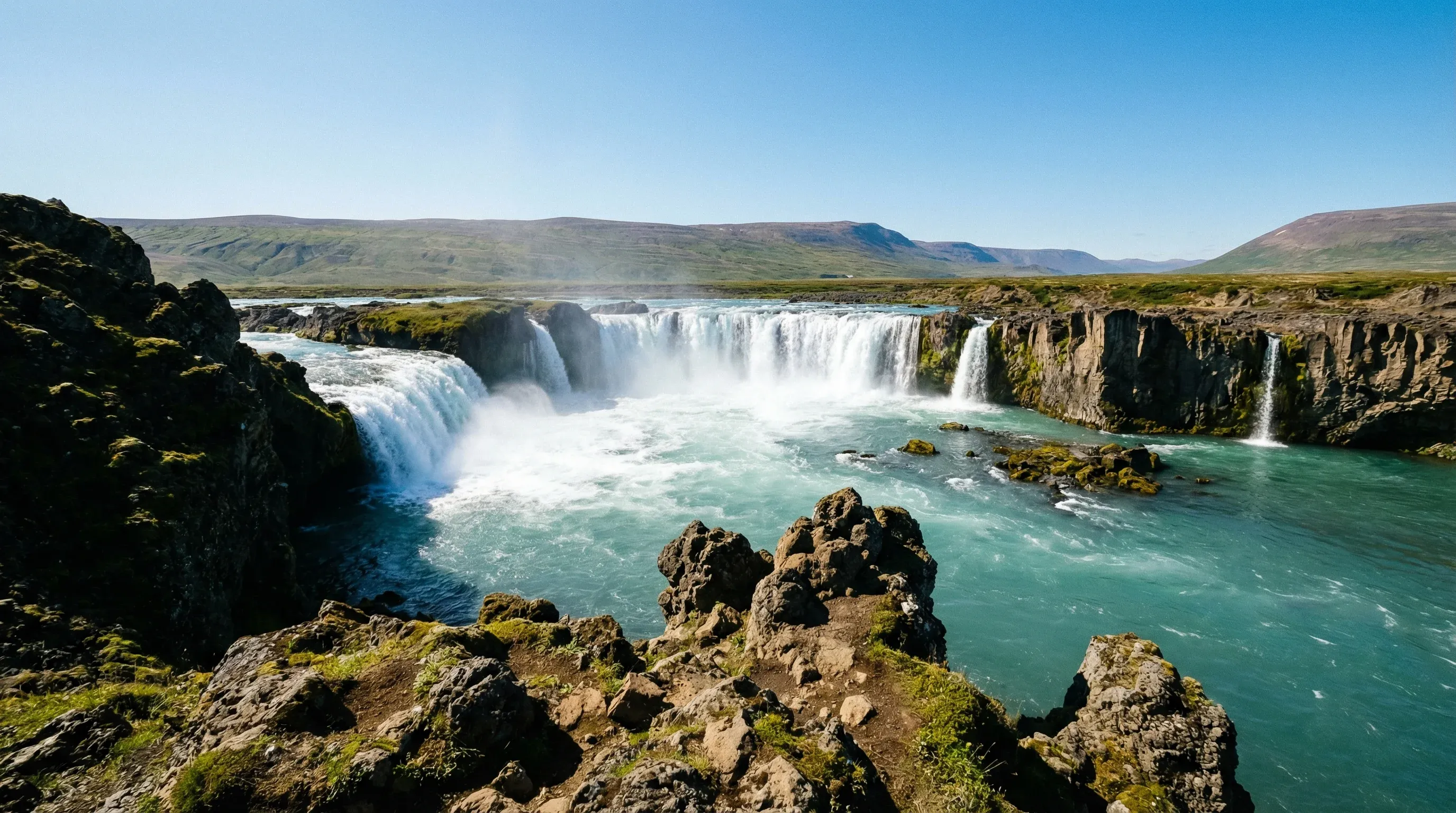
The The Diamond Circle route connects the region's heavy hitters. First is Goðafoss Waterfall, the "Waterfall of the Gods," which is easily accessible and shaped like a spectacular horseshoe—perfect for a family photo stop. Further east, Dettifoss Waterfall holds the title of Europe's most powerful waterfall; the ground literally shakes beneath your feet, which kids find thrilling. Near Lake Mývatn, Dimmuborgir Lava Formations is a must. These twisted lava pillars are said to be the homes of trolls, and there are well-marked, flat paths suitable for younger children to explore this "Dark City."
For a relaxing break, skip the crowds of the south and visit Earth Lagoon Mývatn (Mývatn Nature Baths). It offers the same milky-blue geothermal waters as the Blue Lagoon but is generally quieter and more laid-back. In Akureyri itself, the Akureyri Botanical Garden is a lovely spot to let kids run free among arctic plants, and the Húsavík Whale Museum offers fantastic educational exhibits, including real whale skeletons, to prep the kids before a boat tour.
Practical Advice
Summer (June-August) is the best time for whale watching and accessing the highlands. However, Lake Mývatn (literally "Midge Lake") can have swarms of non-biting flies in summer; head nets are highly recommended for comfort. Akureyri has excellent swimming pools with slides that are very family-friendly.
Food & Drink
Typical meal times: Lunch 11:30 am to 2:00 pm. Dinner 6:00 pm to 9:00 pm. Bakeries open early (around 7:30 am) and are great for breakfast.
Typical meal costs: Expect to pay 3,000–5,000 ISK (approx. $22–36 USD / €20–33 EUR) for a casual restaurant meal. A soup and bread combo is often cheaper, around 2,000–2,500 ISK (approx. $15–18 USD / €13–17 EUR).
Dietary requirements: Akureyri has excellent vegan and allergy-aware options (e.g., at curiously named restaurants like "Rub 23"). In rural Mývatn, options are simpler but dairy-free adjustments are usually possible.
Signature dishes:
- Hverabrauð (Geysir Bread) – Dark, dense, and sweet rye bread baked underground using geothermal heat. Often served with smoked trout.
- Akureyri Style Hot Dog – Served with red cabbage and mayonnaise-based sauce, differing slightly from the Reykjavik classic.
- Arctic Char – The most common fish in the north, served grilled or smoked, pink-fleshed and milder than salmon.
Why this score?
The region features diverse volcanic landscapes, including the Dimmuborgir lava fields and the massive Dettifoss waterfall, which provide a sense of wild exploration. While infrastructure around Akureyri is excellent, venturing to the Arctic Coast Way or Ásbyrgi Canyon offers a more remote and rugged experience for families.
Why this score?
Akureyri is home to the Fjórðungssjúkrahúsið, the second-largest hospital in Iceland, which provides high-quality care and specialized services. However, medical access becomes much more limited once you move toward the more remote northern peninsulas or the eastern edge of the region.
Why this score?
As the secondary tourism hub of Iceland, this region sees a steady mix of domestic travelers and international tourists visiting the 'Diamond Circle' and Mývatn. While Húsavík is a world-class whale watching destination, the overall volume of visitors is significantly lower than the capital and South Coast.

The North is slightly cheaper than Reykjavik for accommodation, but food and fuel remain expensive. A family apartment in Akureyri costs 25,000–45,000 ISK (approx. $180–330 USD / €165–300 EUR) per night. Whale watching tours are a significant expense, costing around 12,000–15,000 ISK (approx. $88–110 USD / €80–100 EUR) per adult, though children usually get discounts.

Getting Here & Around
Getting Here
- Airports – Akureyri International Airport (AEY) has several daily flights from Reykjavik Domestic Airport (45 mins). It is the easiest way to skip the long drive.
- Driving – Akureyri is located on the Ring Road (Route 1), approximately 4.5 to 5 hours drive from Reykjavik. The road is paved and generally good, though winter driving requires caution.
- Bus – The Strætó bus 57 runs from Reykjavik to Akureyri Art Museum / city center, but the journey takes about 6-7 hours.
Getting Around
- Car – Highly recommended for the The Diamond Circle. Attractions like Dettifoss Waterfall are difficult to reach without a vehicle.
- Tours – Many operators run day tours from Akureyri to Mývatn and the waterfalls if you prefer not to drive.
- Walking – Akureyri is very walkable, with free city buses causing no expense for families exploring the town.
Nearby Airports (1 airport)
Akureyri
AEYAkureyri
View full flight map for Iceland →
Official Links

Packing List
Essential for Lake Mývatn in summer; the non-biting flies swarm your face relentlessly.
Geothermal water is salty and mineral-rich; protects kids' eyes at Mývatn Nature Baths.
Whale watching boats are incredibly windy and cold, even on sunny days.
Unmanned fuel stations in the vast North often only accept cards with a PIN.
Summer brings 24-hour daylight (Midnight Sun), making it very hard for children to sleep without total darkness.
Rain comes sideways, and waterfalls like Seljalandsfoss soak you completely. Jeans will stay wet and cold all day.
Icelandic tap water is pristine and free. Buying bottled water is considered a 'tourist tax' and unnecessary.
Essential for visiting natural hot springs or local swimming pools where towel rental can be expensive or unavailable.
The combination of strong winds and dry cold air chaps skin very quickly, especially on children's faces.
Pack this even in winter! You will visit geothermal pools, hot tubs, and lagoons constantly—it's a daily ritual.

Activities & Best Times

Hiking, wildlife, outdoor exploration, ecotourism
Home to the Diamond Circle and otherworldly volcanic landscapes like Lake Mývatn and Dettifoss, offering premier wilderness immersion. Summer provides 24-hour light for exploration, while winter months are peak for high-quality Aurora Borealis sightings in remote settings.

Urban tourism, museums, historical sites, architecture
Akureyri is a sophisticated hub with unique cultural landmarks like the northernmost botanical garden and heritage sites like the Herring Era Museum. The summer months offer vibrant street life and festivals, while winter is primarily focused on indoor galleries and festive holiday traditions.

Sport tourism, fitness activities, active recreation
Exceptional infrastructure for cycling loops around Mývatn and world-class canyon trekking in Jökulsárgljúfur during summer. Spring months offer peak conditions for active snow sports, benefiting from longer daylight hours and established mountain trails.

Learning experiences, scientific sites, historical education
The Húsavík Whale Museum is a destination-level scientific facility of international importance. Visitation is best during the peak summer whale watching season when field research and active marine education are most accessible.

Spa retreats, wellness centers, peaceful getaways
Offers high-end geothermal experiences like the Forest Lagoon and Mývatn Nature Baths which rival global standards for authenticity. Peak periods align with summer warmth and the atmospheric appeal of soaking in thermal waters during the snowy winter months.

Scenic drives, countryside tours, route-based travel
The Diamond Circle and Arctic Coast Way provide globally significant scenic drives through dramatic fjord and volcanic scenery. These routes are best experienced in summer when all mountain passes are reliably open and road conditions are safest for families.

Winter sports, ski resorts, snow activities
Features Hlíðarfjall, arguably Iceland's best ski resort, with reliable snow and modern facilities. The season peaks in spring when daylight returns, offering a unique sub-arctic skiing experience that avoids the extreme darkness of mid-winter.
Beach resorts, marine activities: diving, snorkelling, kite surfing, wind surfing, sailing
Unique black sand beaches and coastal formations like Hvítserkur offer spectacular photography and wildlife viewing (seals), though not for swimming. Only recommended for sophisticated families in peak summer when coastal visibility and light are optimal.
Amusement parks, family entertainment venues
The Akureyri Swimming Pool functions as a major family entertainment hub with high-quality slides and aquatic facilities. While it serves as a regional draw, it remains a secondary activity for international families compared to the region's natural attractions.

Attractions (17 total)



Public Holidays & Calendar Next 12 months
Public holidays, festivals, cultural celebrations, and seasonal natural phenomena coming up in North Iceland (Akureyri, Mývatn) over the next 12 months.
Loading holidays and events...

Travel Advisory
The country is considered safe for travel with no major security concerns. Standard personal safety awareness is recommended.
Safety Topics
Traveller Advice (5 groups)

Solo female travel is generally safe and common in Iceland; standard personal safety precautions are recommended.

Consult local resources like SafeTravel.is before embarking on outdoor activities. High-risk areas include active volcanic sites, glaciers, and unpredictable coastal waters where sneaker waves occur.

Iceland is a highly inclusive destination with extensive legal protections and social acceptance for LGBTQ+ individuals.

Accessibility is generally good in urban centers like Reykjavik, though natural sites and rural areas may present significant physical challenges.

Ensure your passport is valid for at least three to six months beyond your departure date. Be prepared for the new electronic entry systems when arriving from outside the Schengen zone.
Agency Summaries
Travel risk is low, but visitors should be cautious regarding natural phenomena. Particular attention is drawn to the potential for volcanic eruptions and extreme weather changes.
Irish citizens should observe standard safety measures. As there is no resident Irish embassy in Iceland, consular services are managed through the mission in Oslo, Norway.
Travellers are advised to maintain a standard level of safety awareness while visiting Iceland. Entry is governed by Schengen Area regulations, allowing short stays without a visa for Canadian citizens.
Iceland is generally safe for visitors. The Department suggests standard safety measures and staying informed about potential natural hazards through local news and authorities.
No specific travel restrictions are in place. Visitors should follow general safety practices and remain aware of weather conditions and local entry requirements for the Schengen Zone.
Standard precautions are sufficient for travel to Iceland. Authorities highlight the need to avoid active volcanic zones on the Reykjanes Peninsula and to prepare for the implementation of the new European Entry/Exit System.
Information is provided for general guidance only and does not constitute travel, safety, medical, or legal advice. Conditions may change. Users are responsible for independently verifying information before travel.