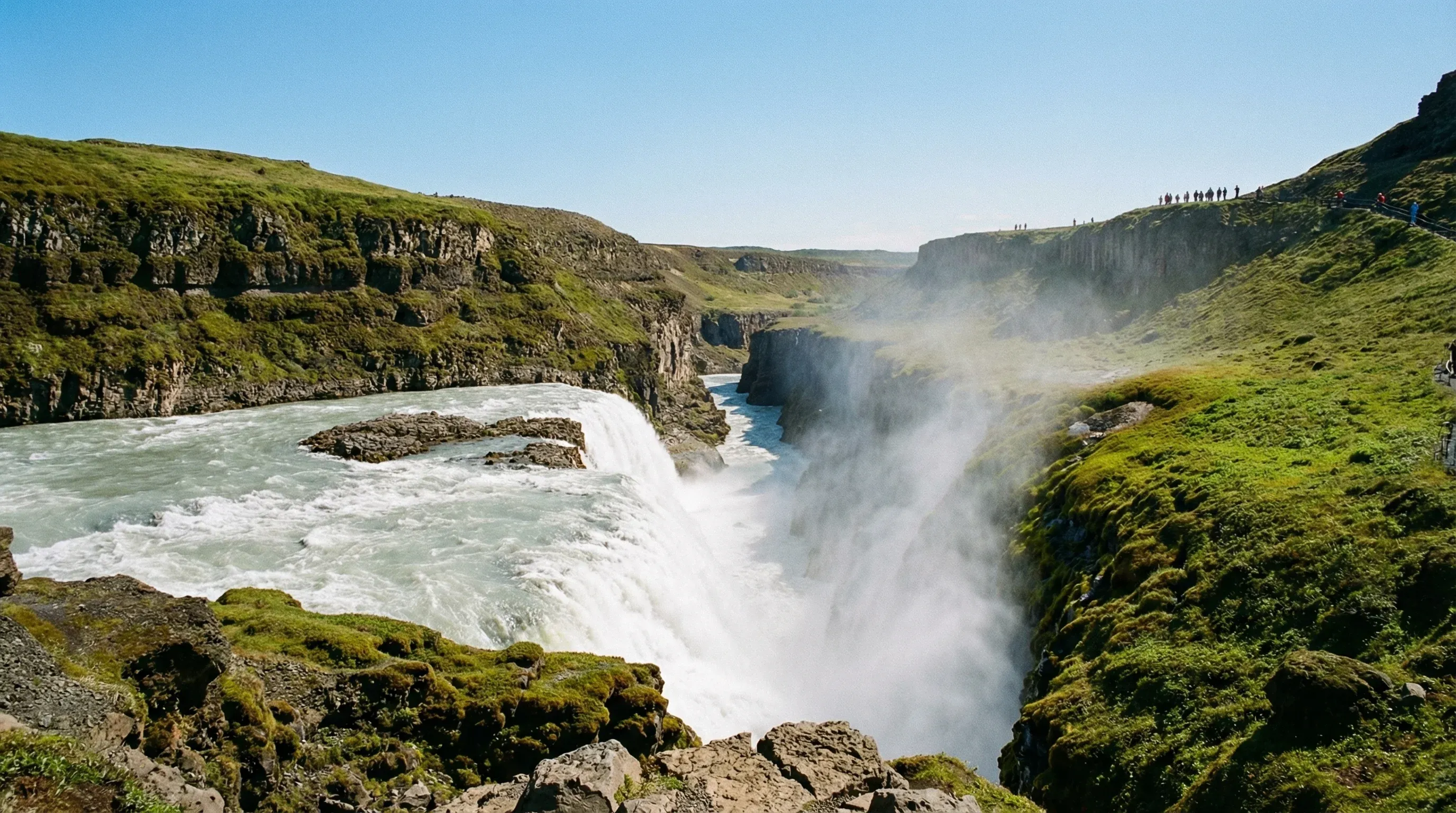

Reykjavik & Southwest (Golden Circle, Blue Lagoon)
Where city style meets geysers and glaciers 🏙️🌋
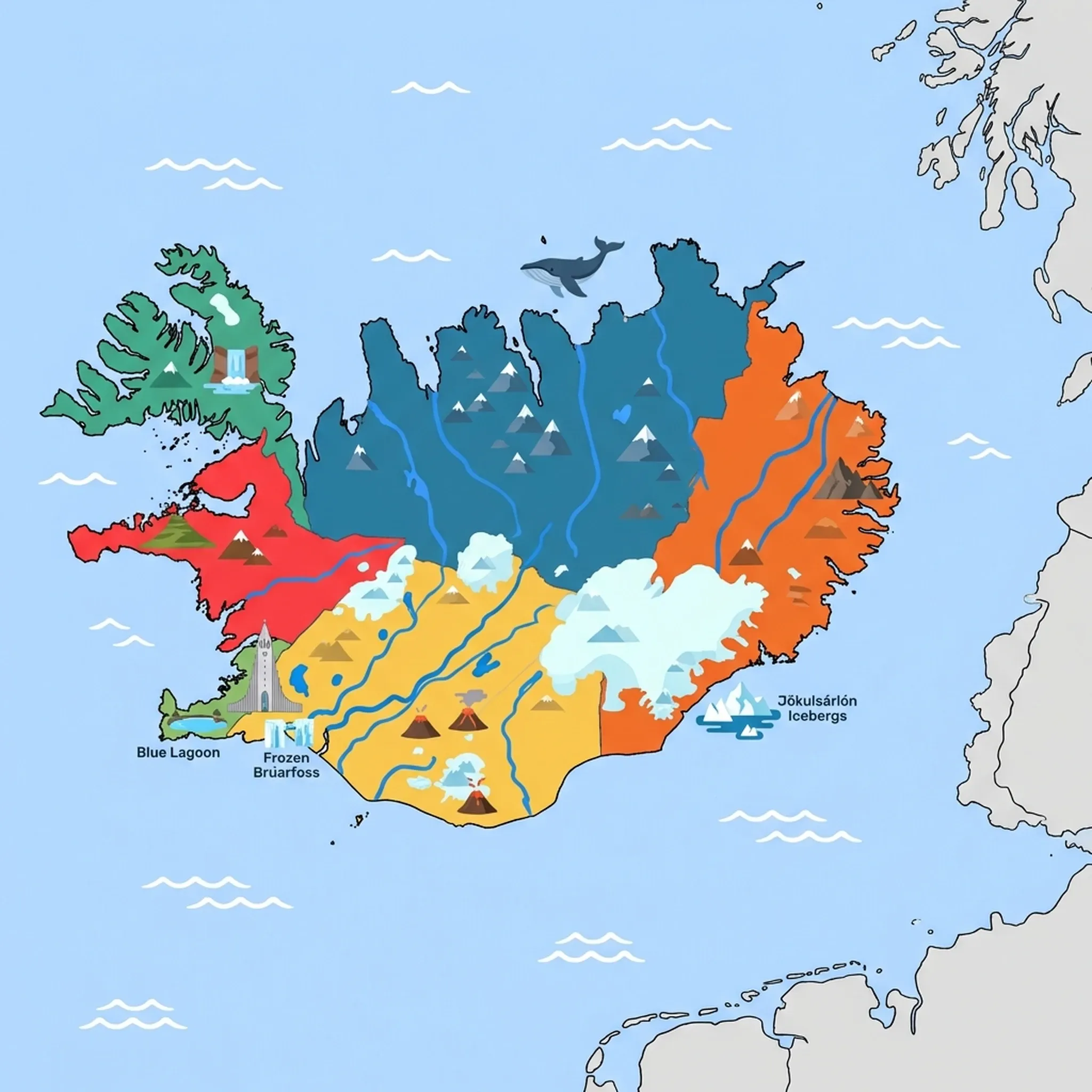
Click a region to explore
TRAVEL ADVISORY: The Reykjanes Peninsula has experienced repeated volcanic activity and eruptions in recent years near Grindavík and the Blue Lagoon. While Reykjavik and the Golden Circle remain safe and open, travelers must check the latest SafeTravel.is alerts before visiting the Blue Lagoon or hiking near eruption sites.
Reykjavik and the Southwest act as the beating heart of Iceland. For families, this region offers the easiest logistics: it hosts the international airport, the best hospitals, the most diverse food scene, and paved roads to major sights. The capital, Reykjavik, is remarkably child-friendly, feeling more like a large village than a metropolis. It is safe, walkable, and packed with geothermal swimming pools (Sundlaug) that feature slides and hot tubs where locals socialize. Beyond the city limits, the landscape turns rugged quickly. The Reykjanes Peninsula looks like the moon—fields of moss-covered lava stretching to the horizon—while the Golden Circle route offers a "greatest hits" of Icelandic nature within a short drive.
What makes this region special is the accessibility of extreme nature. You do not need to be a mountaineer to see the continental drift; you can simply walk through it at Thingvellir. You don't need to hike for days to see a geyser; Strokkur erupts every 10 minutes right by the car park. For families with younger children or those on a shorter stopover, the Southwest delivers the maximum "wow" factor with the minimum amount of travel stress.
Key Attractions
The Golden Circle is non-negotiable. Start at Thingvellir National Park, where kids can walk between the North American and Eurasian tectonic plates—a geography lesson they will never forget. Next is the Geysir Geothermal Area, where the geyser Strokkur blasts water 20 meters into the air, guaranteeing squeals of delight. The route concludes with Gullfoss Waterfall, a massive two-tiered cascade that creates endless rainbows in the spray.
Inside the city, Perlan (Wonders of Iceland) is fantastic for families; it has a real indoor ice cave and a planetarium show on Northern Lights, perfect if the real weather is bad. For animal lovers, the Reykjavik Family Park and Zoo features Icelandic farm animals, seals, and fairground rides. Finally, relaxing in the warm, milky waters of the Blue Lagoon (check opening status) or the newer, ocean-side Sky Lagoon is a bucket-list experience for older children and teens.
Practical Advice
This is the busiest part of Iceland. Pre-booking entry for the Blue Lagoon and Sky Lagoon is essential, often weeks in advance. Visit Golden Circle attractions early (before 9:00 am) or late (after 5:00 pm) to avoid the biggest tour bus crowds. Reykjavik is very stroller-friendly.
Food & Drink
Typical meal times: Lunch 12:00 pm to 2:00 pm. Dinner 6:30 pm to 9:00 pm. On weekends, downtown kitchens may stay open later.
Typical meal costs: Sit-down dinners are pricey: 4,000–6,500 ISK (approx. $29–47 USD / €27–43 EUR) per main. Fast food combos (burger/fries) are ~2,500 ISK (approx. $18 USD / €17 EUR).
Dietary requirements: Reykjavik is a haven for dietary needs. Almost every restaurant marks gluten-free, vegan, and nut-free options clearly. Supermarkets like Hagkaup and Krónan stock extensive "free-from" ranges.
Signature dishes:
- Pylsur (Icelandic Hot Dog) – Made from lamb, pork, and beef. Best eaten at a stand with "everything" (raw onion, crispy onion, ketchup, sweet mustard, remoulade).
- Kjötsúpa (Meat Soup) – A hearty lamb and vegetable soup, often offering free refills in tourist cafes.
- Skyr – Technically a soft cheese but eaten like yogurt. It is high-protein, low-fat, and available in every flavor imaginable.
Why this score?
This is Iceland's most developed region, featuring paved roads, frequent tour buses, and well-marked paths at all major sites. While it offers outdoor activities like walking between tectonic plates at Þingvellir, the presence of heavy infrastructure and large crowds reduces the sense of true wilderness.
Why this score?
Reykjavik hosts Landspítali, the country’s primary university hospital, offering world-class medical services with highly trained English-speaking staff. It is the only region in Iceland capable of handling complex medical emergencies and specialized pediatric care for traveling families at a high international standard.
Why this score?
This is the primary gateway for almost every visitor to Iceland, containing the capital city and world-famous landmarks like the Blue Lagoon and Gullfoss. It maintains a strong international flow throughout the year, though its total annual visitor count is smaller than mega-destinations like Tuscany or the Algarve.

Reykjavik is expensive. A mid-range hotel family room costs 35,000–60,000 ISK (approx. $255–440 USD / €235–400 EUR) per night. Beer costs ~1,500 ISK (approx. $11 USD / €10 EUR). To save money, drink tap water (it's pristine) and eat hot dogs for lunch. The 'Reykjavik City Card' offers good value for families visiting multiple museums and pools.

Getting Here & Around
Getting Here
- Airports – Keflavik International Airport (KEF) is the main gateway, located 45 minutes from Reykjavik. The Flybus runs to the city center for every flight arrival.
- Driving – The region is well-connected. The drive from KEF to Reykjavik is via Route 41 (dual carriageway).
- Domestic Flights – Reykjavik Domestic Airport (RKV) is in the city center and serves Akureyri, Egilsstaðir, and Ísafjörður.
Getting Around
- Walking – Downtown Reykjavik is compact. You can easily walk between Hallgrímskirkja and the harbour.
- Car – Essential for the Golden Circle. Parking in Reykjavik is paid (Zones P1-P4) but easy to use via the Parka app.
- Public Transport – The bright yellow Strætó buses are reliable within the city. Children under 11 travel free.
Nearby Airports (2 airports)
Keflavík International Airport
KEFReykjavik
Reykjavik
RKVReykjavik
View full flight map for Iceland →
Official Links

Packing List
You will likely visit multiple geothermal pools; putting on a wet swimsuit is unpleasant.
Towel rental at lagoons is expensive; local pools expect you to bring your own.
Icelandic tap water is world-class; buying bottled water is a waste of money.
Reykjavikers dress well for dinner; technical hiking gear stands out in nice restaurants.
Summer brings 24-hour daylight (Midnight Sun), making it very hard for children to sleep without total darkness.
Rain comes sideways, and waterfalls like Seljalandsfoss soak you completely. Jeans will stay wet and cold all day.
Icelandic tap water is pristine and free. Buying bottled water is considered a 'tourist tax' and unnecessary.
Essential for visiting natural hot springs or local swimming pools where towel rental can be expensive or unavailable.
The combination of strong winds and dry cold air chaps skin very quickly, especially on children's faces.
Pack this even in winter! You will visit geothermal pools, hot tubs, and lagoons constantly—it's a daily ritual.

Activities & Best Times

Hiking, wildlife, outdoor exploration, ecotourism
A global leader for nature-based adventure featuring dramatic volcanic landscapes, waterfalls like Gullfoss, and tectonic rifts at Thingvellir. Summer offers total accessibility and midnight sun, while shoulder months balance decent weather with the potential for Northern Lights viewings.

Urban tourism, museums, historical sites, architecture
Reykjavik is a sophisticated capital with a world-class culinary scene and vibrant design culture that appeals to experienced travelers. Summer months are peak for urban exploration, while December is highly sought after for its unique Nordic festive atmosphere.

Learning experiences, scientific sites, historical education
Perlan and Whales of Iceland are world-class facilities that offer deep scientific engagement with Arctic ecosystems. While these are indoor facilities, they are most enjoyable as part of a wider visit during the more accessible summer and shoulder periods.

Scenic drives, countryside tours, route-based travel
The Golden Circle is one of the world's most famous short-loop road trips, offering efficient access to diverse geological wonders. Winter driving can be hazardous due to extreme winds and ice, making the long daylight hours of summer the optimal period for self-drive families.

Sport tourism, fitness activities, active recreation
Offers high-quality active options including hiking on Mount Esja and a network of high-standard public geothermal swimming complexes. Activity is weather-dependent, with summer providing the only reliable window for mountain trails and outdoor cycling.

Amusement parks, family entertainment venues
Features internationally recognized attractions like FlyOver Iceland and the Sky Lagoon which offer high-production-value entertainment. These venues provide excellent family-friendly alternatives during the summer peak and the December holiday season.

Beach resorts, marine activities: diving, snorkelling, kite surfing, wind surfing, sailing
Nauthólsvík provides a unique but localized geothermal beach experience that lacks the scale of traditional beach destinations. It remains a marginal choice for international families due to the cold North Atlantic waters, even during the warmest months.

Events, celebrations, seasonal attractions
Iceland Airwaves in November is a major international draw for music lovers, though it is the only festival in the region with significant global reach. The summer solstice and New Year's Eve provide secondary cultural interest for seasonal travelers.

Spa retreats, wellness centers, peaceful getaways
Natural hot springs like Reykjadalur provide an authentic Icelandic wellness experience, though infrastructure remains more limited than at dedicated resort destinations. Thermal bathing is a year-round activity but is most atmospheric in the dark, cold winter months.

Winter sports, ski resorts, snow activities
Bláfjöll and Skálafell offer functional ski infrastructure, though they are modest compared to major European or North American resorts. The season is short and highly dependent on volatile weather, with late winter offering the best combination of snow cover and daylight.

Attractions (24 total)



Public Holidays & Calendar Next 12 months
Public holidays, festivals, cultural celebrations, and seasonal natural phenomena coming up in Reykjavik & Southwest (Golden Circle, Blue Lagoon) over the next 12 months.
Loading holidays and events...

Travel Advisory
The country is considered safe for travel with no major security concerns. Standard personal safety awareness is recommended.
Safety Topics
Traveller Advice (5 groups)

Solo female travel is generally safe and common in Iceland; standard personal safety precautions are recommended.
Consult local resources like SafeTravel.is before embarking on outdoor activities. High-risk areas include active volcanic sites, glaciers, and unpredictable coastal waters where sneaker waves occur.

Iceland is a highly inclusive destination with extensive legal protections and social acceptance for LGBTQ+ individuals.
Accessibility is generally good in urban centers like Reykjavik, though natural sites and rural areas may present significant physical challenges.

Ensure your passport is valid for at least three to six months beyond your departure date. Be prepared for the new electronic entry systems when arriving from outside the Schengen zone.
Agency Summaries
Travel risk is low, but visitors should be cautious regarding natural phenomena. Particular attention is drawn to the potential for volcanic eruptions and extreme weather changes.
Irish citizens should observe standard safety measures. As there is no resident Irish embassy in Iceland, consular services are managed through the mission in Oslo, Norway.
Travellers are advised to maintain a standard level of safety awareness while visiting Iceland. Entry is governed by Schengen Area regulations, allowing short stays without a visa for Canadian citizens.
Iceland is generally safe for visitors. The Department suggests standard safety measures and staying informed about potential natural hazards through local news and authorities.
No specific travel restrictions are in place. Visitors should follow general safety practices and remain aware of weather conditions and local entry requirements for the Schengen Zone.
Standard precautions are sufficient for travel to Iceland. Authorities highlight the need to avoid active volcanic zones on the Reykjanes Peninsula and to prepare for the implementation of the new European Entry/Exit System.
Information is provided for general guidance only and does not constitute travel, safety, medical, or legal advice. Conditions may change. Users are responsible for independently verifying information before travel.