
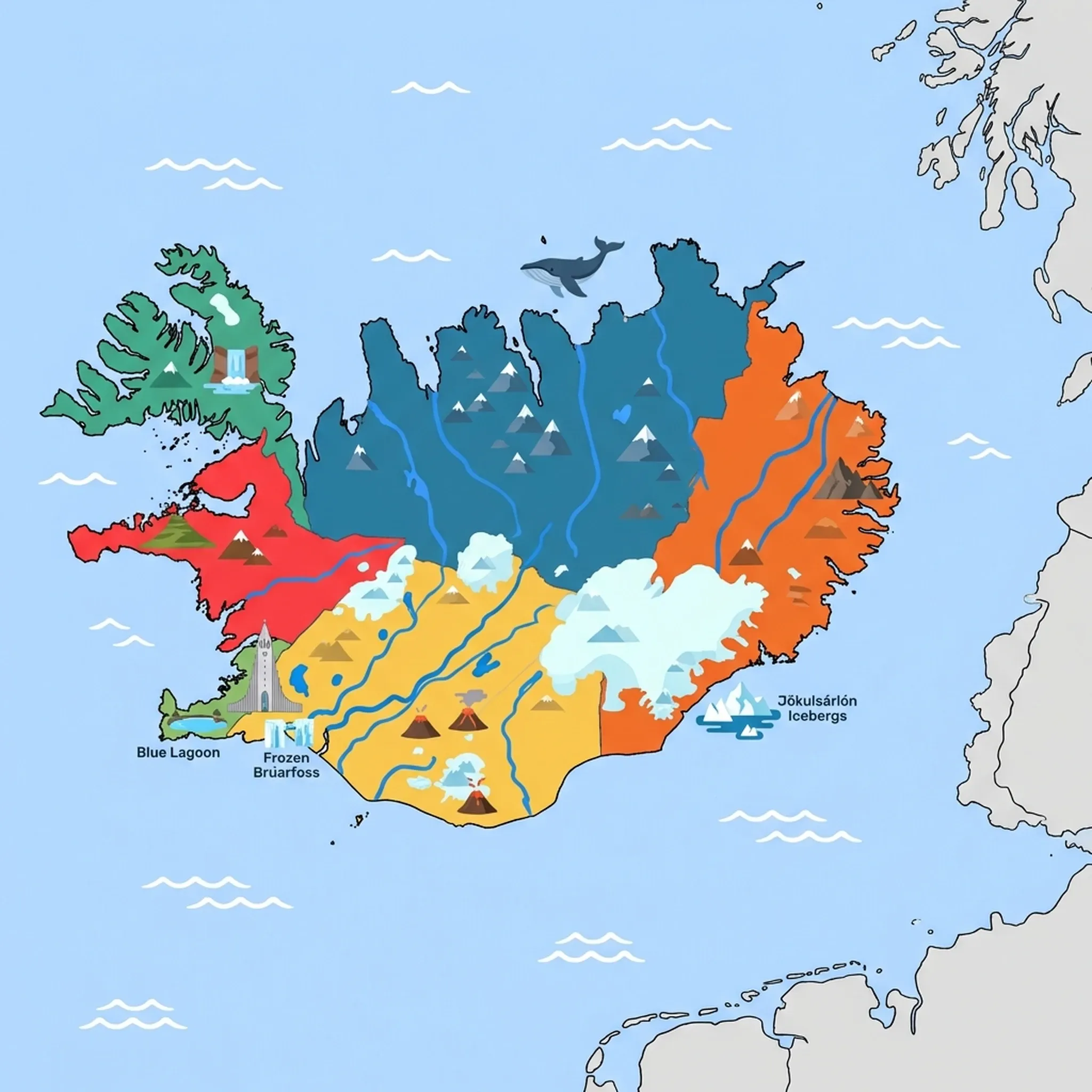
Click a region to explore
The Westfjords (Vestfirðir) is the oldest part of Iceland geologically and feels like a completely different country. It is a massive peninsula indented by dozens of deep fjords, connected by winding roads that climb over steep mountains and hug narrow coastlines. For families, this is not a destination for a quick tick-box tour; it is a place to slow down. The pace here is dictated by the terrain. It is remote, sparsely populated, and incredibly peaceful. If you want to escape the tour buses of the South Coast, this is where you go.
The region is a haven for wildlife. It is the only place in Iceland where you have a good chance of seeing the Arctic Fox in the wild, and the bird cliffs are among the largest in the world. The isolation means services are further apart, but the welcome is warm. The swimming pools here are spectacular, often located right on the shoreline with views of the ocean. It requires more driving skill and patience to visit, but the reward is an experience of Iceland that feels raw, authentic, and utterly majestic.
Key Attractions
Nature rules here. Látrabjarg Cliffs is the westernmost point of Iceland (and Europe). In summer, these cliffs are alive with millions of puffins, razorbills, and guillemots. You can safely lie on the grassy edge and look down at the birds—a magical experience for kids. (Always keep a tight grip on children near the edge).
For a cultural twist that teens might enjoy, The Museum of Icelandic Sorcery and Witchcraft in Hólmavík offers a fascinating (if slightly macabre) look at Iceland's magical history, including the famous "necropants" (though maybe skip that display with very young kids!). In Súðavík, the The Arctic Fox Centre is a wonderful stop. It is a research center with a small exhibition and, crucially, usually has rescued foxes in an outdoor enclosure that children can observe up close. While remote, the Hornstrandir Nature Reserve is a wilderness area accessible only by boat, offering hiking among foxes and seals for active families.
Practical Advice
The Westfjords are best visited from June to August. Many roads are closed in winter. The roads can be gravel and lack guardrails in places—drive slowly. Allow at least 3-4 days to do the region justice.
Food & Drink
Typical meal times: Lunch 12:00 pm to 1:30 pm. Dinner 6:00 pm to 8:00 pm. Do not expect late-night dining anywhere outside Ísafjörður.
Typical meal costs: Similar to the rest of Iceland. Dinner mains 3,500–5,000 ISK (approx. $25–36 USD / €23–33 EUR). Coffee and a waffle costs around 1,500–2,000 ISK (approx. $11–15 USD / €10–13 EUR).
Dietary requirements: Ísafjörður has excellent restaurants (like Tjöruhúsið) that cater to all needs. In tiny villages like Patreksfjörður, options may be limited to catch-of-the-day or a burger.
Signature dishes:
- Fish Buffet – Famous in Ísafjörður, where you eat as much fresh fish (wolffish, cod, halibut) as you can, served in pans.
- Rhubarb Jam – Rhubarb grows wild here; it is served with waffles, pancakes, and lamb.
- Hardfiskur (Dried Fish) – A jerky-like snack made from cod/haddock, eaten with butter. Excellent high-protein car snack for kids.
Why this score?
This is one of the most rugged and wild regions in the North Atlantic, characterized by towering cliffs, gravel roads, and the uninhabited Hornstrandir Nature Reserve. Families will find it physically demanding, with limited services and a true sense of isolation that requires significant preparation.
Why this score?
Medical facilities are extremely sparse, with only a small hospital in Ísafjörður serving a vast and often inaccessible area. Winter road closures can frequently cut off entire communities from overland medical aid, making air evacuation the only reliable option for emergencies.
Why this score?
This remote corner of Iceland is visited by only a small fraction of the country's tourists due to its isolation and difficult access. It remains a very niche destination with almost no large-scale commercial tourism, making it one of the quietest regions in Northern Europe.

Prices are standard for Iceland (high), but there are fewer places to spend money. Accommodation is the main cost; family rooms in summer are 30,000–45,000 ISK (approx. $220–330 USD / €200–300 EUR). Tjöruhúsið's famous fish buffet is pricey (~6,000 ISK / $44 / €40 per adult) but children often eat for half price or free depending on age.

Getting Here & Around
Getting Here
- Driving – It is a long drive. Ísafjörður is about 5-6 hours from Reykjavik via paved roads, but exploring the southern fjords involves gravel sections.
- Ferry – The Baldur ferry runs from Stykkishólmur (Snæfellsnes) to Brjánslækur in the southern Westfjords. It cuts driving time and is a fun break for kids.
- Airports – Domestic flights run from Reykjavik to Ísafjörður (IFJ) and Bíldudalur (BIU). The approach into Ísafjörður between the mountains is spectacular.
Getting Around
- Car – Essential. Public transport is virtually non-existent for tourists outside Ísafjörður. 4WD is recommended for comfort on gravel roads but not strictly legally required for main routes in summer.
- Boat – Ferries connect Ísafjörður to Hornstrandir Nature Reserve for day hikers.
Nearby Airports (3 airports)
Bildudalur Airport
BIUBildudalur
Gjogur Airport
GJRGjogur
Isafjordur
IFJIsafjordur
View full flight map for Iceland →
Official Links

Packing List
Gravel roads can cause punctures; service stations are hours apart.
The Westfjords extend far north; the midnight sun is intense and curtains are often thin.
The roads twist in and out of every fjord; even sturdy stomachs can get woozy.
GPS signals can drop in deep fjords; a paper map is a vital backup.
Summer brings 24-hour daylight (Midnight Sun), making it very hard for children to sleep without total darkness.
Rain comes sideways, and waterfalls like Seljalandsfoss soak you completely. Jeans will stay wet and cold all day.
Icelandic tap water is pristine and free. Buying bottled water is considered a 'tourist tax' and unnecessary.
Essential for visiting natural hot springs or local swimming pools where towel rental can be expensive or unavailable.
The combination of strong winds and dry cold air chaps skin very quickly, especially on children's faces.
Pack this even in winter! You will visit geothermal pools, hot tubs, and lagoons constantly—it's a daily ritual.

Activities & Best Times

Hiking, wildlife, outdoor exploration, ecotourism
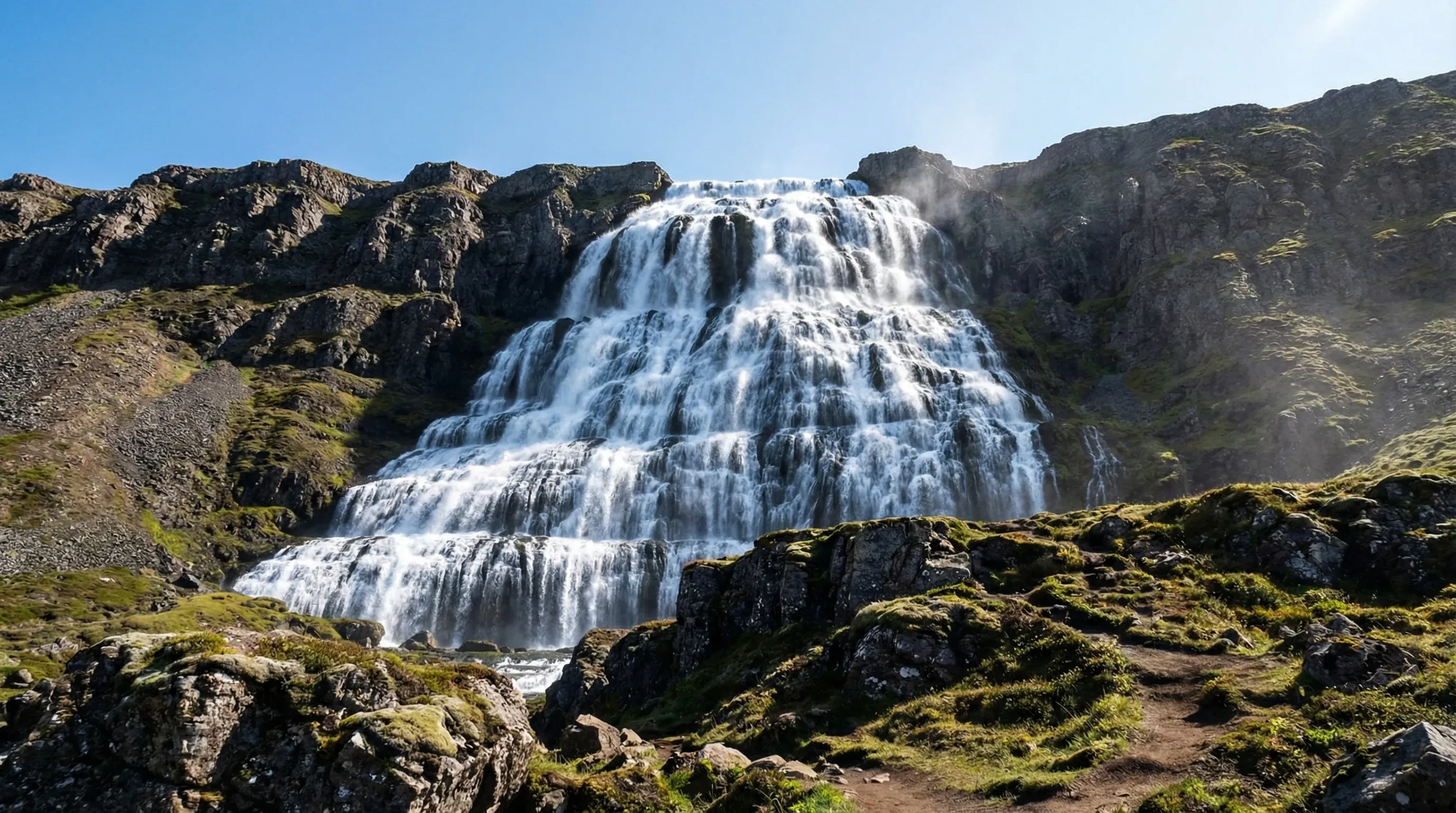
A world-class wilderness destination featuring the iconic Dynjandi waterfall and the remote Hornstrandir Nature Reserve for elite trekking and arctic fox sightings. Summer is the only feasible time for immersion as winter weather makes the interior and many coastal tracks impassable for families.

Urban tourism, museums, historical sites, architecture
Ísafjörður and surrounding villages offer authentic maritime heritage and unique folklore museums, such as the Museum of Icelandic Sorcery and Witchcraft. Cultural activity peaks in summer when museums have full operating hours and the 'living history' aspect of the remote fishing culture is most accessible.

Spa retreats, wellness centers, peaceful getaways
Home to authentic, remote geothermal pools like Krossneslaug and Reykjafjarðarlaug that offer a restorative experience in raw nature. While hot springs are enjoyable in the cold, many of these specific locations are difficult to access during heavy winter snows, making late spring through autumn the best period for visiting.

Scenic drives, countryside tours, route-based travel
The Westfjords Way offers one of the world's most dramatic scenic drives along winding fjords and steep mountain passes. Peak summer is essential for safe driving on the region's many unpaved roads and to ensure all mountain passes are clear of snow.

Sport tourism, fitness activities, active recreation
Renowned for world-class hiking in Hornstrandir and the challenging gravel cycling routes of the 'Dream Road.' These activities are restricted to a narrow summer window when high-altitude trails are clear of snow and local transport for hikers is operational.

Beach resorts, marine activities: diving, snorkelling, kite surfing, wind surfing, sailing
Offers unique arctic coastal scenery like the red sands of Rauðisandur and massive bird cliffs at Látrabjarg, though water temperatures are too low for traditional swimming. Peak summer months provide the only reliable access and wildlife viewing opportunities for puffins and seals.

Learning experiences, scientific sites, historical education
Specialized centers like the Arctic Fox Centre and Sea Monster Museum provide high-quality niche learning experiences focused on local biology and folklore. These facilities are primarily summer-season operations, aligned with the peak tourism window in this remote peninsula.

Winter sports, ski resorts, snow activities
Features local ski facilities in Ísafjörður known for reliable snow and cross-country trails, though lacking the scale of major international alpine resorts. Peak season avoids the darkest mid-winter months and takes advantage of the spring snowpack and increasing daylight.

Attractions (9 total)



Public Holidays & Calendar Next 12 months
Public holidays, festivals, cultural celebrations, and seasonal natural phenomena coming up in Westfjords over the next 12 months.
Loading holidays and events...

Travel Advisory
The country is considered safe for travel with no major security concerns. Standard personal safety awareness is recommended.
Safety Topics
Traveller Advice (5 groups)

Solo female travel is generally safe and common in Iceland; standard personal safety precautions are recommended.

Consult local resources like SafeTravel.is before embarking on outdoor activities. High-risk areas include active volcanic sites, glaciers, and unpredictable coastal waters where sneaker waves occur.

Iceland is a highly inclusive destination with extensive legal protections and social acceptance for LGBTQ+ individuals.

Accessibility is generally good in urban centers like Reykjavik, though natural sites and rural areas may present significant physical challenges.

Ensure your passport is valid for at least three to six months beyond your departure date. Be prepared for the new electronic entry systems when arriving from outside the Schengen zone.
Agency Summaries
Travel risk is low, but visitors should be cautious regarding natural phenomena. Particular attention is drawn to the potential for volcanic eruptions and extreme weather changes.
Irish citizens should observe standard safety measures. As there is no resident Irish embassy in Iceland, consular services are managed through the mission in Oslo, Norway.
Travellers are advised to maintain a standard level of safety awareness while visiting Iceland. Entry is governed by Schengen Area regulations, allowing short stays without a visa for Canadian citizens.
Iceland is generally safe for visitors. The Department suggests standard safety measures and staying informed about potential natural hazards through local news and authorities.
No specific travel restrictions are in place. Visitors should follow general safety practices and remain aware of weather conditions and local entry requirements for the Schengen Zone.
Standard precautions are sufficient for travel to Iceland. Authorities highlight the need to avoid active volcanic zones on the Reykjanes Peninsula and to prepare for the implementation of the new European Entry/Exit System.
Information is provided for general guidance only and does not constitute travel, safety, medical, or legal advice. Conditions may change. Users are responsible for independently verifying information before travel.