
Central India & Tribal Heartland
Where tiger tales and ancient legends come to life 🐅🌿
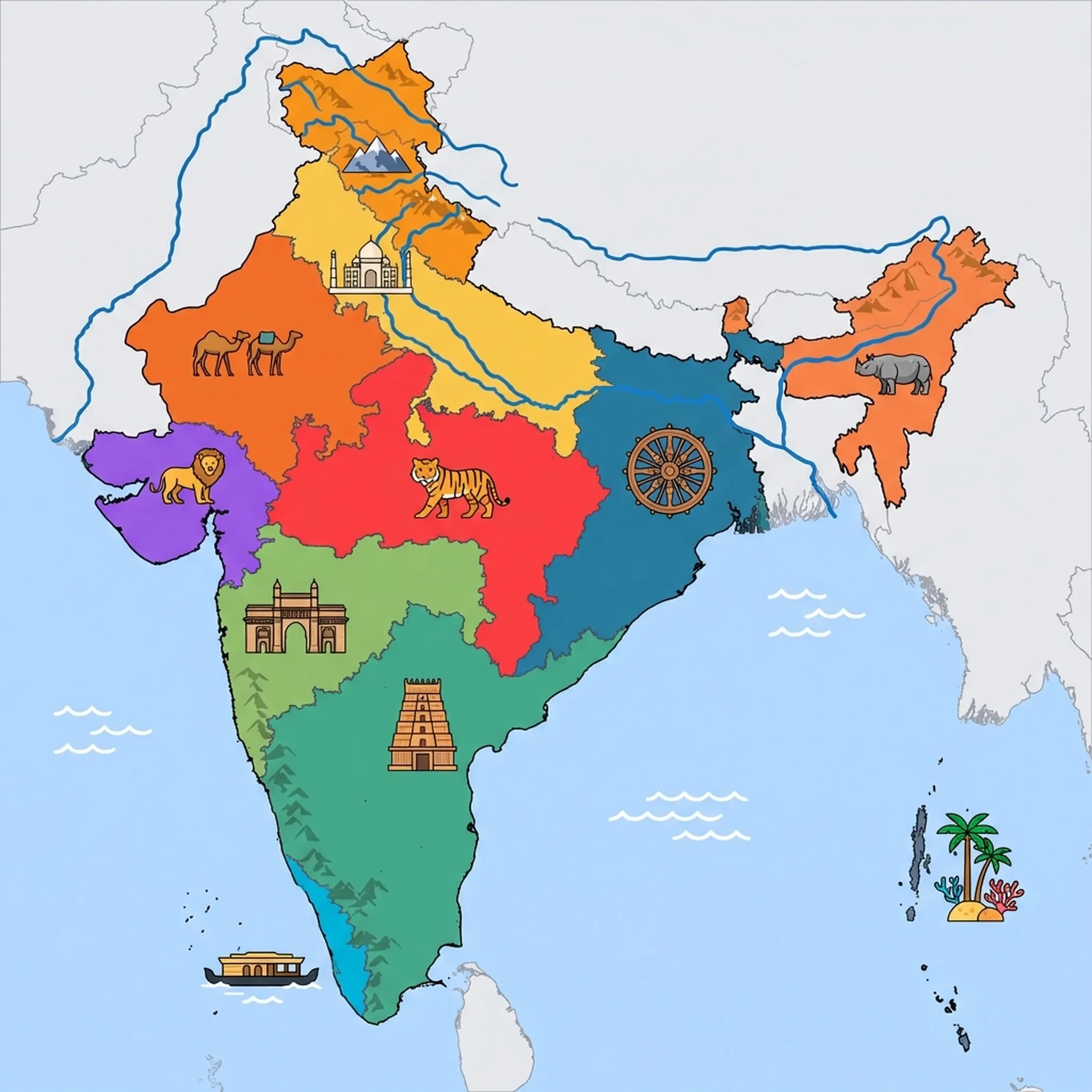
Click a region to explore
⚠️ SAFETY WARNING: Due to Naxalite insurgent activity in rural areas, government agencies (including CA, USA, UK, and AU) advise travelers to exercise increased caution or reconsider travel to parts of this region. While major tourist circuits in Madhya Pradesh are generally safe, travel to rural Chhattisgarh and forested tribal belts requires careful planning. Families are strongly urged to consult their own government's official travel advisory before considering a trip, as circumstances and risk assessments vary.
Central India is often called the "Heart of India," not just for its location but for its rich pulse of culture and biodiversity. For families, this region offers a thrilling mix of wildlife safaris and history lessons that feel like adventure stories. The landscape is dominated by the Satpura and Vindhya mountain ranges, thick teak forests, and winding rivers, making it the real-life setting for Kipling's The Jungle Book. It is a place where you can spot a tiger in the morning and wander through a UNESCO World Heritage site in the afternoon.
The cultural fabric here is deeply influenced by indigenous tribal communities, offering a unique perspective distinct from the palace-heavy tourism of the north. Families can visit tribal museums that celebrate local art and folklore, making history tangible for children. The atmosphere is generally more laid-back than India's chaotic metros, allowing for a slower, more immersive family holiday focused on nature and ancient storytelling.
Key Attractions
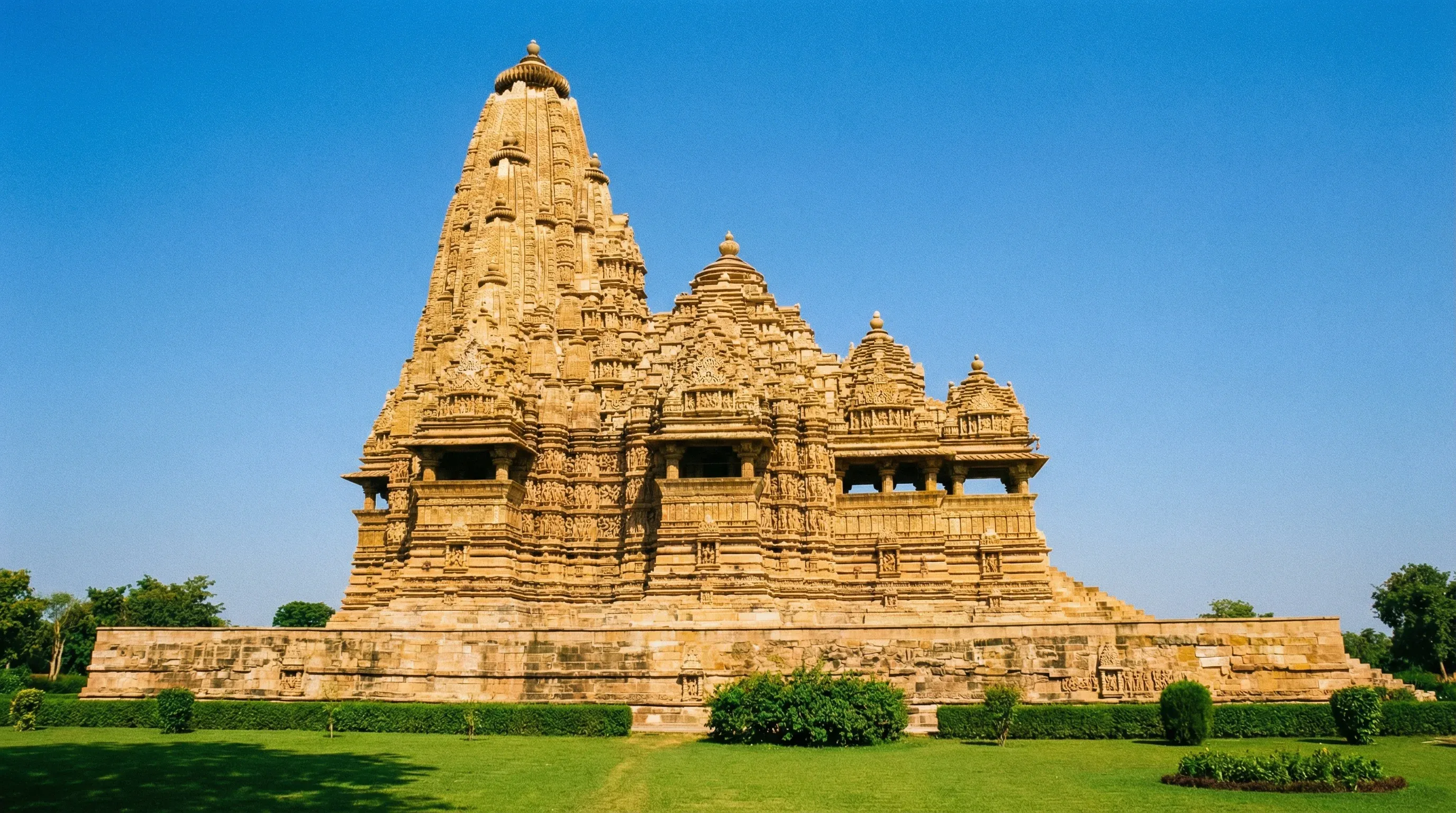
Wildlife is the primary draw here. Kanha National Park and Bandhavgarh National Park are premier tiger reserves where families can take jeep safaris to spot big cats, leopards, and sloth bears in their natural habitat. For a journey further back in time, the Bhimbetka Rock Shelters offer a fascinating glimpse into the Stone Age with cave paintings that kids find intriguing. The exquisitely carved temples of the Khajuraho Group of Monuments are world-famous architectural marvels (parents should note some carvings are erotic, though many guides curate family-friendly tours). Near Bhopal, the Sanchi Stupa provides a serene and educational introduction to Buddhist history with its massive stone domes.
Practical Advice
The best time to visit is October to March when the weather is pleasant. Summers (April–June) are scorching hot but offer the best tiger sightings as animals gather at waterholes. Book safari permits months in advance as they sell out fast.
Food & Drink
Typical meal times: Lunch is typically served from 12:30 pm to 2:30 pm, and dinner from 7:30 pm to 10:00 pm.
Typical meal costs: A family meal in a mid-range restaurant costs around ₹800–1,500 (approx. $9.50–18 USD / €8.50–16 EUR).
Dietary requirements: Vegetarian food is the norm here and widely available. Wheat and lentils are staples. Vegan options are easy to find, though clarify ghee (clarified butter) usage.
Signature dishes:
- Poha-Jalebi – A popular breakfast of flattened rice cooked with turmeric and spices, served with sweet crispy jalebis.
- Dal Bafla – Similar to Rajasthan's Dal Baati, these are wheat balls boiled and then baked, served with spicy lentil curry and ghee.
- Bhopali Gosht Korma – A rich, slow-cooked mutton curry with a distinct blend of spices, reflecting the region's Mughal history.
Why this score?
The region offers rugged jeep safaris and exploration of remote tribal villages, providing a moderate level of adventure. Navigating the dense teak forests and plateau terrain requires more effort than India's more developed coastal or northern regions.
Why this score?
Outside of the major hubs of Bhopal and Indore, medical facilities are basic and often lack English-speaking specialists. Safari lodges in national parks have limited first-aid capabilities, and serious emergencies usually require a long transit to a major city.
Why this score?
While iconic sites like Khajuraho and tiger reserves like Kanha draw dedicated international wildlife enthusiasts, the region remains largely off the main tourist circuit. It is primarily visited by domestic travelers and specialized nature photographers rather than the mass international market.

Central India is generally cheaper than Rajasthan or Kerala. Hotel rates are reasonable, though luxury safari lodges near parks like <a data-attraction-id="42573">Bandhavgarh National Park</a> can be expensive, ranging from ₹15,000–30,000 (approx. $180–360 USD / €165–330 EUR) per night. Entry fees and safari permits add to the cost, usually around ₹6,000–10,000 (approx. $70–120 USD / €65–110 EUR) per vehicle.

Getting Here & Around
Getting Here
- Airports – Devi Ahilya Bai Holkar Airport (IDR) in Indore and Raja Bhoj Airport (BHO) in Bhopal are the main gateways.
- Train – The region is a major rail hub. Bhopal and Jhansi are key junctions connecting to Delhi and Mumbai. The Khajuraho Group of Monuments has its own rail station.
- Driving – National highways connect major cities, but roads in remote tribal areas can be rough.
Getting Around
- Car – Hiring a private car with a driver is the most convenient way for families to hop between the "Tiger Triangle" of national parks.
- Train – Good for inter-city travel (e.g., Bhopal to Gwalior) but less useful for reaching remote wildlife parks like Bandhavgarh National Park.
- Safaris – Inside parks, you must use registered gypsy vehicles booked via the forest department.
Nearby Airports (8 airports)
Bhopal
BHOBhopal
Gwalior
GWLGwalior
Khajuraho
HJRKhajuraho
Devi Ahilyabai Holkar
IDRIndore
Jagdalpur Airport
JGBJagdalpur
Jabalpur
JLRJabalpur
Bilaspur
PABBilaspur
Raipur
RPRRaipur
View full flight map for India →
Official Links

Packing List
Open jeep safaris on dry dirt tracks generate significant dust.
Essential for spotting wildlife in dense sal forests where animals may be distant.
Bright colours are discouraged on safaris to avoid startling wildlife.
Forested areas have a higher risk of insect bites, especially at dawn/dusk.
You will constantly remove shoes at temples and some museums. Laces become very annoying very quickly.
Dehydration hits fast in the heat; these are essential for rapid recovery if anyone gets an upset stomach.
Stickers that attach to clothing are often easier for children than sticky sprays and creams.
Hotel rooms often have few outlets, sometimes oddly placed. A strip lets you charge all family devices at once.
Many public restrooms do not provide paper. Carry your own supply everywhere.
If travelling by overnight train, it is standard practice to chain luggage under the seat for peace of mind.

Activities & Best Times

Hiking, wildlife, outdoor exploration, ecotourism
Home to world-class tiger reserves like Kanha and Bandhavgarh, this region offers premier wildlife encounters and unique jungle expeditions for sophisticated families. Peak season aligns with mild weather and optimal park accessibility, while monsoons from July to September typically result in park closures.

Urban tourism, museums, historical sites, architecture
Features authentic cultural hubs and UNESCO sites like Khajuraho alongside world-class ethnographic museums in Bhopal that provide deep insight into India's living tribal heritage. The cooler winter months provide ideal walking conditions, whereas extreme summer heat and heavy monsoons significantly degrade the urban experience.

Sport tourism, fitness activities, active recreation
Unique active tourism infrastructure, such as the Satpura Cycle Safari and Forsyth Trail, provides high-quality trekking and cycling in wilderness settings. Optimal conditions exist during the dry, cool winter; extreme summer heat and heavy monsoon rains render most trails unsuitable or inaccessible.

Learning experiences, scientific sites, historical education
The Museum of Mankind is an internationally significant facility for families seeking deep engagement with ethnographic and natural history. While the facility is open year-round, the outdoor exhibits are best enjoyed during the pleasant winter months to avoid extreme tropical heat.

Scenic drives, countryside tours, route-based travel
Established routes like the Bastar Tribal Circuit offer experienced travelers authentic access to remote landscapes and traditional cultures. Driving conditions are safest and most scenic in the dry post-monsoon and winter months; summer heat and monsoon flooding make road travel difficult.

Events, celebrations, seasonal attractions
The Khajuraho Dance Festival in February is a significant international event celebrating classical arts against a heritage backdrop. Peak visitation is strictly centered around the festival dates, with shoulder months offering pleasant conditions to visit the temple sites without the accompanying cultural program.

Spa retreats, wellness centers, peaceful getaways
Natural geothermal springs like Tattapani offer authentic local wellness experiences, though they lack the high-end infrastructure found in global spa retreats. These sites are most restorative during the cold winter months when the thermal waters provide a sharp contrast to the air temperature.

Amusement parks, family entertainment venues
Regional water and amusement parks cater primarily to domestic visitors and lack the world-class scale or unique theming required for international destination status. Visitation is only practical during the brief window of comfortable daytime temperatures in mid-winter.

Attractions (22 total)



Public Holidays & Calendar Next 12 months
Public holidays, festivals, cultural celebrations, and seasonal natural phenomena coming up in Central India & Tribal Heartland over the next 12 months.
Loading holidays and events...

Travel Advisory
A unanimous consensus among all major international agencies indicates that travelers should exercise a high degree of caution throughout India. This assessment is driven by the significant threat of terrorism and the risk of crime, particularly against women. Furthermore, many agencies maintain 'Do Not Travel' warnings for specific border regions and states with active insurgencies.
Safety Topics
Traveller Advice (3 groups)

Exercise extreme vigilance during large religious festivals and at holy sites, which can be targets for terrorist attacks or prone to dangerous overcrowding and stampedes.

Female visitors are urged to take extra precautions due to high reports of sexual harassment and assault. It is advised to avoid traveling alone at night, use only reliable transportation services, and dress modestly to align with local cultural expectations.

Stay highly alert in public places and monitor local news for security updates. Ensure all travel documents are in order and verify if you need to complete the mandatory e-Arrival card before landing. Be aware that consular assistance may be limited in rural or remote areas.
Agency Summaries
Heightened security awareness is needed due to terrorism and crime. Extreme danger zones exist in Jammu and Kashmir and along the border with Pakistan, where landmines and conflict are risks.
Travelers should be more careful due to risks associated with crime and terrorism. Particular emphasis is placed on the risk of sexual assault and the need for special permits in various rural and border districts.
Heightened vigilance is recommended due to the persistent threat of terrorist activity and general safety concerns across the country. Specific regions near the Pakistan border and parts of the Northeast are under stricter travel bans.
Recent military activities along the border and the ongoing threat of extremism necessitate increased caution. Visitors are also warned about strict visa enforcement and legal penalties.
A high level of caution is advised nationwide because of terrorism, crime, and the potential for civil unrest. Travelers must also comply with new digital arrival registration requirements.
While most of the country is accessible, travel is discouraged near the Pakistan border and in several northeastern states due to security volatility. High risks of terrorism and sexual violence are highlighted.
Information is provided for general guidance only and does not constitute travel, safety, medical, or legal advice. Conditions may change. Users are responsible for independently verifying information before travel.