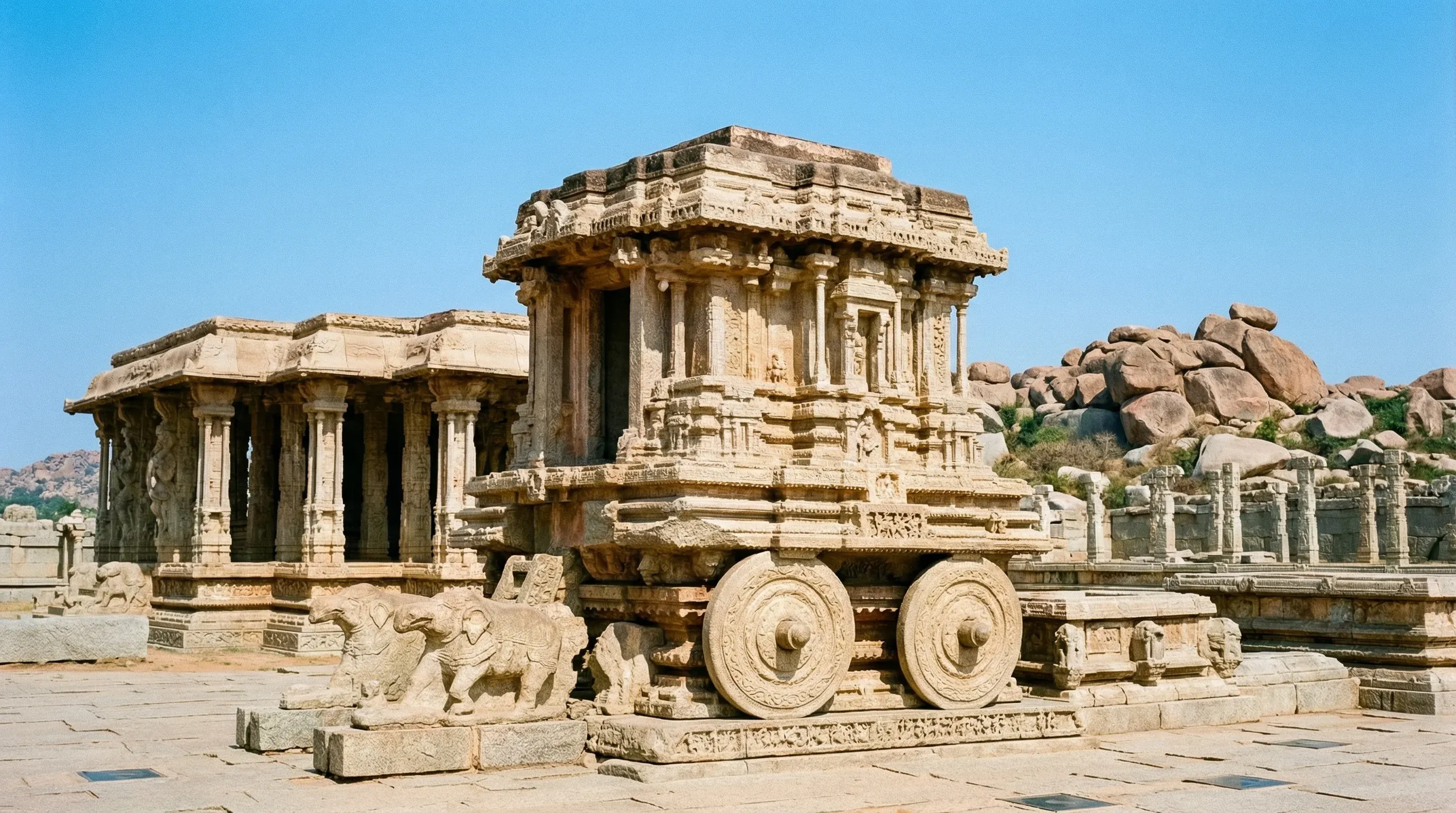

Deccan & Coromandel South India
Ancient stone giants and coastal sun 🥥🏛️
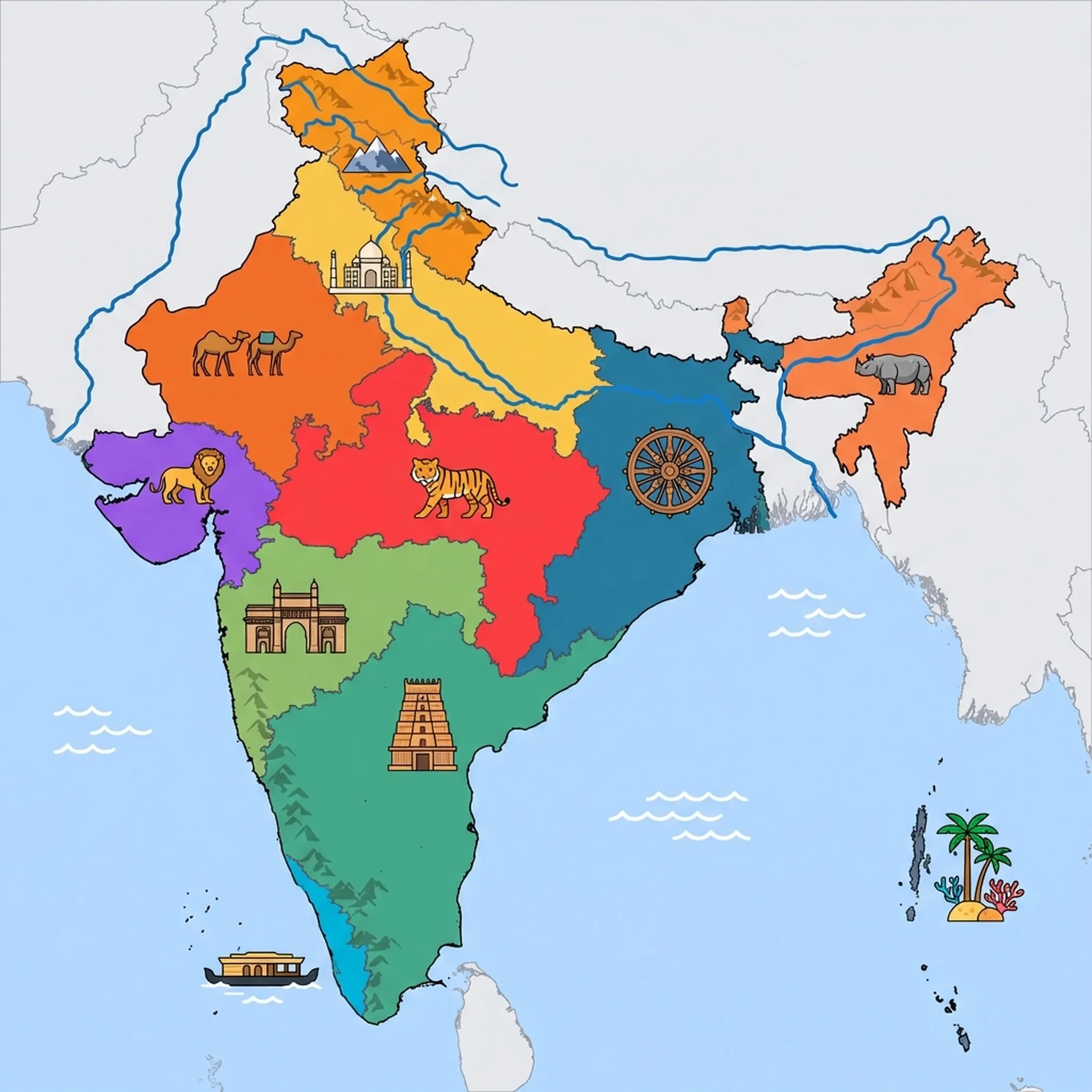
Click a region to explore
The Deccan and Coromandel region encompasses the cultural heavyweights of South India. Geographically, it spans the dry, boulder-strewn uplands of the Deccan Plateau down to the humid, temple-studded plains of the Coromandel Coast. For families, this is a destination of immense variety—from the cool gardens of "Silicon Valley" Bengaluru to the chaotic, colourful energy of Chennai. It is a land where history is carved in stone, evident in the colossal temple towers (gopurams) that dominate the skylines of pilgrimage towns.
The culture here is distinct from the north, with Dravidian languages, carnatic music, and a deep reverence for tradition. Children will be fascinated by the sheer scale of the monuments and the vibrant festivals. The region is also incredibly welcoming to families, with a culture that adores children. While the cities can be bustling and traffic-heavy, escaping to the heritage sites or the coast offers plenty of space for exploration. The weather is generally tropical, meaning warm days year-round, making it a great winter escape for those from colder climates.
Key Attractions
The Group of Monuments at Hampi is an absolute must-visit; its landscape of giant boulders and ruined palaces looks like a movie set and is great for adventurous kids to scramble around (with supervision). On the coast, the Mahabalipuram Group of Monuments features the famous Shore Temple and massive rock reliefs that serve as an open-air museum. In the cities, Hyderabad's Charminar offers a bustling historic market atmosphere, while Chennai's Marina Beach—one of the longest urban beaches in the world—is perfect for an evening stroll, complete with fairground rides and snacks. Nature lovers should head to Bandipur National Park for a chance to see elephants in the wild.
Practical Advice
The best time to visit is November to February when temperatures are milder. March to May can be intensely hot. When visiting temples, dress modestly (shoulders and knees covered) and be prepared to remove shoes.
Food & Drink
Typical meal times: Breakfast is a major ritual, usually 7:00 am to 10:00 am. Lunch is 12:30 pm to 2:30 pm, and dinner 7:30 pm to 10:00 pm.
Typical meal costs: South Indian dining is excellent value. A family meal can cost ₹600–1,200 (approx. $7–14 USD / €6.50–13 EUR). Fine dining in IT hubs will be higher.
Dietary requirements: excellent for vegetarians and vegans (dairy is used but avoidable). Gluten-free options like rice-based dosas and idlis are staples.
Signature dishes:
- Masala Dosa – A crispy fermented rice crepe stuffed with spiced potatoes, served with coconut chutney and sambar.
- Hyderabadi Biryani – A world-famous fragrant rice dish cooked with meat (or veggies) and rich spices, originating from the Nizams of Hyderabad.
- Idli – Steamed fluffy rice cakes, a healthy and mild breakfast favourite for children.
Why this score?
Climbing the boulder-strewn landscapes of Hampi and exploring the rural interior provides moderate physical engagement. The infrastructure is generally good, though some remote temple sites require navigating less-developed rural roads.
Why this score?
Chennai and Hyderabad are major global hubs for medical tourism, offering world-class hospitals and highly trained English-speaking staff. Even in smaller cities like Madurai, the private healthcare system is robust and accustomed to international patients.
Why this score?
Hampi and the Great Living Chola Temples attract a steady flow of international cultural tourists, but the region lacks the mega-destination volume of the North. It is recognized for its heritage but remains a second or third-time destination for most global travelers.

South India is very budget-friendly. A comfortable AC hotel room costs ₹2,500–5,000 (approx. $30–60 USD / €27–55 EUR). Temple entry is often free or nominal, though shoe-keeping fees apply. Food is incredibly cheap and high quality, with a filling "thali" (platter) costing as little as ₹150–250 (approx. $1.80–3 USD / €1.60–2.75 EUR).

Getting Here & Around
Getting Here
- Airports – Kempegowda International Airport (BLR) in Bengaluru, Chennai International Airport (MAA), and Rajiv Gandhi International Airport (HYD) in Hyderabad are major international hubs.
- Train – An extensive rail network connects all towns. The Vande Bharat Express offers fast connections between major cities like Chennai and Mysuru.
- Driving – The East Coast Road (ECR) from Chennai to Pondicherry is a scenic drive popular with families.
Getting Around
- Car – Hiring a car with a driver is the most stress-free way to navigate the chaotic traffic and reach sites like Mahabalipuram Group of Monuments.
- Bus – State buses are frequent but can be crowded; luxury private Volvo buses are a better option for inter-city travel.
- Auto-rickshaw – Fun for short city hops, but always negotiate the fare or ask for the meter before getting in.
Nearby Airports (22 airports)
Kempegowda International Airport
BLRBengaluru
Cuddapah
CDPKadapa
Coimbatore
CJBCoimbatore
Kalaburagi Airport
GBIGulbarga
Hubli Airport
HBXHubli
Rajiv Gandhi International Airport
HYDHyderabad
Mangalore
IXEMangalore
Belgaum
IXGBelgaum
Madurai
IXMMadurai
Kurnool Airport
KJBKurnool
Chennai International
MAAChennai
Mysore Airport
MYQMysore
Puducherry Airport
PNYPuducherry
Rajahmundry
RJARajahmundry
Shivamogga Airport
RQYShivamogga
Salem Airport
SXVSalem
Tuticorin Airport
TCRTuticorin
Tirupati
TIRTirupati
Tiruchirappalli
TRZTiruchirappalli
Jindal Airport
VDYVijaynagar
Vijayawada
VGAVijayawada
Vishakhapatnam
VTZVishakhapatnam
View full flight map for India →
Official Links

Packing List
You will remove footwear frequently at temples; laces become tedious.
Stone temple floors can get blistering hot in the afternoon sun; socks protect feet.
Useful for covering shoulders at religious sites when wearing t-shirts/strappy tops.
Eating with hands is the norm; soap isn't always available at small eateries.
You will constantly remove shoes at temples and some museums. Laces become very annoying very quickly.
Dehydration hits fast in the heat; these are essential for rapid recovery if anyone gets an upset stomach.
Stickers that attach to clothing are often easier for children than sticky sprays and creams.
Hotel rooms often have few outlets, sometimes oddly placed. A strip lets you charge all family devices at once.
Many public restrooms do not provide paper. Carry your own supply everywhere.
If travelling by overnight train, it is standard practice to chain luggage under the seat for peace of mind.

Activities & Best Times

Urban tourism, museums, historical sites, architecture
Home to world-class heritage sites including Hampi and Mysore Palace, offering an authentic and sophisticated cultural experience. The winter season is ideal for walking tours, whereas the extreme temperatures in April and May make urban exploration physically exhausting.

Hiking, wildlife, outdoor exploration, ecotourism
Offers high-quality trekking in the Western Ghats and immersion in ancient landscapes like Hampi. Winter provides the most comfortable conditions for exploration; the monsoon months are lush but challenging for trails, while pre-monsoon heat is dangerously high for outdoor activity.

Beach resorts, marine activities: diving, snorkelling, kite surfing, wind surfing, sailing
Features the unique heritage-rich Mahabalipuram coastline and urban beaches like Marina Beach. Peak visits occur during the cooler winter window, while the region is significantly impacted by oppressive heat in summer and heavy rainfall during the northeast monsoon (October-November).

Learning experiences, scientific sites, historical education
Features significant industrial museums and large-scale aquariums that offer high-quality learning environments for families. Winter is the best period for travel, and while indoor facilities are accessible during the monsoon, the intense summer heat makes traveling between sites difficult.

Scenic drives, countryside tours, route-based travel
Features celebrated scenic routes like the East Coast Road and Nilgiri Ghat roads with spectacular plateau views. Winter offers the safest and most scenic driving conditions; monsoon months are frequently avoided due to potential road hazards and limited visibility.

Sport tourism, fitness activities, active recreation
Includes established trekking routes and adventure centers providing organized active tourism opportunities. Optimal conditions for high-exertion sports occur during the cool, dry winter; the monsoon allows for limited activity, but the pre-monsoon heat is too intense for safe participation.

Amusement parks, family entertainment venues
Boasts large-scale attractions like Ramoji Film City and Wonderla that provide significant family entertainment. Peak visitation aligns with cooler months; the off-season is driven by the extreme pre-monsoon heat and subsequent heavy monsoon rains that affect outdoor park enjoyment.

Events, celebrations, seasonal attractions
Anchored by the world-class Mysore Dasara and the Madras Music Season, events that draw international cultural aficionados. These classifications are strictly event-driven, with the region offering very few internationally significant cultural festivals outside these specific windows.

Spa retreats, wellness centers, peaceful getaways
While offering historic temple tanks and bathhouses in scenic heritage settings, it lacks the concentrated destination spa infrastructure found in nearby Kerala. The cool winter months are the only period offering a restorative environment conducive to wellness travel.

Attractions (41 total)



Public Holidays & Calendar Next 12 months
Public holidays, festivals, cultural celebrations, and seasonal natural phenomena coming up in Deccan & Coromandel South India over the next 12 months.
Loading holidays and events...

Travel Advisory
A unanimous consensus among all major international agencies indicates that travelers should exercise a high degree of caution throughout India. This assessment is driven by the significant threat of terrorism and the risk of crime, particularly against women. Furthermore, many agencies maintain 'Do Not Travel' warnings for specific border regions and states with active insurgencies.
Safety Topics
Traveller Advice (3 groups)

Exercise extreme vigilance during large religious festivals and at holy sites, which can be targets for terrorist attacks or prone to dangerous overcrowding and stampedes.

Female visitors are urged to take extra precautions due to high reports of sexual harassment and assault. It is advised to avoid traveling alone at night, use only reliable transportation services, and dress modestly to align with local cultural expectations.

Stay highly alert in public places and monitor local news for security updates. Ensure all travel documents are in order and verify if you need to complete the mandatory e-Arrival card before landing. Be aware that consular assistance may be limited in rural or remote areas.
Agency Summaries
Heightened security awareness is needed due to terrorism and crime. Extreme danger zones exist in Jammu and Kashmir and along the border with Pakistan, where landmines and conflict are risks.
Travelers should be more careful due to risks associated with crime and terrorism. Particular emphasis is placed on the risk of sexual assault and the need for special permits in various rural and border districts.
Heightened vigilance is recommended due to the persistent threat of terrorist activity and general safety concerns across the country. Specific regions near the Pakistan border and parts of the Northeast are under stricter travel bans.
Recent military activities along the border and the ongoing threat of extremism necessitate increased caution. Visitors are also warned about strict visa enforcement and legal penalties.
A high level of caution is advised nationwide because of terrorism, crime, and the potential for civil unrest. Travelers must also comply with new digital arrival registration requirements.
While most of the country is accessible, travel is discouraged near the Pakistan border and in several northeastern states due to security volatility. High risks of terrorism and sexual violence are highlighted.
Information is provided for general guidance only and does not constitute travel, safety, medical, or legal advice. Conditions may change. Users are responsible for independently verifying information before travel.