
Delhi & Upper Gangetic Plain
Empire builders and timeless rivers 🕌🇮🇳
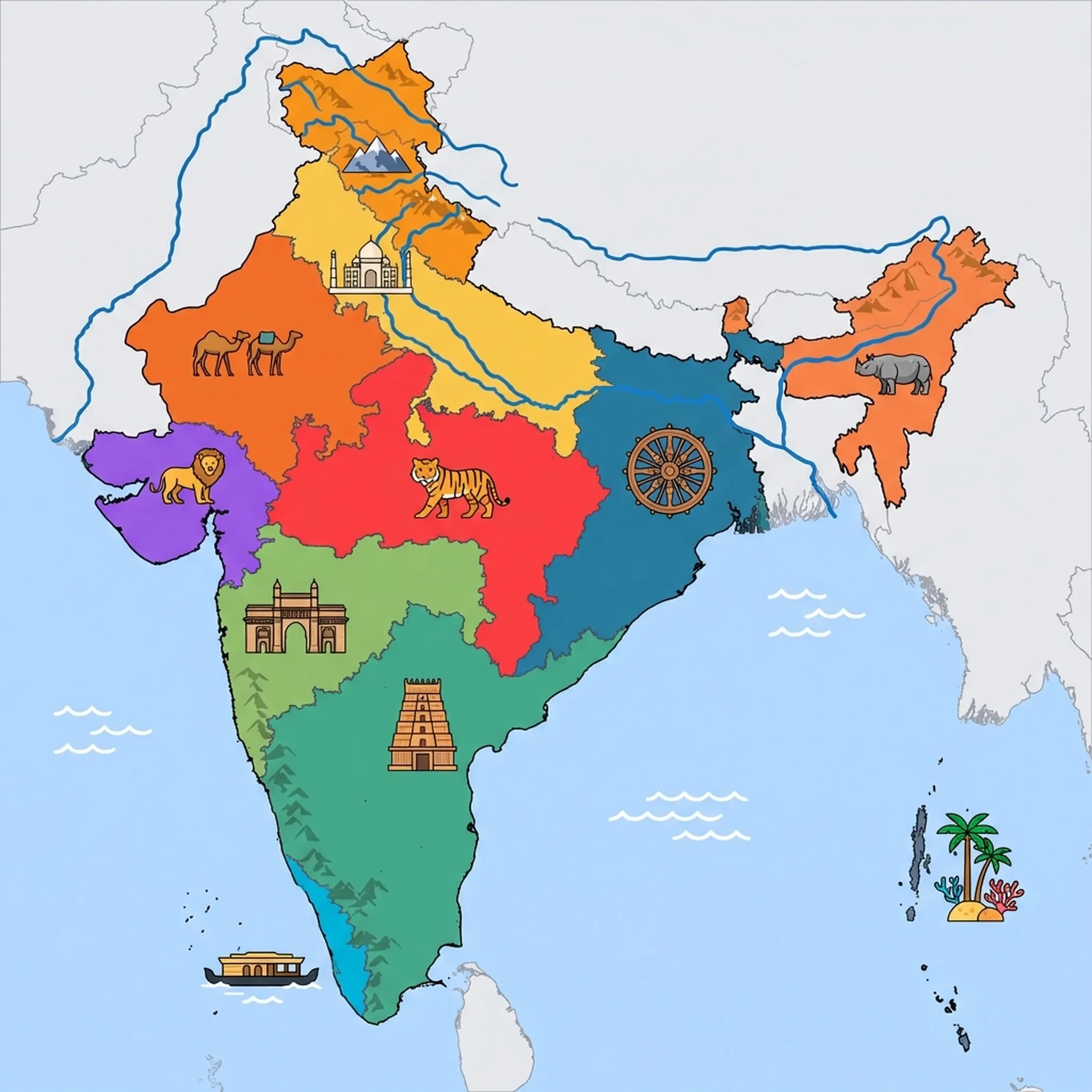
Click a region to explore
This region is the historic heavyweight of India, the seat of empires for centuries. For many families, this is where the Indian adventure begins. It encompasses the "Golden Triangle" cities of Delhi and Agra, along with the spiritual heartland of Varanasi. The landscape is flat, fertile river plain, but the architecture soaring above it is spectacular. From the chaotic, sensory overload of Old Delhi to the pristine symmetry of Mughal mausoleums, it is a place of extreme contrasts.
For children, the history here is visual and grand. Forts are massive, palaces are glittering, and the stories of kings and queens are captivating. While the hustle and pollution of Delhi can be overwhelming, the city is interspersed with surprisingly green spaces like Lodhi Gardens and Sunder Nursery, which offer a perfect respite for kids to run around. This region requires some patience—crowds are dense and noise levels high—but the reward is seeing the world's most famous tributes to love and power.
Key Attractions
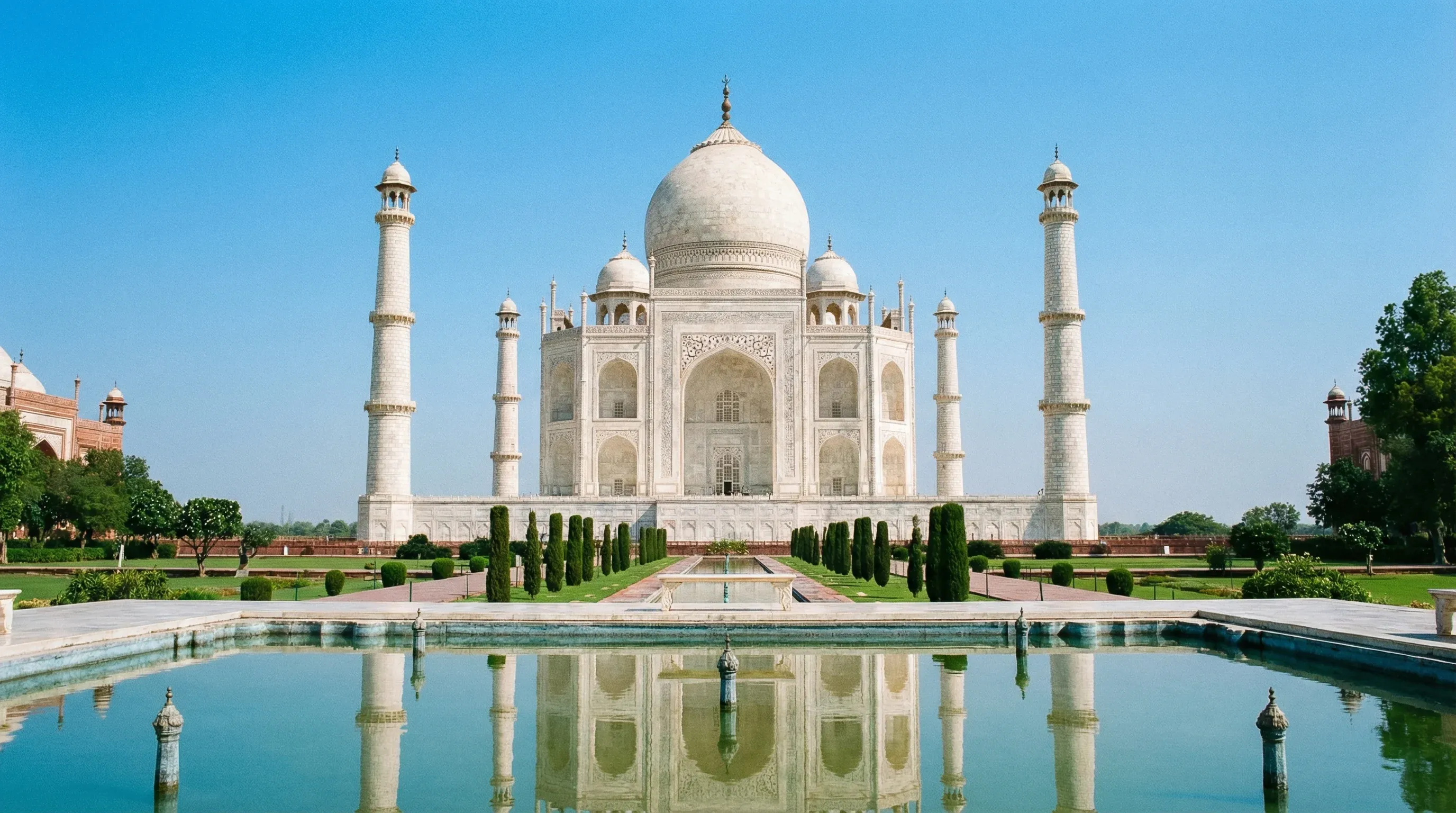
The undisputed highlight is the Taj Mahal in Agra; visiting at sunrise helps avoid the worst crowds and heat. Nearby, the Agra Fort offers a more rugged fortress experience that kids often enjoy more than the Taj itself. In Delhi, the Qutub Minar complex is a fantastic spot with its towering brick minaret and iron pillar. For a fun break from history, the National Science Centre and National Zoological Park provide child-focused entertainment. A rickshaw ride through the bazaars near the Red Fort is a chaotic but memorable experience for older children.
Practical Advice
Visit between October and March. Winters (Dec-Jan) can be foggy and chilly. Summers (April-June) are dangerously hot. Pollution in Delhi spikes in Nov-Dec; families with asthmatic children should carry N95 masks.
Food & Drink
Typical meal times: Lunch 1:00 pm to 3:00 pm, Dinner 8:00 pm to 10:30 pm. Street food snacking is common all day.
Typical meal costs: A meal in a nice restaurant is ₹1,000–2,000 (approx. $12–24 USD / €11–22 EUR). Street food is pennies but requires a strong stomach.
Dietary requirements: Very vegetarian-friendly. Vegan options are plentiful (avoid paneer/ghee). Nut allergies (cashews/almonds) should be communicated clearly as they are used in rich gravies.
Signature dishes:
- Butter Chicken – Tandoori chicken cooked in a smooth, tomato-based buttery gravy. A Delhi invention and kid favourite (ask for mild).
- Aloo Tikki – Spiced potato patties served with yoghurt and chutneys, a classic street snack.
- Galouti Kebab – A melt-in-the-mouth minced meat kebab from Lucknow, originally made for a toothless king.
Why this score?
The region is highly developed and urbanized, with tourism centered around well-paved heritage sites and luxury hotels. While the chaotic street life of Old Delhi or Varanasi offers a sensory challenge, it lacks rugged physical adventure or wilderness.
Why this score?
Delhi hosts some of the finest private hospitals in Asia, such as Apollo and Fortis, which cater specifically to international patients and insurance. While the Ganges plains are more rural, emergency access to Delhi's high-tier facilities is relatively efficient via rail or road.
Why this score?
This region is the heart of India's tourism, home to the Taj Mahal and the primary international gateway of Delhi. It sees millions of foreign visitors annually and is a top-tier global destination for history, architecture, and spiritual tourism.

Delhi and Agra have options for every budget. Luxury hotels are world-class but pricey (₹15,000+ / $180+ USD). Mid-range boutique guesthouses offer great value at ₹4,000–7,000 (approx. $48–85 USD / €44–77 EUR). Attraction entry fees are significantly higher for foreigners (e.g., Taj Mahal is approx ₹1,100 vs ₹50 for locals).

Getting Here & Around
Getting Here
- Airports – Indira Gandhi International Airport (DEL) is India's busiest hub with connections globally.
- Train – The Gatimaan Express is a fast train connecting Delhi to Agra (for the Taj Mahal) in under 2 hours.
- Driving – The Yamuna Expressway offers a smooth, high-speed drive between Delhi and Agra.
Getting Around
- Metro – The Delhi Metro is world-class: clean, safe, air-conditioned, and the best way to escape traffic while visiting sites like Qutub Minar.
- Auto-rickshaw/Uber – App-based cabs (Uber/Ola) are reliable and safer than hailing taxis off the street.
- Walking – Not recommended for long distances due to lack of sidewalks, except in parks like Sunder Nursery.
Nearby Airports (14 airports)
Agra
AGRAgra
Adampur Airport
AIPAdampur
Amritsar
ATQAmritsar
Ayodhya Airport
AYJAyodhya
Bareilly Airport
BEKBareilly
Bathinda Airport
BUPBathinda
Indira Gandhi International Airport
DELDelhi
Gorakhpur Airport
GOPGorakhpur
Hindon Airport
HDOGhaziabad
Chandigarh
IXCChandigarh
Allahabad
IXDAllahabad
Kanpur
KNUKanpur
Lucknow
LKOLucknow
Varanasi
VNSVaranasi
View full flight map for India →
Official Links

Packing List
Air quality can be poor, especially in winter (Nov-Jan).
Essential for hygiene after touching surfaces in busy public areas.
Dehydration happens quickly in the dry heat; useful for kids.
Sensory overload from traffic horns can be overwhelming for some children.
You will constantly remove shoes at temples and some museums. Laces become very annoying very quickly.
Dehydration hits fast in the heat; these are essential for rapid recovery if anyone gets an upset stomach.
Stickers that attach to clothing are often easier for children than sticky sprays and creams.
Hotel rooms often have few outlets, sometimes oddly placed. A strip lets you charge all family devices at once.
Many public restrooms do not provide paper. Carry your own supply everywhere.
If travelling by overnight train, it is standard practice to chain luggage under the seat for peace of mind.

Activities & Best Times

Urban tourism, museums, historical sites, architecture
Home to the Taj Mahal and Varanasi, this region offers world-class historical depth and living heritage. Peak visitation occurs during the cool winter months when the Gangetic heat is manageable for family exploration.

Hiking, wildlife, outdoor exploration, ecotourism
Offers significant wildlife immersion in Dudhwa National Park and unique river safaris in the Chambal Sanctuary. Most parks close during the monsoon (July-September), and extreme heat makes the summer months unsuitable for wildlife spotting.

Sport tourism, fitness activities, active recreation
Strong infrastructure for cycling and adventure sports, including the Asola Bhatti trails and major adventure parks. Cooler temperatures from November to February are essential for high-exertion activities in this region.

Learning experiences, scientific sites, historical education
Standout facilities like the Heritage Transport Museum provide world-class, purpose-built educational experiences. While largely indoor, the peak season follows general tourism patterns to ensure comfortable transit between regional sites.

Events, celebrations, seasonal attractions
The Kumbh Mela is the world's largest religious gathering (UNESCO Intangible Cultural Heritage), and Holi is globally iconic. Rating these as 'marginal' is internationally miscalibrated - they are primary reasons for international festival tourism.

Scenic drives, countryside tours, route-based travel
The Heritage Arc and modern expressways offer high-quality routes connecting Agra, Lucknow, and Varanasi. Peak months provide the best visibility, avoiding the extreme fog of late December/January and the summer heat.

Amusement parks, family entertainment venues
Includes internationally recognized concepts like KidZania and established water parks that cater to family entertainment. Outdoor parks are best visited when temperatures are comfortable, avoiding the extreme pre-monsoon heat.

Spa retreats, wellness centers, peaceful getaways
Niche wellness options include historic sulphur springs and traditional bathhouses for restorative visits. These are primarily a winter attraction when the cool air complements the warmth of thermal springs.

Attractions (31 total)



Public Holidays & Calendar Next 12 months
Public holidays, festivals, cultural celebrations, and seasonal natural phenomena coming up in Delhi & Upper Gangetic Plain over the next 12 months.
Loading holidays and events...

Travel Advisory
A unanimous consensus among all major international agencies indicates that travelers should exercise a high degree of caution throughout India. This assessment is driven by the significant threat of terrorism and the risk of crime, particularly against women. Furthermore, many agencies maintain 'Do Not Travel' warnings for specific border regions and states with active insurgencies.
Safety Topics
Traveller Advice (3 groups)

Exercise extreme vigilance during large religious festivals and at holy sites, which can be targets for terrorist attacks or prone to dangerous overcrowding and stampedes.

Female visitors are urged to take extra precautions due to high reports of sexual harassment and assault. It is advised to avoid traveling alone at night, use only reliable transportation services, and dress modestly to align with local cultural expectations.

Stay highly alert in public places and monitor local news for security updates. Ensure all travel documents are in order and verify if you need to complete the mandatory e-Arrival card before landing. Be aware that consular assistance may be limited in rural or remote areas.
Agency Summaries
Heightened security awareness is needed due to terrorism and crime. Extreme danger zones exist in Jammu and Kashmir and along the border with Pakistan, where landmines and conflict are risks.
Travelers should be more careful due to risks associated with crime and terrorism. Particular emphasis is placed on the risk of sexual assault and the need for special permits in various rural and border districts.
Heightened vigilance is recommended due to the persistent threat of terrorist activity and general safety concerns across the country. Specific regions near the Pakistan border and parts of the Northeast are under stricter travel bans.
Recent military activities along the border and the ongoing threat of extremism necessitate increased caution. Visitors are also warned about strict visa enforcement and legal penalties.
A high level of caution is advised nationwide because of terrorism, crime, and the potential for civil unrest. Travelers must also comply with new digital arrival registration requirements.
While most of the country is accessible, travel is discouraged near the Pakistan border and in several northeastern states due to security volatility. High risks of terrorism and sexual violence are highlighted.
Information is provided for general guidance only and does not constitute travel, safety, medical, or legal advice. Conditions may change. Users are responsible for independently verifying information before travel.