
Eastern India & Lower Ganges
Misty tea gardens and artistic souls ☕🎭
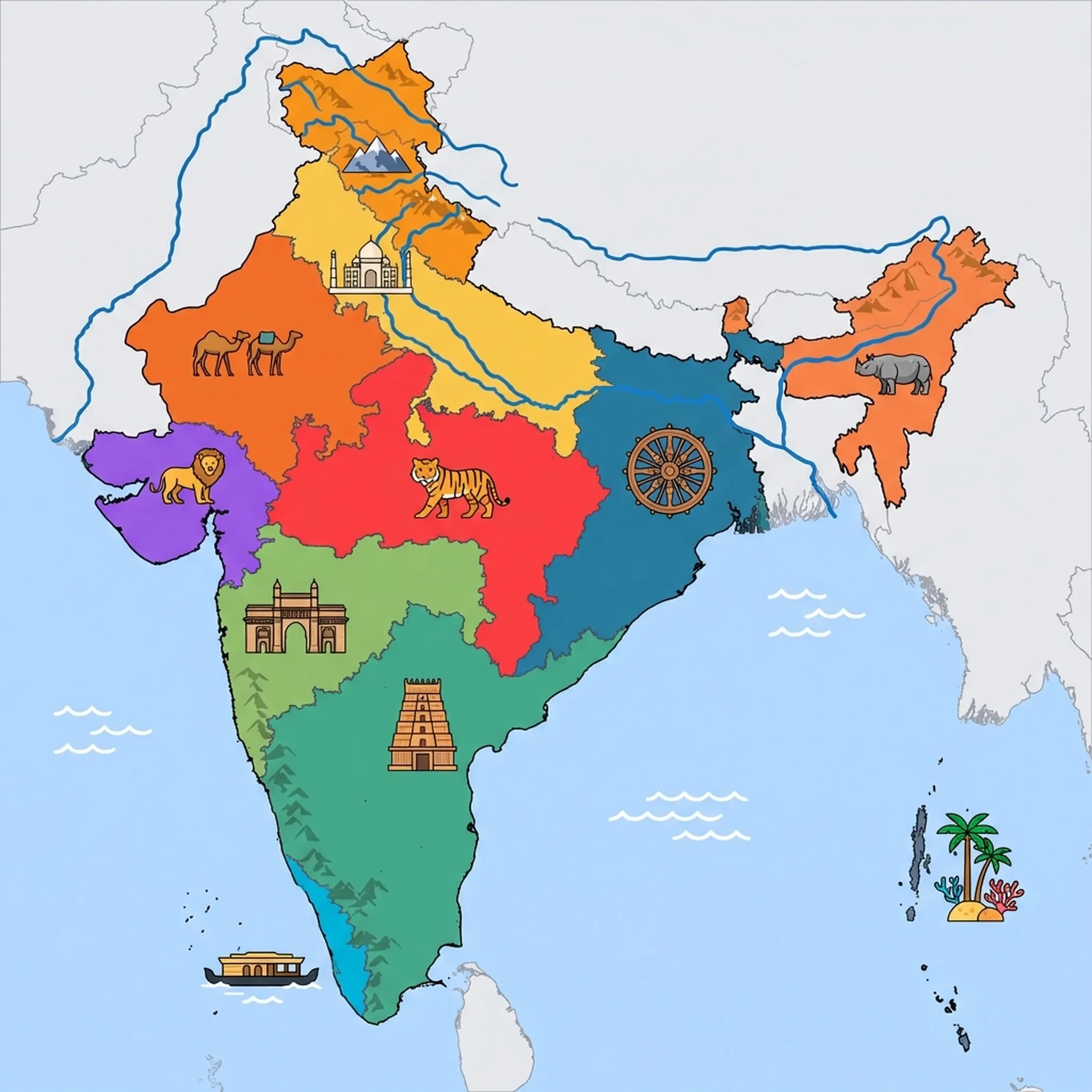
Click a region to explore
Eastern India offers a slower, more soulful pace compared to the frenetic north. It stretches from the mangrove forests of the Sundarbans and the beaches of the Bay of Bengal up to the cool tea plantations of the Himalayas. Kolkata, the cultural capital, is a city of crumbling colonial mansions, yellow taxis, and intellectual cafes, while Odisha offers ancient temples and distinct tribal cultures. For families, this region provides a rich mix of history, nature, and hill station charm.
The atmosphere here is deeply rooted in art and literature. It is less commercialised than the Golden Triangle, offering a more authentic look at daily Indian life. A highlight for any child is the journey to the hills—the cooler air of Darjeeling provides a welcome break from the heat of the plains. The region is also the gateway to Buddhism's holiest sites, offering educational value alongside scenic beauty.
Key Attractions
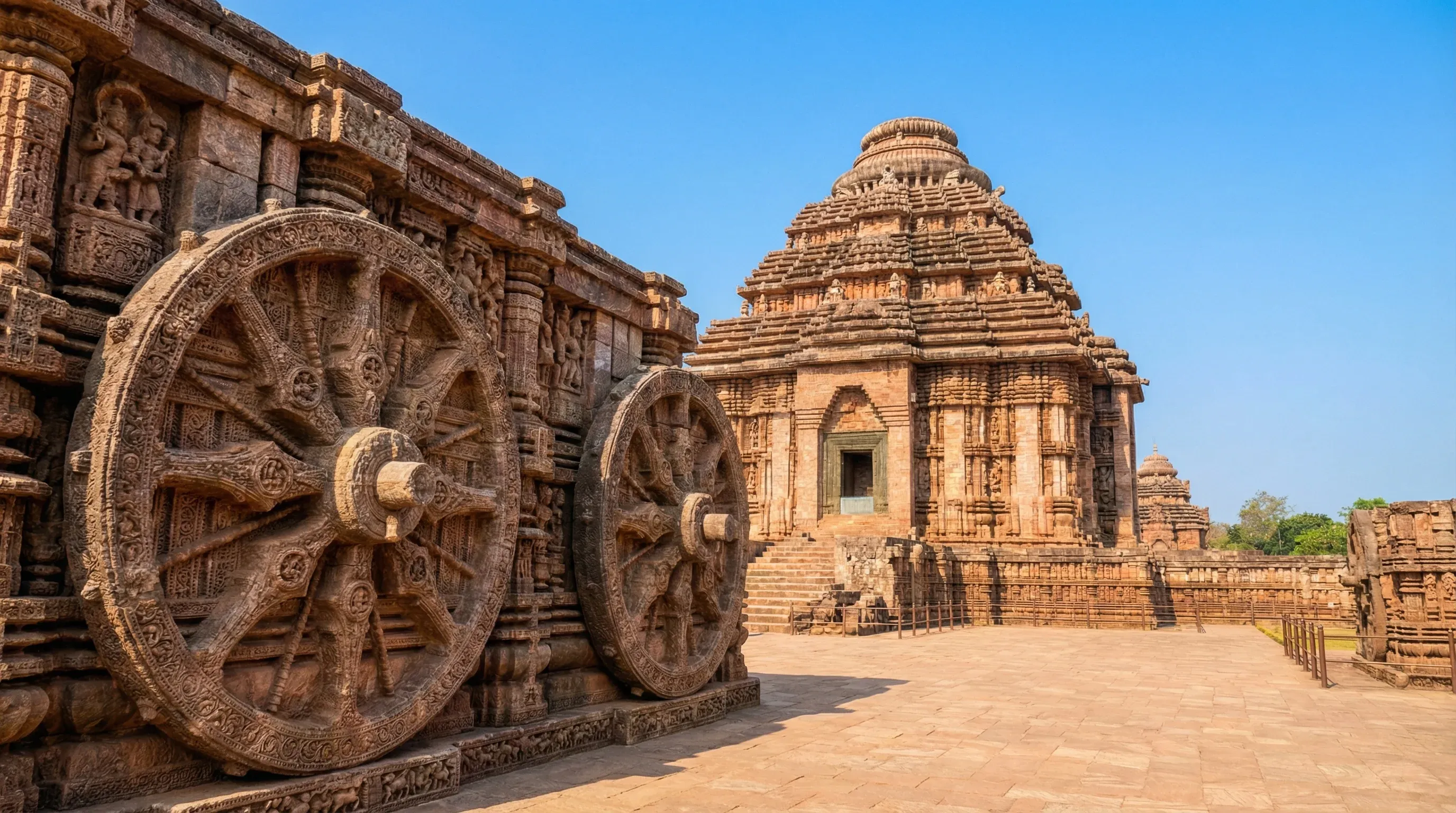
The Darjeeling Himalayan Railway, affectionately known as the "Toy Train," is a UNESCO World Heritage experience that chugs through loops and zigzags, delighting children and adults alike. In Kolkata, the Indian Museum is the oldest in India, housing everything from dinosaur fossils to Egyptian mummies. Further south in Odisha, the Konark Sun Temple is a spectacular chariot-shaped monument covered in intricate stone carvings. For a day of fun, Nicco Park in Kolkata is a popular amusement park for local and visiting families.
Practical Advice
Best visited from October to March. The monsoon (June-September) is heavy here. Durga Puja (usually October) is a massive festival in Kolkata—spectacular but incredibly crowded.
Food & Drink
Typical meal times: Lunch 1:00 pm to 3:00 pm, Dinner 8:30 pm to 10:30 pm.
Typical meal costs: Very affordable. A good meal costs ₹500–1,000 (approx. $6–12 USD / €5.50–11 EUR).
Dietary requirements: Fish is a religion here, but vegetarian options are always available. Mustard oil is the primary cooking medium, which has a pungent kick.
Signature dishes:
- Rasgulla (Rosogolla) – Spongy cottage cheese balls soaked in light sugar syrup. A must-try sweet.
- Macher Jhol – A light, soupy fish curry usually made with freshwater carp (Rohu), turmeric, and nigella seeds.
- Kathi Roll – Originating in Kolkata, this is skewered meat or veggies wrapped in a paratha flatbread—perfect grab-and-go food.
Why this score?
The Sundarbans mangrove forests and the Himalayan foothills in Darjeeling offer unique, somewhat rugged experiences. Travel through rural Bihar or the tribal belts of Odisha requires a degree of self-sufficiency and tolerance for basic infrastructure.
Why this score?
Kolkata has several high-quality private hospitals that serve the expatriate and tourist community well. However, medical standards drop significantly in the rural stretches of the Lower Ganges and the coastal areas of Odisha, where facilities are often overstretched.
Why this score?
Kolkata and Darjeeling are iconic, but the broader region, including Bihar and Odisha, receives relatively low international visitor numbers compared to the West or North. It remains a niche area for cultural scholars and tea enthusiasts.

Eastern India is one of the most affordable regions for travellers. Hotel rates in Kolkata are lower than Mumbai or Delhi, with decent family rooms for ₹3,000–5,000 (approx. $36–60 USD / €33–55 EUR). Street food is incredibly cheap and delicious, costing just ₹50–100 (approx. $0.60–1.20 USD) for a filling snack.

Getting Here & Around
Getting Here
- Airports – Netaji Subhash Chandra Bose International Airport (CCU) in Kolkata is the primary hub.
- Train – Howrah Junction in Kolkata is one of India's largest and busiest stations. The Darjeeling Himalayan Railway connects from New Jalpaiguri.
- Ferry – Ferries operate across the Hooghly River in Kolkata, a fun and cheap way to see the city.
Getting Around
- Taxi/Cab – Kolkata's iconic yellow Ambassador taxis are an attraction in themselves, though Uber is often more comfortable (AC).
- Metro – Kolkata has India's oldest metro system, which is reliable and cheap.
- Walking – Central Kolkata (Park Street area) is walkable and filled with colonial architecture.
Nearby Airports (15 airports)
Bhubaneshwar
BBIBhubaneswar
Kolkata Netaji Subhas Chandra Bose Intl Airport
CCUKolkata
Cooch Behar Airport
COHCooch Behar
Darbhanga Airport
DBRDarbhanga
Deoghar International Airport
DGHDeoghar
Gaya
GAYGaya
Bagdogra
IXBBagdogra
Birsa Munda
IXRRanchi
Jamshedpur
IXWJamshedpur
Veer Surendra Sai Airport
JRGJharsuguda
Patna
PATPatna
Jeypore Airport
PYBJeypore
Kazi Nazrul Islam Airport
RDPAndal
Rourkela
RRKRourkela
Utkela Airport
UKEUtkela
View full flight map for India →
Official Links

Packing List
Rain can be sudden and heavy, especially in Darjeeling/hills.
The drive or train ride up to Darjeeling is very winding.
Mustard oil is messy; useful after enjoying street food rolls.
Useful for removing leeches if trekking in the humid Himalayan foothills.
You will constantly remove shoes at temples and some museums. Laces become very annoying very quickly.
Dehydration hits fast in the heat; these are essential for rapid recovery if anyone gets an upset stomach.
Stickers that attach to clothing are often easier for children than sticky sprays and creams.
Hotel rooms often have few outlets, sometimes oddly placed. A strip lets you charge all family devices at once.
Many public restrooms do not provide paper. Carry your own supply everywhere.
If travelling by overnight train, it is standard practice to chain luggage under the seat for peace of mind.

Activities & Best Times

Hiking, wildlife, outdoor exploration, ecotourism
Exceptional biodiversity from the Sundarbans tiger reserves to the tea-covered Himalayan foothills of Darjeeling. The winter months provide optimal visibility for mountain views and high wildlife activity, whereas the monsoon renders many national parks inaccessible.

Urban tourism, museums, historical sites, architecture
Kolkata is a premier cultural hub with colonial architecture, world-class museums, and a rich intellectual legacy. Peak visitation occurs during the temperate winter to avoid the punishing heat of April-May and the intense humidity of the monsoon.

Beach resorts, marine activities: diving, snorkelling, kite surfing, wind surfing, sailing
Offers unique cultural beach experiences at Puri and Digha with wide sandy shores and warm Bay of Bengal waters. Peak season aligns with the cool winter when sea conditions are calm, while the monsoon months bring rough swells and dangerous currents.

Learning experiences, scientific sites, historical education
Home to significant scientific and natural history institutions like Science City and the Indian Museum. These facilities offer deep educational value, best enjoyed during the cooler months to facilitate travel between urban sites.

Events, celebrations, seasonal attractions
Durga Puja (UNESCO Intangible Cultural Heritage) and Ratha Yatra are described as 'globally significant' with 'unmatched immersion' - this warrants at least 'good' for international festival tourism.

Sport tourism, fitness activities, active recreation
Strong offerings for high-altitude trekking in the Singalila Ridge and white-water rafting on the Teesta River. These activities are highly seasonal, requiring the clear skies of spring and autumn to avoid monsoon rains and extreme winter cold.

Amusement parks, family entertainment venues
Features established regional amusement centers like Nicco Park and Aquatica that cater well to families. Optimal visiting conditions mirror the city's peak winter season when outdoor rides and aquatic centers are most comfortable.

Spa retreats, wellness centers, peaceful getaways
Natural hot springs at Bakreshwar and Rajgir provide authentic, historical thermal experiences, though they lack international luxury spa infrastructure. The cool winter months are the only appropriate time for thermal bath visitation.

Scenic drives, countryside tours, route-based travel
Features scenic drives like the Puri-Konark Marine Drive and the historic Hill Cart Road, though infrastructure can be challenging for international self-drivers. Best visibility and road conditions are found in the dry winter post-monsoon.

Attractions (31 total)



Public Holidays & Calendar Next 12 months
Public holidays, festivals, cultural celebrations, and seasonal natural phenomena coming up in Eastern India & Lower Ganges over the next 12 months.
Loading holidays and events...

Travel Advisory
A unanimous consensus among all major international agencies indicates that travelers should exercise a high degree of caution throughout India. This assessment is driven by the significant threat of terrorism and the risk of crime, particularly against women. Furthermore, many agencies maintain 'Do Not Travel' warnings for specific border regions and states with active insurgencies.
Safety Topics
Traveller Advice (3 groups)

Exercise extreme vigilance during large religious festivals and at holy sites, which can be targets for terrorist attacks or prone to dangerous overcrowding and stampedes.

Female visitors are urged to take extra precautions due to high reports of sexual harassment and assault. It is advised to avoid traveling alone at night, use only reliable transportation services, and dress modestly to align with local cultural expectations.

Stay highly alert in public places and monitor local news for security updates. Ensure all travel documents are in order and verify if you need to complete the mandatory e-Arrival card before landing. Be aware that consular assistance may be limited in rural or remote areas.
Agency Summaries
Heightened security awareness is needed due to terrorism and crime. Extreme danger zones exist in Jammu and Kashmir and along the border with Pakistan, where landmines and conflict are risks.
Travelers should be more careful due to risks associated with crime and terrorism. Particular emphasis is placed on the risk of sexual assault and the need for special permits in various rural and border districts.
Heightened vigilance is recommended due to the persistent threat of terrorist activity and general safety concerns across the country. Specific regions near the Pakistan border and parts of the Northeast are under stricter travel bans.
Recent military activities along the border and the ongoing threat of extremism necessitate increased caution. Visitors are also warned about strict visa enforcement and legal penalties.
A high level of caution is advised nationwide because of terrorism, crime, and the potential for civil unrest. Travelers must also comply with new digital arrival registration requirements.
While most of the country is accessible, travel is discouraged near the Pakistan border and in several northeastern states due to security volatility. High risks of terrorism and sexual violence are highlighted.
Information is provided for general guidance only and does not constitute travel, safety, medical, or legal advice. Conditions may change. Users are responsible for independently verifying information before travel.