
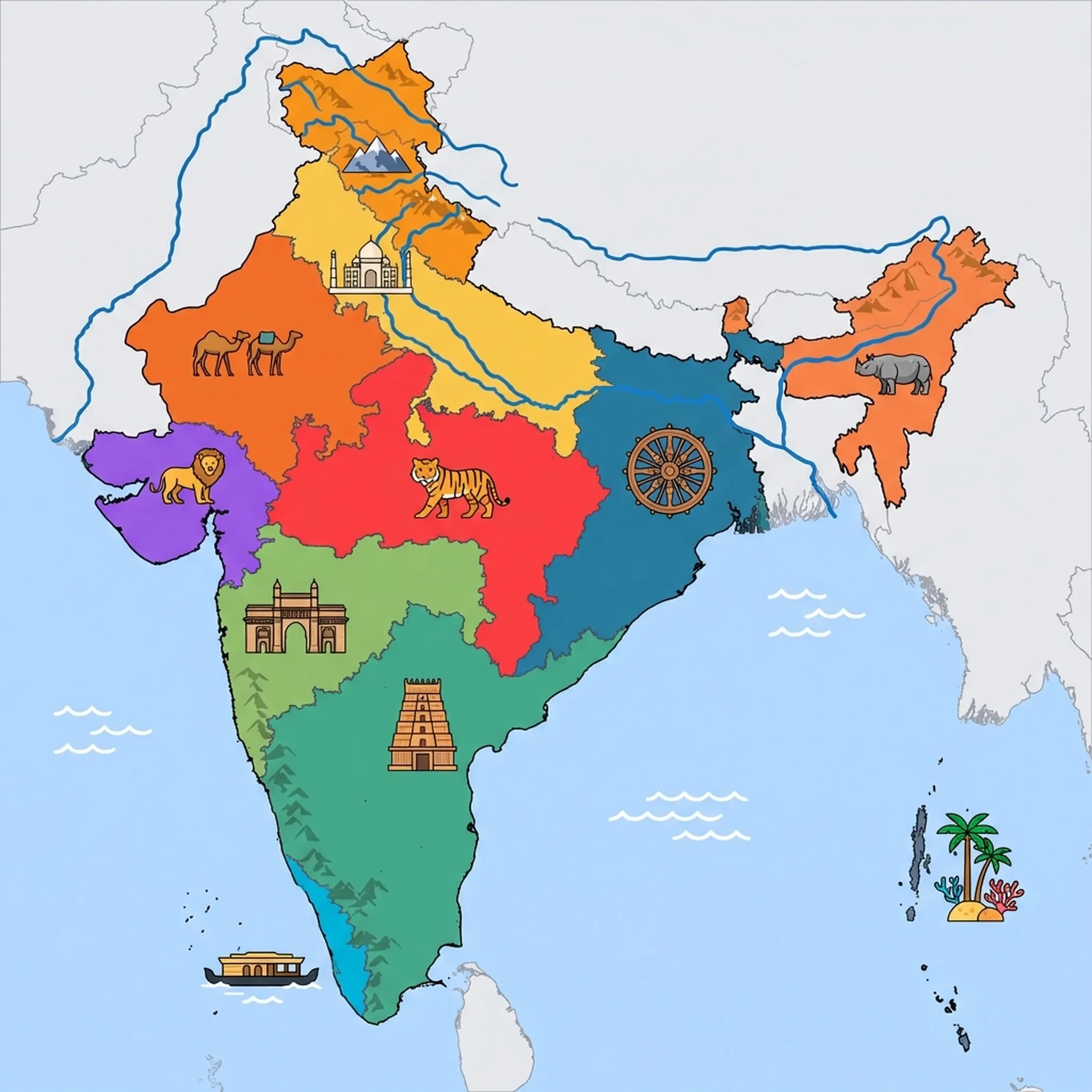
Click a region to explore
⚠️ SAFETY WARNING: Due to the risk of terrorism and civil unrest, government agencies (including CA, USA, UK, AU, IE, and NZ) advise travelers to reconsider travel to Jammu and Kashmir (excluding Ladakh) and to avoid areas near the Pakistan border. Security forces maintain a heavy presence. Families are strongly urged to consult their own government's official travel advisory before considering a trip, as circumstances and risk assessments vary. Popular tourist areas in Himachal Pradesh and Uttarakhand remain generally safe.
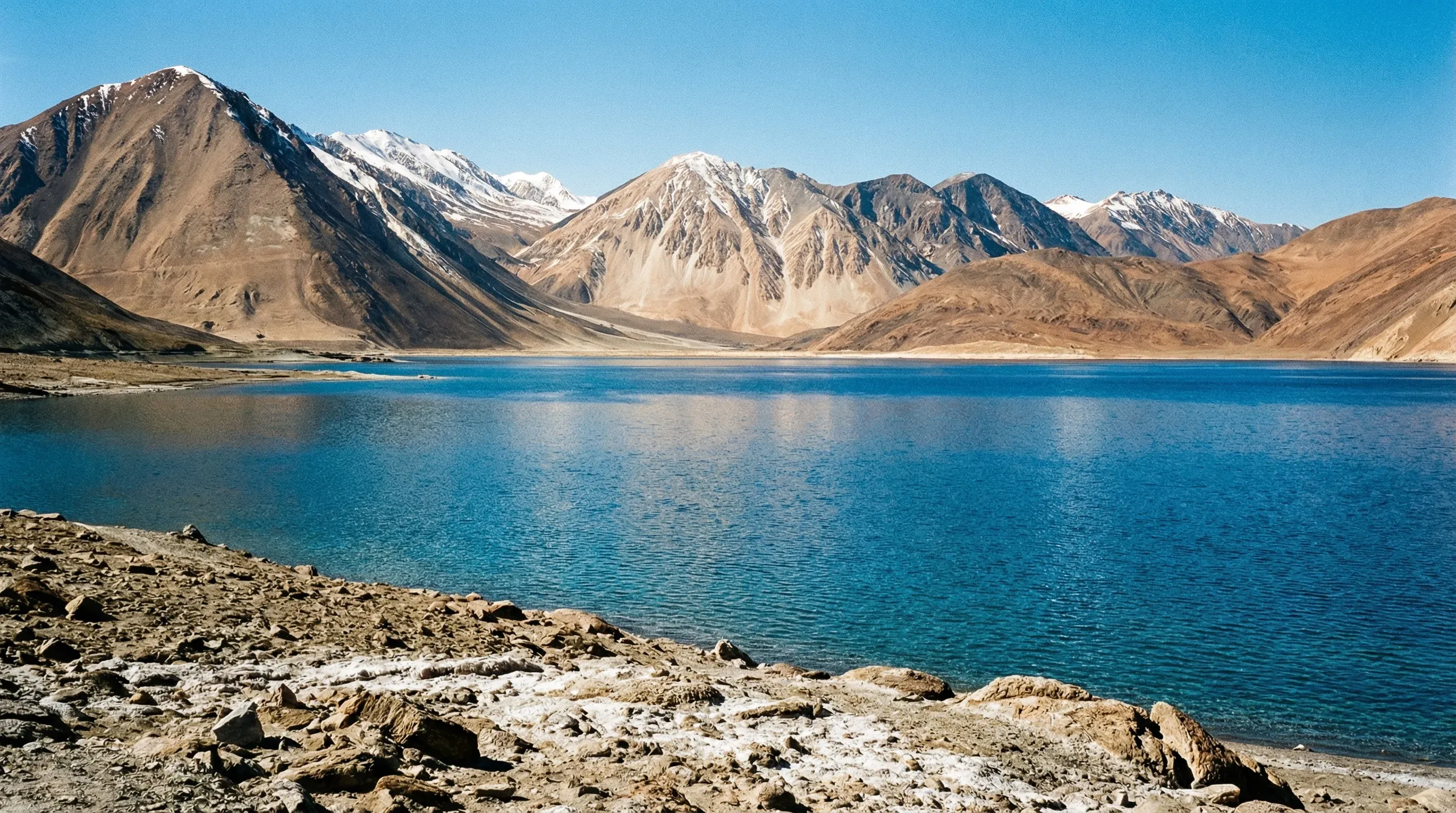
For families who love mountains, this region is a dream. It spans the majestic Himalayan range, offering everything from snowy adventures in winter to cool, pine-scented escapes in summer. The landscape is dramatic: deep valleys, rushing rivers, and peaks that touch the sky. It is a playground for outdoor activities—trekking, rafting, and skiing—but also a place of deep spiritual significance with ancient temples and monasteries clinging to cliffs.
The "hill stations" like Shimla and Manali were developed by the British to escape the heat, and they retain a colonial charm with toy trains and mall roads. Further north, Ladakh offers a stark, moon-like high-altitude desert landscape that is unique on the planet. The culture changes from the Hindu traditions of the foothills to the Tibetan Buddhist influence in the high mountains, offering a rich tapestry for children to explore.
Key Attractions
In Kashmir, a stay on a houseboat on Dal Lake is a magical experience, followed by a ride on the Gulmarg Gondola, one of the highest cable cars in the world. In Uttarakhand, Jim Corbett National Park is the oldest national park in India, famous for tigers and elephants. For a road trip adventure, the Manali-Leh Highway offers breathtaking (literally, due to altitude) scenery, leading to the historic Leh Palace. The Har Ki Pauri in Haridwar offers a mesmerizing evening river ceremony that is culturally profound.
Practical Advice
Summer (April-June) is peak season for escaping the heat. Winter (Dec-Feb) is for snow lovers. Monsoon (July-August) can be dangerous due to landslides; best to avoid driving then. Acclimatisation is essential when visiting Ladakh.
Food & Drink
Typical meal times: Lunch 1:00 pm to 2:30 pm, Dinner 8:00 pm to 10:00 pm.
Typical meal costs: Tourist towns can be pricier. A meal costs ₹600–1,200 (approx. $7–14 USD / €6.50–13 EUR). Maggi noodles at roadside stalls are a cheap staple (₹50).
Dietary requirements: Varied. Tibetan food (momos, noodles) is common. Vegetarian food is widely available, especially in holy towns like Haridwar/Rishikesh where meat is often banned.
Signature dishes:
- Momos – Steamed dumplings filled with veggies or meat, served with spicy chutney. A mountain staple kids love.
- Thukpa – A warming noodle soup with vegetables or meat, perfect for cold mountain evenings.
- Siddu – A steamed bread from Himachal, stuffed with poppy seeds or nuts, eaten with ghee.
Why this score?
This is India's premier adventure zone, featuring high-altitude trekking, white-water rafting, and world-class skiing. The terrain is genuinely challenging, with extreme weather, oxygen-thin air in Ladakh, and remote mountain passes.
Why this score?
While hill stations like Shimla have decent local clinics, the high-altitude regions of Ladakh and Spiti have very limited medical infrastructure. Serious altitude sickness or injuries often require expensive and weather-dependent helicopter evacuations to Delhi.
Why this score?
Regions like Ladakh, Manali, and Rishikesh are globally recognized for adventure and spirituality, attracting a moderate but consistent flow of international backpackers and seekers. It is a major destination but limited by seasonal accessibility.

Costs vary wildly by season. Peak summer and Christmas/New Year see hotel rates triple. A decent family hotel in Manali might be ₹3,000 ($36 USD) in off-season but ₹10,000 ($120 USD) in June. Adventure activities (paragliding, rafting) add to the cost, usually ₹1,500–3,000 (approx. $18–36 USD / €16–33 EUR) per person.

Getting Here & Around
Getting Here
- Airports – Sheikh Ul-Alam International Airport (SXR) in Srinagar and Kushok Bakula Rimpochee Airport (IXL) in Leh are key mountain hubs.
- Train – The Kalka-Shimla toy train is a UNESCO heritage route. Haridwar/Rishikesh are well-connected by rail from Delhi.
- Driving – The primary way to reach hill stations. Roads can be winding and prone to jams in peak season.
Getting Around
- Taxi – Union taxis control local transport in hill stations; rates are fixed and high.
- Walking – The Mall Roads in towns like Shimla are pedestrian-only and best explored on foot.
- Gondola/Ropeway – Used in places like Gulmarg Gondola to reach high snow points.
Nearby Airports (8 airports)
Dehradun
DEDDehra Dun
Gaggal Airport
DHMDharamsala
Jammu
IXJJammu
Leh
IXLLeh
Kullu Manali
KUUKulu
Pantnagar Airport
PGHPantnagar
Shimla Airport
SLVShimla
Srinagar
SXRSrinagar
View full flight map for India →
Official Links

Packing List
Mountain roads are extremely winding; car sickness is common.
Temperatures drop rapidly at night, even in summer.
Paths can be steep, slippery, or snowy.
Essential for altitude sickness if flying directly to Leh (Ladakh).
You will constantly remove shoes at temples and some museums. Laces become very annoying very quickly.
Dehydration hits fast in the heat; these are essential for rapid recovery if anyone gets an upset stomach.
Stickers that attach to clothing are often easier for children than sticky sprays and creams.
Hotel rooms often have few outlets, sometimes oddly placed. A strip lets you charge all family devices at once.
Many public restrooms do not provide paper. Carry your own supply everywhere.
If travelling by overnight train, it is standard practice to chain luggage under the seat for peace of mind.

Activities & Best Times

Hiking, wildlife, outdoor exploration, ecotourism
Offers world-class biodiversity ranging from Bengal tiger safaris in Jim Corbett to snow leopard tracking in Hemis National Park. Peak seasons avoid the heavy monsoon rains and the harshest winter snows which can restrict access to high-altitude reserves.

Urban tourism, museums, historical sites, architecture
Features a sophisticated blend of Tibetan Buddhist heritage in Ladakh, ancient Hindu temples, and colonial-era hill stations. The cultural depth is immense, though logistics and seasonal climate extremes in the mountains prevent a full excellent rating.

Sport tourism, fitness activities, active recreation
Home to world-renowned high-altitude trekking routes and adventure centers providing paragliding and river rafting. Peak months align with when mountain passes are snow-free and weather is stable for outdoor safety.

Learning experiences, scientific sites, historical education
The Forest Research Institute is a globally significant scientific landmark, supported by regional science centers. These sites offer destination-level engagement for families, particularly during the temperate spring and autumn months.

Spa retreats, wellness centers, peaceful getaways
Centered around famous thermal springs and the spiritual wellness hub of Rishikesh. While basic infrastructure exists at natural sites, the region is a global magnet for restorative travel, especially outside the humid monsoon.

Scenic drives, countryside tours, route-based travel
Features bucket-list scenic drives like the Manali-Leh Highway, offering dramatic Himalayan landscapes. The window for family travel is narrow, restricted to when passes are cleared of snow and safe from monsoon-induced landslides.

Winter sports, ski resorts, snow activities
Gulmarg offers internationally recognized off-piste skiing with high-altitude gondola access, complemented by smaller resorts in Himachal. The season is strictly limited to mid-winter when snow cover is reliable for international standards.

Beach resorts, marine activities: diving, snorkelling, kite surfing, wind surfing, sailing
Limited to high-altitude lake shores and river beaches used for rafting and camping. While unique, these freshwater experiences lack traditional sea-based infrastructure and are highly dependent on seasonal warmth.

Events, celebrations, seasonal attractions
Significant events like the International Yoga Festival and Hemis Festival attract global visitors. These occur in specific windows, making timing critical for families seeking authentic cultural immersion.

Amusement parks, family entertainment venues
Regional amusement parks like Crystal World provide family entertainment primarily for domestic markets. They offer a diversion during the summer holidays but are not primary motivators for international family travel.

Attractions (39 total)



Public Holidays & Calendar Next 12 months
Public holidays, festivals, cultural celebrations, and seasonal natural phenomena coming up in Himalayan North India over the next 12 months.
Loading holidays and events...

Travel Advisory
A unanimous consensus among all major international agencies indicates that travelers should exercise a high degree of caution throughout India. This assessment is driven by the significant threat of terrorism and the risk of crime, particularly against women. Furthermore, many agencies maintain 'Do Not Travel' warnings for specific border regions and states with active insurgencies.
Safety Topics
Traveller Advice (3 groups)

Exercise extreme vigilance during large religious festivals and at holy sites, which can be targets for terrorist attacks or prone to dangerous overcrowding and stampedes.

Female visitors are urged to take extra precautions due to high reports of sexual harassment and assault. It is advised to avoid traveling alone at night, use only reliable transportation services, and dress modestly to align with local cultural expectations.

Stay highly alert in public places and monitor local news for security updates. Ensure all travel documents are in order and verify if you need to complete the mandatory e-Arrival card before landing. Be aware that consular assistance may be limited in rural or remote areas.
Agency Summaries
Heightened security awareness is needed due to terrorism and crime. Extreme danger zones exist in Jammu and Kashmir and along the border with Pakistan, where landmines and conflict are risks.
Travelers should be more careful due to risks associated with crime and terrorism. Particular emphasis is placed on the risk of sexual assault and the need for special permits in various rural and border districts.
Heightened vigilance is recommended due to the persistent threat of terrorist activity and general safety concerns across the country. Specific regions near the Pakistan border and parts of the Northeast are under stricter travel bans.
Recent military activities along the border and the ongoing threat of extremism necessitate increased caution. Visitors are also warned about strict visa enforcement and legal penalties.
A high level of caution is advised nationwide because of terrorism, crime, and the potential for civil unrest. Travelers must also comply with new digital arrival registration requirements.
While most of the country is accessible, travel is discouraged near the Pakistan border and in several northeastern states due to security volatility. High risks of terrorism and sexual violence are highlighted.
Information is provided for general guidance only and does not constitute travel, safety, medical, or legal advice. Conditions may change. Users are responsible for independently verifying information before travel.