
Western India & Financial Coast
Bollywood dreams and golden sands 🎬🏖️
Click a region to explore
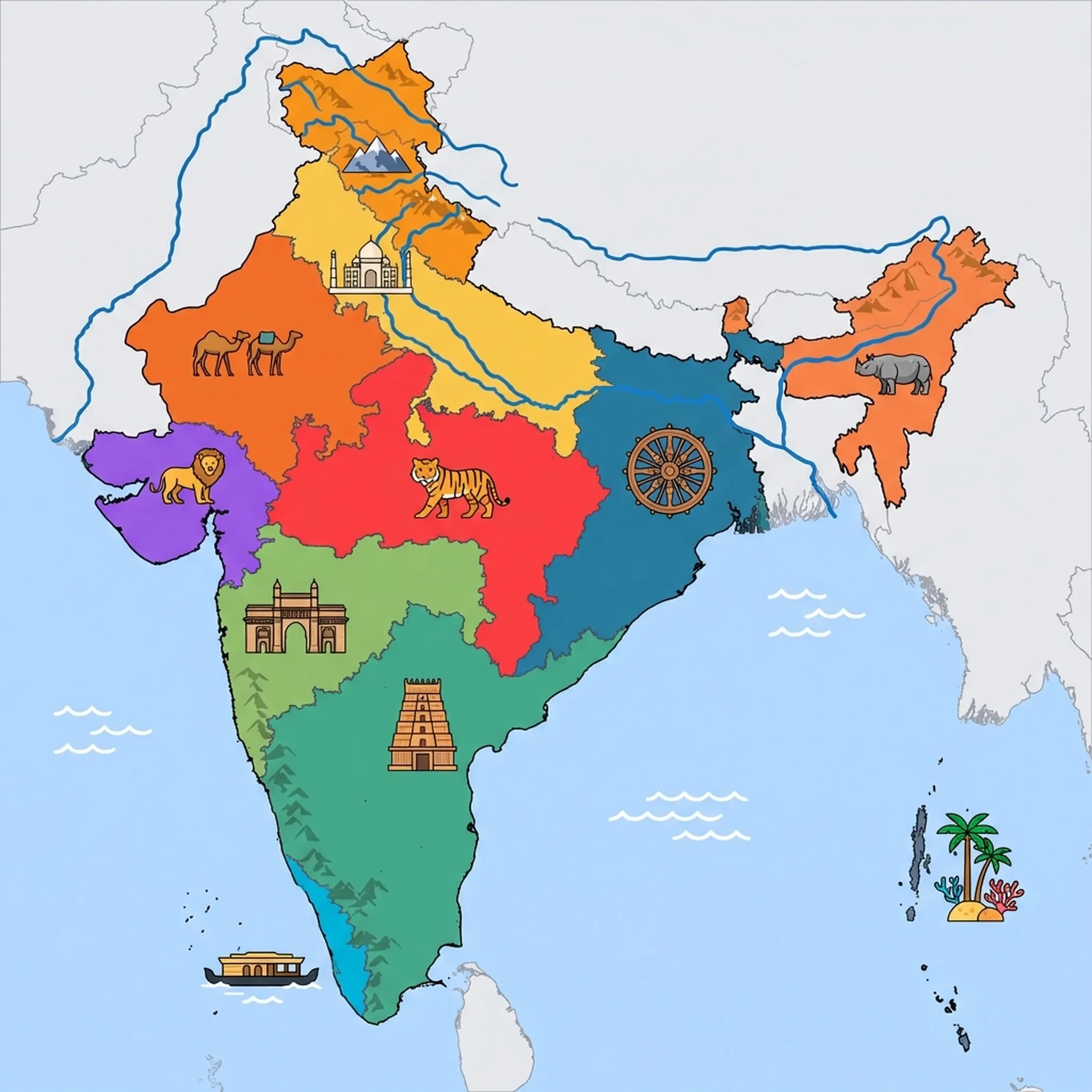
This region powers India's economy and its party spirit. It includes Maharashtra, home to the mega-city of Mumbai, and the tiny, sun-soaked state of Goa. Geographically, it drops from the flat-topped Western Ghats down to the humid Konkan coast. For families, it offers a diverse menu: the high-energy urban buzz of Mumbai, the ancient history of rock-cut caves, and the relaxed beach life of Goa.
Mumbai is intense but fascinating—a city of dreams, Bollywood, and colonial architecture. Just a few hours away, the vibe changes completely to the cool hill stations of Lonavala and the historic marvels of Ajanta and Ellora. Goa, further south, is India's premier beach destination, with a unique Portuguese heritage that makes it feel distinct from the rest of the country. It's incredibly family-friendly, with safe swimming beaches and a laid-back atmosphere.
Key Attractions
In Mumbai, the Chhatrapati Shivaji Maharaj Terminus (CSMT) is a gothic masterpiece that looks like a palace but is a working train station. The Ajanta Caves and Ellora Caves are UNESCO sites featuring jaw-dropping temples carved directly into rock cliffs—an Indiana Jones-style adventure for kids. For pure fun, Imagicaa near Pune is an international-standard theme park. In Goa, visiting the Basilica of Bom Jesus in Old Goa offers a history lesson, while the beaches offer endless sandcastle opportunities.
Practical Advice
Winter (Nov-Feb) is best. The monsoon (June-Sept) is torrential—Mumbai often floods, but the Western Ghats become lush and green. Goa is fully open Nov-April; many shacks close in monsoon.
Food & Drink
Typical meal times: Lunch 1:00 pm to 3:00 pm, Dinner 8:30 pm to 11:00 pm (Mumbai eats late).
Typical meal costs: Mumbai is pricey; Goa varies. A meal costs ₹800–1,500 (approx. $9.50–18 USD / €8.50–16 EUR). Street food is cheap (₹50–100).
Dietary requirements: Cosmopolitan. You can find everything from vegan cafes to steak (buffalo) in Goa. Seafood is a highlight on the coast.
Signature dishes:
- Vada Pav – The Mumbai burger: a spicy potato fritter in a bun with chutneys. Cheap, delicious, and everywhere.
- Goan Fish Curry – Tangy, spicy coconut-based curry made with kokum fruit and fresh catch.
- Misal Pav – A spicy sprout curry topped with crispy noodles (farsan), served with bread. A Maharashtrian staple.
Why this score?
The region is mostly developed, with a focus on urban experiences in Mumbai and resort life in Goa. The Western Ghats provide some hiking and cave exploration at Ajanta/Ellora, but it is generally very accessible for families.
Why this score?
Mumbai offers world-class healthcare comparable to Western standards, serving as a primary center for international medical tourists. Goa also has a high density of private clinics and hospitals that are very comfortable handling foreign visitors.
Why this score?
Mumbai is a global financial hub and a primary gateway, while Goa is one of the world's most famous beach destinations. Combined, they attract a massive and diverse international crowd, from business travelers to luxury sun-seekers.

Mumbai is India's most expensive city. Hotel rooms are small and pricey, often ₹6,000–10,000 (approx. $72–120 USD / €66–110 EUR) for a mid-range standard. Goa sees huge price spikes around New Year. However, local travel and street food remain affordable.

Getting Here & Around
Getting Here
- Airports – Chhatrapati Shivaji Maharaj International Airport (BOM) in Mumbai is a major global gateway. Dabolim (GOI) and Mopa (GOX) serve Goa.
- Train – The Konkan Railway connecting Mumbai to Goa is one of the most scenic rail routes in India.
- Driving – The Mumbai-Pune Expressway is a high-speed road, but city traffic in Mumbai is legendary.
Getting Around
- Local Train – The lifeline of Mumbai, but extremely crowded. Avoid with small kids and luggage during rush hour.
- Taxi/Uber – Readily available in cities. In Goa, local taxi unions control prices (no Uber), so negotiate hard.
- Scooter – Renting a scooter is the most popular way to explore Goa's villages.
Nearby Airports (13 airports)
Chhatrapati Shivaji Maharaj International Airport
BOMMumbai
Birsi Airport
GDBGondia
Goa
GOIGoa
Mopa Airport
GOXGoa
Ozar Airport
ISKOzar
Aurangabad
IXUAurangabad
Jalgaon Airport
JLGJalgaon
Kolhapur
KLHKolhapur
Nagpur
NAGNagpur
Nanded Airport
NDCNanded
Pune
PNQPune
Shirdi Airport
SAGShirdi
Sindhudurg Airport
SDWMalvan
View full flight map for India →
Official Links

Packing List
Essential for monsoon visits or beach days in Goa.
Mumbai never sleeps and traffic noise continues late into the night.
Humidity is very high; cotton takes ages to dry if you sweat or get wet.
Essential for Goa, but bring a cover-up for walking to and from the beach.
You will constantly remove shoes at temples and some museums. Laces become very annoying very quickly.
Dehydration hits fast in the heat; these are essential for rapid recovery if anyone gets an upset stomach.
Stickers that attach to clothing are often easier for children than sticky sprays and creams.
Hotel rooms often have few outlets, sometimes oddly placed. A strip lets you charge all family devices at once.
Many public restrooms do not provide paper. Carry your own supply everywhere.
If travelling by overnight train, it is standard practice to chain luggage under the seat for peace of mind.

Activities & Best Times

Hiking, wildlife, outdoor exploration, ecotourism
The Western Ghats provide spectacular trekking to peaks like Kalsubai and unique eco-tourism at spice farms. While November to February offers the best visibility, the monsoon months (June-September) transform the landscape into a lush, waterfall-heavy wilderness favored by adventure seekers.

Urban tourism, museums, historical sites, architecture
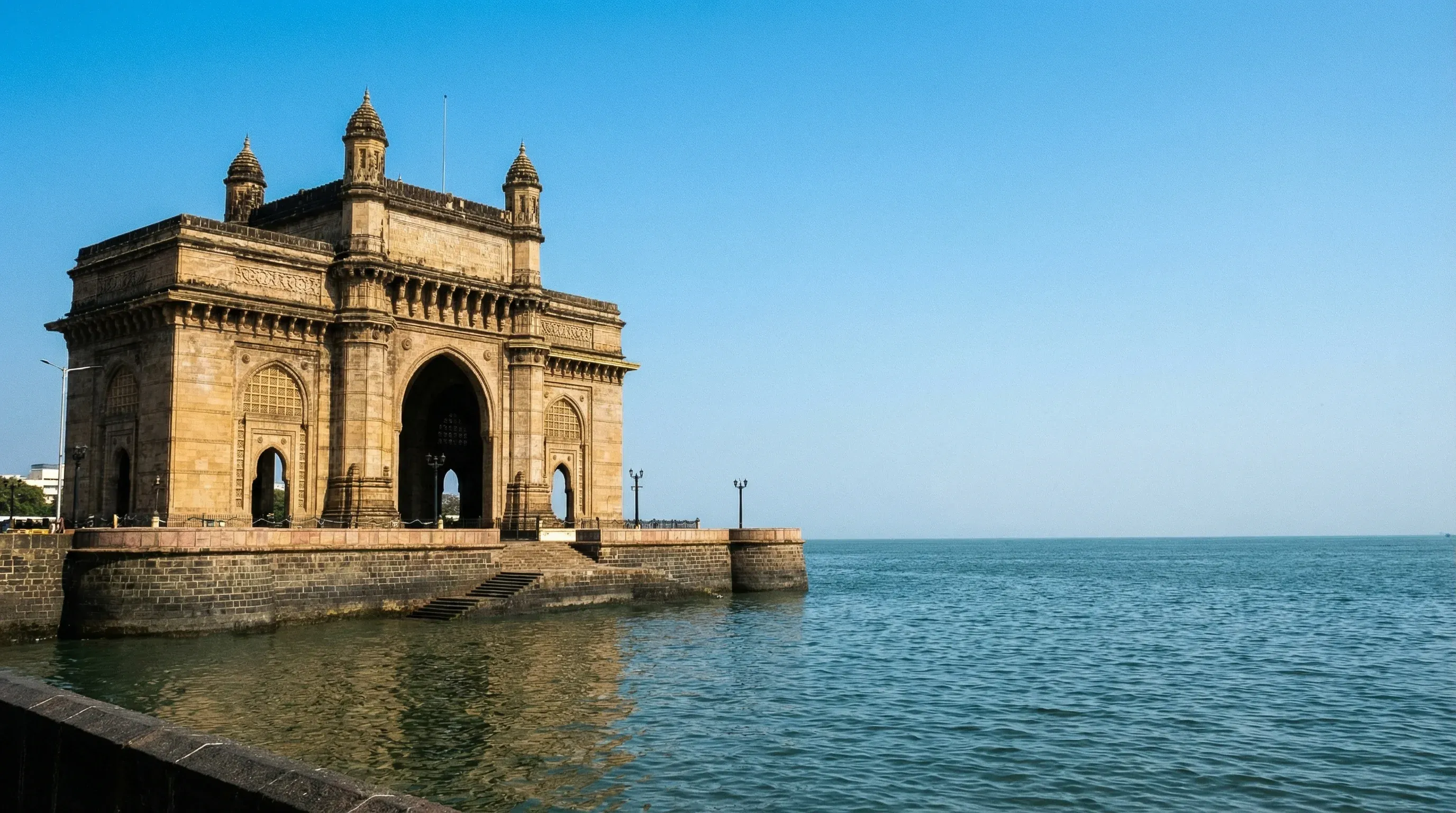
Mumbai is a world-class cultural hub featuring the Gateway of India and UNESCO-listed Elephanta Caves. Visit during the cooler winter months to explore the vibrant street life and architecture without the extreme heat of April-May or the disruptive monsoon rains.

Learning experiences, scientific sites, historical education
Home to the Chhatrapati Shivaji Maharaj Vastu Sangrahalaya and Nehru Science Centre, offering world-class exhibits for children. These indoor facilities are excellent all-weather options, though the general tourist season aligns with the cooler winter months.

Sport tourism, fitness activities, active recreation
Strong infrastructure for active tourism exists at Della Adventure Park and through various trekking routes in the Ghats. March to May is generally too hot for strenuous activity, whereas the winter months provide perfect conditions for trekking and outdoor sports.

Beach resorts, marine activities: diving, snorkelling, kite surfing, wind surfing, sailing
Goa offers iconic tropical beaches like Palolem and Calangute with a blend of Portuguese heritage and coastal luxury. The heavy monsoon between June and September makes the sea too rough for swimming and triggers the closure of many beach shacks.

Spa retreats, wellness centers, peaceful getaways
The region is known for thermal hot springs and luxury wellness retreats in the Sahyadri foothills and Goa. The dry winter season is optimal for holistic treatments, as high humidity and heat in the pre-monsoon months can be uncomfortable for outdoor relaxation.

Scenic drives, countryside tours, route-based travel
The Konkan Coastal Road and Malshej Ghat offer some of India's most scenic driving experiences. The monsoon season provides breathtaking green scenery and waterfalls, though winter offers the safest and most predictable road conditions for families.

Amusement parks, family entertainment venues
Features major attractions like Imagicaa and KidZania Mumbai which provide high-quality family entertainment. Outdoor water parks are best enjoyed in the dry months, as the heavy monsoon season can lead to operational closures and safety concerns.

Events, celebrations, seasonal attractions
The region hosts the massive Ganesh Chaturthi festival in September and the Sunburn EDM festival in December. These events draw international crowds but require careful planning due to high visitor volume and city-wide congestion.

Attractions (34 total)



Public Holidays & Calendar Next 12 months
Public holidays, festivals, cultural celebrations, and seasonal natural phenomena coming up in Western India & Financial Coast over the next 12 months.
Loading holidays and events...

Travel Advisory
A unanimous consensus among all major international agencies indicates that travelers should exercise a high degree of caution throughout India. This assessment is driven by the significant threat of terrorism and the risk of crime, particularly against women. Furthermore, many agencies maintain 'Do Not Travel' warnings for specific border regions and states with active insurgencies.
Safety Topics
Traveller Advice (3 groups)

Exercise extreme vigilance during large religious festivals and at holy sites, which can be targets for terrorist attacks or prone to dangerous overcrowding and stampedes.

Female visitors are urged to take extra precautions due to high reports of sexual harassment and assault. It is advised to avoid traveling alone at night, use only reliable transportation services, and dress modestly to align with local cultural expectations.

Stay highly alert in public places and monitor local news for security updates. Ensure all travel documents are in order and verify if you need to complete the mandatory e-Arrival card before landing. Be aware that consular assistance may be limited in rural or remote areas.
Agency Summaries
Heightened security awareness is needed due to terrorism and crime. Extreme danger zones exist in Jammu and Kashmir and along the border with Pakistan, where landmines and conflict are risks.
Travelers should be more careful due to risks associated with crime and terrorism. Particular emphasis is placed on the risk of sexual assault and the need for special permits in various rural and border districts.
Heightened vigilance is recommended due to the persistent threat of terrorist activity and general safety concerns across the country. Specific regions near the Pakistan border and parts of the Northeast are under stricter travel bans.
Recent military activities along the border and the ongoing threat of extremism necessitate increased caution. Visitors are also warned about strict visa enforcement and legal penalties.
A high level of caution is advised nationwide because of terrorism, crime, and the potential for civil unrest. Travelers must also comply with new digital arrival registration requirements.
While most of the country is accessible, travel is discouraged near the Pakistan border and in several northeastern states due to security volatility. High risks of terrorism and sexual violence are highlighted.
Information is provided for general guidance only and does not constitute travel, safety, medical, or legal advice. Conditions may change. Users are responsible for independently verifying information before travel.