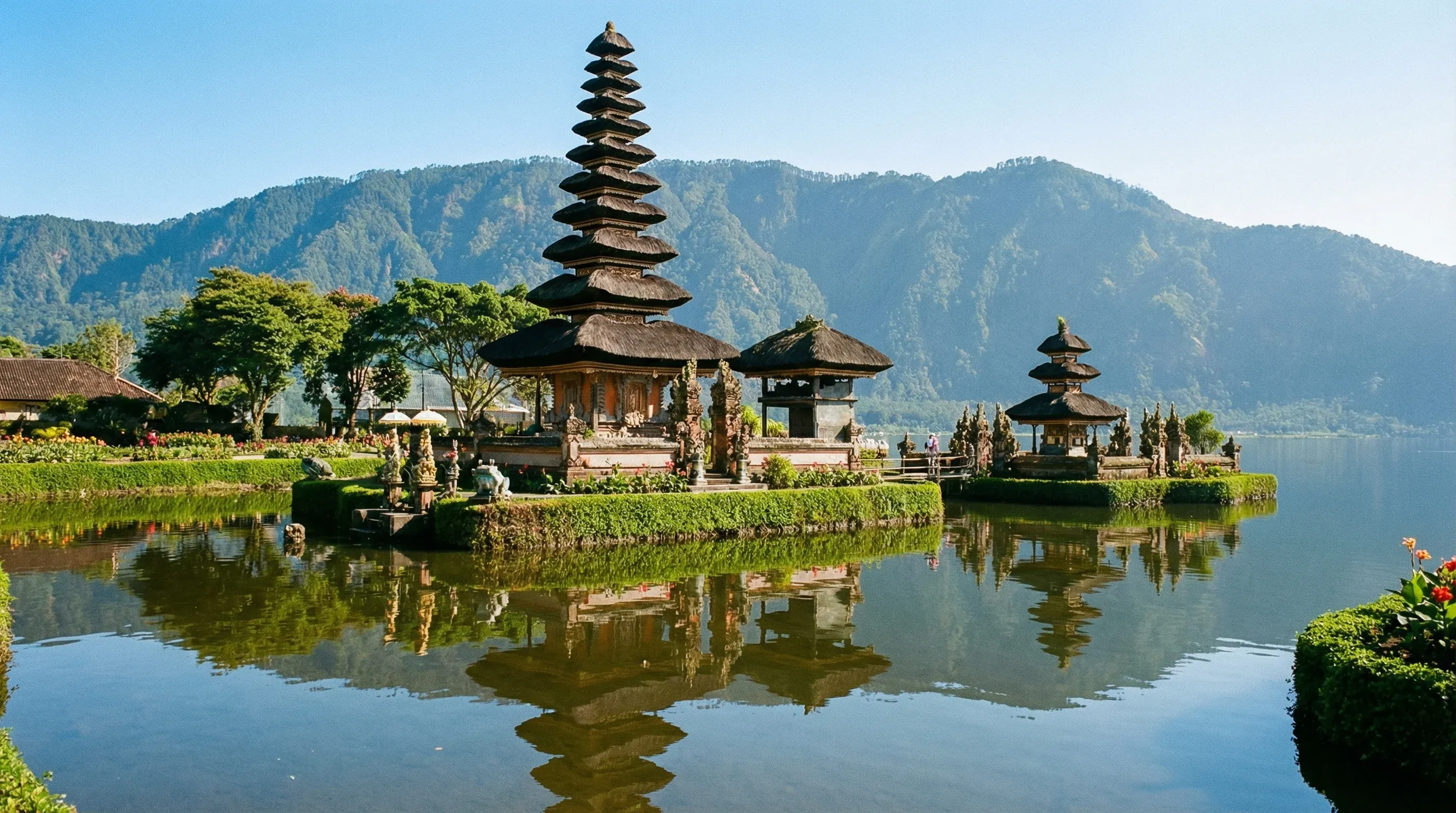

Bali
The Island of Gods offering surf, spirituality, and endless family adventure 🌺🌊
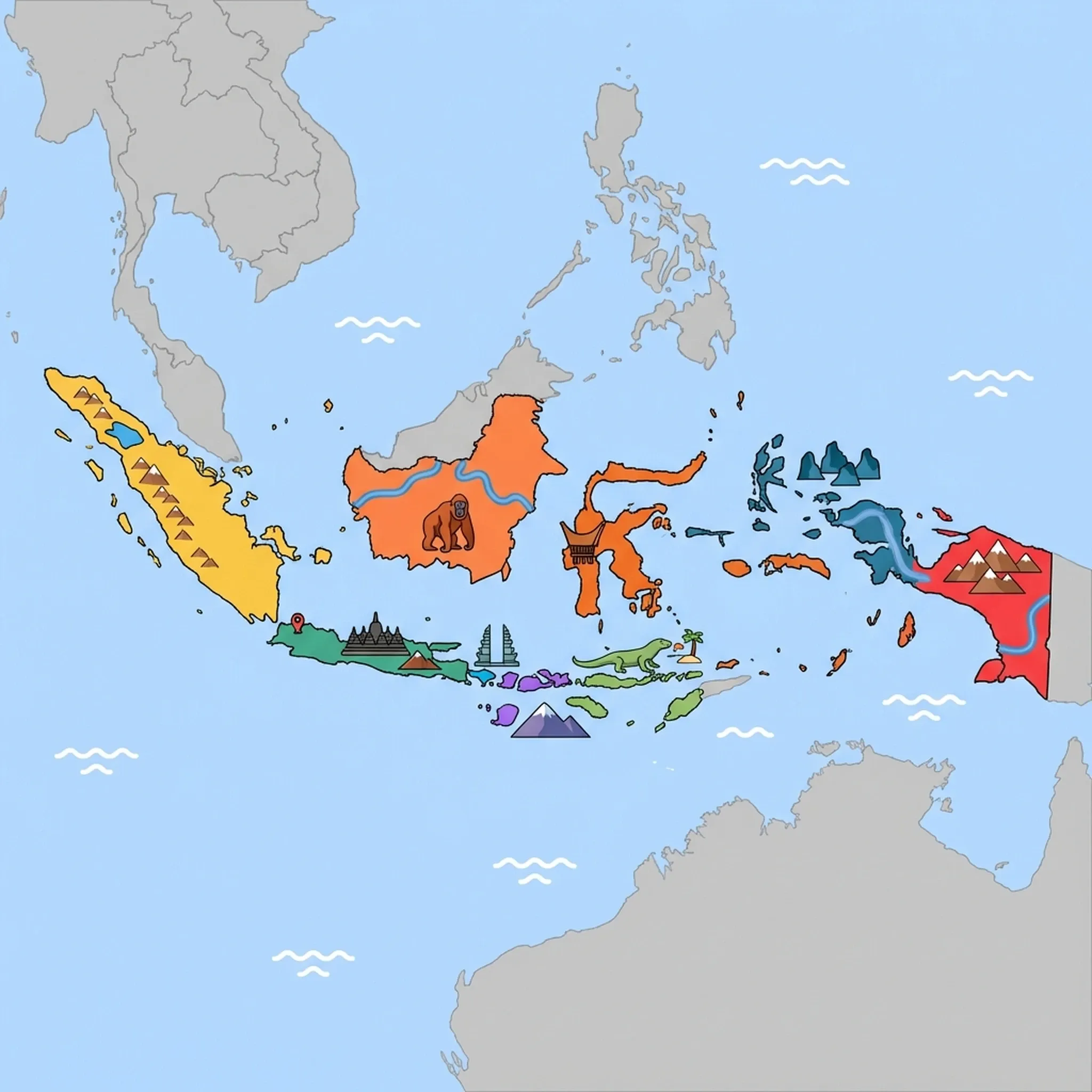
Click a region to explore
Bali is often the first port of call for families visiting Indonesia, and for good reason. It offers a unique blend of Hindu spirituality, accessible nature, and highly developed tourism infrastructure that makes traveling with children significantly easier than in other parts of the archipelago. The island's atmosphere shifts dramatically from the bustling southern beaches to the serene, rice-terrace-filled interior. For parents, the availability of family-friendly villas, excellent international healthcare clinics, and a culture that genuinely adores children makes it a relaxing destination. Kids can spend mornings splashing in calm lagoons and afternoons learning to make traditional canang sari (flower offerings) or watching dramatic Kecak fire dances at sunset.
While the south is famous for surf and shopping, the central highlands around Ubud offer a cooler climate and a chance to explore the island's heart. Here, the landscape is dominated by emerald ravines and sacred temples. Families can walk through the stunning Jatiluwih Rice Terraces, a UNESCO Cultural Landscape that showcases the ancient subak irrigation system. The island is small enough that you can base yourself in one or two locations and take day trips to volcanoes, water palaces, and wildlife parks without exhausting young travelers.
Key Attractions
For a mix of culture and activity, the Besakih Great Temple is unmissable. Known as the 'Mother Temple', it sits high on the slopes of Mount Agung; while the steps are numerous, the multi-tiered pagodas and mountain views are spectacular for older children. For a more accessible nature experience, Bali Bird Park allows kids to walk through massive aviaries and see Komodo dragons and Birds of Paradise up close.
Active families should consider a sunrise trek (or a milder mid-morning view) of Mount Batur, an active volcano with a stunning caldera lake. If you prefer the water, Kuta Beach offers surf schools specifically designed for children, while the quieter Kelingking Beach on nearby Nusa Penida (accessible by day trip) provides the iconic T-Rex shaped cliff view that teenagers love for social media, though the hike down is steep and best avoided with toddlers.
Practical Advice
The best time to visit is during the dry season (April to September). Traffic in the south can be heavy, so plan travel times accordingly. Hiring a private driver for the day is the standard, stress-free way to get around with family.
Food & Drink
Typical meal times: Lunch is typically served from 12:00 pm to 2:00 pm, and dinner from 6:30 pm to 9:30 pm.
Typical meal costs: A meal in a mid-range cafe costs roughly Rp 100,000–250,000 (approx. $6.50–16 USD / €6–15 EUR) per person. Local warung meals can be as low as Rp 30,000 ($2 USD).
Dietary requirements: excellent. Bali is a global hub for vegetarian, vegan, and gluten-free dining, especially in Ubud and Canggu. Nut allergies are generally understood in tourist areas.
Signature dishes:
- Babi Guling – Suckling pig roasted with turmeric, lemongrass, and garlic, famous because Bali is majority Hindu (unlike the rest of Muslim-majority Indonesia).
- Bebek Betutu – Duck rubbed with Balinese spices, wrapped in banana leaves, and slow-roasted until falling off the bone.
- Sate Lilit – Minced meat (often fish or chicken) mixed with grated coconut and spices, wrapped around lemongrass stalks rather than skewered.
Why this score?
While offering volcano hiking and surfing, Bali is highly developed with accessible transport and luxury amenities that cater to families. Most tourist activities are well-managed and safe, lacking the raw ruggedness of Indonesia's more remote islands.
Why this score?
The island features several international-standard hospitals and clinics, such as BIMC and Siloam, which specifically cater to tourists with English-speaking staff. It is the most medically accessible region in Indonesia outside of Jakarta, though complex cases are often evacuated to Singapore.
Why this score?
Bali is a global mega-destination hosting millions of international visitors annually, primarily concentrated in well-developed resort areas like Kuta, Seminyak, and Nusa Dua. It serves as Indonesia's primary tourism gateway with an extensive infrastructure of hotels, restaurants, and international flight connections.

Bali caters to all budgets. You can find luxury villas for the price of a standard hotel room in Europe. A mid-range family meal costs Rp 300,000–600,000 (approx. $19–39 USD / €18–36 EUR). Entry to temples like <a data-attraction-id="49998">Goa Gajah</a> is affordable at around Rp 50,000 ($3.20 USD) per adult.

Getting Here & Around
Getting Here
- Airports – Ngurah Rai International Airport (DPS) in Denpasar is the main gateway, with direct flights from major Asian, Australian, and Middle Eastern hubs.
- Ferry – Regular ferries connect Gilimanuk (west) to Java, and fast boats connect Sanur/Padang Bai to Lombok and the Gili Islands.
Getting Around
- Car with Driver – The most popular option for families. Hiring a car with a driver for 8–10 hours is affordable and allows flexibility for naps and spontaneous stops.
- Taxi/Ride-hailing – Bluebird Taxis, Grab, and Gojek are widely available in the south and Ubud.
- Walking – While Kuta Beach has a boardwalk, many areas in Bali lack continuous sidewalks, so strollers can be challenging outside of resort compounds.
Nearby Airports (1 airport)
Bali International
DPSDenpasar
View full flight map for Indonesia →
Official Links

Packing List
Required for entering all temples; buying one on arrival is a nice souvenir.
Expensive to buy locally and essential for protecting coral on snorkeling trips.
Dengue fever is a risk; local natural options may not be strong enough for evenings.
Roads to the north and Ubud can be winding and traffic is often stop-start.
Essential for protecting feet from sharp coral and rocky seabeds on island day trips.
Versatile as a beach towel, blanket for cold AC transport, and mandatory cover-up for temple visits.
A local lifesaver for quickly managing 'Bali Belly' or mild stomach upsets.
Crucial for boat transfers, sudden tropical downpours, and water parks.
Ferry crossings between islands (like Bali to Lombok) can be notoriously choppy.
Useful for unlit paths in rural areas and occasional power outages on smaller islands.

Activities & Best Times

Hiking, wildlife, outdoor exploration, ecotourism
Features diverse landscapes from volcanic peaks to UNESCO-listed rice terraces, providing immersive wilderness experiences. Dry months are essential for safe trekking on Mount Batur and Mount Agung and for clear views of the island's unique ecosystems.

Urban tourism, museums, historical sites, architecture
A global epicenter of living culture, centered on Ubud's world-class art museums and water palaces. While cultural activities are year-round, the lower humidity and festival calendars of the dry season offer the most authentic and comfortable experience.

Sport tourism, fitness activities, active recreation
Boasts significant infrastructure for adventure sports, including world-class waterparks and recognized mountain hiking trails. The dry season ensures reliable trail safety and optimal conditions for active outdoor sports like cycling and surfing.

Beach resorts, marine activities: diving, snorkelling, kite surfing, wind surfing, sailing
Renowned for its iconic coastal temples and surfing, Bali offers world-class beaches that are best experienced during the dry season when water clarity is highest. Monsoon months can see significant plastic debris on western shores and rougher sea conditions.

Learning experiences, scientific sites, historical education
Provides significant learning opportunities at wildlife conservation centers and geoparks. Conditions are most favorable for educational activities and marine life observation during the drier months when wildlife centers are most accessible.

Events, celebrations, seasonal attractions
Nyepi (Day of Silence) is globally unique and attracts international visitors. Combined with Ubud Writers Festival and other cultural events, this merits 'good' rather than 'marginal'. The note acknowledges these are 'globally unique' and 'prestigious' events.

Spa retreats, wellness centers, peaceful getaways
Famous for its natural hot springs and high-end retreat infrastructure that attracts sophisticated wellness travelers. Peak visitation coincides with the dry season and the restorative end-of-year holiday period.

Scenic drives, countryside tours, route-based travel
Offers spectacular scenic drives through the highlands and along the eastern coast with well-established routes like the Ubud-Kintamani drive. Clear visibility and safer road conditions during the dry season are critical for enjoying the panoramic volcano views.

Amusement parks, family entertainment venues
Offers high-quality waterparks and unique indoor entertainment venues that cater specifically to international families. Peak demand aligns with major school holiday windows, while heavy rains in the early year can impact outdoor park operations.

Attractions (37 total)



Public Holidays & Calendar Next 12 months
Public holidays, festivals, cultural celebrations, and seasonal natural phenomena coming up in Bali over the next 12 months.
Loading holidays and events...

Travel Advisory
All major agencies agree that travelers should exercise a high degree of caution due to threats from terrorism, civil unrest in specific provinces, and frequent natural disasters. Increased vigilance is required, especially in crowded tourist areas and near active volcanoes.
Safety Topics
Traveller Advice (4 groups)

While not generally illegal nationwide, local culture is conservative. Travelers should be aware of regional differences in social acceptance and exercise discretion in public conduct.

Ensure passports have at least six months of validity and no damage, as entry is strictly denied otherwise. All visitors must complete a digital arrival card and, if visiting Bali, pay a mandatory provincial tourist levy.

Solo female travelers may face a higher risk of harassment or petty crime. It is recommended to use reputable taxi services and avoid walking alone in poorly lit or isolated areas at night.

Standard tourist visas and visa-on-arrival do not permit volunteering or work. Engaging in such activities can lead to arrest, fines, or deportation.
Agency Summaries
Increased vigilance is necessary because of the potential for terrorism and the frequency of natural disasters. While tourist areas are generally accessible, certain provinces in Papua are designated as 'Do Not Travel' zones due to civil unrest and armed violence.
Irish citizens should be cautious and well-prepared for travel, ensuring all entry documentation is in order. Vigilance is required regarding personal safety and the risks posed by local geological activity and social tensions.
Maintain a high level of security awareness due to the potential for terrorist activity and civil unrest. Natural hazards such as earthquakes and volcanic eruptions are common. Specific caution is advised regarding petty crime and methanol poisoning in tourist hotspots.
General travel requires high caution, but specific exclusion zones are in effect around numerous active volcanoes. There is a consistent threat of terrorism, and travelers should be aware of strict regulations regarding drugs and visa activities like volunteering.
Heightened safety and security concerns exist, including a elevated risk of terrorism and civil disturbance. Travelers should avoid specific conflict-prone regions in Papua and stay informed about volcanic and seismic activities.
Travelers should remain very vigilant throughout the country due to ongoing social and political instability alongside a persistent threat of terrorist attacks. Specific regions in Papua are under stricter warnings due to violent conflict and kidnapping risks.
Information is provided for general guidance only and does not constitute travel, safety, medical, or legal advice. Conditions may change. Users are responsible for independently verifying information before travel.